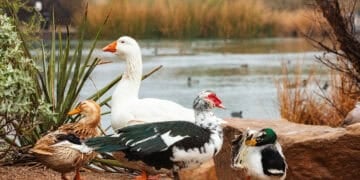

Are geese aggressive? They can be, especially when a gander is guarding a mate, a nest, or goslings. Most goose aggression is predictable communication rather than an unprovoked attack. A goose usually warns with posture, voice, and movement before making contact, which gives an attentive keeper time to change course.
Domestic geese are social, alert, and territorial. Those same traits make them useful flock members and reliable farm alarms. They also mean we need to understand what a goose is saying before a routine walk through the yard turns into a chase.
Why Geese Act Aggressively
A goose uses aggressive behavior to create distance and protect something valuable. That may be a mate, nest, goslings, food, water, a favorite gate, or the territory the flock considers home.
Breeding season is the most common trigger. As daylight increases and pairs prepare to nest, a gander may patrol a much larger area and challenge people or animals he tolerated during the rest of the year. The goose on the nest may hiss or strike if approached. After hatching, both parents protect the goslings.
Aggression can also grow from fear. A goose that has been chased, grabbed, teased, or cornered may learn that people are dangerous. A bird raised without other geese may treat a person as a flock mate, then direct mating or dominance behavior toward that person as it matures.
What You’ll Learn
Signs a Goose Is Warning You

Geese communicate clearly when we learn to watch the whole bird. A honk by itself does not always mean aggression. Context and body position matter more.
Warning signs include:
- Turning to face you directly
- Watching with the head held rigid
- Stretching the neck forward
- Lowering the head while approaching
- Hissing
- Opening the bill
- Raising or spreading the wings
- Making short, forceful steps toward you
- Blocking a gate, feeder, or path
- Charging after earlier warnings are ignored
A relaxed goose grazes, preens, rests, or moves with the flock without keeping its body aimed at you. A bird that repeatedly closes distance while holding its head low is asking you to move away.
Treat the early warning as useful information. You do not need to prove that you can walk through the bird’s space. Pause, choose a wider route, or use a barrier so the interaction does not escalate.
Are All Geese Aggressive?
No. Individual temperament varies, and breed, age, sex, season, flock structure, early handling, and past experiences all influence behavior.
Some breeds are known for being more alert and vocal. Chinese and African geese often notice changes quickly and may be more assertive. Heavy breeds such as Embden and Toulouse are often described as steadier, although any breed can produce a defensive gander.
Our guide to the types of geese compares common domestic breeds and the traits that matter on a homestead.
A calm breed is not a guarantee. A poorly socialized or repeatedly provoked goose can become difficult, while a naturally bold bird can learn dependable routines with fair handling.
When Goose Aggression Is Most Likely
Breeding Season
Late winter through spring is the most difficult period in many flocks. Timing varies by climate and breed, but behavior often changes before the first egg appears.
A paired gander may begin guarding his mate, choosing a nesting area, and driving other birds away. This seasonal behavior usually eases after nesting and gosling rearing, though the bird may remember habits that were reinforced by successful chases.
Near a Nest
A nest creates a small territory within the larger yard. The female needs privacy, and the gander often stands watch nearby. Reaching into an occupied nest, stepping between a pair, or cornering a bird in a shelter invites a defensive response.
Arrange housing so you can feed, water, and clean without crossing directly over the nest. A removable panel or second gate can preserve a safe working lane.
Around Goslings
Parents protect goslings even after the family leaves the nest. Give the family room and avoid placing dogs, children, or unfamiliar visitors inside the brood area.
When goslings must be handled for a health check, prepare a temporary divider first. Separating the adults with a solid panel is safer than holding off an anxious pair with your body.
At Feeders and Gates
Competition can turn a narrow space into a conflict point. One assertive bird may control a single feeder or stand in a gateway that everyone must use.
Provide more than one feeding location when flock tension rises. Widen common routes, remove blind corners, and place water where a person can service it without becoming trapped against a fence.
With Dogs and Other Animals
Geese may challenge dogs they see as predators. A dog may respond by chasing, which makes the situation dangerous for both animals.
Use secure separation and supervised training. Do not expect a goose and an unfamiliar dog to settle the relationship themselves. Even a gentle dog can injure a goose in seconds, and a large gander can strike a dog’s face or eyes.
What to Do When a Goose Approaches Aggressively
Stay upright, face the goose, and move slowly. Do not run, scream, kick, or swing your arms. Fast retreat can encourage pursuit, while striking the bird increases fear and conflict.
Keep a safe object between you and the goose. A feed bucket, trash can lid, sorting board, piece of plywood, or open umbrella can create space without hurting the bird. The barrier should block access, not become a weapon.
Back toward an exit while watching the goose. Avoid turning your back in a narrow area. If possible, move at an angle rather than pushing directly through the bird’s guarded space.
If the goose makes contact, protect your face and maintain your footing. A goose can pinch with its bill and strike with its wings. Falls cause many of the more serious human injuries associated with aggressive geese, so pay attention to mud, hoses, steps, and uneven ground.
Children should never be asked to confront or train an aggressive goose. Visitors need a clear route that does not pass through the flock.
How to Prevent Aggression in Domestic Geese
Handle Goslings Calmly
Regular, brief handling helps goslings learn that routine human contact is safe. Set them down before they panic and avoid games that encourage chasing, pecking, or wrestling with hands.
Friendly does not need to mean dependent. Goslings should live with other geese so they learn normal flock behavior instead of treating a person as their only companion.
Our week by week guide to raising goslings covers early care and the handling window when habits begin to form.
Keep More Than One Goose
Geese are flock animals. A lone goose may bond intensely with a person or another species and become distressed or possessive. A compatible pair or small flock gives the bird appropriate social outlets.
Plan the Flock Ratio
Too many ganders can create constant competition during breeding season. The right ratio depends on breed, age, space, and breeding goals. Many small homestead flocks do well with one gander and several females.
Multiple ganders may coexist outside breeding season and fight once spring arrives. Have a safe separation pen ready before behavior changes.
Extension guidance for raising geese in small flocks notes that limiting male competition helps prevent gander fights.
Provide Enough Space
Crowding makes it difficult for lower ranking birds and people to move away. It also concentrates conflict around limited food and water.
Pasture, multiple shade areas, more than one feeder, and open travel lanes reduce pressure. The complete guide to raising geese covers grazing space, shelter, water, and flock needs.
Use Predictable Routines
Feed and release the flock at consistent times. Move in a steady way and use the same call or bucket cue. Predictability lowers alarm and makes it easier to move birds without chasing.
Train geese to follow a feed pan or enter a pen for a small grain reward. This gives you a practical way to relocate the flock before mowing, deliveries, veterinary care, or visitors.
Avoid Hand Feeding Assertive Adults
Hand feeding can bring a bold goose too close and blur useful boundaries. Place feed in a pan, step away, and allow the flock to approach after you have moved clear.
Do Not Reward Chasing
If a goose charges and the person runs across the yard, the bird learns that charging controls human movement. Use a barrier, move calmly to safety, and change the setup before the next interaction.
Prevention may mean fencing off the nest area, moving a feeder, separating a gander temporarily, or routing chores through another gate.
Managing a Gander During Breeding Season
Seasonal management works better than daily confrontation. Before nesting begins, inspect fences, prepare a divider, and decide how people will enter and leave the goose area.
Give the pair a nesting place away from the busiest path. Do not place a nest box beside the only gate or directly inside a feed storage doorway. If the goose chooses a poor location, changing the environment before eggs are laid is easier than moving an active nest.
When you must enter, carry a lightweight barrier and keep the visit efficient. Complete chores in the same order and leave without crowding the pair.
If one bird remains dangerous despite better spacing and handling, separate it behind secure fencing. A goose that repeatedly attacks children, knocks adults down, or makes essential chores unsafe requires a long term management decision. Rehoming to an experienced keeper may be more responsible than continuing daily conflict.
Goose Aggression Versus Guard Behavior
Geese are excellent alarms because they notice unfamiliar sights and sounds. Guard behavior becomes a problem when the bird cannot distinguish between a real change and every person who belongs on the property.
A useful guard goose calls attention to movement while remaining manageable during normal chores. The goal is alertness with safe boundaries, not a bird that attacks everyone entering the yard.
Our article on keeping geese as guard animals explains how flock size, breed, routine, and early handling shape that job.
What About Aggressive Wild Geese?
Wild Canada geese are not livestock and should not be handled or trained. Give a nesting pair a wide route and keep dogs leashed. Do not approach a nest or goslings.
Wild geese and their nests are protected by federal law in the United States, with additional state rules. Contact a wildlife agency or qualified wildlife professional when a nest blocks an essential entrance or a recurring conflict creates a safety concern.
Do not feed wild geese. Feeding encourages them to gather near people, roads, paths, and buildings, where conflict becomes more likely.
Frequently Asked Questions About Goose Aggression
Are geese aggressive toward people?
Geese can threaten or strike people when defending a mate, nest, goslings, food, or territory. Most give visible warnings first. Giving the bird space and changing the setup prevents many attacks.
What should I do if a goose chases me?
Face the goose, stay upright, and back away slowly. Place a bucket, board, or other harmless barrier between you and the bird. Do not run, kick, or hit the goose.
Do geese bite?
Geese can pinch and grab with their bills. They can also strike with their wings. The greatest injury risk may come from falling while trying to escape.
Why is my friendly goose suddenly aggressive?
A sudden seasonal change often means breeding behavior has begun. Look for pair bonding, nest selection, eggs, or goslings. Pain, illness, crowding, and competition can also change behavior and deserve attention.
Can an aggressive goose be trained?
Many geese improve when keepers stop chasing, use predictable routines, add space and resources, and prevent the bird from practicing successful attacks. A dangerous adult may still require separation or experienced rehoming.
Respect the Warning and Change the Setup
So, are geese aggressive? Sometimes, but their behavior usually has a reason and a pattern. Watch the early signals, plan for breeding season, and arrange the yard so people and birds can move without being cornered.
Sign up for the Waddle & Cluck newsletter for more practical guidance on geese, poultry, and seasonal homestead care.