
Summer sunshine feels good until your skin starts telling the truth at the end of the day. After chores, garden work, swimming, markets, hay hauling, or just one more hour outside than you planned, skin can feel tight, dry, warm, and tired.
That is where these after sun lotion bars come in.
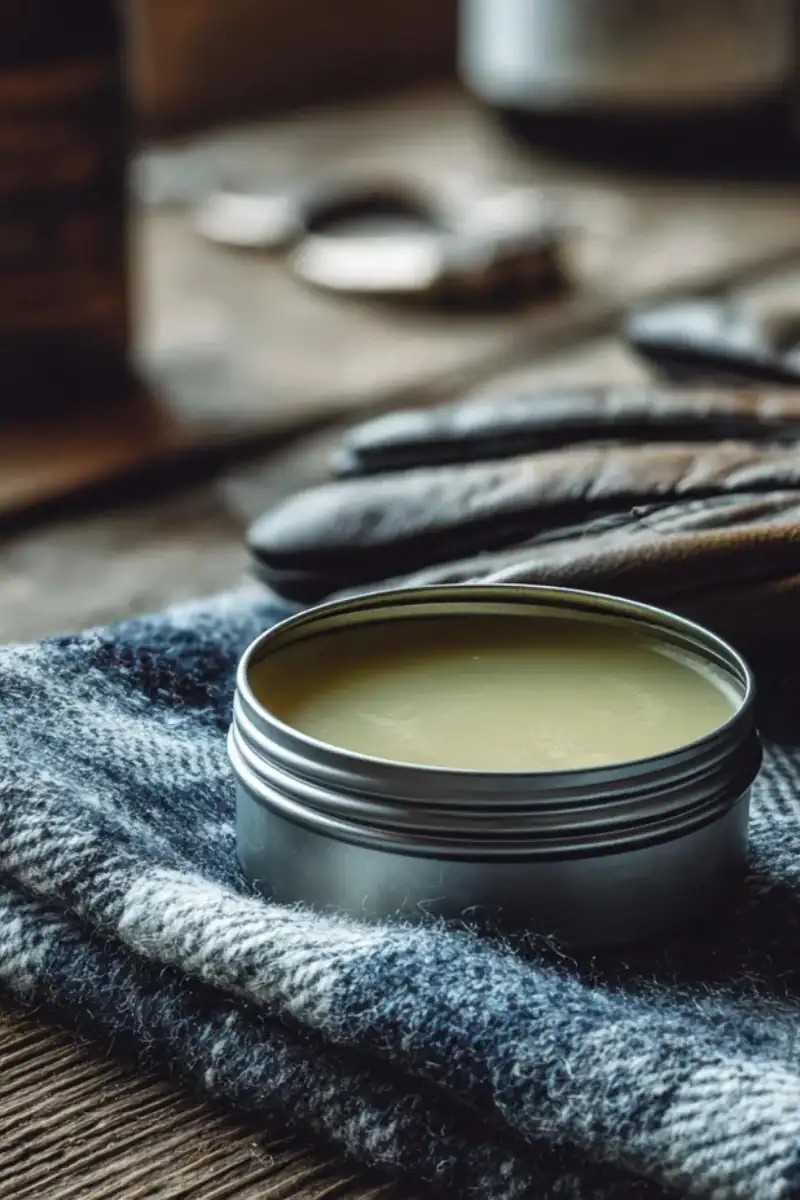
They are a homemade, solid version of after sun lotion made with coconut oil, shea butter, beeswax, vitamin E oil, aloe vera gel, lavender essential oil, and optional peppermint essential oil. Warm one in your hands, glide it over clean skin, and let the oils and butters soften dry summer skin after you have come inside and cooled down.
What You’ll Learn
Why After-Sun Care Matters
Sun exposure can leave skin feeling dry and tight. Wind, sweat, saltwater, pool water, garden dust, and repeated washing can make that worse. Even if you used sunscreen and did the right things, your skin may still need moisture at the end of the day.
The American Academy of Dermatology recommends getting out of the sun as soon as you notice a sunburn, taking cool baths or showers, applying a moisturizer with aloe vera or soy while skin is still damp, drinking extra water, and not popping blisters. Their sunburn treatment guidance is worth reading before you decide what your skin needs.
These lotion bars fit best after mild sun exposure, dry summer skin, or the kind of tightness that comes after outdoor work. If skin is blistered, severely painful, swollen, infected-looking, or paired with fever, chills, nausea, or feeling unwell, skip homemade products and get medical guidance.

What Makes Lotion Bars Different
A lotion bar is a solid moisturizer. Instead of scooping cream from a jar or pumping liquid lotion from a bottle, you hold a bar in your hands and let body heat soften the surface. Then you rub it onto skin where you want moisture.
The beeswax gives the bar structure. Coconut oil and shea butter melt against warm skin. Vitamin E oil and aloe vera gel round out the formula. Lavender gives the bar a soft scent, while optional peppermint adds a cooling feel.
Because lotion bars are oil-based and solid, they are handy for travel, garden baskets, lake bags, and bedside tins. They are also customizable, plastic-light, and useful for gift baskets if your household likes homemade skincare.
Ingredients
This recipe makes a batch of solid after-sun lotion bars.
- 1 cup coconut oil
- 1 cup shea butter or cocoa butter
- 1 cup beeswax pellets
- 1 tablespoon vitamin E oil
- 20-30 drops pure aloe vera gel
- 20 drops lavender essential oil
- Optional: 10 drops peppermint essential oil
Tip from the original article: If your aloe vera is watery, stir thoroughly before adding it to help prevent separation.
Ingredient Notes
Coconut oil helps the bar glide and melt against the skin. It also keeps the recipe familiar for homestead kitchens that already use coconut oil in salves and body-care projects.
Shea butter gives the bar richness. Cocoa butter can be used instead and usually makes a slightly firmer bar with a faint chocolate-like scent. Either one works in the original recipe.
Beeswax pellets create the solid structure. Without beeswax, this mixture would be more like a soft body butter. Beeswax also helps the bar hold up better in a tin or drawer, though heat can still melt it.
Vitamin E oil adds slip and richness to the finished bar. It is often used in homemade body-care recipes because a little goes a long way.
Aloe vera gel is the after-sun ingredient readers expect. It adds a cooling, skin-comfort angle, but because aloe is water-based and this recipe is mostly oils and wax, add it carefully and stir well.
Lavender essential oil gives a calm scent. Peppermint essential oil is optional. It can feel cooling, but it can also be too much for sensitive skin, children, or already-irritated skin. If in doubt, leave peppermint out.
Equipment
You do not need fancy equipment, but you do need a gentle melting setup.
- Small pot
- Heat-safe glass bowl or jar
- Spoon or silicone spatula
- Measuring cups and spoon
- Silicone molds, muffin tins, or ice cube trays
- Small tins, jars, or airtight containers for storage
A silicone mold makes the bars easier to pop out cleanly. Muffin tins work too, but silicone is easier for this kind of project.

Instructions
- Fill a pot with a few inches of water and bring it to a gentle simmer.
- Set a heat-safe glass bowl or jar over the pot to create a makeshift double boiler. The bottom of the bowl should not touch the water.
- Add the coconut oil, shea butter or cocoa butter, and beeswax pellets to the bowl.
- Stir gently until everything is fully melted and smooth.
- Remove the bowl from the heat and let the mixture cool slightly, just enough that it is safer to handle but still fully liquid.
- Stir in the vitamin E oil, aloe vera gel, lavender essential oil, and peppermint essential oil if using.
- Stir thoroughly, especially if the aloe vera gel is thin or watery.
- Pour the mixture into silicone molds, muffin tins, or ice cube trays.
- Let the bars cool completely at room temperature, or place them in the refrigerator to speed things up.
- Once solid, pop the bars out of the molds and store them in a cool, dry place.
How to Use After Sun Lotion Bars
Use after you are out of the sun, cooled down, and clean. If your skin is hot from sun exposure, start with a cool shower or cool compress first.
To apply:
- Hold the bar between your palms to warm it slightly.
- Rub the bar directly onto clean skin.
- Focus on dry, sun-exposed areas such as arms, shoulders, legs, and feet.
- Let the oils absorb fully.
- Do not rinse.
Use a light hand at first. Lotion bars can feel heavier than liquid lotion because they are concentrated. A little goes farther than you think.
The original article suggested keeping one in the refrigerator for extra relief after a hot day. That still works, as long as the bar is clearly labeled and kept away from food handling.
When Not to Use These Bars
Do not use these bars on blistered skin, open skin, infected skin, or severe sunburn. Do not use them if the skin is extremely painful, swollen, oozing, or hot to the touch in a way that worries you.
Do not apply peppermint essential oil products near eyes, lips, or sensitive areas. Avoid peppermint on young children unless you have confirmed it is appropriate for their age and skin.
If you are pregnant, nursing, making these for children, or dealing with sensitive skin, simplify the recipe by leaving out peppermint and using the lowest amount of essential oil that still gives the bar a pleasant scent.
Patch test first. Plant-based ingredients can still irritate skin.
Storage
Store finished lotion bars in a cool, dry place. A small tin, glass jar, or airtight container works well. Keep them away from direct sun, hot cars, windowsills, and steamy bathrooms.
These bars can melt in heat. If one softens, move it to the refrigerator until firm again. If the texture changes slightly after melting and re-solidifying, it should still be usable as long as it smells fresh, looks normal, and has not been contaminated with water or debris.
The original article notes that stored in a cool, dry place, the bars should last 3 to 6 months. Label the container with the date you made them so you are not guessing later.
Substitutions and Adjustments
You can use cocoa butter instead of shea butter. Cocoa butter usually makes a firmer bar and adds a faint chocolate scent.
You can leave out peppermint essential oil. This is the best adjustment for sensitive skin, younger users, or anyone who dislikes a cooling tingle.
You can use fewer essential oil drops. Homemade body care does not need to be heavily scented to be useful.
Do not replace beeswax with a liquid oil unless you want to change the whole texture. Beeswax is what makes the bar firm.
If your bars are too soft, remelt and add a little more beeswax. If they are too hard or drag on the skin, remelt and add a little more coconut oil or shea butter. Make small adjustments.
Why Make Your Own After Sun Lotion?
I like recipes like this because they are practical. You know what is in the bar. You can keep the scent simple. You can make a batch before summer gets busy. You can pour the mixture into small molds and keep one where you need it: bathroom, nightstand, lake bag, or travel kit.
Homemade does not automatically mean better for every person, but it does give you control. If commercial after sun lotion bothers your skin because of fragrance or additives, a simple homemade bar may be worth testing carefully.
It is also a good low-waste project. A few reusable tins and a silicone mold can replace a handful of plastic bottles over time.
More Natural Summer Skin Projects
If you are stocking a simple summer body-care basket, pair these after-sun bars with a few related Waddle and Cluck recipes.
For a light facial project, see the turmeric face mask update, which includes stronger patch-test and staining guidance.
For a gentle toner-style project, try Rosewater Refresh Toner.
For cold-weather dry skin, keep the herbal salve recipe for winter skin handy when summer is over.
Final Thoughts
After-sun care does not need to be complicated. Get out of the sun. Cool your skin. Drink water. Use sunscreen and shade next time. Then, when your skin simply feels dry and tight after an outdoor day, a homemade after sun lotion bar can be a small comfort.
These bars are simple, sturdy, and useful. They melt in your hands, glide over dry skin, and turn a handful of homestead-friendly ingredients into something you will actually reach for.
Make a batch before the hottest part of the season. Label it. Keep it cool. Patch test. And leave the peppermint out if your skin is already asking for mercy.
Frequently Asked Questions About After Sun Lotion Bars: Easy DIY Recipe With Aloe and Shea Butter
Are after sun lotion bars the same as sunscreen?
No. These bars do not provide sun protection and should not be used before sun exposure as sunscreen. Use broad-spectrum sunscreen, shade, hats, and protective clothing to prevent sunburn.
Can I use these lotion bars on sunburn?
Use caution. These bars are best for dry, sun-exposed skin after you have cooled down. Do not use them on blistered, open, severe, or worsening sunburn. For sunburn, follow dermatologist guidance and seek medical care if symptoms are serious.
How long do homemade lotion bars last?
The original article recommends 3 to 6 months when stored in a cool, dry place. Label the batch date and discard bars that smell off, look contaminated, or change in a concerning way.
Can I leave out peppermint essential oil?
Yes. Peppermint is optional. Leave it out for sensitive skin, young children, or anyone who does not tolerate cooling essential oils well.
Can I use cocoa butter instead of shea butter?
Yes. Cocoa butter can replace shea butter in this recipe. It gives a firmer texture and a light cocoa scent.
Why did my lotion bars separate?
Aloe vera gel is water-based, while the rest of the recipe is mostly oil and wax. If the aloe is watery or the mixture is not stirred well, separation can happen. Stir thoroughly before pouring and use a thick aloe gel when possible.