
Fall homestead checklist work is less about doing everything perfectly and more about catching the jobs that get expensive, cold, or miserable if they wait too long. Fall asks a homestead to do several things at once: finish the harvest, preserve what can be preserved, repair what summer exposed, and prepare animals, water, tools, and people for colder weather.
I like to treat fall as a closing shift. The busy season is not over, but the tone changes. Instead of starting everything new, you begin asking what needs to be gathered, cleaned, fixed, stored, protected, or written down before winter narrows your options.
How to Use This Fall Homestead Checklist
Start with the jobs that protect food, animals, shelter, and water. Pretty projects can wait. A leaky roof, loose gate, empty mineral feeder, untested generator, or freezer full of unlabeled food cannot. Walk the property with a notebook and write down what you see before you decide what to do.
This checklist pairs well with our broader month-by-month homestead overview. Fall has its own rhythm, but the best system is still one you can repeat next year with fewer surprises.

What You’ll Learn
Harvest and Garden Wrap-Up
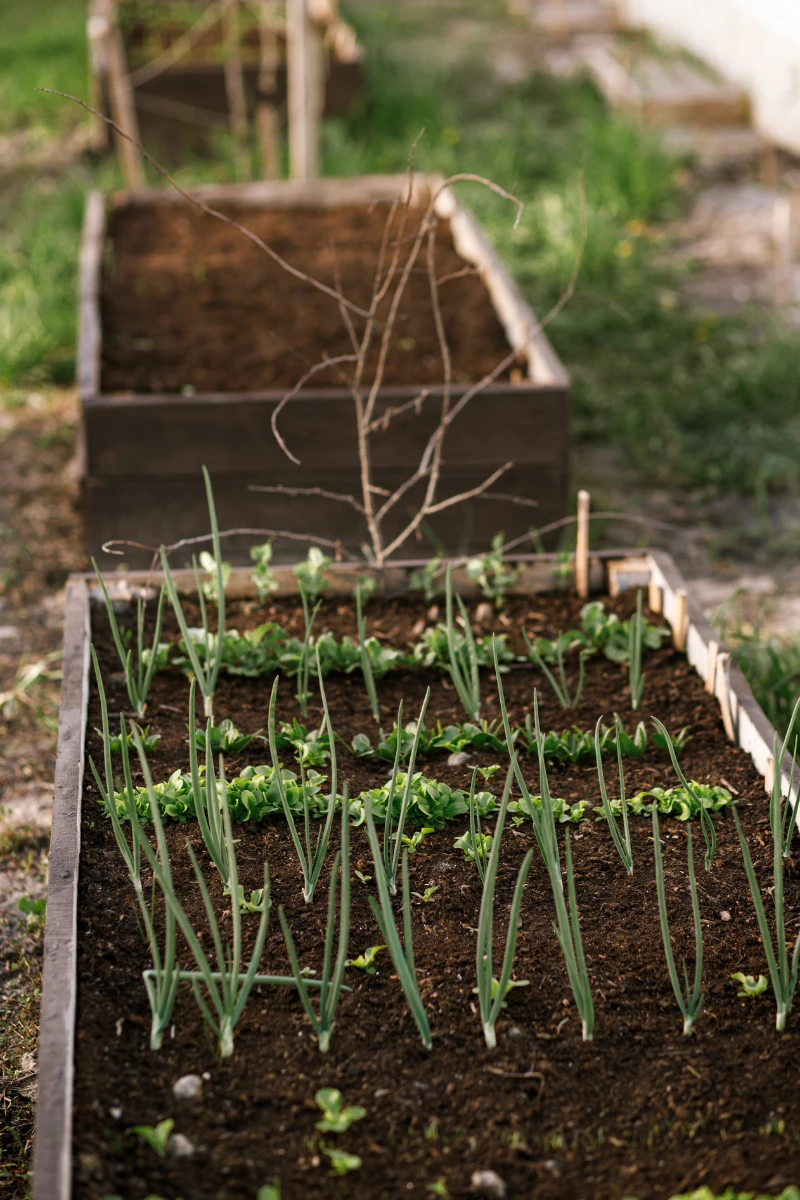
Pull the last warm-season crops before frost, but do not rush every bed into bare soil. Gather ripe tomatoes, peppers, beans, squash, herbs, and storage crops. Compost diseased plant material only if your system gets hot enough to handle it. Otherwise, remove it from the garden so next season starts cleaner.
Cure garlic, onions, winter squash, sweet potatoes, and any crop that needs dry-down time before storage. Sort damaged produce for quick use instead of long storage. A bruised squash on the shelf can spoil the good ones around it.
This is also a good time to make notes while the season is still fresh. Write down which beds struggled, which varieties earned their space, which crops were planted too close together, and which harvests arrived when you were already overwhelmed. Those notes are more useful now than they will be in February when seed catalogs make everything seem possible again.
For harvest timing, our guide on when to harvest and cure garlic is a good reminder that storage starts before food reaches the pantry.
Pantry, Canning, and Freezer Work
Fall pantry work is not just putting jars on shelves. Check seals, label dates, group food by meal use, and make a list of what still needs to be eaten, canned, dried, frozen, or shared. If the freezer is full, inventory it before hunting season, holiday cooking, or late garden harvests add more.
This is also the time to be honest about what your household uses. If nobody reaches for a certain jam, pickle, dried herb, or freezer meal, write that down. The next season’s preserving plan should be shaped by real meals, not guilt.
If the harvest is heavier than expected, our guide to using and preserving too much zucchini shows the kind of flexible thinking that keeps abundance from becoming waste.
Animal Care Before Cold Weather
Check shelter roofs, bedding areas, latches, ventilation, waterers, feeders, fencing, mineral stations, and predator pressure. Animals need dry bedding and fresh air, not sealed-up barns. Fix muddy entrances before they freeze into ruts. Store feed where rodents and moisture cannot ruin it.
Look at each species separately. Poultry need winter water plans and draft-free roosting areas. Goats and sheep need sound fencing and mineral access. Rabbits need wind protection without stale air. Farm dogs need bedding, visibility, and a job that still makes sense when nights get longer.
Predator pressure can also shift in fall. Brush dies back, wild food changes, and shorter days mean more chores happen near dusk. Check coop doors, run skirts, latches, barn gaps, and perimeter lights before you are doing evening chores in the dark. Small weak spots are easier to fix before animals start testing routines.
Repairs, Tools, and Buildings
Walk roofs, gutters, doors, windows, gates, fences, hydrants, cords, hoses, and storage sheds. Summer often leaves small damage that winter turns into real trouble. Tighten loose screws, patch screens, clean gutters, drain hoses, sharpen tools, and store anything that should not sit under snow or ice.
Make one short list for urgent repairs and one longer list for spring. Do not let the spring list distract from the work that protects the place now. A gate that barely latches in September may not latch at all when your hands are cold in January.
Water, Power, and Storm Planning
Fall is the time to test backup power, fuel storage, extension cords, heated water plans, and emergency lighting. If your well needs electricity, decide how water will move during an outage. If animals depend on heated buckets, check cords and outlets before the first hard freeze.
Ready.gov recommends keeping basic emergency supplies, including food and water, on hand for several days. On a homestead, that means people plus animals. Our power outage preparedness homestead guide goes deeper into that planning.

Do one real test instead of assuming the system works. Start the generator if you have one. Charge power stations. Check batteries in lanterns and radios. Make sure extension cords are rated for the job you expect them to do. Fill and lift the water containers you plan to use, because a container that nobody can move is not a very good emergency tool.
A Simple Weekend Fall Reset
If the list feels too big, spend one weekend on a reset. Day one: harvest what cannot wait, inventory the freezer, check stored food, and clean one pantry zone. Day two: walk fences, water, roofs, and animal shelters, then do the three repairs most likely to cause winter trouble.
Do not measure success by finishing every possible chore. Measure it by reducing the number of emergencies winter can hand you. A fall homestead checklist works when it turns a vague seasonal worry into visible jobs you can actually finish.
Frequently Asked Questions About Cover Crops for Gardens
What should be on a fall homestead checklist?
A fall homestead checklist should include harvest work, food storage, animal shelter checks, fencing, water systems, storm supplies, tool storage, and urgent building repairs.
When should I start fall homestead prep?
Start fall homestead prep in late summer or early fall, before frost and before wet weather makes repairs harder.
What homestead repairs matter most before winter?
Prioritize roofs, gates, fences, water access, animal shelters, drainage, electrical cords, and anything that protects food, animals, or safety.
How do I prepare a homestead pantry for winter?
Check seals, label dates, inventory jars and freezer food, group staples by meals, and make a short list of gaps before winter shopping or preserving ends.
How do I make fall homestead chores manageable?
Walk the property, write one list, sort it by urgency, and finish the jobs that protect food, animals, water, and shelter first.