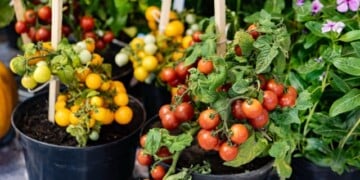

What to plant in March depends on one thing above all: your last spring frost date. This is the month to start warm-season crops like tomatoes and peppers indoors under lights, while direct sowing cold-hardy greens, peas, and root vegetables outdoors as soon as the soil can be worked. March is when the garden year truly begins, the point where seed orders turn into trays on the windowsill and the first rows go into the ground. Below is a practical run-through of what to plant this month, indoors and out, plus the prep that sets the whole season up for success.
What You’ll Learn
Starting Seeds Indoors in March
If the ground outside is still cold, March is the time to start seeds indoors and give plants a head start so they are strong and ready to move out when the weather turns. Warm-season crops need a long runway, which makes them the top candidates for an early indoor start. Tomatoes, peppers, and eggplants all take several weeks to develop before they are ready for the garden, so sowing them now can make the difference between a full harvest and a race against the first fall frost.
For strong seedlings, use a quality seed-starting mix, keep trays warm since a heat mat speeds and evens germination, and give them plenty of light. A south-facing window can work in a pinch, but grow lights produce sturdier plants that do not stretch and go leggy reaching for the sun. Keep the mix moist but not soggy, and once seedlings show their first true leaves, thin to the strongest one per cell. For the full method, the Michigan State University Extension guidance on starting seeds indoors is a reliable step-by-step reference.

What to Plant in March Indoors and Outdoors
While some crops need an indoor start, plenty of cold-hardy vegetables go straight into the garden as soon as the soil can be worked. A quick test: if a handful of soil crumbles rather than forming a wet ball, it is ready to plant. These are the crops to direct sow now:
- Leafy greens: spinach, lettuce, kale, and Swiss chard tolerate cool weather, grow fast, and handle light frost. Sow small batches every two weeks for a steady supply.
- Root vegetables: carrots, beets, radishes, and turnips can go in now as long as the soil is not waterlogged. Radishes are ready in as little as four weeks.
- Peas: cool weather is exactly what peas want, so plant them early and give them a trellis or stakes to climb as they grow.
- Onions and garlic: if you missed fall planting, spring is your last chance. Use onion sets rather than seed to speed things up.
March plantings hinge on your growing zone, so if the soil is still frozen or soggy, hold off a little longer rather than forcing it. Raised beds and containers warm up faster than open ground, letting you start a week or two earlier. If you are still choosing where to buy seed, The Best Seed Banks walks through the most reliable sources.

Planting Perennials and Fruit in March
March is also one of the best windows for planting perennials and fruit-bearing crops. These take time to establish, but once they settle in they produce for years with little replanting, which makes them some of the highest-value things you can put in the ground this month.
- Strawberries: bare-root plants set out early grow leaves and roots now, then fruit heavily by early summer.
- Asparagus: a patience crop, since the first real harvest waits until the second year, but a well-sited bed produces for 15 years or more.
- Rhubarb: another long-term planting that thrives in cool weather and returns every spring on its own.
- Fruit trees and berry bushes: if the ground is workable, early spring is prime time to plant apple trees, blueberries, and raspberries while they are still dormant.
Once these plants are in, a thick layer of mulch protects their shallow roots from unexpected cold snaps and holds moisture as the weather warms. Keep the mulch pulled back an inch or two from stems and trunks so it does not trap rot against the plant.

Using a Greenhouse to Extend the Season
A greenhouse changes what March can do, offering protection from unpredictable weather so you can start plants earlier and stretch the harvest well into fall. This month it becomes the perfect place to harden off seedlings before they go into open ground, and it opens the door to heat-loving plants like citrus or tropical herbs that would struggle outdoors in a cool climate.
If you are weighing a greenhouse, plan around three things before you buy: ventilation to prevent overheating on sunny days, shelving to make the most of vertical space, and how much direct sun the spot gets through the day. Sorting those details early makes setup smoother and growing more productive. For a mid-size home garden, we ordered an 8 by 16 foot model from Yita Home, which gives room for seed-starting benches and a few larger plants.

Trying Hydroponics for Year-Round Greens
Hydroponics takes gardening a step further by growing plants in nutrient-rich water instead of soil. It is worth a look if you want fresh greens through winter or you are short on outdoor space, since a compact system fits on a shelf or in a corner of the greenhouse.
The easiest place to begin is with leafy greens and herbs, which grow quickly and forgive beginner mistakes in a hydroponic setup. Once the basics click, you can branch into tomatoes, cucumbers, and even strawberries. Paired with the controlled climate of a greenhouse, a hydroponic system runs more efficiently and can supply fresh produce year-round, independent of frost dates and soil conditions.

Getting the Garden Ready in March
Planting is the fun part, but March is also the month for the prep that makes everything else work. Before anything goes in the ground, knock out a few maintenance tasks:
- Clean up beds: clear last season’s debris, pull early weeds before they seed, and work finished compost into the soil.
- Test and amend soil: a simple soil test reveals nutrient gaps, and adding compost, aged manure, or an organic fertilizer now gives plants a strong start.
- Check your tools: sharp pruners, clean trowels, and a working hose make planting faster. Sharpen and repair anything that needs it before the rush.
- Plan your space: a quick layout sketch prevents overcrowding, and grouping companion plants naturally boosts growth and deters pests.
Start with what your climate allows and what your family actually eats. In a cold zone, that means seed trays under lights and a first row of spinach and peas the moment the soil crumbles; in a mild zone, you can direct sow far more right now. Build in time to harden off tender seedlings before they move outdoors, mulch your perennials against late frost, and keep a garden notebook so next March is easier than this one. Much of March happens under a light, so our guide to starting seeds indoors goes deeper on the indoor side, planning a raised bed garden helps you lay out new ground, and what to plant in November shows how some of spring’s best color is planted the autumn before.
Frequently Asked Questions About What to Plant in March
What Vegetables Can You Plant in March?
In March you can direct sow cold-hardy vegetables as soon as the soil is workable, including spinach, lettuce, kale, Swiss chard, carrots, beets, radishes, turnips, peas, onion sets, and garlic. At the same time, start warm-season crops like tomatoes, peppers, and eggplants indoors under lights. Exactly when depends on your last frost date, so check your USDA zone before sowing anything cold-sensitive outdoors.
Is It Too Early to Plant Vegetables in March?
For cold-hardy crops, March is often ideal, since greens, peas, and root vegetables germinate in cool soil and shrug off light frost. It is too early to direct sow warm-season crops like tomatoes, squash, and beans, which need warm soil and frost-free nights. Start those indoors in March and transplant them out after your last frost has passed.
What Seeds Should I Start Indoors in March?
Start seeds that need a long head start indoors in March: tomatoes, peppers, eggplants, and slower herbs like basil and parsley. Use a quality seed-starting mix, keep trays warm with a heat mat for germination, and grow them under bright light so seedlings stay stocky rather than leggy. Most are ready to harden off and transplant six to eight weeks later.
When Can I Move March Seedlings Outside?
Move seedlings outdoors after your last spring frost date and only once they have been hardened off. Hardening off means setting plants outside for a few hours a day and gradually increasing their exposure to sun and wind over seven to ten days. Skipping this step shocks tender seedlings and can stall or kill them, so build the transition into your March and April schedule.