
Finding a dependable chicken egg incubator matters more than most new chicken keepers realize. A broody hen can do a beautiful job, but she is not predictable. She may quit sitting, crush eggs, leave the nest too long, or decide she is finished before the chicks are ready. A small incubator gives you more control over temperature, humidity, turning, candling, and hatch timing.
This Chickcozy egg incubator review is based on our first full chicken egg hatch with the unit. We started with 10 chicken eggs from our flock, watched development with the built-in candler, moved the eggs into lockdown, and ended up with 7 healthy chicks. That 70 percent hatch rate was a solid result for a first run, especially because two eggs were infertile and one stopped developing. It also beat my two broody hens that year, which only hatched about 10 percent of their eggs.
What You’ll Learn
First Impressions and Setup
The Chickcozy incubator arrived securely packaged, and the setup was simple. It took about five minutes to get it ready, which is exactly what I want from equipment that may be used in the middle of a busy homestead week. I do not want a mystery machine when I am handling fertile eggs. I want clear instructions, parts that make sense, and controls I can understand without rereading the manual every time.
The construction felt sturdy, and the design showed that someone had thought through the daily work of incubation. The water drawer stood out right away. Humidity is often the hardest part of hatching eggs in a small incubator, and any design that makes water refills easier is worth noticing. With this model, we usually refilled the water tray every 2 to 3 days. We did not have to modify the incubator or fight with humidity swings as long as we kept water in the tray.
If you are new to chickens, start with the basics before you start hatching. A good incubator is useful, but it does not replace strong flock management. Our Backyard Chicken Basics guide is a good place to make sure housing, feed, predator protection, and daily chores are already in order.
Performance During Incubation
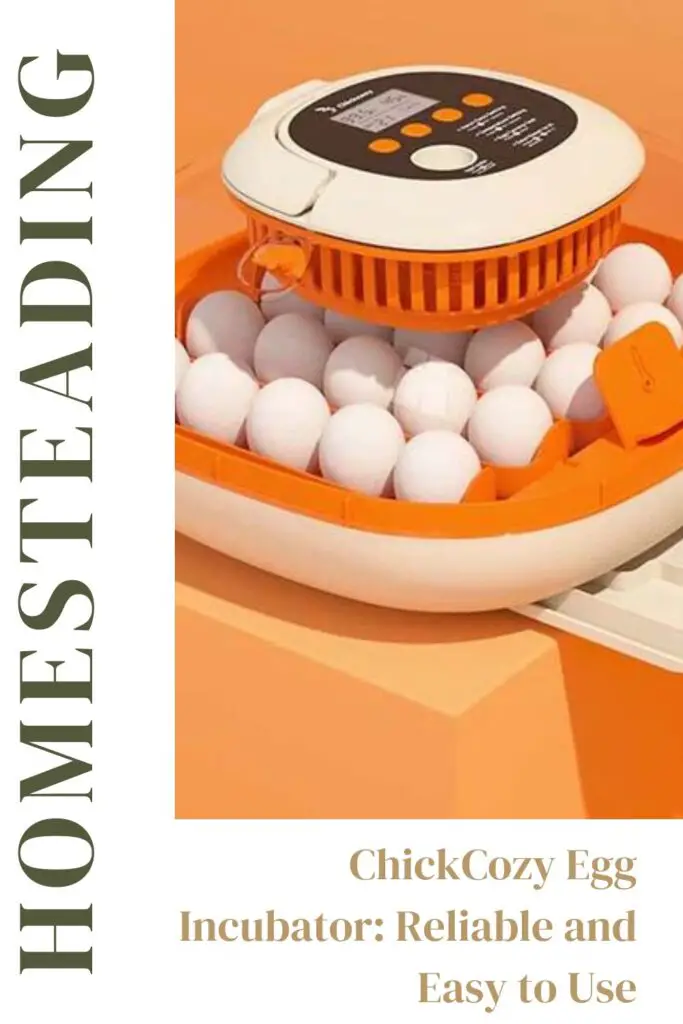
We set 10 chicken eggs in the incubator. The automatic egg turner handled the daily turning, and the precise temperature control kept the environment steady. The built-in candler was more useful than I expected. We usually use a flashlight-style candler, but the incubator candler worked better for this batch and made it easier to check progress without fumbling around.
We candled on day 7 and found that two eggs were not developing. They appeared to be infertile, which surprised me because we have several roosters. That is a good reminder that having roosters does not guarantee every egg is fertile. Candling early keeps you from carrying clear eggs through the entire hatch and gives you a better picture of how the incubator is really performing.
Humidity stayed steady throughout the hatch. That was the part I was most pleased with. Maintaining humidity is usually the thing that makes small-batch hatching stressful. Too low and chicks can struggle at hatch. Too high and eggs may not lose moisture properly. The Chickcozy design made that job much easier than other setups I have used.
For general incubation guidance, Utah State University Extension notes that most poultry species need temperatures close to 99.5 degrees Fahrenheit and that humidity is increased during the final three days so membranes stay pliable during hatch. Their hatching and caring for chicks resource is a helpful noncommercial reference to keep handy.
Lockdown and Hatch Day
Lockdown is when small design choices really matter. On lockdown day, we removed the rotating trays quickly. The lid only needed to be open for a very short time, which helped protect humidity and temperature. That matters because the last few days are not the time to keep opening the incubator to peek.
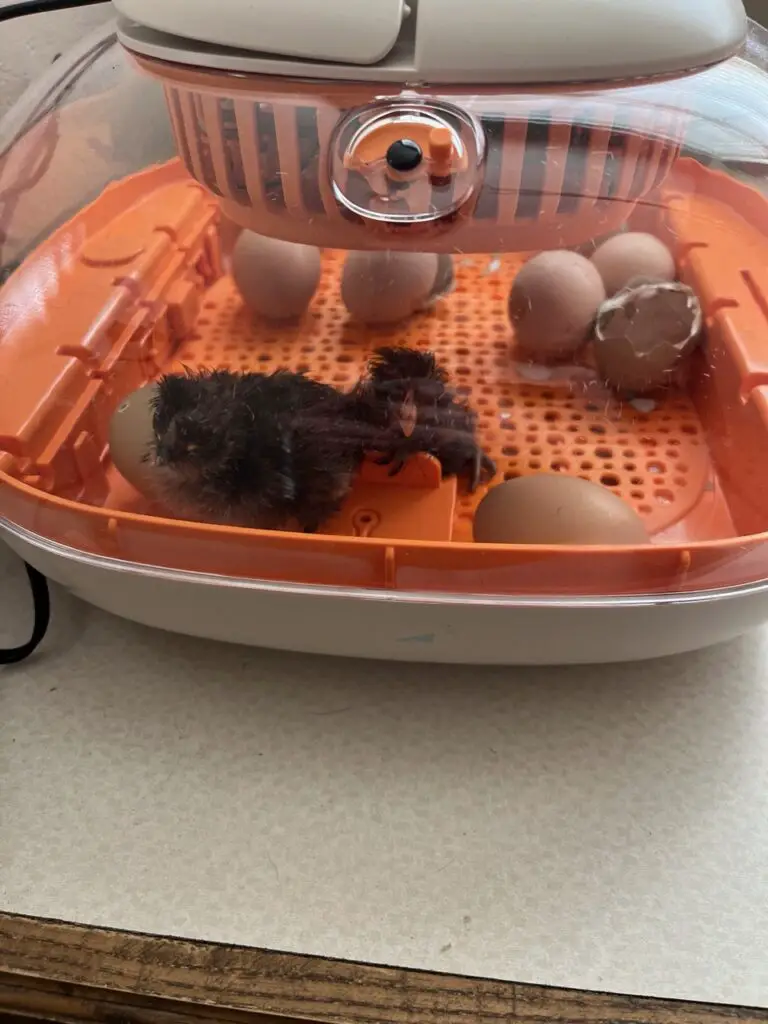
After 21 days, we had 7 healthy chicks hatch. The other three eggs were two infertile eggs and one underdeveloped egg. I would not count those as a failure of the incubator. Infertile eggs cannot hatch, and some embryo loss happens even when the equipment is working correctly.
The chicks were lively and strong after hatch. A week later, they were still doing well and growing quickly. That is the result I care about most. A hatch is not just about the number of chicks that pip. It is about whether the incubator gives them a stable environment all the way through hatch so they come out strong enough to thrive in the brooder.
Ease of Use for Homesteaders
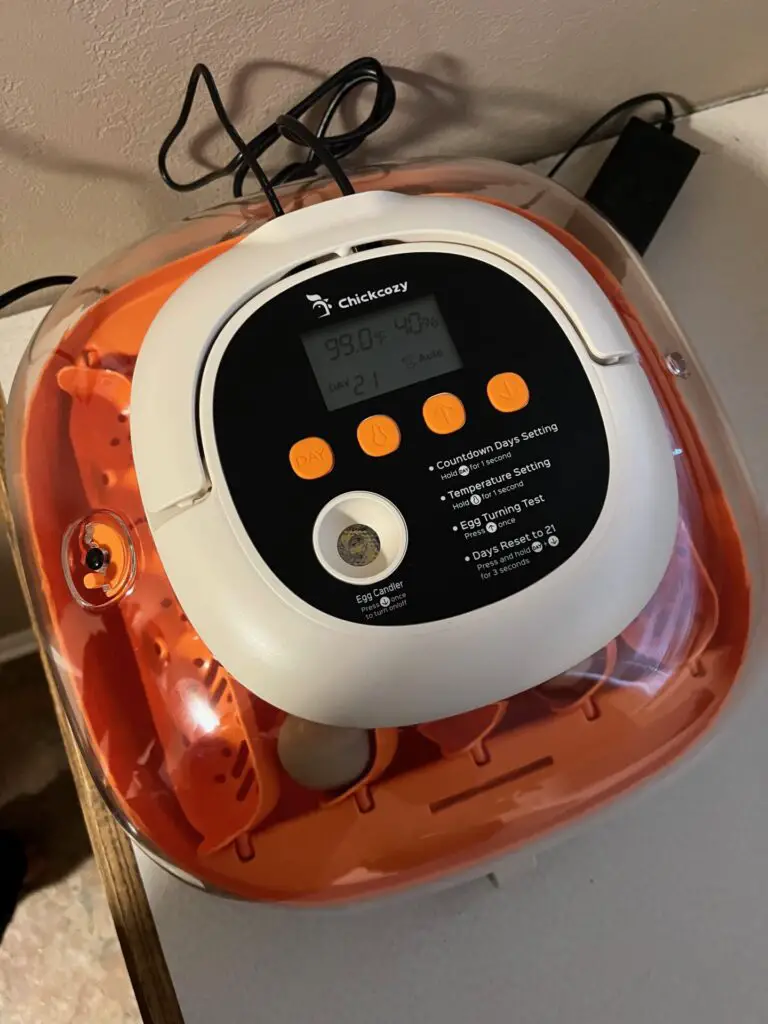
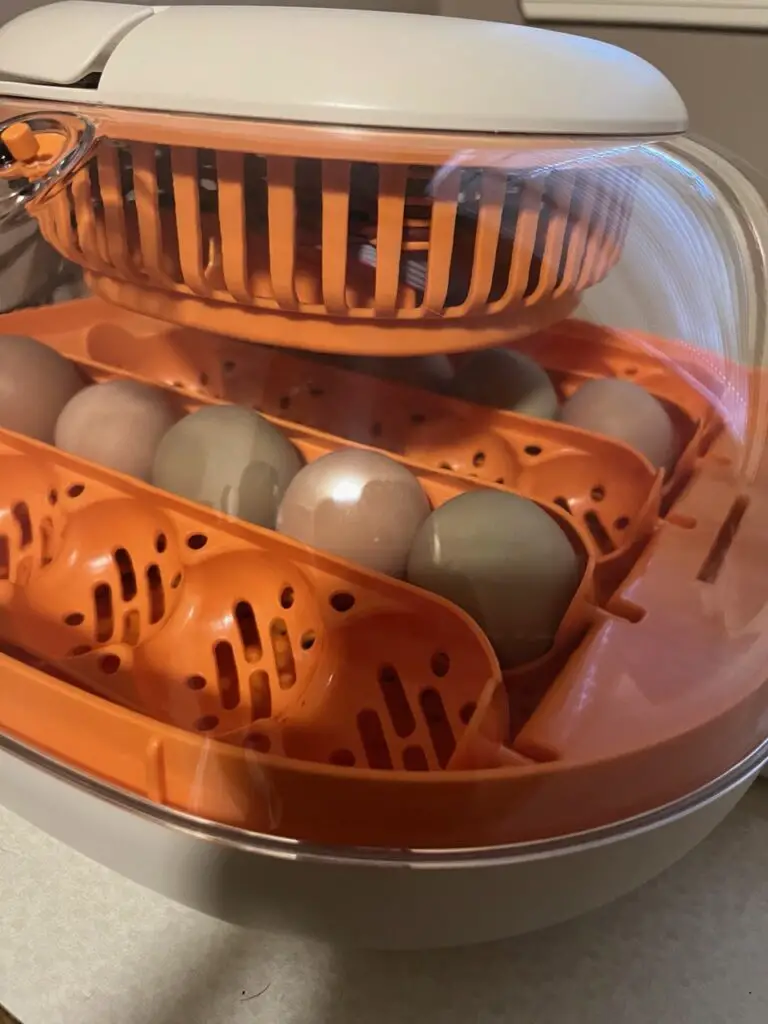
The Chickcozy incubator is beginner-friendly without feeling flimsy. The automatic turner reduces daily handling. The candler helps you make better decisions. The water drawer makes humidity management less annoying. The large interior and commercial-grade egg holders keep eggs positioned securely, and the non-slip mat helps prevent shifting.
Chickcozy lists the model as a 25 chicken egg capacity incubator with an automatic egg turner, candler, 0 to 99 day countdown range, 70 to 120 degree Fahrenheit temperature range, and a 2-year warranty. For a small homestead, that capacity makes sense. It is large enough for a useful hatch but not so large that you feel pressured to run more eggs than you can brood.
We were also testing quail eggs after the first chicken hatch, and we planned to test guinea and duck eggs too. If you are interested in smaller poultry, our best incubators for quail eggs guide is a useful companion because quail hatches have different timing and handling needs.
Cleaning and Maintenance
Cleaning between hatches is not optional. Warm, humid incubators can become a problem fast if old shell pieces, chick fluff, and hatch residue are left behind. The Chickcozy interior uses smooth materials that are easy to wipe down, and the removable parts make cleanup straightforward.
After our first hatch, preparing the incubator for the next round was simple. The egg trays and non-slip mat came out easily, and the interior did not have awkward corners that trapped debris. I still recommend cleaning carefully between every hatch and letting everything dry fully before storing or reloading the incubator.
Who This Incubator Is Best For
This incubator makes sense for backyard chicken keepers, 4-H families, small homesteads, and anyone who wants a controlled hatch without jumping straight into cabinet incubator territory. It is especially useful if humidity has been your weak spot in the past.
It is not a magic fix for poor egg handling, dirty eggs, weak breeding stock, or brooder problems after hatch. You still need fertile eggs, steady room conditions, clean equipment, and a warm brooder ready before hatch day. If you are just building your first flock, read our 12 essential steps to raising backyard chickens before you plan a hatch.
Final Verdict
The Chickcozy egg incubator earned its place in our hatching setup. It was easy to assemble, simple to manage, and strong on humidity control. The automatic turner and built-in candler removed two common sources of hassle. Most importantly, it produced 7 healthy chicks from our first 10 eggs, with two of the failures explained by infertility.
For a small homestead that wants a reliable chicken egg incubator without a complicated setup, this is a practical option. I would still keep written hatch notes, candle on schedule, and prepare the brooder early, but the incubator itself did the job we needed it to do.
Frequently Asked Questions About Chickcozy Egg Incubator Review: What Happened in Our First Hatch
How many eggs did you hatch in the Chickcozy incubator?
We set 10 chicken eggs and hatched 7 healthy chicks. Two eggs were infertile and one stopped developing.
How often did the water tray need refilling?
In our setup, the water tray needed refilling about every 2 to 3 days.
Was the built-in candler useful?
Yes. It worked better than our usual flashlight-style candler for this hatch and made day 7 checks easier.
Is this a good incubator for beginners?
Yes. The setup was quick, the automatic turner reduced daily handling, and the water drawer made humidity easier to manage.
Does an incubator guarantee a perfect hatch?
No. Fertility, egg storage, sanitation, temperature, humidity, turning, and chick development all affect results.