
Natural cleaning products can make a home-cleaning routine simpler, cheaper, and easier to control. A few basic ingredients can handle everyday wiping, deodorizing, light scrubbing, glass cleaning, and general freshening without filling a cabinet with half-used specialty bottles. The trick is knowing what homemade cleaners can do well, what they should not be asked to do, and which surfaces need extra care.
Natural does not automatically mean safe for every surface, every person, or every job. Vinegar can damage some stone. Too much water can harm wood. Essential oils can irritate people and pets. Homemade cleaning products are usually best for routine cleaning, not for situations that require registered disinfectants.
A good homestead cleaning shelf does not need to be complicated. Start with white vinegar, baking soda, liquid castile or dish soap, hydrogen peroxide, rubbing alcohol for specific uses, lemon, microfiber cloths, scrub brushes, labeled spray bottles, and a cleaning caddy. Build from there only if you actually use what you make.
Key Takeaways
Why Make Natural Cleaning Products?
The biggest benefit is control. When you make your own cleaner, you know what is in the bottle. You can keep scents lighter, avoid products that bother your skin or lungs, and reduce the number of single-purpose bottles under the sink.
Homemade cleaners are also practical. Vinegar, baking soda, soap, and water are inexpensive and widely available. You can refill the same spray bottles instead of buying a new bottle for every task. There is also a simplicity benefit: a basic cleaner that gets used is better than a cupboard full of products you forget you own. If you are using this as part of a larger home reset, make the cleaners first and then work through the spring cleaning checklist room by room.
Cleaning vs. Disinfecting
Cleaning removes dirt, grease, residue, dust, and many germs from a surface. Disinfecting uses a product or process intended to kill specific germs. Those are not the same job. Most homemade natural cleaning products are cleaning products — useful for counters, sinks, sticky spots, dust, glass, soap residue, light mineral deposits, and everyday grime. They are not a substitute for a properly used disinfectant when someone has been sick, raw meat juices have touched a surface, sewage is involved, or a public-health level disinfecting job is needed.
If you want commercially made products with safer ingredient profiles, the EPA’s Safer Choice program is a good outside resource for finding products that perform and use ingredients designed to be safer for human health and the environment.
Basic Supplies
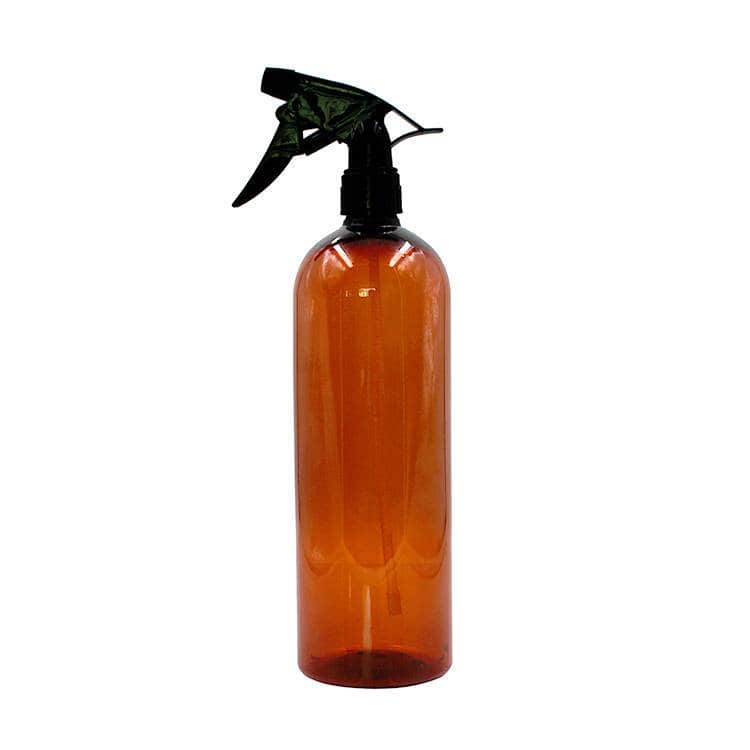
Keep the tool kit simple:
- Glass or heavy-duty plastic spray bottles.
- Measuring cups and spoons.
- Funnel.
- Labels and waterproof marker.
- Microfiber cloths.
- Scrub brushes and old toothbrushes for detail work.
- Cleaning caddy.
- Gloves.
- Mason jars for dry mixes or cleaning wipes.
For ingredients, start with white vinegar, baking soda, liquid castile soap or mild dish soap, hydrogen peroxide, rubbing alcohol, lemon juice, salt, and water. Essential oils are optional — they can make a cleaner smell pleasant, but they are not necessary for the cleaner to work.
Safety Rules Before You Mix Anything
Label every bottle. Include the ingredients and date. Homemade cleaners do not come with manufacturer labels, so you need your own.
Never mix bleach with vinegar, ammonia, rubbing alcohol, or mystery cleaners. If you use bleach in your home, keep it separate from DIY cleaner bottles and use it only according to label directions.
Do not combine vinegar and hydrogen peroxide in the same bottle. They can be used separately in some cleaning routines, but they should not be stored as one mixture.
Patch test surfaces before spraying widely. This matters for stone counters, hardwood floors, sealed wood, painted furniture, antique finishes, stainless steel, and any surface with a manufacturer care guide.
Keep homemade cleaners out of reach of children and pets. Natural ingredients can still irritate skin, eyes, lungs, and stomachs.
Homemade All Purpose Cleaner
This is the everyday bottle for counters, sinks, appliance exteriors, washable shelves, and quick wipe-downs.
- 2 cups water
- 1/2 cup white vinegar
- 1 teaspoon liquid castile soap or mild dish soap
- Optional: a few drops of lemon or lavender essential oil
Add water to the bottle first, then vinegar, then soap. Shake gently. Spray lightly and wipe with a clean cloth.
Do not use this vinegar cleaner on marble, granite, limestone, unsealed grout, waxed wood, or surfaces that should not have acid. For those, use a pH-neutral cleaner recommended for the surface.
Gentle Soap Cleaner
For surfaces where vinegar is not a good fit, use a soap-based cleaner.
- 2 cups warm water
- 1 teaspoon liquid castile soap or mild dish soap
Mix in a spray bottle or bowl. Wipe with a damp cloth, then follow with a clean damp cloth if the surface feels soapy. Dry when needed. This is useful for many painted surfaces, some sealed counters, cabinet doors, and general dust-grime jobs. Always patch test first.
Vinegar Glass Cleaner
For a deeper glass routine, use the full guide to cleaning windows, mirrors, and glass naturally. For a basic bottle, keep it simple.
- 2 cups water
- 1/4 cup white vinegar
- 1 small drop liquid dish soap
Mix in a spray bottle. Spray lightly on glass and wipe with a clean microfiber cloth. Buff with a dry cloth to reduce streaks. Avoid using too much soap — a tiny amount helps cut residue, but too much leaves film.
Baking Soda Scrub
Baking soda is useful for sinks, tubs, stovetop residue, and sticky spots that need gentle abrasion.
- 1/2 cup baking soda
- Enough water or liquid soap to make a paste
Stir into a paste. Apply with a cloth or sponge. Scrub gently, then rinse well. Do not use on surfaces that scratch easily without testing. For extra deodorizing, sprinkle dry baking soda in sinks or trash cans, let it sit briefly, then scrub or wipe away.
Lemon Salt Scrub
This is best for non-delicate tasks like stained cutting boards or rough hand cleanup after garden work.
- 1/2 cup coarse salt
- 1 tablespoon lemon juice
- 1 tablespoon olive oil, only for hands, not food-prep surfaces
For cutting boards, use salt and lemon only, scrub, rinse, and dry. For hands, mix salt, lemon zest or juice, and a little oil, then rinse thoroughly. Do not use lemon on stone counters.
Hydrogen Peroxide Cleaner
Hydrogen peroxide can help with some stains and bathroom grime, but store it in its original dark bottle when possible because light breaks it down. Do not mix it into large batches you plan to keep for weeks. Use it separately from vinegar. Spray or apply, let it sit briefly, and wipe according to the surface. Patch test fabrics and colored surfaces because it can lighten some materials.
What Not to Clean With Vinegar
Vinegar is useful, but it is not universal. Avoid it on natural stone such as marble, granite, limestone, and travertine. Avoid it on waxed wood, some hardwood finishes, cast iron, and electronics. Do not use vinegar where the manufacturer specifically says not to.
For floors, follow the surface instead of the cleaning trend. Hardwood needs a different routine than tile, laminate, vinyl, or concrete. If your spring reset includes wood floors, use the best ways to clean and maintain hardwood floors before spraying anything homemade across the room.
Essential Oil Notes
Essential oils are not required. If you use them, use a light hand and choose oils carefully. Some oils are not appropriate around pets, young children, pregnant people, or people with asthma or scent sensitivity. A cleaner can work perfectly well without scent.
If you do add oils, label the bottle. Store away from heat and light. Shake before using. Stop using a scent if it causes headaches, coughing, skin irritation, or pet avoidance.
Storage and Shelf Life
Make small batches. Homemade cleaners do not have the same preservatives as commercial products. Water-based mixtures are best made in amounts you will use within a few weeks. If a bottle smells odd, changes color, grows visible material, or you cannot remember what is inside, dump it safely and wash the bottle.
Store bottles out of direct sun. Keep ingredients and finished cleaners away from food, animal feed, and children. Use waterproof labels so the writing does not disappear after the first wet-handed cleaning session.
Recommended Supplies
A few tools make these recipes easier to keep up with: refillable spray bottles, unscented liquid castile soap, waterproof labels for cleaning bottles, and microfiber cleaning cloths.
[LASSO BLOCK NEEDED: Refillable spray bottles (glass or heavy-duty plastic) – https://www.amazon.com/s?k=refillable+spray+bottles+for+cleaning&tag=writingdete04-20]
[LASSO BLOCK NEEDED: Unscented liquid castile soap – https://www.amazon.com/s?k=unscented+liquid+castile+soap&tag=writingdete04-20]
Frequently Asked Questions About Natural Cleaning Products
Are natural cleaning products disinfectants?
Usually, no. Most homemade natural cleaners are for routine cleaning, not registered disinfection. Use the right disinfectant when illness, raw meat, sewage, or high-risk germs are involved.
Can I mix vinegar and baking soda in a bottle?
It is not useful as a stored cleaner. Vinegar and baking soda react and neutralize each other. Use baking soda as a scrub and vinegar separately when appropriate.
Can I use vinegar on all surfaces?
No. Avoid vinegar on natural stone, waxed wood, some hardwood finishes, cast iron, electronics, and any surface whose care guide warns against acidic cleaners.
Do I need essential oils?
No. Essential oils are optional for scent. Use them carefully and skip them if anyone in the home is sensitive to fragrance or if you have pets that may be affected.
How long do homemade cleaners last?
Make small batches and use water-based cleaners within a few weeks. Discard anything that smells odd, changes color, or is unlabeled.