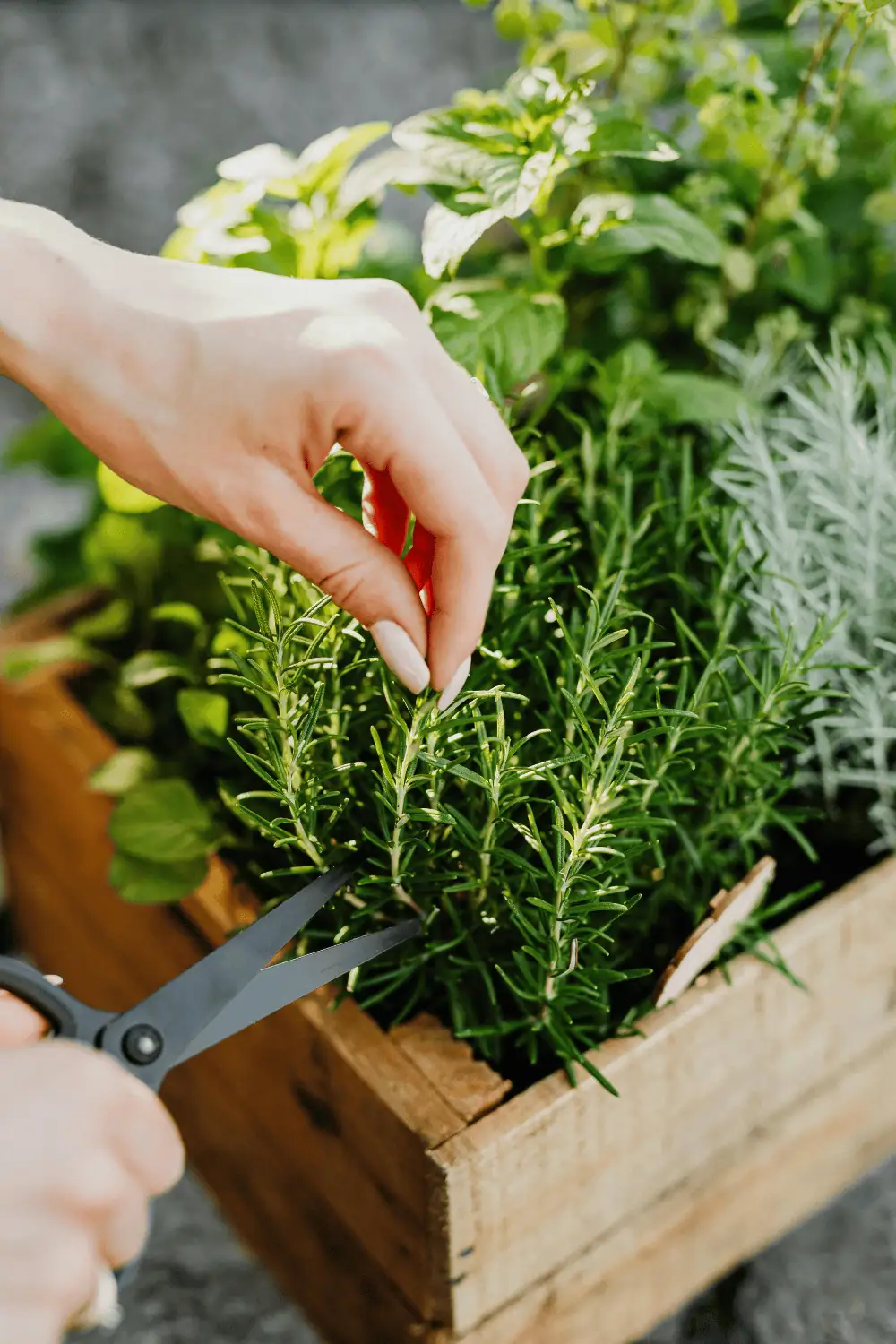
Growing fresh herbs indoors through winter brings a small piece of summer into the house when the garden rests under cold air and short days. The work is simple, but the reward feels steady. A handful of green leaves in a skillet changes the whole mood of a meal. When the outdoor beds freeze, an indoor herb setup becomes a small comfort that carries the season.
People often assume herbs cannot thrive inside. They picture spindly stems leaning toward a dim window. With the right light and steady care, herbs grow well indoors and stay productive long after the first frost. The process is practical, forgiving, and easy to fold into the rhythm of daily cooking.
Why growing fresh herbs indoors through winter makes sense for busy households
Winter cooking relies on flavor. Soups, stews, roasts, and casseroles all benefit from fresh herbs. The dried jars in the pantry help, but they do not give the same bright lift. When a pot of beans tastes flat, a little basil or thyme wakes it up.
Growing fresh herbs indoors through winter keeps those flavors close at hand. There is no need to run to the store for a small plastic box of wilted sprigs. You reach for the plant instead.
Indoor herb gardening also adds a small routine to the season. Watering the pots, trimming a few stems, and checking new growth reminds you that something is still alive and working quietly through the cold months.
Choosing herbs that adapt well to indoor life
Some herbs settle indoors with very little fuss. Others prefer more space or sunlight than a windowsill can provide. The best herbs for an indoor winter setup include:
Basil
Basil grows fast with warmth and steady light. It prefers bright windows or a grow light placed close to the plant. Pinch new growth often to keep it full.

Thyme
Thyme stays compact and sturdy. It tolerates cooler rooms and does not mind soil that dries out between waterings.

Parsley
Parsley grows slowly at first but becomes reliable. It handles winter conditions well when given enough light.

Mint
Mint adapts to indoor life with almost no complaints. It spreads easily, so give it its own pot.

Chives
Chives send up fresh blades even in low light. They provide dependable flavor all winter.

Oregano
Oregano prefers bright conditions, but it settles nicely indoors when trimmed regularly.

Pick two or three if space is limited. Small collections perform better than crowded shelves.
Finding the right place for winter herbs
Location decides whether herbs thrive or fade. The goal is to mimic the conditions they love outdoors. Most herbs need bright, indirect light for several hours a day. South or east facing windows usually offer the best conditions.
If the window feels cold to the touch, pull the pot slightly away from the glass. Herbs do not enjoy drafts, and winter windows can leak cold air.
Some homes lack sunny windows, especially during short winter days. A small grow light solves that problem. Modern grow lights fit easily on countertops or shelves. They use little energy and provide consistent light that herbs respond to quickly. Place the light close to the plants so the stems stay upright.
If you use a grow light, turn it on in the morning and off in the evening. Twelve to fourteen hours of light works for most herbs during the winter season.

Choosing containers that support healthy roots
Indoor herbs need stable pots with drainage holes. Roots that sit in water stop growing. Clay pots work well because they allow soil to breathe, but any container with proper drainage will do.
Pick pots slightly larger than the herb’s root ball. Small pots dry quickly. Oversized pots hold too much moisture. A middle size gives herbs the support they need without overwhelming them.
Place a saucer under each pot to protect surfaces. Moisture collects fast in winter when the furnace runs often.
for Plants, Large Terra Cotta Plant Pot with Drainage Hole, Flowerpot for Indoor Outdoor Plants, Crafts

Soil that keeps moisture steady without holding too much
Use a light potting mix designed for container herbs or vegetables. These mixes drain well while still holding enough moisture for roots to stay hydrated. Garden soil, even from raised beds, compacts indoors and prevents airflow.
A good potting mix also reduces the risk of pests. Indoor pests find compacted soil more inviting. Loose soil and drainage make the environment less appealing.
If the home is naturally dry in winter, add a thin layer of mulch on top of the soil. A handful of dried leaves or a scattering of straw works well. The mulch slows evaporation and helps keep soil moisture steady.

Watering herbs correctly during winter
Most indoor herbs fail because of improper watering. Winter watering needs more attention than summer watering because light and temperature change how quickly soil dries.
Check the soil with your fingers. If the top inch feels dry, water slowly until excess moisture runs into the saucer. Empty the saucer after a few minutes so roots do not sit in water.
Basil prefers more frequent watering. Thyme and oregano prefer soil that dries slightly between waterings. Mint sits comfortably in the middle.
The goal is consistency. Steady conditions lead to steady growth.
Managing temperature and humidity inside the home
Herbs enjoy temperatures between sixty five and seventy five degrees. They tolerate brief cooler periods, but long cold spells slow growth. Keep herbs away from heaters, vents, and drafty doors.
Homes often feel dry in winter. Dry air stresses herbs, especially basil and parsley. A small tray filled with pebbles and water helps with humidity. Set the pots on the pebbles so the water evaporates around the leaves without soaking the soil.
If you cook often, steam from pots and pans naturally raises humidity. Kitchen ledges become reliable spots for indoor herbs because of this.
Feeding herbs without overstimulating winter growth
Indoor herbs benefit from gentle feeding. Too much fertilizer creates fast, weak growth. Use a diluted liquid fertilizer once a month. Herbs grown for flavor perform better with modest feeding.
If leaves turn pale, they may need a small nutrient boost. If the stems grow tall and thin, they need more light. Indoor gardening becomes easier when you read the plants rather than follow a strict schedule.
Harvesting herbs in a way that keeps plants growing
Harvesting herbs correctly matters as much as watering.
Trim the tips rather than cutting whole stems at the base. This encourages branching and keeps plants compact. Basil responds especially well to regular trimming. Parsley and oregano benefit from harvesting outer leaves first so the center continues to produce new growth.
Do not wait for the plant to become leggy. Frequent small harvests create healthier herbs.
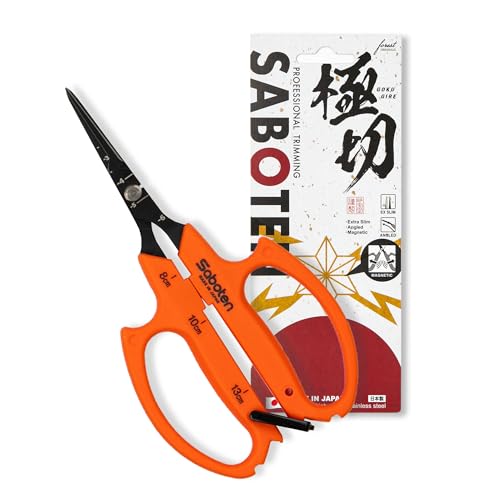
A handful of chives can be cut with scissors. They grow back quickly.
Fine-Tipped Angled Blade, Magnetic Springless Action, Stainless Steel with Fluorine Coating, Ergonomic Grip - forest Originals, Made in Japan
Troubleshooting common winter herb problems
Indoor herbs sometimes show signs of stress. Common issues include:
Yellowing leaves
Often caused by overwatering or poor drainage.
Thin growth that leans toward the window
A sign of insufficient light. Move the pot closer to the window or add a grow light.
Dry tips
Usually caused by low humidity or too much heat.
Lack of new growth
Plants may need more light or a light feeding.
These issues sound simple, but winter herbs respond quickly once the environment improves.
Combining herbs for small indoor spaces
If space is limited, a small herb shelf or windowsill garden works well. Group herbs with similar watering needs. Basil and parsley pair well. Thyme and oregano prefer the same rhythm. Mint prefers its own pot because it spreads, even indoors.
A narrow shelf with a grow light mounted above it creates a miniature garden that stays productive through the entire winter.
Some people place herbs on a kitchen cart near a bright window. The cart rolls easily if the light changes throughout the day.
Bringing herbs into everyday cooking
Fresh herbs change how winter food tastes. A spoonful of chopped parsley on roasted vegetables brightens the whole plate. Chives stirred into scrambled eggs add something soft and green on mornings when the world outside feels still.
Basil makes simple pasta feel like summer. Thyme works in slow cooked meals like Wild Rice and Chicken Soup that carry the house through cold evenings.
Growing fresh herbs indoors through winter means these flavors remain within reach. The work becomes part of the season’s rhythm.
Keeping herbs healthy until spring returns
Once days grow longer, herbs respond naturally. They send out new growth at a faster pace. Some can be transplanted outdoors when danger of frost passes. Others remain indoors as permanent kitchen companions.
Winter herbs give a sense of continuity when garden beds rest. A small shelf of green leaves by the window helps the season feel manageable. Even on cold days, there is something growing and reaching for the light.