
Most advice about sustainability feels like an all-or-nothing proposition. You are either a person who fits a year of trash into a single mason jar or you are part of the problem. That mindset is exhausting and usually leads to people giving up before they even start. You can learn how to reduce kitchen waste without going zero-waste by focusing on small, repeatable shifts in how you buy, store, and discard your food. It is not about being perfect; it is about making your kitchen run more efficiently so less of your money ends up in the landfill.
The biggest source of waste in most homes is food that simply goes bad before anyone eats it. We often go to the grocery store with high aspirations, buying bags of kale and bulk containers of berries without a clear plan for when they will be consumed. By the time Thursday rolls around, that kale is a bag of green slime in the back of the crisper drawer. Reducing waste starts at the store, not at the trash can.

Master the art of the inventory
Before you head to the store, take five minutes to look at what you already have. Check the back of the pantry and the bottom of the freezer. Most of us have enough dry goods and frozen protein to get through several days without buying anything new. When you shop your own kitchen first, you avoid buying a third jar of cumin or another bag of frozen peas that you didn’t need.
Once you know what is actually in the house, make a list for the gaps. Stick to that list. Grocery stores are designed to encourage impulse buys, and those impulse buys are often the first things to go bad because they don’t fit into your planned meals. If you didn’t plan to cook a head of cauliflower, there is a high probability it will sit in the fridge until it turns grey.
How to reduce kitchen waste without going zero-waste through better storage
Proper storage is the difference between a head of lettuce lasting three days or two weeks. Most people leave their produce in the plastic bags from the grocery store, which traps moisture and accelerates rot. Take the extra minute to prep your groceries when you get home. Wrap leafy greens in a damp paper towel and store them in a container, or put your herbs in a glass of water like a bouquet of flowers.
Your freezer is your best tool for waste reduction. If you see that a loaf of bread is starting to get dry, slice it and freeze it for toast. If you have half a jar of tomato paste left, freeze it in tablespoon-sized dollops on a parchment sheet. These small saves add up over a month. You aren’t aiming for a trash free life; you are just trying to make sure the food you paid for actually serves its purpose.
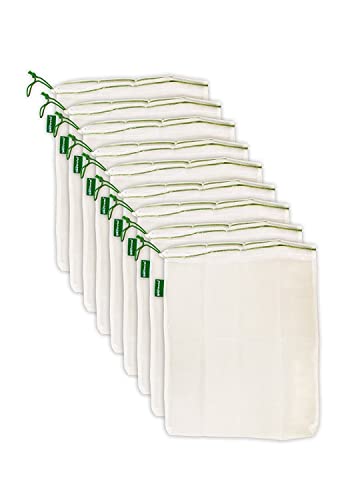
Washable Set of 9 Premium Bags, TRANSPARENT Lightweight, Strong SEE-THROUGH Mesh for shopping, transporting and storing fruits and veggies.
Manage your scraps like a professional chef
Professional kitchens are incredibly efficient because they look at scraps as ingredients rather than garbage. Onion skins, carrot ends, and celery tops should go into a bag in your freezer. Once that bag is full, boil the contents with some water and salt to make a better vegetable stock than anything you can buy in a carton.
Even if you don’t want to make stock, you can rethink how you peel vegetables. Many people peel carrots and potatoes out of habit, but if you give them a good scrub, the skins are perfectly edible and contain most of the nutrients. This reduces the volume of your organic waste immediately and simplifies your prep work. If you must peel, try to keep the pieces small so they break down faster if you decide to start a basic compost pile.
Understanding the reality of expiration dates
There is a huge difference between a use by date and a best if used by date. Manufacturers often use these dates to indicate peak quality, not safety. Millions of gallons of perfectly good milk are poured down the drain every year because the date on the carton passed, even though the milk still smells and tastes fresh. Trust your senses. If it smells fine, looks fine, and tastes fine, it is probably fine.
Canned goods and dry pasta are often safe for months or even years past their printed dates. Use those dates as a general guideline for rotation, but don’t treat them as a hard deadline for disposal. Learning to evaluate food quality yourself is a vital skill when you are looking at how to reduce kitchen waste without going zero-waste. It prevents the knee-jerk reaction of tossing food that is still perfectly nutritious.
Setting up a low-stakes composting system
Composting sounds like a massive project involving expensive bins and a lot of turning, but it can be much simpler. If you have even a small outdoor space, a basic pile in the corner for fruit and vegetable scraps will reduce your trash volume by a significant percentage. You don’t have to be a master gardener to do this. You are just letting nature take its course on the organic material that would otherwise be trapped in a plastic bag at the dump.
If you live in an apartment, look for a local compost drop off. Many farmers markets or community gardens have bins where you can bring your frozen scraps once a week. This keeps the smell out of your kitchen and ensures that your food waste turns back into soil rather than methane gas. It is a middle ground that fits into a busy lifestyle without requiring you to manage a worm farm in your closet.

Rethinking your cleaning supplies
The kitchen generates a lot of non-food waste too. Paper towels are a major contributor to the bin. You don’t have to give them up entirely to make an impact. Keep a stack of old rags or microfiber cloths on the counter for wiping up spills and cleaning surfaces. Save the paper towels for the truly gross jobs, like cleaning up bacon grease or pet messes. You will find that a single roll lasts four times longer when it isn’t your primary tool for every crumb.
Buying in bulk can also help, provided you are buying things that don’t spoil. Dish soap, all-purpose cleaners, and dry grains are great candidates for bulk purchases because they use less packaging per ounce. Instead of buying a new plastic spray bottle every month, buy one sturdy glass bottle and refill it from a larger concentrate or make your own. It is a small shift that reduces the amount of high-density plastic entering your home.

Organizing the fridge for visibility
The phrase out of sight, out of mind is the enemy of a low-waste kitchen. Most refrigerators have a dead zone in the back where leftovers go to die. Implement a first in, first out system. When you put away new groceries, move the older items to the front. This forces you to see the leftover pasta or the half used cucumber every time you open the door.
Designate a specific shelf as the eat me first zone. This is where you put anything that is nearing its end or needs to be used up within the next 24 hours. When you are looking for a snack or a quick lunch, check that shelf first. It takes the guesswork out of mealtime and ensures that nothing gets lost in the shadows of the bottom drawer.
Making peace with imperfection
You will still have days where a bag of spinach turns into a puddle or you forget about a container of leftovers in the back of the fridge. That is okay. The goal of figuring out how to reduce kitchen waste without going zero-waste is to create a sustainable habit, not a source of guilt. Every time you choose to use an onion scrap for stock or freeze a brown banana for a smoothie, you are winning.
Focus on the high-impact areas first, like meat and dairy, which have a much higher environmental cost to produce than vegetables. If you can keep your expensive proteins out of the trash, you are already ahead of the curve. Over time, these small actions become second nature, and you will notice that your trash bag feels a lot lighter and your grocery budget goes a lot further.