
Preparing livestock guardian dogs for winter always starts earlier than you expect. Cold weather slips in while you are still dealing with fall chores, and suddenly the dogs you rely on for so much are working in darker mornings, colder nights, and unpredictable storms. I have learned that these months go more smoothly when you make small changes before the temperature drops. A few steady adjustments can keep them healthy, alert, and capable through winter.

Winter Changes the Work for Guardian Dogs
Preparing livestock guardian dogs for winter has less to do with surviving extreme cold and more to do with supporting dogs who stay outside by choice. These dogs rarely want to come inside. They want to see the animals, the fence line, and anything that moves through the pasture. Winter just increases their workload. Predators move differently. Nights come sooner. Livestock bunch together, which changes the way the dogs patrol. This season puts pressure on their joints, their coats, and their endurance.
I have seen good guardian dogs refuse to quit even when the weather has pushed them to their limits. That is why their winter prep matters. It keeps them strong enough to do what they are bred to do.
Watching How Dogs Handle Temperature Changes
Every guardian dog handles the cold differently. I had one who grew a thick coat as soon as the first frost arrived. Another waited until December. One of the younger ones barely seemed to feel the cold until the wind picked up.
Paying attention to these differences helps you spot what each dog needs. A dog with a slow coat change might need a little more calories for a few weeks. A dog who lies flat in the snow like it is nothing probably has enough insulation but may need extra joint support later in the winter. These observations keep you ahead of problems.
Choosing the Right Shelter For Winter Work
A livestock guardian dog does not want a cozy bed inside your mudroom. They want a place to stay dry, a spot to get out of the wind, and enough space to turn around without feeling trapped. Our dogs usually stay in the barn.
A simple three sided structure works for most homesteads. The opening should face away from prevailing winds. The floor should be raised enough to avoid rain and snow accumulation. I add straw and check it weekly. Straw breaks down and holds moisture, so it should be replaced whenever the dogs flatten it too much.
Some people use insulated dog houses. That works if the dog will use it. Many do not. They prefer open structures that let them scan the pasture. If your dog has never used a traditional dog house, winter is not the time to force it.
With Removable Roof for Indoor & Outdoor Use - Spacious (42.8" L x 33" W x 31.5" H) Classic Black

Bedding That Holds Up Through the Season
Straw is practical in winter because it dries fast and gives the dogs something to shape into a nest. Shavings trap moisture. Blankets turn into frozen blocks that smell like wet wool. Old rugs soak through in one storm.
Straw is simple, inexpensive, and easy to replace. When you put fresh straw down, the dogs usually circle it a few times and settle right into it. This tells you everything you need to know about what they prefer.
Feeding Patterns That Support Heavy Winter Work
Guardian dogs burn more calories in winter. The cold is one reason. The second reason is that their job changes. They move more at night. They check fences more often. They listen for coyotes that stay closer to livestock during the cold months.
You can support them by increasing their food slightly. I start with fifteen percent more than their fall ration and adjust based on body condition. A dog who feels bony under the coat needs more. A dog who feels solid but still lean is usually fine.
Rich foods like raw meaty bones can help maintain weight. Some people add a small amount of rendered fat to meals for extra fuel. Keep changes gradual. Sudden shifts can upset their stomach during a season when they already work harder than usual.
Hydration Needs Even When Water Freezes
People sometimes assume dogs drink less in winter. I have seen the opposite. Cold air dries them out. Long nights make them restless. They lap up more water on the unusual warm days between freezes. The tricky part is keeping that water accessible.
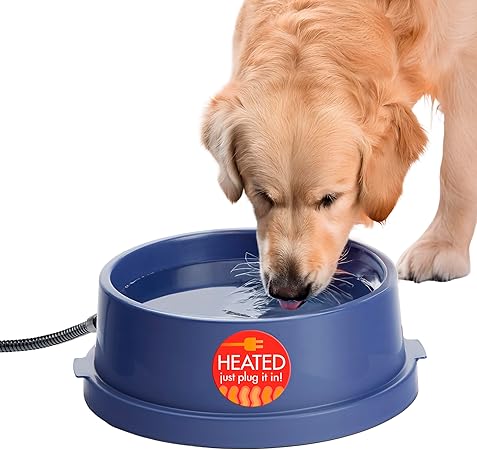
Check buckets twice a day. Heated buckets help, but dogs have a talent for knocking cords loose. If you use a heated trough, keep the water level consistent. Dogs lean on those edges more than you think, and a low water level invites cracking.
A steady routine is all they need. Fresh water so they do not spend the night licking ice.
Safety Listed Outdoor Heated Dog Dish for Pets, Automatic No Freeze, Anti Chewy Cord - 96 Ounces Blue 25W
Protecting Paws From Ice and Rough Ground
Winter hardens the soil. Frozen ground has a sharpness that catches you by surprise. Dogs feel it too. Some handle it fine. Others get cracks between the pads. Those cracks lead to limping, infections, and long healing times.
A simple paw balm can help. You do not need anything fancy. A thick layer on each pad once a week keeps them from drying out. Check paws when you feed. If you see a cut, clean it with warm water and keep the dog in a smaller run for a day while it heals. Most heal fast when caught early.
Supporting Joints and Muscles During Winter Patrols
Older guardians feel winter more than younger dogs. Cold settles in their hips. Stiff mornings slow their first round around the pasture. I give joint support year round, but I increase it slightly in winter. Glucosamine blends work well. Omega oils help with joint comfort and coat health.
If you have a senior guardian, give them a sheltered place near the herd so they can stay close to their work without walking the entire property every night. They still feel responsible for the animals even if their body cannot keep the same pace.
Coat Care That Works With Nature
A guardian dog’s double coat is built for winter. It holds warmth close to the body and pushes snow away from the skin. Their coat works best when you leave it alone. Brushing helps remove burrs and debris, but heavy grooming weakens the insulating layers.
Bathing should be rare in winter. If they roll in something terrible, use warm water in a sheltered area and dry them fully before they return to the pasture. A wet coat in freezing wind pulls heat away faster than you expect.
Preparing Livestock Guardian Dogs for Winter Through Training
Young guardians need training long before the first snow. Once winter arrives, everything gets harder to reinforce. Your voice carries differently in cold air. The dogs become more alert to sounds beyond the fence. Their focus shifts to threats instead of commands.
If you are still bringing up a pup, spend extra time in early winter practicing recalls, calm greetings, and boundary work. Short sessions help. They pick up more when they are not overwhelmed.
Older dogs already know what to do. They teach the younger ones as naturally as breathing.

Adjusting Pasture Layouts for Winter Work
Winter changes the way livestock move as a group. They huddle closer and stay near structures that block the wind. This shapes the dogs’ patrol patterns.
If you can shift fences or gates to create a tighter pasture near the barn, the dogs appreciate it. They can watch more animals with fewer steps. You get faster alerts because the herd stays within a smaller radius.
I walk the perimeter with each dog once in early winter. They notice changes before I do. A downed branch. A dip in the fence line. Tracks near the far corner. They take mental notes and adjust their patrols before night falls.
Dealing With Snow and Ice in Working Areas
Snow creates noise where there used to be silence. A guardian dog hears every crunch. They rely on it. Ice changes everything. A dog who sprints on icy ground risks injury.
Clear pathways when you can. The dogs will use them. They follow your tracks even when the pasture is wide open. If heavy snow is expected, walk a loop around the livestock early. That loop becomes the dogs’ route for the next several hours and keeps them from slipping on hidden ice.
Nighttime Patterns Shift in Winter
You will notice that your dogs check the same spots every night. Winter makes those patterns even more predictable. They follow the fence line, stop at the corners, pause before the barn, scan the tree line, and settle for a moment near the herd. Then they repeat it.
These routines are comforting. When something breaks the pattern, you know immediately that something moved through the pasture or along the outer fence. Winter sharpens your awareness because the dogs sharpen theirs.
Recognizing When a Guardian Dog Needs a Break
Even the toughest guardian needs rest. If you notice a dog lying down more than usual, staying near the gate instead of joining the group, or holding up a paw, give them a day in a smaller enclosure. Let them rest. Feed them well. Check them again in the morning.
A short break prevents a small problem from turning into something worse. Guardian dogs do not slow down willingly.
Working With Multiple Dogs During Cold Weather
If you keep more than one guardian, winter reveals how they divide the work. One stays close to the livestock. Another takes the outer perimeter. A third handles the midline. These assignments shift depending on weather, predators, and herd movement.
Pay attention to these natural roles. If one dog becomes ill or injured, the others need time to adjust. I always give extra food and attention during these changes. They feel the pressure and rise to it, but support makes the transition calmer.
Preparing Livestock Guardian Dogs for Winter Emergencies
Winter storms come with surprises. A tree falls across a fence. A drift hides a weak spot. Electricity goes out. A dog slips on ice. You cannot prevent every problem, but you can prepare for the ones that show up most often.
Keep extra straw in a dry location. Store a spare heated bucket. Have a backup bag of kibble on hand. Winter makes supply runs unpredictable, and guardian dogs do not wait politely for deliveries.
Check microchip information in case a dog wanders during a storm. They do not stray often, but whiteout conditions cause confusion even for experienced guardians.
Seasonal Health Checks
Winter hides health issues. Thick coats conceal weight loss. Snow muffles coughs. Cold masks lethargy. A hands on check once a week catches small concerns early. Run your hands along their spine. Check ribs. Look between toes. Watch how they stand up after resting.
If you notice something off, make a plan. Rural vets stay busy in winter. An early call prevents a long wait during a stressful time.
Letting Dogs Work the Way They Were Bred to Work
The best thing you can do for a livestock guardian dog in winter is give them the conditions they need to do the job they understand by instinct. They want to be outside. They want to watch the animals. They want to work.
Preparing livestock guardian dogs for winter gives them enough comfort and support to stay strong through the cold months without interfering with that work. It is a partnership. You handle the planning. They handle the rest.

Everyday Winter Routines That Make a Difference
Once your winter setup is in place, the daily routine becomes simple. Feed. Water. Check paws. Add straw. Walk the fence. Watch how the dogs move. These small tasks keep winter from becoming a problem.
The dogs watch you while you work. They notice if you change something. They adjust fast. Their confidence in your routine gives structure to their own.
Final Guidance For a Smooth Winter With Guardian Dogs
Preparing livestock guardian dogs for winter is not about big gestures. A few thoughtful choices give them everything they need: shelter that fits their working style, food that supports heavier workloads, regular checks to prevent injuries, and enough freedom to move the way their instincts tell them to move.
Winter can be long, but guardian dogs handle it with a steadiness that sets the tone for the entire farm. When they are supported, the whole homestead feels calmer.

