
Raising meat rabbits is often pitched as a way to get cheap protein in your backyard with very little effort. People see the fast gestation cycles and the high feed conversion ratios and assume it is a shortcut to a full freezer. While rabbits are efficient, the idea that they are free or even low-cost is a bit of a stretch when you actually sit down and track the numbers. You have to account for the infrastructure, the high-quality feed required for growth, and the significant amount of time you will spend on basic animal husbandry.

The Initial Investment for Raising Meat Rabbits
The first year is always the most expensive because you are building everything from scratch. You can find used cages on local marketplaces, but you run the risk of bringing home diseases like coccidiosis or snuffles if you do not sanitize them properly. Buying new wire cages or building your own hutches out of wood and hardware cloth is a safer bet. A standard three hole stacker unit can easily cost a few hundred dollars by the time you add the frame and the waste management system.
Breeding stock is another upfront cost that people underestimate. You might find a rabbit for twenty dollars at a local swap, but those animals often lack the genetics needed for efficient meat production. Buying pedigreed New Zealands or Californians from a reputable breeder might cost fifty to one hundred dollars per rabbit. It feels expensive at the time, but good genetics mean larger litters and faster grow out times. Better genetics usually translate to a lower cost per pound of meat in the long run.
Watering systems and feeders also add up quickly. Plastic crocks are cheap but rabbits love to flip them over or chew on them. Metal j-feeders are better because they hold more feed and stay attached to the cage. If you live in a climate where the water freezes, you will either be hauling fresh water three times a day or investing in heated base units or a recirculating water system. These small hardware choices are what determine whether your daily chores take ten minutes or an hour.
First Year Estimated Budget
| Expense Category | Initial Investment | Annual Recurring | Details |
| Breeding Stock | $150 – $300 | $0 | Based on 3 pedigreed rabbits. |
| Cages & Housing | $250 – $600 | $50 | Hutches, wire, and repair materials. |
| Feeding Supplies | $45 – $80 | $10 | J-feeders and water bottles/crocks. |
| Pelleted Feed | $0 | $400 – $600 | Based on current bag prices. |
| Hay & Supplements | $0 | $100 – $150 | Timothy/orchard grass and minerals. |
| Processing Tools | $120 – $200 | $40 | Knives, vacuum sealer, and bags. |
| Medical/Misc | $50 | $30 | Mite kits, electrolytes, and cleaners. |
| Total Estimate | $615 – $1,230 | $630 – $880 | Cost varies by region |
Feed Costs and Conversion Ratios
Feed is the biggest recurring expense when raising meat rabbits. Unlike chickens, which can forage for a good portion of their diet if they have enough space, rabbits need a consistent, high-protein pellet to reach butcher weight in eight to twelve weeks. A fifty-pound bag of quality rabbit pellets currently averages between eighteen and twenty-five dollars, depending on your location. A nursing doe with a large litter can easily go through a gallon of feed every day.
You might think you can offset these costs by feeding hay or garden scraps. While hay is necessary for digestion, it does not provide enough calories for a fast grow out. Garden scraps are a nice treat, but if you rely on them too heavily, your rabbits will take sixteen weeks to reach weight instead of ten. Those extra six weeks of feeding a large litter will cost you more than if you had just stuck to a high-quality pellet from the start.
Tracking your feed conversion ratio is the only way to know if you are actually saving money. In a perfect scenario, you want to see about four pounds of feed for every one pound of live weight. If your rabbits have poor genetics or if you are wasting feed on the ground through poorly designed feeders, that ratio can jump significantly. Every ounce of spilled feed is money that should have been in your freezer.
Housing and Climate Control Needs for Raising Meat Rabbits
The environment you provide for your rabbits directly impacts their health and growth rates. Rabbits handle the cold remarkably well, but heat is a silent killer. If your rabbitry gets too hot in the summer, your bucks will go sterile for weeks or months at a time. This creates a gap in your production schedule that keeps you feeding animals that aren’t producing anything.
To prevent this, you might need to invest in heavy duty fans, misting systems, or even a dedicated shed with insulation. Some people choose to raise their rabbits in colonies on the ground to take advantage of the earth’s natural cooling. While this saves money on cages, it increases the risk of parasites and makes it harder to track which doe is producing the best kits. It also makes it much more difficult to keep the area clean, which can lead to respiratory issues.
Maintenance is a hidden cost that many beginners overlook. Wire cages eventually rust or sag. Wood hutches get chewed or rot from exposure to urine. You should expect to spend about ten percent of your initial setup cost every year just on repairs and replacements. Keeping a clean environment requires a lot of white vinegar or specialized cleaners to break down the calcium buildup from rabbit urine on the cage floors.
Wooden Pet House Metal Frame with Rooms, Ramp, No Leak Tray, Feeding Trough, Waterproof Asphalt Roof for Rabbits

Medical Expenses and Loss
Most people do not take meat rabbits to the vet, but that doesn’t mean there are no medical costs. You need to keep a basic apothecary on hand for common issues like ear mites, sore hocks, or weaning enteritis. Medications like Ivermectin or various electrolytes and probiotics are essential to have before you actually need them. If a disease sweeps through your rabbitry because of a new addition or a lapse in biosecurity, you could lose your entire breeding colony in a matter of days.
Loss is a financial reality of any livestock operation. You will have does that kindle on the wire and lose the whole litter. You will have kits that fail to thrive for no apparent reason. Each lost kit represents the feed and time invested in the mother during her pregnancy. If you lose a breeding doe, you are out the cost of her replacement plus the months it takes to get that new doe up to breeding age. Experienced raisers usually factor in a ten to fifteen percent loss rate when calculating their final meat costs.
The Value of Your Time
Raising meat rabbits is a labor-intensive hobby. Daily chores include feeding, watering, and checking the health of every animal. Weekly chores involve cleaning out drop pans or raking manure from under the cages. Then there is the time spent on breeding records, nesting box management, and weaning kits. If you value your time at a standard hourly wage, the cost of the meat becomes much higher than anything you would buy at a premium butcher shop.
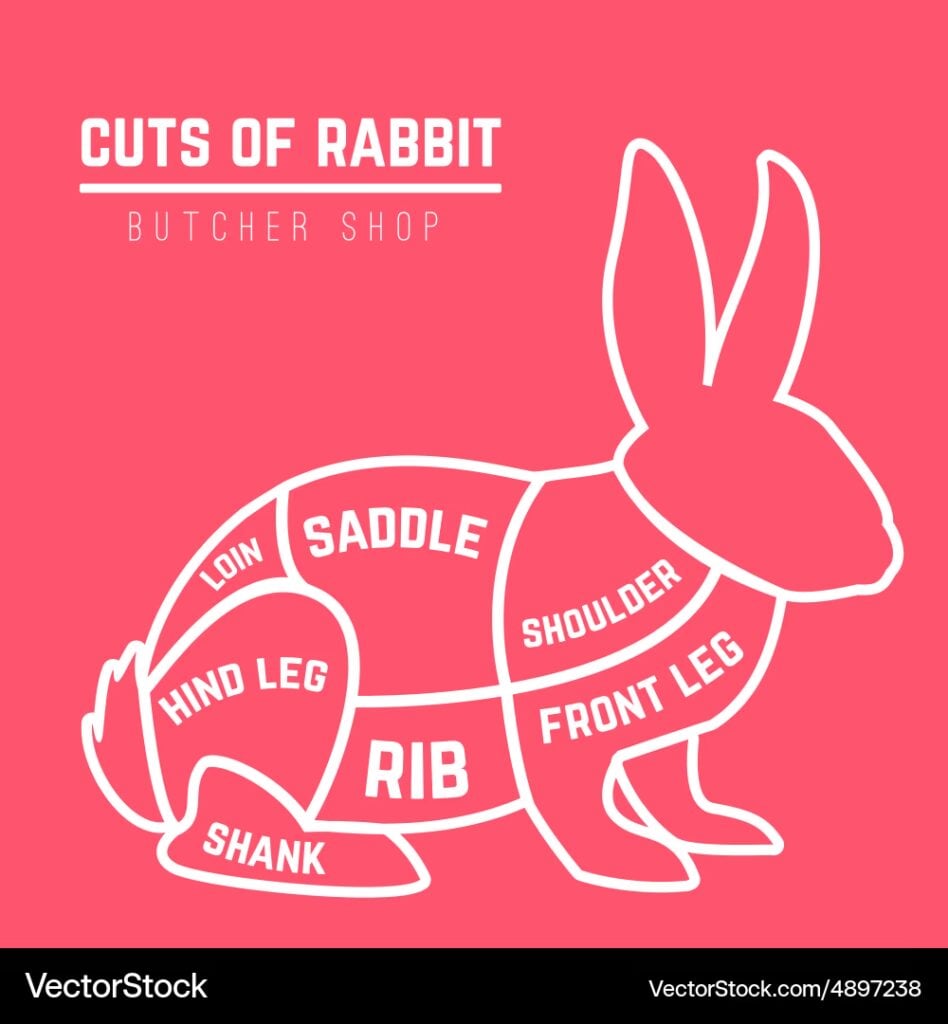
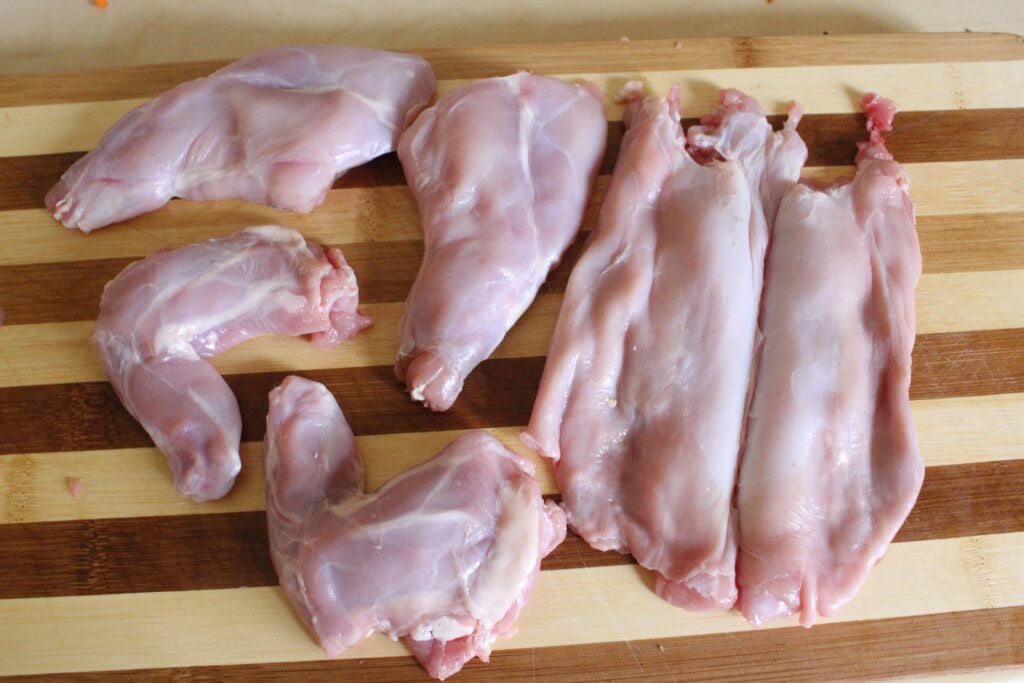
Processing day is the most time-consuming part of the cycle. Even if you get fast at it, butchering a litter of eight rabbits takes a couple of hours when you include the setup and the cleanup. You also have to decide what to do with the offal and the pelts. Tanning hides is a whole other set of skills and expenses. If you don’t have the stomach for the dispatching process, you will have to pay a custom processor, which can cost five to seven dollars per rabbit. That fee alone can double your cost per pound.
Equipment for Processing
To do the job correctly and humanely, you need the right tools. A high-quality pellet gun or a captive bolt tool is a common choice for dispatching. You need several very sharp knives, a sturdy place to hang the carcasses, and a way to cool the meat quickly. Many people use a series of ice baths to bring the temperature down before the meat goes into the refrigerator to age.
Vacuum sealers and bags are an ongoing expense. While you can use standard freezer bags, vacuum sealing prevents freezer burn and allows the meat to stay high quality for over a year. A good vacuum sealer costs over a hundred dollars, and the bags are roughly fifty cents each. These small costs are often left out of the equation when people talk about how cheap rabbit meat is to produce.
(Vacuum Sealer Machine + 30 Reusable Vacuum Bags) Powerful Handheld Vacuum Sealer Machine, Seal Meal Saver, Portable Food Sealer

Land and Space Requirements for Raising Meat Rabbits
One of the benefits of raising meat rabbits is that they don’t require acres of land. You can raise a significant amount of meat in a small backyard or even a garage. However, you still have to manage the waste. A single doe and her offspring can produce hundreds of pounds of manure in a year. If you have a garden, this is a massive benefit because rabbit manure is cold and can be applied directly to plants without composting.
If you don’t have a use for the manure, it becomes a liability. You have to find a way to dispose of it or find someone to come haul it away. In some suburban areas, you might have to deal with fly control or odor management to keep the neighbors happy. Investing in bedding like wood shavings or peat moss to manage the moisture and smell is another line item in the budget.
Comparing Costs to Store Bought Meat
When you add up the feed, the equipment, the initial stock, and the processing supplies, the first year of meat might cost you twenty dollars a pound. By the third year, once your equipment is paid off and you have a steady rhythm, that cost might drop to five or six dollars a pound. For comparison, you can often buy chicken for much less than that at a grocery store.
The real value isn’t necessarily in the price per pound, but in the quality of the food. You know exactly what the rabbits ate and how they were treated. There are no hormones or unnecessary antibiotics in the meat you grow yourself. Rabbit meat is also very lean and high in protein, which makes it a specialty item that is often hard to find or very expensive in stores. If you are comparing your homegrown rabbit to the price of organic, pasture raised heritage meats, the numbers look much better.
Practical Tips for Reducing Expenses
There are ways to make raising meat rabbits more affordable without sacrificing the health of the animals. Buying feed in bulk or joining a local feed coop can save you a few dollars per bag. If you are handy, you can build your own cages using rolls of galvanized wire, which is significantly cheaper than buying pre assembled units.
Focusing on efficiency is the best way to save money. This means being ruthless with your culling. If a doe consistently has small litters or if her kits grow slowly, she is costing you more than she is worth. Keeping only your best producers ensures that every ounce of feed is going toward meat production. It feels harsh at first, but a productive rabbitry is a sustainable one.
You can also look for ways to monetize the byproducts. Selling high quality rabbit manure to local gardeners can help offset your feed costs. Some people sell the pelts or even the heads and feet to raw dog food enthusiasts. If you have pedigreed stock, selling a few weaned kits as breeding stock to other raisers can bring in enough cash to cover a few months of feed.
Why People Choose Raising Meat Rabbits
Given the actual costs and the labor involved, people don’t raise rabbits just to save a buck. They do it for the security of knowing where their food comes from. They do it because rabbits are quiet animals that fit well into a small homestead. There is a specific kind of satisfaction that comes from sitting down to a dinner that you provided for yourself from start to finish.
It is a lifestyle choice as much as a financial one. If you approach it as a hobby that pays you back in high quality meat, the costs are easier to justify. If you go into it expecting to beat the prices at a big box grocery store, you will likely end up frustrated. Understanding the real expenses involved helps you set up a system that is functional and sustainable for the long term.