The timing depends mostly on the mud. If you walk out into the backyard and your boots sink two inches into the dirt, it is too early to start. Working wet soil destroys the structure and turns it into something resembling concrete once it dries out. You want the ground to be damp but crumbly. Once the frost is out of the earth and the water has drained away, you can finally how to prep garden beds for spring without ruining the texture of your plot.
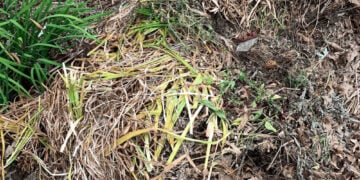
The first task is the cleanup. If you left dead stalks or dried vines over the winter to provide a habitat for beneficial insects, now is the time to clear them out. Pull up any remaining annuals that didn’t make it through the freeze. If the plants were healthy when they died, toss them into the compost pile. If they showed signs of blight or powdery mildew, put them in the trash instead. You do not want to carry last year’s diseases into the new growing season.

Assess the current state of your soil
Before you start dumping bags of fertilizer or tilling the earth, you need to know what you are working with. Soil settles and compacts over the winter. Some nutrients leach out with the snowmelt, while others stay locked in the ground. A simple squeeze test tells you a lot about the moisture content. If the ball of dirt shatters when you poke it, you are good to go. If it stays in a sticky lump, wait another week.
Testing the pH is the next logical step. Most vegetables prefer a slightly acidic environment, usually between 6.0 and 7.0 on the scale. If your soil is too alkaline, your plants might struggle to take up iron or phosphorus, no matter how much you feed them. You can buy a cheap kit at a hardware store or send a sample to a local lab for a more detailed analysis. Knowing these numbers saves you from wasting money on amendments your garden doesn’t actually need.
USA designed and assembled soil tester completely, quickly and accurately measures/analyzes soil pH acidity and garden nutrients.

How to prep garden beds for spring by clearing weeds
Check for perennial weeds that started growing during those first few warm days. Dandelions and thistles are much easier to remove when the ground is soft and their root systems are still a bit sluggish. Use a hand fork to get under the crown and pull the whole root out. If you just snap off the green tops, they will be back before your seeds even germinate.
If you have a large area covered in winter weeds, you might consider the tarping method. Laying down a dark silage tarp for a few weeks can kill off the early sprouts by blocking light and trapping heat. This is a much better alternative to spraying chemicals or heavy tilling, which often just brings more dormant weed seeds to the surface. It takes a bit of patience, but it makes the rest of the season much more manageable.
Improving soil structure with organic matter
Healthy plants are basically just a byproduct of healthy soil. You cannot expect a heavy feeder like a tomato or a pumpkin to thrive in depleted dirt. The most effective way to improve your growing space is by adding organic matter. Spread a layer of well rotted compost or aged manure over the surface of the bed. Aim for about two or three inches of thickness across the entire area.
You do not necessarily need to till this in. Many gardeners are moving toward no till methods because it preserves the fungal networks and worm tunnels that keep soil aerated. The worms will eventually pull that compost down into the lower layers for you. If your soil is extremely compacted, you might use a broadfork to gently crack the surface and let some air in without flipping the soil layers upside down.

Edging and structural repairs
Addressing the edges of your beds makes maintenance easier for the rest of the year. Grass has a way of creeping into garden soil the moment you turn your back. Use a sharp spade or an edging tool to cut a clean line between the lawn and the garden. This creates a physical gap that slows down the spread of grass runners. It also makes the whole yard look more intentional and organized before anything is actually blooming.
If you use raised beds, check the structural integrity of the wood or metal. Winter moisture can cause rot or bowing in the sides of the frame. Replace any boards that are soft to the touch or falling apart. You might also notice that the soil level has dropped significantly as the organic matter from last year decomposed. Top these beds off with a mix of fresh compost and topsoil to bring the level back up to an inch or two below the rim.
Irrigation and tool maintenance
Check your irrigation setup while the beds are still mostly empty. It is much easier to fix a leaky drip line or a clogged sprayer head now than it is when you are trying to weave around delicate seedlings. Turn the system on and look for puddles or dry spots. Replace any brittle plastic components that cracked during the winter freezes. Having a reliable watering system saves you hours of hauling hoses during the July heat.
Tools need some attention before the real work begins. Rust on a shovel makes the job harder because the dirt sticks to the metal. Use some steel wool or a wire brush to clean off the blades. A simple file can sharpen the edge of a hoe or a spade, making it much easier to slice through roots and heavy clay. Rubbing a bit of linseed oil into wooden handles prevents them from splintering and keeps them comfortable in your hands.
Comprehensive 108-piece kit for flower beds, gardens and landscaped areas; eliminates hand watering, saves time and money

Planning the layout for crop rotation
Think about the layout of your crops before you start digging holes. If you grew peppers in the north corner last year, try to move them to a different spot this time around. Rotating families of plants helps prevent the buildup of specific pests and diseases in the soil. It also balances out nutrient usage, as different plants take different things from the earth. A simple sketch on a piece of paper is usually enough to keep track of where everything is going.
Early spring is also the right time to install any vertical supports. Putting in tomato cages, trellises for peas, or stakes for beans while the plants are small prevents root damage later on. If you wait until the plants are large, you risk stabbing through the root ball as you try to secure the support. It also gives vining plants something to grab onto the moment they start to climb.
We highly recommend Seedtime to schedule your planting and crop rotation.

Applying mulch to protect the surface
Mulching is the final step in the preparation process, though some people prefer to wait until the soil warms up a bit more. A thick layer of straw, shredded leaves, or wood chips serves several purposes. It holds moisture in the ground so you water less often. It also smothers the weed seeds that are currently sitting on the surface waiting for sunlight.
If you are planting seeds directly into the bed, leave a small space clear so the sprouts can reach the light without fighting through the mulch. For transplants, you can push the mulch aside, dig your hole, and then tuck the material back around the base of the plant once it is tucked in. This keeps the soil temperature stable and prevents the sun from baking the life out of your topsoil.
When you finish these tasks, the beds are ready for the first round of cool weather crops. Things like peas, radishes, and spinach can go into the ground as soon as the soil is workable. These early plantings take advantage of the spring rains and the mild temperatures before the summer heat sets in. Taking the time to handle the preparation correctly now means you will spend less time fixing problems in June and more time enjoying the harvest.
It would work best as a detailed section within this guide. Understanding how to prep garden beds for spring is partly about the physical labor of clearing and digging, but it is also about the chemistry of what you put back into the ground. Different crops have different appetites, and a one size fits all approach to fertilizer often leads to lush leaves with no fruit or stunted roots that can’t support the plant.

Customizing soil amendments for specific crops
Heavy feeders like tomatoes, peppers, and eggplants require a lot of nitrogen early on, but they need phosphorus and potassium once they start to flower. When you are prepping these specific areas of the bed, you can mix in a handful of bone meal or kelp meal into the top few inches of soil. This provides a slow release source of nutrients that will be available right when the plants hit their mid summer growth spurt.
Leafy greens like kale, spinach, and lettuce are much less demanding, but they do best with high nitrogen levels. For these spots, a thicker layer of compost or a light dusting of blood meal is usually enough. Because these plants have shallower root systems, you don’t need to work the amendments deep into the ground. Just scratching them into the surface before you sow your seeds will give the sprouts the boost they need to outpace the weeds.
Managing drainage and aeration in heavy clay
If you are dealing with heavy clay soil, the preparation process requires a bit more mechanical intervention. Clay holds onto water far too long, which can rot the roots of young seedlings during a rainy spring. Instead of just adding compost on top, you might need to incorporate some coarse organic matter like aged wood chips or expanded shale. These larger particles create tiny air pockets in the dirt that allow oxygen to reach the roots.
Avoid using sand to fix clay. Unless you add a massive amount, you often end up creating a mixture that is closer to mortar than garden soil. Stick to compost, leaf mold, and straw. These materials break down over time and feed the soil biology while they work on the texture. If the bed is still holding standing water after a rain, consider mounding the soil into wide, flat topped ridges. This raises the root zone above the water table and helps the soil warm up faster in the sun.
Prepping for root vegetables
Root crops like carrots, parsnips, and beets need a very specific soil texture to grow straight and long. If your garden bed is full of rocks or heavy clumps of uncomposted manure, your carrots will come out twisted or stunted. When you are learning how to prep garden beds for spring for root crops, the goal is tilth. You want the soil to be loose and friable to a depth of at least eight to ten inches.
Skip the high nitrogen fertilizers for these areas. Too much nitrogen encourages the plant to grow massive green tops while the roots stay thin and hairy. Focus instead on potassium, which aids in root development and sugar production. Sift through the soil with a garden fork to break up any large clods, and remove any stones that might get in the way of a growing taproot.

Addressing the needs of perennial beds
Preparing a bed for perennial vegetables like asparagus, rhubarb, or strawberries is a different process because you cannot easily dig around the plants without damaging their established roots. In these areas, the focus is on top dressing. Carefully pull back any old mulch and spread an inch of compost around the base of the plants, being careful not to bury the crowns.
For strawberries, check for any runners that rooted in the wrong place over the winter and move them back into the row or pot them up for friends. This is also the time to check for any signs of crown rot or pest damage that might have occurred during the dormant season. Once you have added your compost, refresh the mulch with clean straw to keep the developing fruit off the bare dirt later in the season.
Finalizing the seed bed for direct sowing
The very last step of the preparation is creating a fine surface for seeds. Large clods of earth make it difficult for small seeds like carrots or lettuce to make good contact with the soil. Use a metal rake to break down the surface until it looks like coarse breadcrumbs. This level of detail isn’t necessary for large seeds like beans or squash, but for the tiny stuff, it makes a huge difference in your germination rates.
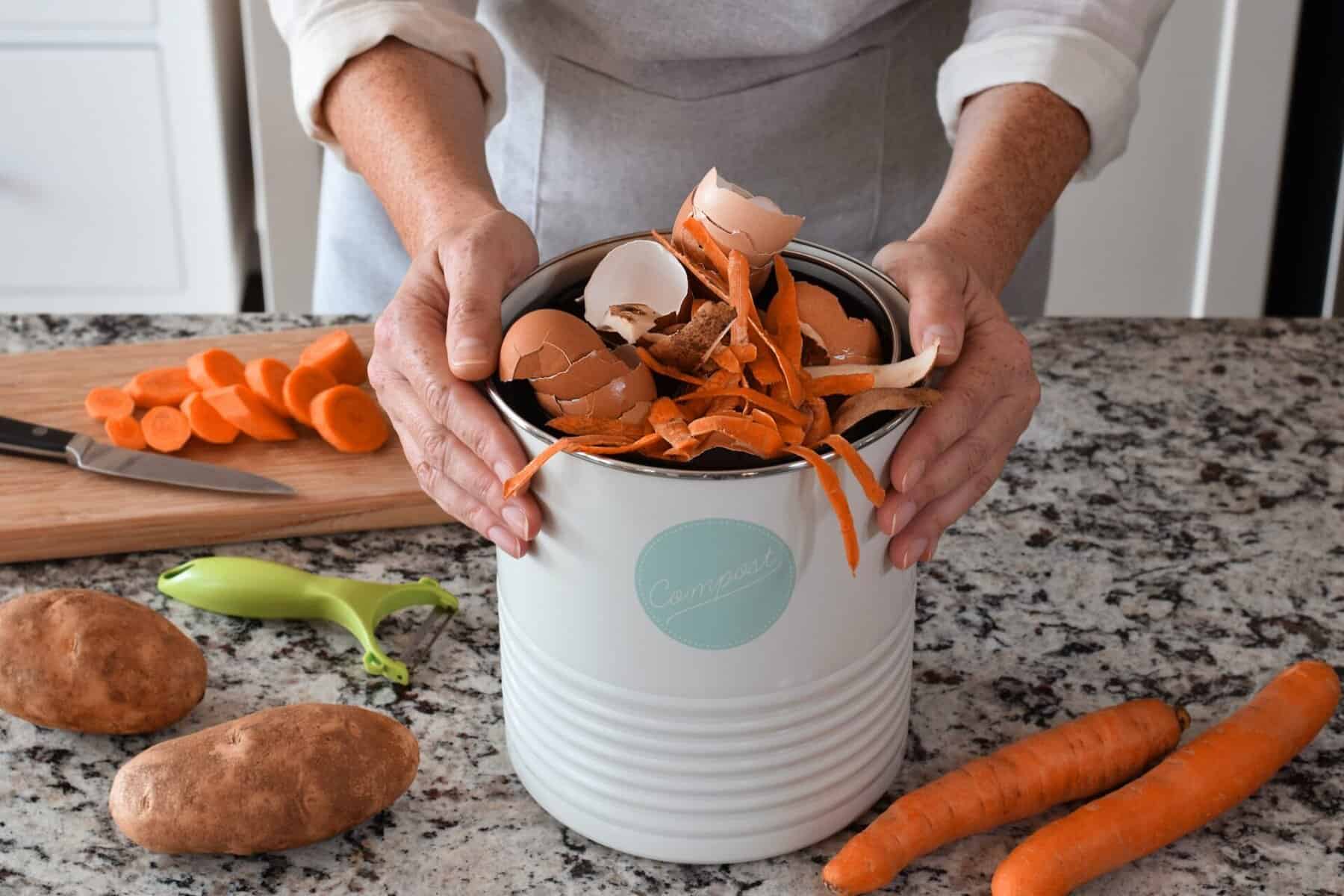
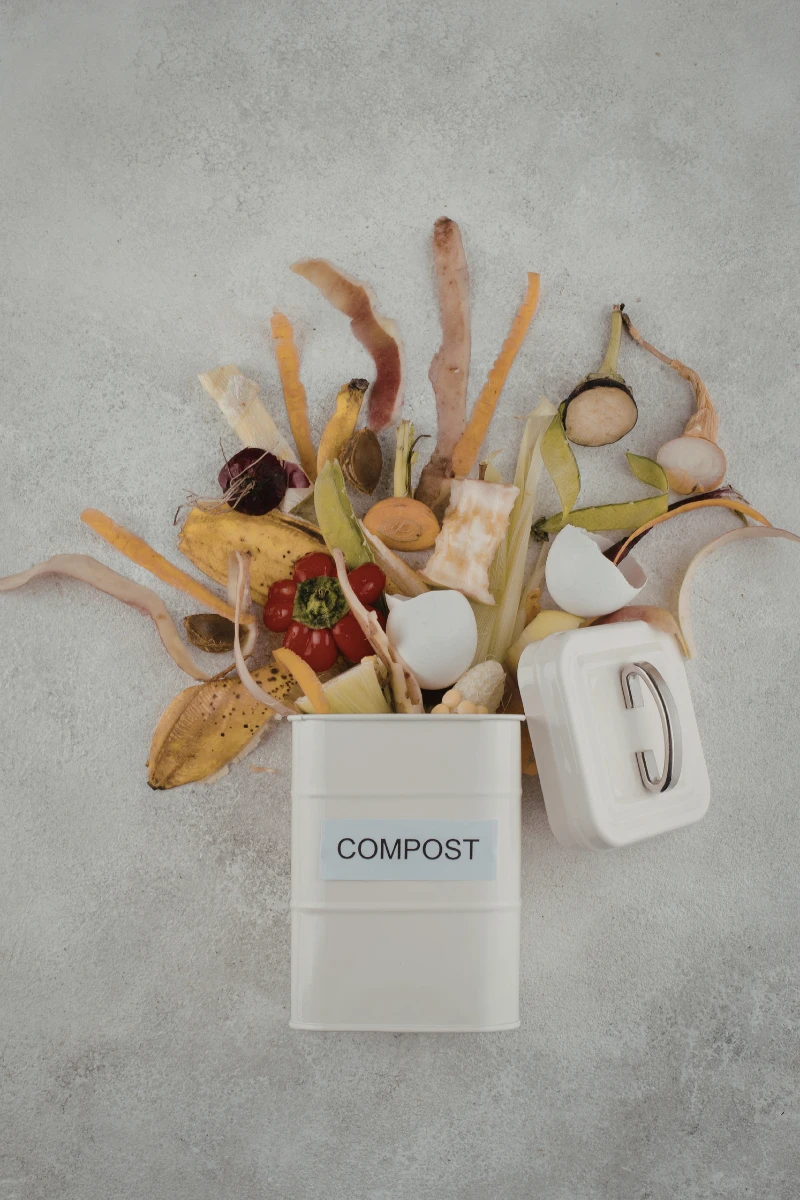
If you have been using a tarp to kill weeds, pull it back a few days before you plan to plant. This allows the soil to breathe and the surface to dry out slightly so it doesn’t stick to your rake. Once the surface is smooth and the amendments are settled, your beds are officially ready for the growing season to begin. Feed them first — see a beginner’s guide to composting.