
Every fall, there’s a stretch where the fridge always has a half-gallon of apple cider in it, and I start looking for ways to use it that aren’t just drinking it warm out of a mug. Cider glazed pork chops are what I keep coming back to. One skillet, about thirty minutes, and a glaze that tastes like it took a lot more effort than it did.
Pork and apple is not a new idea. People have been putting the two together for as long as they’ve been keeping pigs and orchards on the same piece of land. The pig fattens on windfall apples, the apples get pressed into cider, and the two end up on the same plate. It works because pork is rich and mild, and cider brings sweetness and acid to cut through it.
What makes this a weeknight recipe rather than a project is that the glaze builds itself in the pan you just seared the chops in. You’re not making a sauce on the side. You’re deglazing the fond, reducing it, and spooning it back over the meat. Below is exactly how to do it, plus the two or three places people go wrong.

What You’ll Learn
Why Apple Cider and Pork Work So Well Together
Pork chops are lean, especially the boneless loin chops most grocery stores sell. Lean meat needs two things to taste like more than protein: browning and a sauce with some acid in it.
Apple cider gives you both halves of that. The sugars in the cider caramelize as it reduces, which deepens the color and the flavor. The natural tartness, boosted here with a splash of cider vinegar and a spoonful of Dijon, keeps the whole thing from sliding into dessert territory. That balance of sweet against sharp is the entire point of the dish, and it’s why the recipe falls apart if you use apple juice and skip the vinegar.
What You’ll Need
Nothing here is exotic. Most of it is probably already in your kitchen.
- Pork chops: The recipe card below is written for four boneless chops about an inch thick. Bone-in chops work beautifully too. See the section further down on which to choose.
- Apple cider: Real cider, the cloudy unfiltered kind, not apple juice. It has more body and more actual apple flavor, and it reduces into a glaze instead of a syrup.
- Apple cider vinegar: Two tablespoons. This is the ingredient people are tempted to skip, and it’s the one holding the whole glaze in balance.
- Dijon mustard: Adds sharpness and helps the glaze emulsify so it clings to the chops instead of pooling.
- Brown sugar: Rounds out the cider and helps the glaze thicken and gloss. Start with less if your cider is very sweet.
- Fresh thyme: Thyme sits right between the pork and the apple. Dried works too, at about a third as much. Sage or rosemary are both fair swaps.
- Garlic and butter: Garlic goes in first to bloom in the pan fat. Butter goes in last, off the heat, to finish the glaze.

How to Make Cider Glazed Pork Chops
1. Temper and Season the Chops
Pull the chops out of the fridge 10 to 15 minutes before you cook. A cold chop dropped into a hot pan cooks unevenly, because the outside overshoots while the center is still catching up. Pat them completely dry with a paper towel. Wet meat steams; dry meat browns. Then season both sides with salt, pepper, and thyme.

2. Sear Hard and Leave Them Alone
Use a heavy pan. A cast iron skillet is ideal because it holds its heat when the cold meat hits it, and heat retention is what gives you a crust instead of gray meat sitting in its own liquid. Get it hot over medium-high, add a little oil, and lay the chops in away from you.
Now do nothing for four to five minutes. Don’t nudge them, don’t peek underneath. The chop will release from the pan on its own when the crust has formed. Flip once, sear the other side, then move them to a plate. They will not be cooked through yet, and that’s intentional. They finish in the glaze.

If you’re cooking more than four chops, do it in two batches. A crowded pan drops in temperature and you’ll steam the meat instead of searing it.
Pre-Seasoned Frying Pan with Teardrop Handle Oven, Stovetop, Grill & Campfire Use Made in USA Durable, Non-Toxic, Even-Heating Cookware Black

3. Build the Cider Glaze in the Same Pan
Look at the bottom of that skillet: those stuck-on brown bits are called fond, and they are the best-tasting thing in your kitchen right now. Don’t wash them away.

Turn the heat down to medium and add the minced garlic. Give it about a minute, just until it smells like garlic and before it takes on any color, because burnt garlic will make the whole glaze bitter. Pour in the apple cider and the cider vinegar, then stir in the Dijon and brown sugar. Scrape the bottom of the pan with a wooden spoon as the liquid comes up to a simmer. All that fond lifts and dissolves into the glaze.

Let it simmer 5 to 7 minutes, stirring now and then, until it has reduced by about half. You’re looking for it to go from watery to something that coats the back of a spoon. Drag your spoon through the pan. If the trail holds for a second before filling back in, you’re there.

4. Finish the Chops in the Glaze
Return the chops to the skillet along with any juice that pooled on the plate. Spoon the glaze over them for another 3 to 5 minutes, basting as they finish. Check them with an instant-read thermometer at the thickest part: you want 145°F. Pull them the moment they hit it.

Take the pan off the heat, then swirl in the butter. Off the heat matters, because butter added to a ripping-hot pan will break and go greasy instead of melting into a smooth, glossy glaze. Let the chops rest 3 to 5 minutes, then spoon the rest of the glaze over the top and serve.
The Glaze Is Where People Go Wrong
The chops themselves are hard to mess up if you own a thermometer. The glaze is where this recipe actually gets made or lost, so here’s what to do when it misbehaves:
- Thin and watery: It hasn’t reduced enough. Keep simmering. Just take the chops out of the pan while you do it so they’re not overcooking while you wait.
- Thick, dark, and bitter: It went too far, or the heat was too high. Sugar burns fast at the end of a reduction. Splash in a tablespoon or two of cider and pull it off the heat.
- Greasy or separated: The butter broke. It went in while the pan was still too hot. Take the pan off the burner, let it cool a moment, and whisk in a small piece of cold butter to bring it back together.
- Too sweet: Your cider was on the sweet side. Add cider vinegar a teaspoon at a time until it tastes balanced, and use less brown sugar next time.
Bone-In or Boneless Pork Chops?
Both work. They just behave differently, and it’s worth knowing which you’ve got before the pan gets hot.
- Boneless chops (what the recipe card below is written for) cook fast and evenly. They’re the weeknight choice, and they’re also the easiest to overcook, so the thermometer isn’t optional.
- Bone-in chops are more forgiving and more flavorful. The bone insulates the meat next to it, so they dry out less. Buy them an inch thick, add 2 to 3 minutes to the sear, and check the temperature away from the bone.
If you’re cooking for company and want the better plate, buy bone-in. If it’s a Tuesday, boneless is fine.
What to Serve With Cider Glazed Pork Chops
There’s going to be extra glaze in the pan. Pick sides that will do something with it.
- Mashed potatoes: The obvious answer, and the right one. Something starchy underneath to catch the glaze.
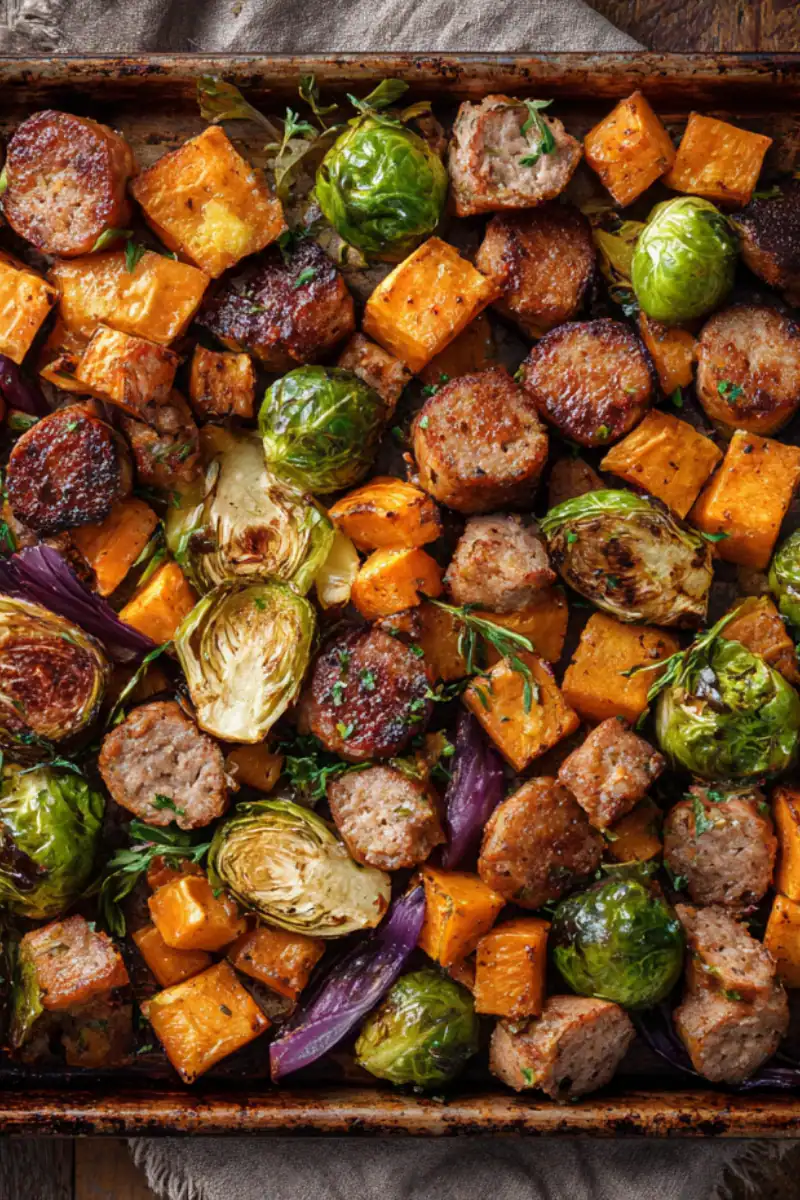
- Roasted vegetables: Honey glazed carrots, roasted Brussels sprouts, or sweet potatoes. Their caramelized edges echo what the cider is doing in the pan.
- Rice or grains: A cranberry and wild rice pilaf is a good fall pairing, and it soaks up the glaze nicely. Quinoa works the same way.
- Something sharp and green: A simple salad with a vinaigrette. The glaze is rich, and a little acid on the side keeps the plate from feeling heavy. A broccoli pasta works here too.

Variations and Substitutions
- Hard cider: Makes a drier, more savory glaze. Keep the full amount of brown sugar and give it an extra minute or two to cook off the alcohol.
- Apple juice: Works in a pinch, but it’s sweeter and thinner. Cut the brown sugar to 1 tablespoon and add extra cider vinegar.
- Different herbs: Sage is the most autumn-tasting option. Rosemary is stronger, so use half as much.
- Add fruit: Thin slices of apple or pear dropped into the pan for the last few minutes will caramelize in the glaze and give you a built-in side.
- Add heat: A pinch of red pepper flakes or a spoonful of whole-grain mustard gives the glaze a rougher, less sweet edge.
- Bigger cut, slower cook: Same flavors, more time. Try apple cider braised pork shoulder.
Storing and Reheating
Leftovers keep in an airtight container in the refrigerator for up to three days. The glaze will set up firm as it chills. That’s normal, and it loosens right back up with heat.
Reheat gently in a skillet over medium-low with a splash of water, cider, or chicken broth, spooning the glaze over the chops as they warm. Reheated pork keeps cooking, so go slow and stop as soon as it’s hot through. The microwave works if you’re in a hurry, but it will tighten up the meat. Cold leftover chops sliced thin over a salad the next day are, honestly, excellent.
Frequently Asked Questions About Cider Glazed Pork Chops
Can I use apple juice instead of apple cider?
You can, but it changes the dish. Apple juice is filtered, sweeter, and thinner, so the glaze leans candy-sweet and takes longer to reduce. If juice is what you have, cut the brown sugar to 1 tablespoon and add an extra splash of apple cider vinegar to bring the acidity back.
What internal temperature should pork chops be?
145°F at the thickest part, measured away from the bone, followed by a 3 to 5 minute rest. The center will look faintly pink, and that is correct for pork. The old 160°F guidance is what gave pork chops their dry reputation.
Can I make cider glazed pork chops with bone-in chops?
Yes, and they are more forgiving. Bone-in chops hold moisture better and are harder to overcook. Add about 2 to 3 extra minutes to the sear and start checking the temperature a little sooner than you think you need to.
Why is my cider glaze thin and watery?
It has not reduced far enough. The cider needs to lose about half its volume, which usually takes 5 to 7 minutes at a steady simmer. Pull the chops out while it reduces so they are not overcooking, and test by dragging a spoon through the pan. The glaze should briefly hold the line.
Can I use hard cider in the glaze?
You can. Hard cider makes a drier, more savory glaze with less sweetness, so you may want to keep the full 2 tablespoons of brown sugar. Let it simmer an extra minute or two to cook off the alcohol before you return the chops to the pan.
What is the best pan for cider glazed pork chops?
Cast iron or another heavy skillet. It holds heat when the cold chops hit the pan, which is what gives you a real crust instead of gray, steamed meat. Avoid nonstick, since it does not brown as well and you get fewer of the browned bits that make the glaze taste like something.
Final Thoughts
This is the recipe I reach for when I want dinner to feel like something without actually being work. Thirty minutes, one pan, ingredients that live in the pantry most of the year. Nail the sear, respect the thermometer, and don’t rush the reduction. The rest takes care of itself.
Make it once in October when the cider is fresh and you’ll be making it all winter.
Print
Cider Glazed Pork Chops
These juicy pork chops are glazed with a sweet and tangy apple cider reduction, offering the perfect blend of autumn flavors.
- Total Time: 30 minutes
- Yield: 4 servings 1x
Ingredients
- 4 boneless pork chops (about 1 inch thick)
- 1 cup apple cider
- 2 tablespoons apple cider vinegar
- 1 tablespoon Dijon mustard
- 2 tablespoons brown sugar
- 1 tablespoon fresh thyme leaves (or 1 teaspoon dried thyme)
- 2 tablespoons unsalted butter
- 2 cloves garlic, minced
- Salt and pepper to taste
- 1 tablespoon olive oil
Instructions
- Prepare the Pork Chops: Season both sides of the pork chops with salt, pepper, and thyme.
- Sear the Pork Chops: Heat olive oil in a large skillet over medium-high heat. Add the pork chops and cook for 3-4 minutes on each side, until golden brown. Remove chops from the skillet and set aside.
- Make the Cider Glaze: In the same skillet, reduce heat to medium and add the minced garlic. Cook for 1 minute until fragrant. Then, pour in the apple cider, apple cider vinegar, Dijon mustard, and brown sugar. Stir well, scraping up any browned bits from the pan.
- Simmer the Glaze: Let the mixture simmer for 5-7 minutes, stirring occasionally, until it reduces by about half and thickens to a glaze consistency.
- Finish Cooking the Pork Chops: Return the pork chops to the skillet, spoon the cider glaze over them, and continue cooking for another 3-5 minutes, or until the internal temperature of the pork chops reaches 145°F (63°C).
- Add Butter: Stir in the butter to finish the glaze, coating the pork chops as they finish cooking.
- Serve: Let the chops rest 3 to 5 minutes, then spoon the rest of the glaze over the top and serve. Add fresh thyme if desired.
- Prep Time: 10 minutes
- Cook Time: 20 minutes
- Category: Dinner
- Cuisine: American