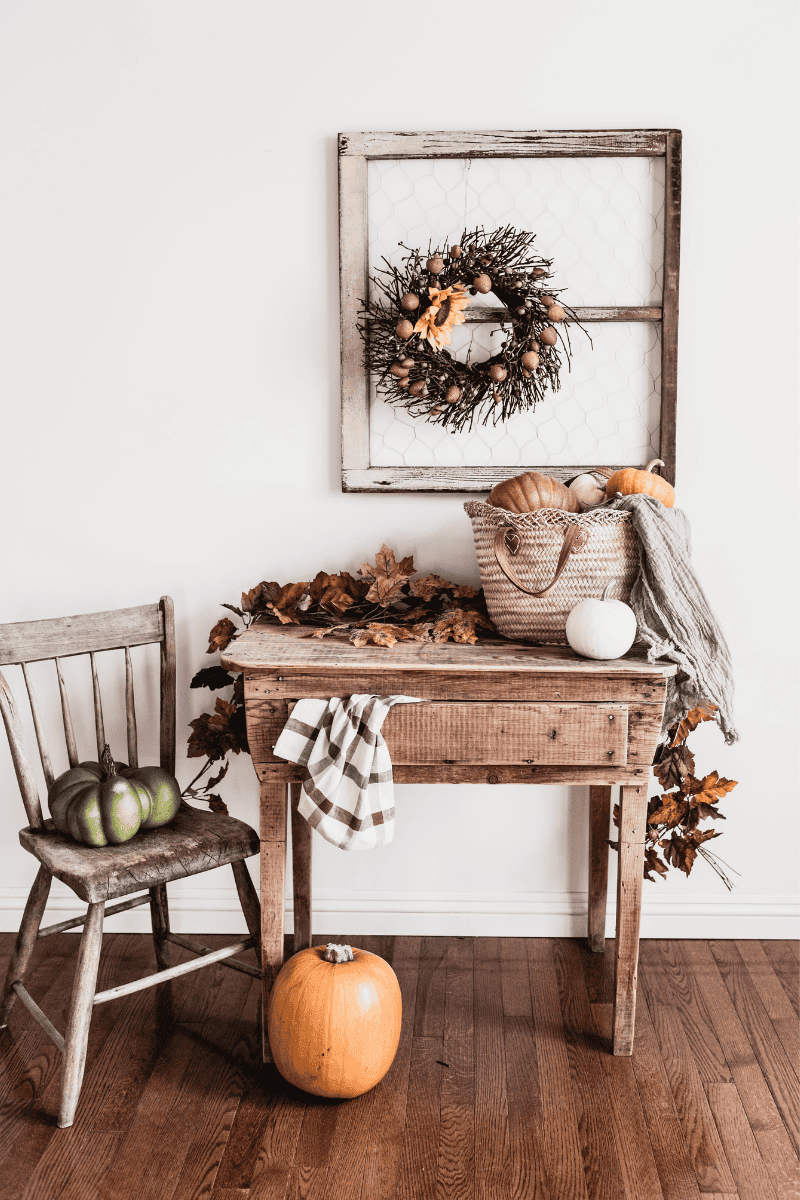

Farmhouse decor has anchored home design for years because it delivers a cozy, inviting room built on natural materials, vintage touches, and soft, muted colors. The style borrows the pastoral charm and rustic warmth of an old country home, and it suits almost any house because it prizes comfort and function over polish.
The good news is that the look is easy to build once you understand its handful of core elements, and you can get there gradually with a few accent pieces rather than a full renovation. This guide walks through what defines the style and how to bring it to life room by room, from the living room to the kitchen to the bedroom.
Key Takeaways
The Core Elements of Farmhouse Decor
A few defining features separate farmhouse decor from every other design style, and they show up in every well-dressed farmhouse room:
- Natural materials: Wood, metal, cotton, and wool ground the style, with distressed wood furniture and textured cotton throws as signature touches.
- A neutral color scheme: Light shades of white, cream, gray, and brown let the textures shine, while black and charcoal add contrast.
- Vintage finds: Antique or vintage-inspired pieces, from distressed furniture to classic glassware, lend a timeworn, heirloom charm.
- Practical pieces: Function comes first, so woven storage baskets, durable dining tables, and wood cutting boards earn their place.
- Rustic touches: Exposed beams, unfinished wood, and galvanized metal with a handmade feel capture the unrefined farmhouse look.
If you want a framework beyond these hallmarks, University of Wyoming Extension breaks interior design down into elements like color and texture and principles like balance and proportion, which are the same fundamentals that make a farmhouse room feel balanced instead of cluttered.

Creating a Farmhouse Living Room
The living room is the natural place to introduce farmhouse elements and set the tone for the rest of the home. Build it up in layers, starting with soft textures and comfortable seating and finishing with collected, personal accents.
Let Textiles Set the Scene
Layer the room with natural-fiber rugs and vintage-style woven blankets or quilts, which add warmth and a welcome contrast against wood furniture. Bring in baskets and woven accessories for an organic feel, and hang sheer cotton curtains for a soft, carefree touch that filters the light.

Focus on Comfortable Seating
Comfort rules a farmhouse living space. Upholstered sofas and armchairs invite people to gather and settle in, and slip-covered versions with removable, washable covers keep the look practical, especially in a busy household. Neutral upholstery keeps everything light and airy.
For an unexpected but harmonious contrast, a well-chosen piece of cozy mid-century modern furniture like a wooden-armed accent chair adds visual interest without breaking the mood. A weathered rocking chair or a wooden bench by the hearth pulls people in, and plush patchwork pillows across the sofa and benches raise the comfort even further.

Add Collected Farmhouse Accents
Accent tables holding candles, potted plants, and small collected treasures give a room that well-loved feel, and vintage signs or family photos on the walls make the decor personal. An antique trunk stands in as a rustic coffee table, soft throws drape over the back of the sofa, and a console table displays cherished pieces behind it.
Rustic wooden crates and galvanized buckets are perfect for holding firewood or serving as charming end tables. As a rule, the more layers of farmhouse accessories you add, the homier the space feels.

Designing a Farmhouse Kitchen
As the heart of the home, the kitchen deserves special farmhouse attention, and everything from cabinetry to countertops to small accessories can carry the countryside look.
Embrace Distressed Details
Farmhouse kitchens let you celebrate worn, distressed wood without worrying about dating the space. Paint cabinets in soft whitewashed hues and consider exposed beams or open shelving built from reclaimed barn wood. Many enthusiasts also seek out high-quality wood blanks for crafts to build custom, handcrafted pieces tailored to a farmhouse kitchen. A large island topped with a durable wood counter makes an ideal spot for meal prep and casual dining on vintage metal stools, and built-in butcher block boards double as charming accents when they are not in use.

Display Vintage Dishware
Glass-front cabinets are made for showing off cherished finds like classic ceramics, embroidered tea towels on hooks, and decorative plates, and open shelving gives you even more room to spotlight a favorite collection. Do not overlook the small details either. Swap modern brushed-nickel fixtures for matte black iron handles and hinges or oil-rubbed bronze finishes, then age the space with galvanized pendant lights, dented tin trays, and a rustic wooden mantle over the fireplace nook.

Accessorize Creatively
Keep everyday cookware within reach in woven baskets, and line the counters with zinc or tin containers full of cooking utensils so the kitchen stays as practical as it is pretty. Pour morning coffee from kitschy farm-animal mugs, serve baked goods straight from a vintage pie safe, and transfer pantry staples like sugar, flour, and oats into glass apothecary jars labeled with burlap tags and twine.

Design Ideas for a Farmhouse Bedroom
Carry the farmhouse charm into the bedroom with natural bedding, antique wood furniture, and vintage accents that make the room feel restful and collected.
Let Bedding Set the Tone
Stick to linen, cotton, and other breathable natural fabrics, in neutral colors like cream or beige, to keep the bed feeling light and relaxed. Add texture with soft cotton quilts or knit blankets in natural hues. Rustic bed frames complete the look, whether that is a metal frame with woven wire accents or a wooden bed with a distressed finish, and a painted white iron bed gives a true cottage feel. A small bench at the foot of the bed finishes it off.

Warm Up the Walls and Windows
Keep layering soft goods with floor-to-ceiling gauzy curtains and a large woven headboard against the wall. An accent wall clad in reclaimed wood planks adds striking, cozy architectural detail. Fill floating shelves and wall nooks with collected antique glassware, framed family photos, vintage books, or dried botanical wreaths, and stack wooden crates for extra storage near the closet.

Get the Lighting Right
Trade harsh overhead lighting for table lamps in washed wood tones, black wrought iron, or glass to cast a softer glow, and reach for Edison or filament bulbs to lean into the vintage style. For the ultimate farmhouse touch, hang a pendant over the bed itself or add sconces around the frame, and the whole room turns more welcoming.

Final Touches for a Cohesive Farmhouse Style
As you extend the farmhouse look into more rooms, repeat design elements so the whole home flows together. A few threads to carry throughout:
- Distressed wood accents such as beams, bed frames, and shelves
- Woven baskets and fabric textures like throws, pillows, and rag rugs
- Vintage lighting and antique hardware
- Collections of glassware, books, and framed family photos
- Galvanized metal and cast iron accessories
The more you layer and blend these components across the home, the more authentic the whole scheme feels. Choose pieces you genuinely love and that tell a story, and display your best flea-market finds proudly, because the beauty of farmhouse style is exactly that collected-over-time appeal.
You do not need to overhaul a house to get here. Pick a room, start with the elements you love most, and let imperfection and nostalgia set the welcoming mood, then repeat those materials and colors as you move through the home. Even a few of these changes breathe new life into a tired space, and shopping secondhand or reworking what you already have keeps the whole project affordable. For a rougher take on the same idea, see our guide to rustic homestead decor, and before you buy anything new, try decorating with what you already own.
Frequently Asked Questions About Farmhouse Decor
What Are the Key Elements of Farmhouse Decor?
Farmhouse decor is built on natural materials like wood, cotton, and wool, a neutral palette of white, cream, gray, and brown, vintage and rustic finds, and practical pieces such as woven baskets and sturdy tables. Distressed wood, galvanized metal, and handmade touches give the look its lived-in warmth. The style favors function and comfort over anything fussy or overly polished.
How Do I Make My Home Look Farmhouse Style on a Budget?
Start with what you own and shop secondhand, since flea markets, thrift stores, and estate sales are where the best vintage farmhouse pieces hide. Swap modern hardware for matte black or oil-rubbed bronze, add soft cotton throws and woven baskets, and paint or distress existing wood furniture rather than replacing it. Farmhouse style is meant to be collected over time, so build it gradually.
What Colors Work Best for Farmhouse Decor?
Light, airy neutrals form the base: warm whites, creams, soft grays, and natural browns that let textures and materials take center stage. Black and charcoal accents add contrast through iron hardware, light fixtures, and window frames. Muted, nature-inspired greens and blues can layer in as gentle color without breaking the calm palette.
Is Farmhouse Decor Still in Style?
Farmhouse decor remains popular because its comfort, natural materials, and collected-over-time feel suit many homes and budgets. The look has shifted toward cleaner, modern farmhouse variations, but the core of natural textures, neutral tones, and vintage character stays in demand. Leaning on genuine antiques and handmade pieces keeps a farmhouse room feeling timeless rather than trendy.