
A simple home-cooked meal just hits different, doesn’t it? That unique sense of comfort and satisfaction is tough to beat. But beyond the delicious flavors, whipping up food in your own kitchen is actually a super powerful way to build a balanced and healthy life. It puts you totally in charge, changing how you think about food and how you fuel your body. For lots of us, it even becomes a relaxing ritual that signals the end of a busy day, offering a chance to create something wholesome with our own hands.
Now, making this switch from relying on takeout and processed stuff to embracing home cooking doesn’t have to feel like a huge mountain to climb. With a few smart moves and a little planning, you can totally make nutritious, delicious meals a regular part of your routine with a weekly meal plan.
The Benefits of Cooking Your Own Meals
The biggest perk of cooking at home is the control you get over your ingredients. When you’re the chef, you know exactly what’s going into your food. We’re talking about everything from the amount of salt and sugar to the kinds of fats and oils you use. Restaurant dishes and pre-packaged foods often hide extra sodium, unhealthy fats, and preservatives to make them taste good and last longer. So, making your own meals helps you pick things that truly match your health goals.
This control also extends to how much you eat. It’s super easy to accidentally overeat when you’re faced with those giant portions often served at restaurants. At home, you can dish out a sensible amount for yourself and save the rest for later. That’s not just good for your waistline, but for your wallet too! And speaking of money, cooking at home is almost always cheaper than eating out. Those savings can really add up over time, freeing up your budget for other fun stuff.
Beyond the physical and financial benefits, there are some surprising mental and emotional benefits of home cooking. The actual process of cooking can be really calming and a great stress-buster. It gives you a creative outlet and a nice sense of accomplishment. Plus, sharing a meal you’ve made with family or friends helps strengthen those social connections and creates lasting memories. The whole experience, from chopping veggies to smelling those amazing aromas filling your kitchen, engages your senses and encourages mindfulness. It’s a welcome break from all the digital noise. The benefits of cooking at home really pile up, boosting your well-being in so many good ways.
Incorporating Lean Proteins Easily
Protein is a super important building block for a healthy body. It helps with everything from fixing up your muscles to keeping you feeling full and satisfied. Adding lean protein sources to your home cooking is way simpler than you might think, and it’s a cornerstone of a balanced diet. Lean proteins give you essential nutrients without all the high saturated fat you find in some other options.
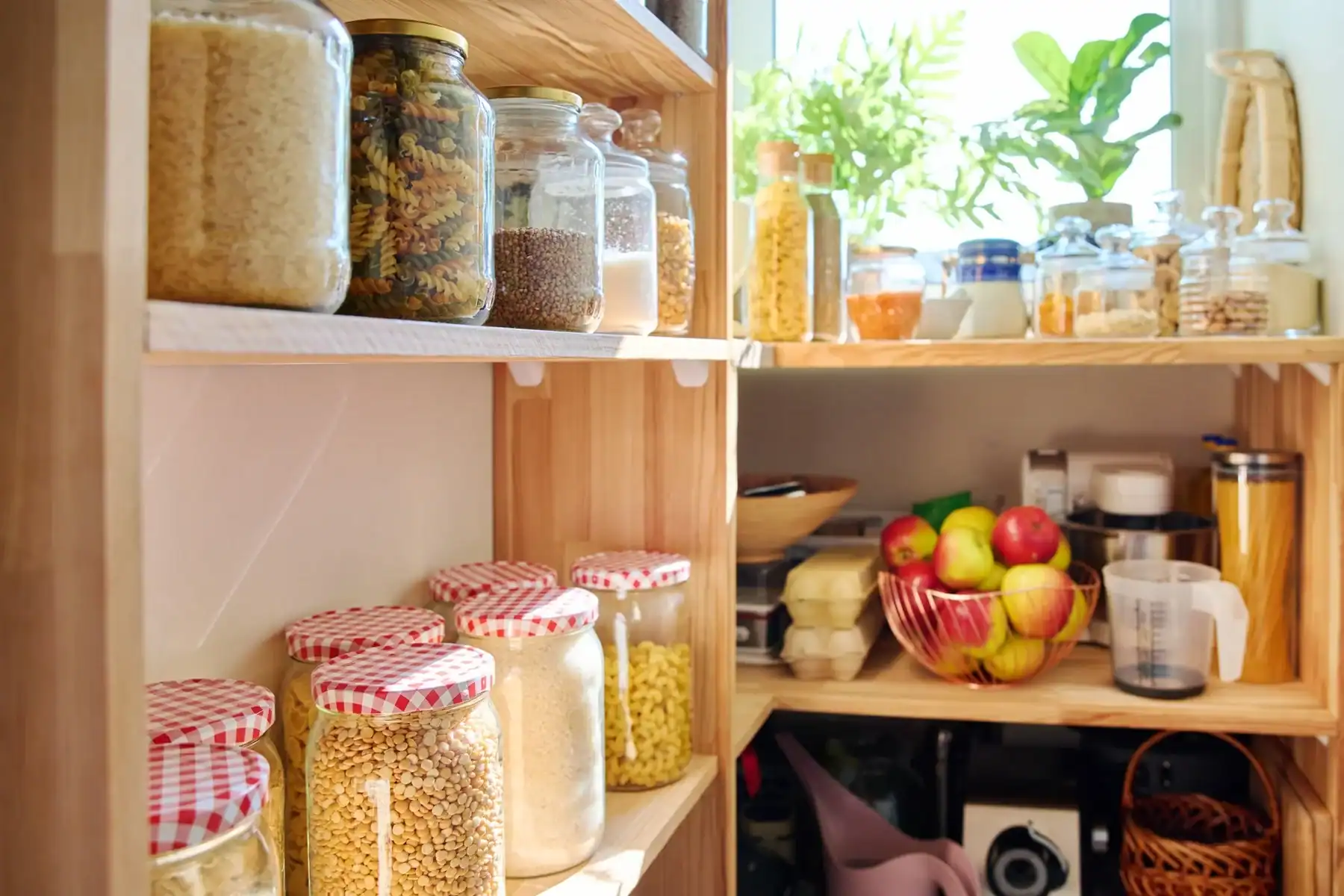
Chicken breast, turkey, and fish are classic choices. They’re incredibly versatile, and you can bake, grill, poach, or pan-sear them. If you’re leaning plant-based, consider lentils, chickpeas, black beans, and tofu. These aren’t just packed with protein and fiber; they’re also inexpensive and last a long time, making them perfect pantry staples. A simple black bean and corn salsa can jazz up a salad, or you can turn lentils into a hearty soup or stew.
Seafood is another fantastic lean protein source, loaded with omega-3 fatty acids that are great for your heart and brain. While cooking fish might seem a bit scary, many types are actually quick and easy to prepare. For a special treat, ordering fresh mussels for a seafood dinner at home gives you a delicious and nutrient-rich option that feels fancy but is simple to make. They cook in just minutes, and you can steam them with garlic, white wine, and herbs for an elegant, light main course. Keeping frozen shrimp or fish fillets in your freezer also means you’ll always have a speedy protein option ready for those busy weeknights.

Quick and Nutritious Meal Ideas
Many people think healthy cooking takes forever, and that’s one of the biggest hurdles. But the truth is, you can get a nutritious and tasty meal on the table in 30 minutes or less with the right recipes and techniques. The trick is to focus on simple ways to cook that let good quality ingredients really shine.
Here are a few ideas to get you started:
- Sheet Pan Dinners: This is the ultimate one-pan wonder for a hectic evening. Just toss your favorite protein (like chicken sausage or salmon) and a bunch of chopped veggies (broccoli, bell peppers, onions, sweet potatoes) with a little olive oil, salt, and pepper. Spread everything out on a baking sheet and roast it at 400°F until your protein is cooked through and the veggies are tender and a little crispy.
- One-Pot Pastas: Forget about using a gazillion pots and pans. For a one-pot pasta, you simply combine uncooked pasta, a protein like shrimp or ground turkey, veggies, and liquid (like broth or canned tomatoes) all in one pot. As the pasta cooks, it soaks up the liquid and creates its own sauce. A dish of cherry tomato and spinach pasta can be ready in about 20 minutes.
- Loaded Salads: A well-made salad is anything but boring. Start with a base of mixed greens and then pile on all the good stuff. Add a lean protein, some healthy fats like avocado or nuts, lots of colorful vegetables for vitamins, and a complex carb like quinoa or roasted chickpeas for lasting energy. A simple vinaigrette made with olive oil and lemon juice is a much healthier choice than those creamy, store-bought dressings.
Smart Ingredient Swaps for Healthy Home Cooking
Simple ingredient swaps can make home-cooked meals healthier without sacrificing flavor. These changes can reduce calories, unhealthy fats, sugar, and sodium while supporting better eating habits.
- Grains: Choose whole grains or alternatives like quinoa, farro, and barley for more fiber.
- Fats: Use olive or avocado oil instead of butter, and swap sour cream for plain Greek yogurt.
- Sweeteners: Reduce refined sugar and use maple syrup, honey, or mashed bananas in moderation.
- Sodium: Add flavor with herbs, spices, and fresh lemon or lime juice instead of relying on salt.
These easy swaps can make healthy, home-cooked meals a natural part of your routine.
Planning for Consistent Healthy Habits
Consistency is key to maintaining a healthy home-cooking lifestyle. Planning your meals and groceries each week can prevent last-minute takeout, reduce food waste, and limit unhealthy impulse buys.
Meal prep also makes cooking at home easier. Wash and chop vegetables, cook grains such as quinoa or brown rice, marinate proteins, or prepare a batch of soup or chili for quick meals throughout the week.
Even an hour or two of preparation can make healthy homemade meals much easier. Start with one or two new recipes each week and gradually build a collection of simple, reliable favorites.