
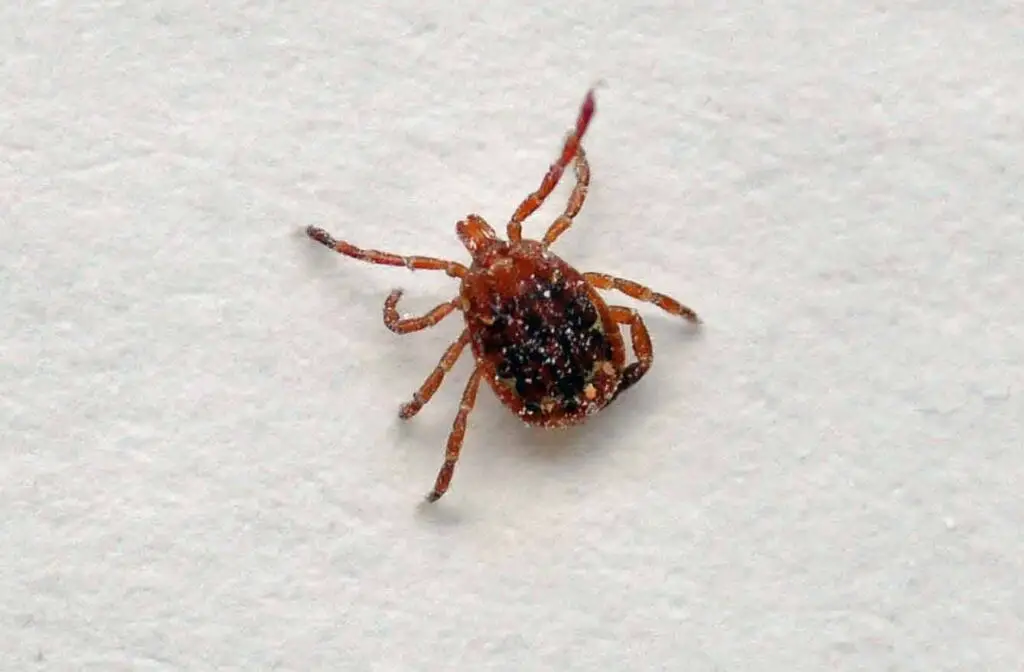
Ticks are small parasitic organisms that feed on the blood of mammals, birds, and sometimes amphibians and reptiles. While ticks themselves are not dangerous, they can transmit serious diseases like Lyme disease, Rocky Mountain spotted fever, babesiosis, ehrlichiosis, and more to humans through their bites. Using an effective tick repellent is an important way to reduce your risk of tick bites and the diseases they may carry when spending time outdoors.
Tick Repellent for Humans
How Tick Repellents Work
Chemical tick repellents use ingredients like DEET, picaridin, and oil of lemon eucalyptus that either repel ticks through scent or irritate them upon contact. These chemicals block the receptors ticks use to detect humans and make us unattractive hosts.
There are also some natural oil-based repellents that can provide protection through strong odors that overwhelm tick sensory organs. Common natural oils used as tick repellents include lemon eucalyptus, citronella, peppermint, lavender, geranium, and lemongrass oils.
When applied correctly, research shows that chemical and natural tick repellents can provide hours of protection against tick bites. Reapplication is needed once the protective oils evaporate or are absorbed into the skin.
Choosing a Tick Repellent
It’s important to consider the active ingredient, concentration, application method, and duration of protection needed when selecting any tick repellent.
Chemical repellents like DEET and picaridin tend to provide longer lasting protection measured in hours, while natural oil repellents usually protect for 60-90 minutes before needing reapplication.
Always be sure to choose an EPA-registered product that contains proven tick-repelling active ingredients like DEET, picaridin, oil of lemon eucalyptus, or one of the natural oils. Follow label application instructions carefully.
Common Active Ingredients
DEET
- Most widely used and studied insect and tick repellent
- Available in concentrations from 5% to 100%
- 30% or more recommended for tick protection
- Can protect against ticks for several hours
- May damage plastics, synthetics, leather

Picaridin
- Odorless synthetic compound similar effectiveness as DEET
- Available in concentrations typically between 10% and 40%
- 20% or more protects against ticks for several hours
- Considered safe, low toxicity

Sawyer Products SP5762 20% Picaridin Insect Repellent,
- Fragrance-free topical insect repellent with 20% Picaridin
IR3535
- Synthetic repellent originally derived from amino acid beta-alanine
- Available in concentrations between 7% and 35%
- Limited effectiveness studies on ticks specifically
Permethrin
- Insecticide and repellent for clothing and gear only
- Should never be applied directly to skin
- Bind to fabric and remain effective through several washes
- Very high toxicity to ticks and insects
Natural Tick Repellents
In addition to synthetic chemical ingredients, there are also natural plant-derived essential oils that have shown tick-repelling properties:
Probably the most studied and effective natural tick repellent. Research indicates similar effectiveness to low concentration DEET when applied frequently. Lasts 60-120 minutes. Avoid use on children under 3 years.

Murphy’s Lemon Eucalyptus Oil
- DEET-Free, Plant-Based | Mosquito and Tick Repellent for Skin + Gear
Citronella Oil
This popular ingredient of patio candles and insect repellent lotions provides short term protection from ticks – 30-60 minutes typically. The strong citronella odor overwhelms ticks’ sensing abilities so they don’t detect a human host nearby.
Peppermint Oil
Studies of peppermint oil have found it can repel ticks for up to 2 hours after application. May be more effective against some tick species than others.

Yaya Organics Tick Ban
- Extra Strength Tick Repellent Made with Essential Oils and All Natural, DEET Free Ingredients
Geranium Oil
Geranium oil has shown strong tick-repelling abilities in lab studies. Protection time is 1-2 hours. More field research is needed on optimal concentrations and application.
Lavender Oil
Used primarily in mixtures with other essential oils like peppermint or geranium. May synergistically enhance other natural tick repellents when blended. On its own has limited research.
Lemongrass Oil
Offers short term effectiveness against tick nymphs and adult ticks. Lemongrass oil seems to effectively overwhelm tick odor receptors. Lasts roughly 90 minutes once applied.
Due to shorter protection times, essential oil repellents need to be reapplied frequently – as often as every 30-90 minutes. This can become inconvenient compared to longer lasting DEET or picaridin repellents. Make sure to always follow label directions.
Using Tick Repellents Safely
Most EPA-registered tick repellents are safe when used correctly, but misuse can cause health issues or skin irritation in some cases. Follow these tips for safe application:
- Always read and follow label directions for your specific repellent product
- Be aware of any active ingredient sensitivities or allergies beforehand
- Apply tick repellent only to exposed skin and outer clothing as directed
- Avoid overapplication which can lead to toxicity and side effects
- Keep concentrations higher on children and limit use on infants under 2 months
- Consider natural plant oils for small children when possible
- Wash treated skin after coming inside; don’t sleep with repellents on skin
- Care for clothing and gear treated with permethrin properly
If you experience skin redness, rash, itching, swelling, headaches, or breathing issues after repellent use, wash treated areas gently with soap and water. Remove treated clothing and seek medical care if symptoms persist or worsen.
Using tick repellents safely means using the amount needed to get protection while minimizing exposure, especially in vulnerable populations.
Preventing Tick Bites
While repellents are extremely useful, other precautions can further reduce your chances of tick encounters:
Clothing Choices
- Wear light colored long pants and sleeves when in tick habitats
- Tuck pants into socks and shirt into pants to keep ticks on outside of clothing
- Choose tightly woven fabrics like cotton flannel which are harder for ticks to bite through
- Wear hiking boots and closed toe shoes versus sandals in tick prone areas
- Consider treating clothes with the repellent permethrin for extra protection
Environmental Precautions
- Avoid sitting directly on logs, tree stumps, rocky ledges, and mossy areas
- Walk in the center of trails to avoid overgrown trail edges
- Use a tarp, blanket or towel when sitting on grass
- Clear tall grasses and brush around yards and play spaces
- Place wood chips or gravel between lawns and wooded/brushy areas
- Stack woodpiles neatly in dry areas away from the home
Checking for Ticks
- Frequently check clothing and skin for ticks when outdoors
- Focus on warm areas of body like armpits, groin, and hairline where ticks congregate
- Remove any attached or crawling ticks promptly with tweezers
- Shower within 2 hours of coming inside to wash off unattached ticks
Being vigilant about checking for ticks in addition to using repellents is important to avoid embedded, disease carrying ticks.
Comparative Effectiveness of Tick Repellents
| Active Ingredient | Protection Duration | % Effectiveness | Notes |
|---|---|---|---|
| DEET 30-50% | 6+ hours | 100% | Gold standard chemical repellent |
| Picaridin 20%+ | 5-8 hours | 95-100% | Similar to DEET, odorless |
| Lemon eucalyptus oil | 2 hours | 90-95% | Avoid in young children |
| IR3535 20%+ | 1-2 hours | Uncertain | Limited tick research |
| Citronella oil | 30-60 mins | 80-90% | Frequent reapplication |
| Peppermint oil | 1-2 hours | 80-90% | Some species variability |
| Geranium oil | 1-2 hours | 80-90% | Mix with other oils |
| Permethrin 0.5% | Thru several washes | 99-100% | For clothing/gear only |
Conclusion
With proper understanding of active ingredients, safety precautions, and correct application techniques, both synthetic and natural tick repellents can effectively minimize exposure risk in tick habitats. Routine tick checks and bite prevention habits complement regular repellent use. Employing multiple strategies appropriate for the conditions provides the best assurance of avoiding tick-borne illnesses. Always consider EPA approved products containing proven ingredients like DEET, picaridin or lemon eucalyptus oil for the most reliable and long lasting protection.
Does Vinegar Keep Tick Bites from Itching? The reason to bother is tick-borne diseases. For the wider strategy, see how to prevent ticks. For what they look like and where they wait, see our field notes on ticks.