

A predator proof duck run is built on one hard truth: predators test weak spots you forgot about. They dig under edges, reach through wire, climb corners, pry simple latches, squeeze through gaps, and attack from above. Ducks are especially vulnerable because many domestic breeds are heavy, slow to take flight, and easy to herd into panic.
The short answer: use hardware cloth or strong welded wire, cover or net the top where aerial predators are a risk, protect the bottom edge with a buried barrier or apron, use real latches, remove food attractants, and lock ducks into a secure house at night. University of New Hampshire Extension’s poultry predator guidance says quality fencing, small wire openings, electric poultry fencing, overhead cover, buried mesh, and nighttime lockup are key parts of predator prevention.
Reference: UNH Extension predator protection guidance.
What You’ll Learn
Know What You Are Building Against
Different predators use different tactics. A raccoon may reach through wire or open a simple latch. A fox or dog may dig. A hawk or owl may attack from above. A rat may squeeze through a tiny gap. A snake may target eggs or small ducklings. A coyote may test the perimeter. A loose neighborhood dog can do terrible damage in minutes.
Predator-proofing is not about one magic product. It is about asking, “How could something get in?” and answering that question at every surface: sides, top, bottom, gate, corners, vents, and night shelter.
Chicken Wire Is Not Enough
Chicken wire is useful for keeping poultry inside a boundary. It is not reliable predator protection. The openings are too large, and the wire is too weak for many threats. Raccoons can reach through. Dogs can tear it. Determined predators can bend or break flimsy wire.
For vulnerable areas, use 1/2-inch hardware cloth or strong welded wire with openings small enough to prevent reaching. Hardware cloth is especially useful along the lower walls of a run, around vents, over windows, and anywhere a duck may sleep or rest close to the edge.
If cost is an issue, prioritize the bottom three feet, corners, doors, and night shelter first. That is where many failures happen.
1/2 inch Chicken Wire Fence, Galvanized Welded Cage Wire Mesh Roll Supports Poultry Netting Cage Fence

Stop Digging With an Apron or Buried Barrier
Digging predators do not need the whole fence to fail. They need one soft edge. A buried hardware cloth barrier or an outward-facing apron can stop many digging attempts.
A buried barrier goes down into the soil along the fence line. An apron lies flat on or just under the ground, extending outward from the run. When a predator digs at the fence, it hits wire and gives up or moves along the edge without finding an opening. Aprons are often easier than trenching, especially around established runs.
Pin the apron securely and cover it with soil, gravel, mulch, or grass. Inspect it after storms, erosion, and freeze-thaw cycles.
Cover the Top
Ducks are not safe just because the side fence is tall. Hawks, owls, climbing predators, and raccoons can use the top. A covered run is best for small flocks, ducklings, bantams, and predator-heavy areas.
Use welded wire, hardware cloth, strong poultry netting, or a roof structure depending on your budget and risk. Lightweight bird netting may help with hawks but will not stop a raccoon or falling branch. Snow load matters in cold climates. If the run is large, you may cover the most vulnerable section and still lock ducks into secure housing at night.
Shade cloth is not predator cover unless it is paired with strong wire. A tarp helps with weather but does not replace a secure top.
Build a Real Gate
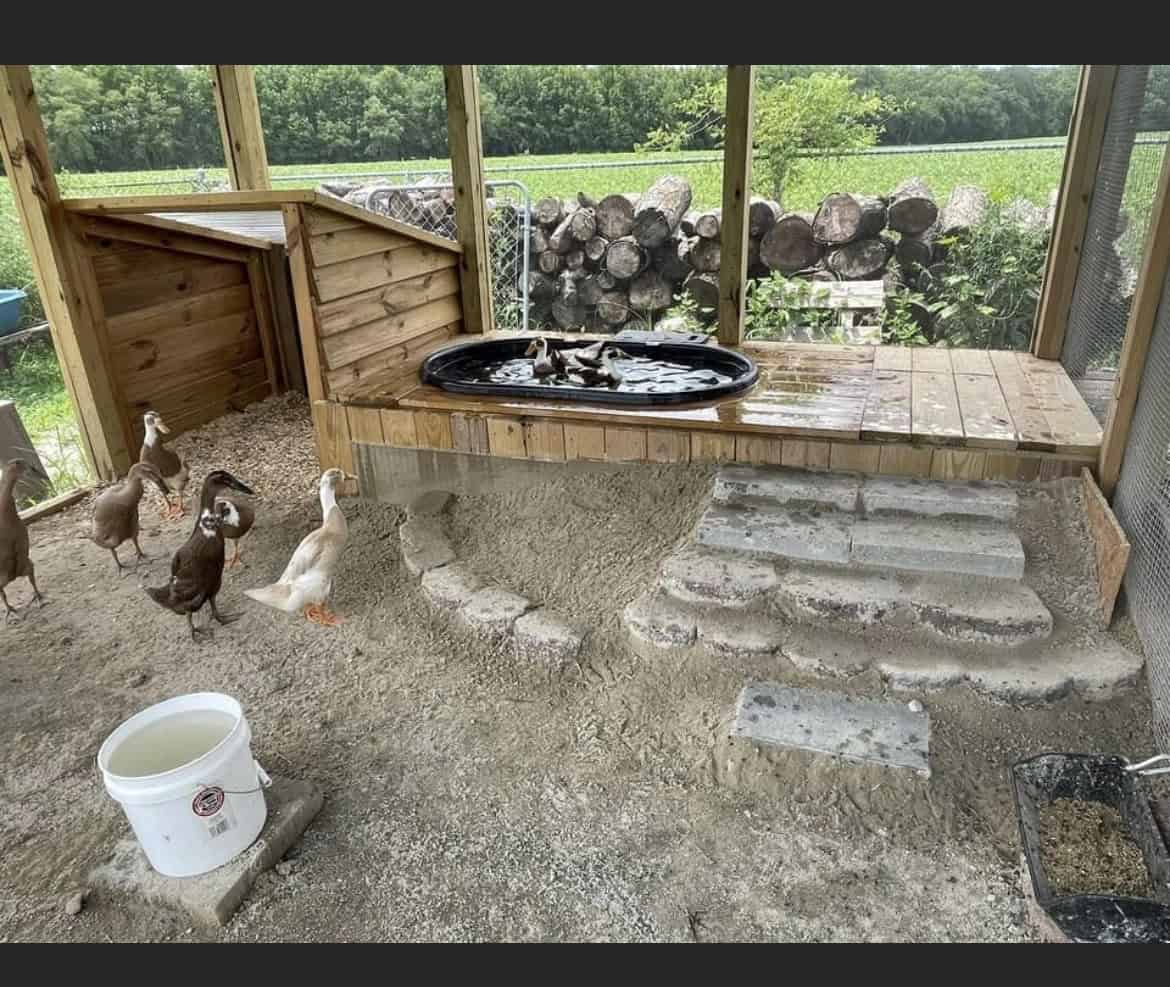
The gate is often the weakest part of a run. It shifts, sags, leaves gaps, and gets closed in a hurry. Predators find that. Use a sturdy frame, tight fit, and latch that cannot be flipped open by a paw or nose. Carabiners, two-step latches, or locking hasps are better than simple hooks.
Check the gap under the gate. If a duck can push bedding out, a predator may be able to dig in. Add a threshold, buried wire, or apron at the gate entrance.
Secure the Night House
Even a strong daytime run should not be the only protection. Ducks should go into a secure coop or duck house at night. Many predators are most active from dusk to dawn, and ducks do not see or escape well in darkness.
A secure night house should have hardware cloth over ventilation, tight doors, predator-resistant latches, no rotten boards, no loose trim, and no holes larger than you would trust with your hand next to a raccoon. If you are still designing housing, Duck Coop vs. Chicken Coop: What’s Actually Different explains the duck-specific setup issues that matter.
Manage Food and Water Attractants
Predators and pests are drawn by feed, spilled grain, eggs, rodents, and compost. Ducks are messy eaters, so feed management matters. Do not leave piles of feed in the run overnight. Store feed in metal cans or secure bins. Clean up broken eggs. Keep grass and clutter down around the run so predators have fewer hiding spots.
Rodents can attract larger predators. If feed is constantly available to mice and rats, you are building a bigger problem. For safe feeding routines, What Do Ducks Eat? A Comprehensive Guide to Duck Diets is a useful supporting read.
Use Electric Fencing Thoughtfully
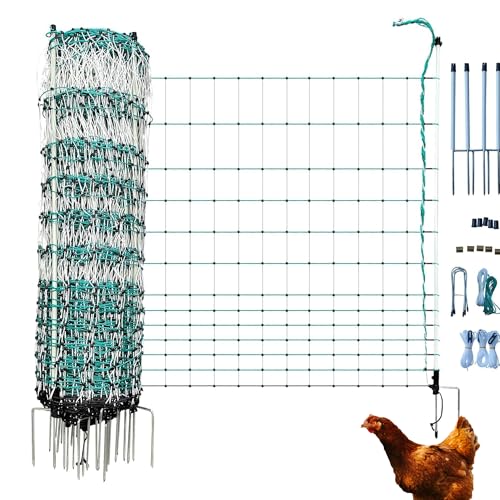
Electric poultry netting can be very effective against some ground predators, especially when it is installed, powered, and maintained correctly. It is not a set-and-forget solution. Vegetation can ground it out. Snow can reduce effectiveness. Ducks may need training to respect it. Ducklings can slip through some netting sizes.
Electric fencing works best as one layer in a system, not the only layer. A secure night house is still important.
Do Not Forget Ducklings
Ducklings are more vulnerable than adult ducks. They fit through smaller gaps, chill easily, and attract predators. A run that is safe for adult Pekins may not be safe for three-week-old ducklings. Use smaller mesh, tighter brooder protection, and closer supervision.
If you are raising young birds with chicks, review Housing Baby Chicks and Ducklings before moving them outdoors.
Daily Predator Proof Duck Run Routine
Materials matter, but habits matter too. Build this routine into chores:
- Lock ducks up before dusk.
- Check that every latch is fully closed.
- Look for digging along the fence line.
- Watch for bent wire or widened gaps.
- Pick up feed spills.
- Check overhead netting after storms.
- Count birds every night.
- Listen to flock behavior; sudden panic usually has a reason.
A five-minute check can prevent the kind of loss that makes people quit poultry entirely.
What Actually Works Best?
The strongest duck run systems usually combine these layers:
- Secure night coop.
- Hardware cloth or strong welded wire on vulnerable sides.
- Digging apron or buried barrier.
- Covered top or protected run section.
- Predator-resistant latches.
- Feed storage and cleanup.
- Regular inspection.
- Optional electric perimeter for high-pressure areas.
No setup is perfect, but layered protection turns an easy target into a difficult one. Predators usually choose the easiest meal.
Frequently Asked Questions About Predator-Proofing a Duck Run
Is chicken wire safe for a duck run?
Chicken wire can keep ducks contained, but it is not reliable predator protection. Use hardware cloth or strong welded wire where predators can reach, dig, or push.
How do I stop predators from digging under a duck run?
Install a buried barrier or an outward-facing hardware cloth apron around the perimeter. Pay special attention to gates and corners.
Do ducks need to be locked up at night?
Yes. Even with a good run, ducks should be secured in a predator-resistant shelter at night.
Will a pond protect ducks from predators?
No. A pond may help ducks avoid some daytime threats, but it does not replace fencing, night housing, and predator-proof routines.