A weekly meal plan does not have to mean assigning a rigid dish to every single night. That approach often fails because life is unpredictable. A late meeting or a tired child can ruin a plan for a three course meal. Instead, low-stress planning is about having enough ingredients for a few reliable options. This allows you to choose what to cook based on how much energy you have left when 6:00 PM hits. I have found that the more I try to script my life, the more the kitchen feels like a place of failure rather than a place of nourishment.
I keep my weekly meal plan in Notion where I can easily move meals around. My house is a bit of a revolving door, and I am never really sure how many people will be at my house for dinner based on their work schedules. Plus, as a diabetic, I have to make sure that I have options on hand to make sure that I can meet my nutritional needs as well as those of my family.

Why a Weekly Meal Plan Reduces Decision Fatigue
The mental load of deciding what to eat is heavy. Research suggests we make over 200 food decisions every day. By the time dinner comes, many of us are suffering from decision fatigue. Dr. Chad Larson, founder of The Adapt Lab, points out that the fewer decisions you need to make about food, the clearer your mind will be. When you are not scrambling to figure out a meal at the last minute, your stress levels drop and your digestive system actually functions more effectively. Larson suggests that simplifying your meal choices by selecting only a few go-to meals and prepping ingredients in advance prevents that 5:00 PM panic.
Registered dietitian Shelley Balls from Flawless Bloom notes that the stress of kids asking what is for dinner when you do not have an answer is a major pain point for families. Having a plan in place ensures food is ready to be eaten when the family is hungry. This does not just lower cortisol; it also saves money and cuts down on food waste because you are not buying duplicates of what is already sitting in the back of your cupboard. It provides a game plan for those moments when you feel like you have reached your limit.
Building Meals From Your Pantry and Freezer
Most people have the foundations of a dozen meals hiding in their pantry. Rice, beans, pasta, and canned proteins are the workhorses of a sustainable weekly meal plan. However, relying purely on shelf-stable goods can lead to some nutritional gaps. Emma Zheng, a nutritionist and co-founder of SummitBreezeTea, mentions that pantry-heavy meals often lack enough protein and fiber to keep people full. She has seen many families who feel exhausted even thinking about dinner, often because their blood sugar is spiking and crashing from unbalanced, carb-heavy pantry meals.
To fix this, keep a variety of frozen vegetables on hand. Frozen produce is picked at peak ripeness and frozen immediately, meaning it often holds more nutrients than fresh produce that has been sitting on a truck for a week. Shelley Balls suggests having washed, chopped, and frozen veggies ready to go so you do not skip the green component of your meal just because you are tired of chopping. Low-sodium canned green beans or corn are also easy ways to fill those nutritional gaps without a trip to the store. Eating with the seasons can also help you save money and increase the variety in your diet, as produce is at its peak nutrient density and lowest price.
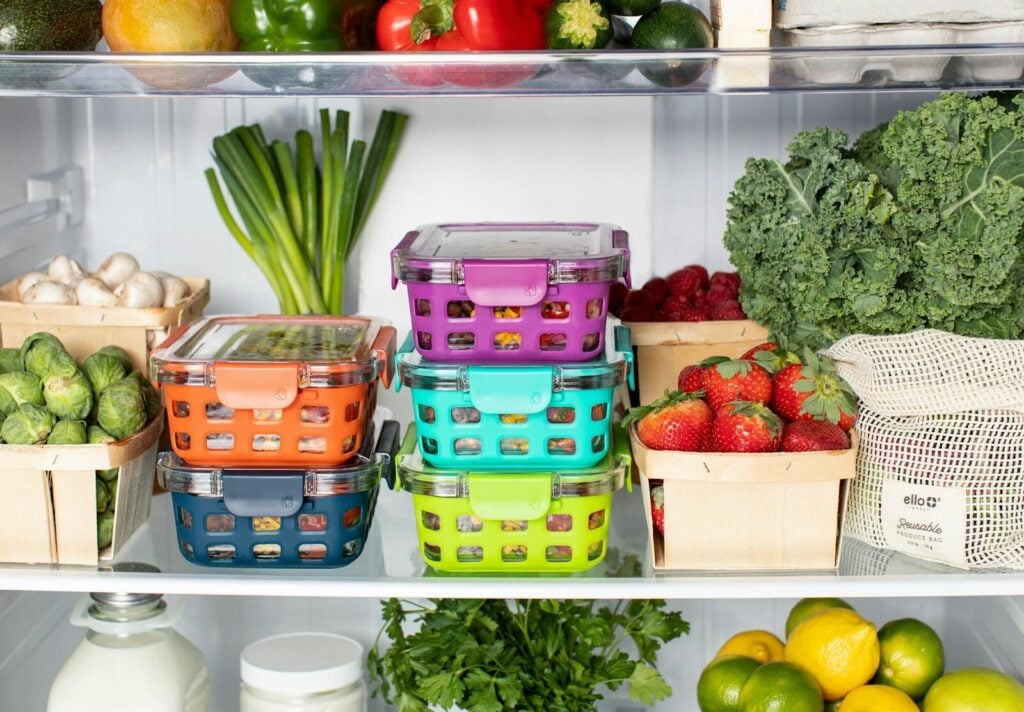
Using the Plate Model for Simple Balance
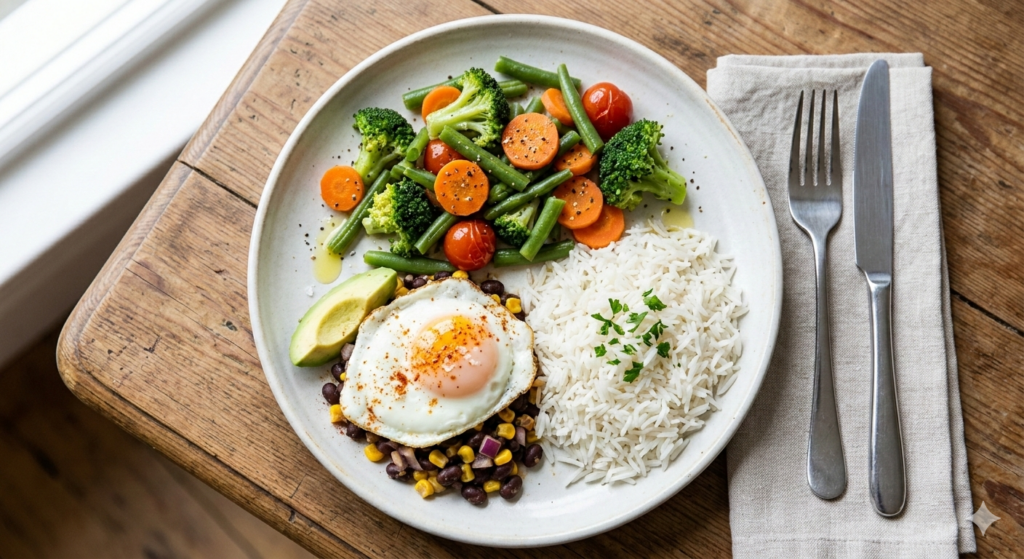
You do not need a complicated recipe to have a healthy dinner. A simple way to build a meal is to follow the plate model. Dr. Kezia Joy, a Registered Dietitian Nutritionist and Medical Advisor at Welzo, recommends filling half your plate with vegetables, one quarter with a protein source like eggs or beans, and the final quarter with a grain like rice. This provides sufficient fiber, protein, and carbs without needing a cookbook.
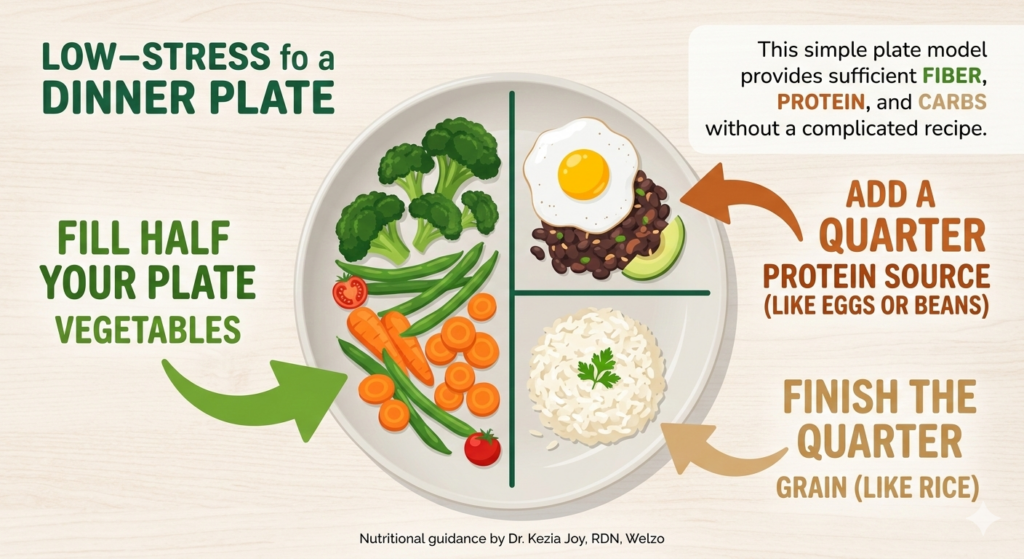
This formula works regardless of what is in your cabinets. If you have a bag of rice, a can of black beans, and a bag of frozen peppers, you have a balanced meal. You can use olive oil, avocado, or nuts to add healthy fats, which Emma Zheng notes are essential for absorbing vitamins and staying satisfied until the next meal. Good fats keep you going throughout the day and prevent the late-night snacking that happens when a meal is too lean. The goal of the weekly meal plan is not to create a gourmet experience every night but to ensure consistent nourishment.
One Pan Meals and the Power of Eggs
Cleanup is often the part of cooking that people dread most. Utilizing one pan meals is a practical way to keep the weekly meal plan from feeling like a chore. Sheet pan dinners or one pot pasta dishes limit the number of dishes in the sink. Shelley Balls suggests adding chopped spinach to these meals right at the end to boost nutrients without changing the flavor much. One of her favorite pantry staple one pan meals is Mexican Quinoa, which uses canned tomatoes, black beans, frozen corn, and quinoa.
Eggs are another underrated staple for low-stress weeks. They are affordable, cook in minutes, and provide high-quality protein. If you are eating something simple like ramen noodles, Shelley suggests cracking an egg into the boiling water and adding a handful of frozen peas to boost protein and fiber. Whether they are boiled for a snack, used in a frittata, or served over a salad, eggs help bridge the gap between having nothing to eat and a finished dinner. Dr. Kezia Joy notes that using a small group of basic recipe choices provides a theme that family members enjoy, which creates fewer decisions and less waste.
Repurposing Leftovers to Save Time
A common mistake busy households make is trying to cook something brand new every single night. This is a fast track to burnout. Batch cooking and repurposing leftovers is a much more sustainable strategy. Shelley Balls calls this “planned overs.” If you cook a large portion of protein on Sunday, like a pork shoulder or a big batch of chicken, you can use it in different ways all week.
For example, you might have the protein with roasted vegetables and rice on the first night. On Monday you could make pulled pork sandwiches, Tuesday pulled pork tacos, and on Wednesday a loaded baked potato with pork. This approach keeps leftovers from feeling boring and ensures that you only have to do the heavy lifting of cooking once or twice a week. Leftovers are also a great thing to bring to work the next day to save money and boost nutrient intake compared to eating out.
Managing Cortisol Through Routine
Emma Zheng explains that when we are making too many decisions, our bodies produce more cortisol. Reducing this mental strain through a weekly meal plan makes digestion and sleep better. She compares this to the art of a slow tea ritual. A routine is good for the nervous system. When you know what is for dinner, your brain can finally relax after a long day of work. A simple structure creates space in the brain.
This is why my Notion system works for me. By removing the “what should I make” question, I am removing a primary stressor. I can look at my list, see that I have ingredients for three different meals, and pick the one that fits the number of people currently sitting in my living room. Planning ahead also allows you to focus on seasonal produce. Shelley Balls suggests that eating with the seasons helps save money and increases the variety in your diet. Buying foods at their peak provides extra nutrition and helps you include a variety of colors, which each have unique benefits.

Avoiding the Perfectionism Trap
Many people quit their weekly meal plan because they try to do too much at once. They pick five new, complicated recipes and realize by Tuesday that they do not have the time or energy to follow through. Emma Zheng emphasizes that simple meals are better than perfect meals. Wellness should feel like a peaceful feeling, not a stressful one. When parents try to do too much, they get frustrated and quit.
Dr. Chad Larson echoes this by advising families to keep it simple, consistent, and realistic. Overcomplicating meal choices is the primary reason healthy habits fail. If you find yourself overwhelmed, go back to the basics: a grain, a protein, and a vegetable. By focusing on a few go-to meals and keeping your pantry stocked with basics, you create a safety net for those days when things go wrong. Consistency matters more than variety.
Practical Steps for Your Weekly Meal Plan
To start your own weekly meal plan, begin with an inventory of what you have. Look in the back of the pantry for those lentils or cans of tuna you bought months ago. Use a digital tool like Notion or even a simple piece of paper on the fridge to list the meals you can make with those items. Tag them by expiration or effort level.
Dr. Kezia Joy warns that many families plan too many meals at once and struggle to sustain the pace. Start by planning three or four flexible nights. If you have the ingredients for a bean chili, a chicken stir fry, and an egg-based dish, you have the flexibility to swap them depending on your mood. This reduces the pressure to perform and turns cooking back into a simple act of care for yourself and your family.
Building a weekly meal plan is a skill that improves with time. You start to notice which items in your pantry always save the day and which ones sit unused. By centering your planning around what you already have, you save money and reduce the friction of getting dinner on the table. The goal is a kitchen that works for you, not the other way around.