
What you need before bringing home turkey poults is less about buying everything in the catalog and more about having the right basics ready before they arrive. Turkey poults are more sensitive than chicks, especially in the early days. They notice temperature swings, footing problems, and stress quickly. If you prepare the space and routine ahead of time, the birds settle in faster and you spend less time reacting to problems.
Most early losses happen in the first week. Chilling, piling, dehydration, and leg issues are common, and almost all of them are preventable. This is steady work, not complicated work. When the setup is right, turkey poults are enjoyable to raise and surprisingly personable.
Start With a Brooder That Actually Works for Turkey Poults
The brooder is the foundation of everything that comes next. Turkey poults need more space than chicks and they need it sooner than most people expect. Crowding leads to stress, piling, and injuries, especially at night.
A large stock tank, a roomy tote, or a solid brooder box all work well. Plan for at least two square feet per poult by three to four weeks of age. You can start smaller for the first few days, but you should already know how you will expand the space. Poults grow fast and they do not tolerate being packed in.

Brooder walls should be tall enough to block drafts and prevent escapes. Turkey poults can jump earlier than you expect. Smooth sides help prevent wing injuries when they start fluttering. Cardboard can work short term, but it needs reinforcement.
Location matters more than people think. Choose a space with stable temperatures and minimal traffic. Garages, mudrooms, or utility rooms often work well if they are draft free. Avoid placing the brooder where dogs, kids, or loud equipment pass constantly. Poults startle easily and stress shows up fast.
Getting the Heat Right From Day One
Heat is one of the most important parts of what you need before bringing home turkey poults. Start with a brooder temperature around ninety five degrees measured at poult level. Lower the temperature gradually by about five degrees each week as they feather out.
Heat lamps are common and effective when set up carefully. Secure the lamp with both a clamp and a backup chain. Position it so poults can move toward or away from the heat on their own. Their behavior tells you more than a thermometer. Tight huddling means cold. Avoiding the heat and panting means too warm.
Brooder plates are another solid option. They provide steady heat and reduce fire risk. Turkey poults sometimes need a little help learning to use them. Gently place them under the plate a few times on the first day so they understand where warmth comes from.
Have a backup plan for heat. Power outages happen. Extra bulbs, extension cords, or even hot water bottles wrapped in towels can make a difference during an emergency.
Bedding Matters More Than You Think
Footing is often overlooked, but it plays a huge role in early poult health. Slippery surfaces can cause leg issues that are hard to correct later.
For the first few days, use paper towels, puppy pads, or rubber shelf liner over absorbent bedding. This gives poults traction while they figure out how to walk steadily. Avoid newspaper. It is slick and leads to leg problems quickly.
After the first week, transition to pine shavings or chopped straw. Keep bedding dry. Damp bedding chills poults and increases ammonia. Both cause stress and respiratory issues.
Spot clean daily, especially around waterers. Full bedding changes depend on flock size, but fresh footing always matters more than convenience.
Feed That Turkey Poults Can Actually Thrive On
Turkey poults need higher protein than chicks. A turkey starter with around twenty eight percent protein supports proper growth in the first weeks. Chick starter alone is not enough and often leads to slow development.
Use a shallow feeder at first so poults can easily find the food. On the first day, sprinkling feed on a paper towel helps them understand where meals come from. Tapping the feed lightly with your finger often draws their attention.
Keep feed dry and fresh. Remove any wet or caked feed immediately. Mold develops quickly and turkey poults are sensitive to it.
Unless you have a specific reason, avoid medicated feed. Turkeys react differently to medications than chickens. A clean setup and good space do more for health than additives.
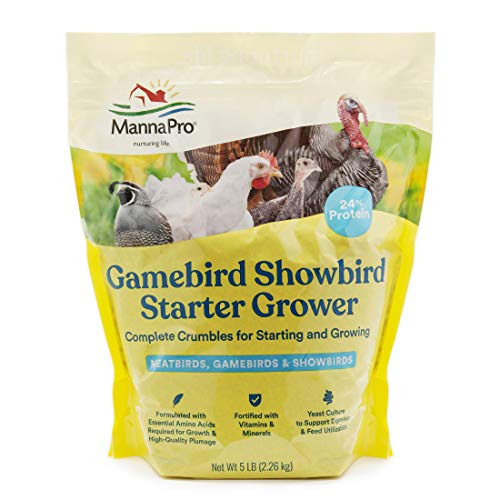
High Protein Complete Feed for Quail, Pheasants, and Ornamental Birds Fortified with Vitamins and Minerals for Growth and Performance 5 lb Bag
Water Setup That Keeps Poults Safe and Drinking
Water causes more early problems than most people expect. Turkey poults can drown in surprisingly shallow water. Use a shallow waterer base or add clean marbles or stones to limit depth.
When poults arrive, gently dip each beak into the water so they know where it is. Do not force water into their mouths. Just enough contact for recognition.
Place water near the heat source but not directly under it. Warm water discourages drinking and encourages bacteria. Cold water chills birds. Aim for cool, clean water changed at least once a day, more often if bedding gets kicked in.
As poults grow, raise the waterer slightly on a block to reduce mess. Adjust height regularly as they get taller.
Where They Go After the Brooder Phase
What you need before bringing home turkey poults includes knowing where they will live next. Turkeys outgrow brooders quickly. By six to eight weeks, they need a larger space with good airflow and protection from weather.
Decide early if they will move to a tractor, a barn stall, or a dedicated turkey area. Turkeys do not roost much at first, but they benefit from low roosts as they grow.
Predator protection matters even indoors. Rats, raccoons, and snakes are drawn to feed and young birds. Secure openings and use hardware cloth where needed.
Pay attention to flooring. Slick concrete causes leg problems. Dirt, mats with bedding, or textured surfaces are easier on growing birds.
Turkey Poults Do Better With Company and a Calm Routine
Turkeys are social and they imprint strongly. Raising at least three together helps reduce stress and odd behaviors later. Lone poults struggle.
Spend time near them every day. Calm presence matters. Talk while you clean or refill feed. Move steadily. Sudden movements cause piling.
Avoid mixing poults with chicks early on. Turkeys are slower and more fragile. They also need different feed. If you plan to integrate later, wait until sizes are similar.
Fresh Air Without Chilling Them
Ventilation matters from the beginning. Ammonia from droppings builds quickly and damages lungs and eyes. Fresh air removes moisture and odor.
At the same time, drafts chill poults fast. Air should circulate above bird level while the floor stays protected. Adjust openings as seasons change.
Trust your senses. Strong odor means ventilation is not enough. Poults avoiding one side of the brooder often signals a draft.
A Few Health Supplies You Will Be Glad You Have
You do not need a shelf full of products, but a few basics help. Electrolyte powder supports poults during shipping stress or temperature swings. Vitamin supplements are useful if birds seem slow to eat or weak.
Keep a small hospital setup ready. A tote, towels, and a separate heat source allow you to isolate a poult if needed. Early separation can prevent piling injuries.
Know where your nearest farm supply store is and their hours. When something goes wrong, speed matters.
for Poultry , Birds, Chickens, Ducks, Turkeys

Learning What Normal Turkey Poult Behavior Looks Like
Turkey poults behave differently than chicks. They are curious but less coordinated. They startle easily and can pile if frightened.
Dimming lights slightly can help reduce piling, especially at night. Watch how poults rest. They should spread out comfortably with relaxed posture. Constant peeping usually means something is wrong.
Lethargy is also a warning sign. Quiet birds that do not move much need attention. Observation beats schedules every time.
Be Honest About the Time This Takes
What you need before bringing home turkey poults includes time in your day. The first week requires frequent checks. Morning, midday, and evening visits are normal.
Consistency helps poults settle. Do chores in the same order each day. Keep lighting predictable. Avoid unnecessary handling early on.
If you will be away for long stretches, arrange help. Poults do not do well with long gaps in care.
Keeping Things Clean Without Going Overboard
Biosecurity does not need to be extreme, but it does need to be consistent. Wash hands before and after handling poults. Change shoes if you visit other poultry areas.
Clean feeders and waterers regularly using hot water and a mild disinfectant. Rinse thoroughly. Residue matters with young birds.
Keep wild birds out of the brooder area. They carry diseases turkey poults are especially vulnerable to.
Why Weather Still Matters Even Inside
Indoor brooders are affected by outdoor weather. Cold snaps pull heat from rooms. Summer heat pushes brooders too warm.
Monitor room temperature, not just the heat source. Adjust lamp height or plate settings as conditions change.
Humidity also plays a role. Damp air increases chilling. Very dry air contributes to dehydration. Balance matters.
Setting Things Up Before Poults Come Home
Before poults arrive, turn on the heat and let the brooder stabilize for several hours. Make adjustments ahead of time.
Have water and feed placed and ready. The first hour matters. Move poults gently from the box to the brooder and check each one.

Watch closely during the first evening. Most issues show themselves early if you are paying attention.
Mistakes Most People Make With Turkey Poults
Using chick feed slows growth. Crowding causes piling. Slick flooring leads to leg problems. Inconsistent heat stresses birds.
Overhandling early on is another common mistake. Observation is good. Constant picking up is not.
Do not assume poults behave like chicks. Similar does not mean the same.
How Your End Goal Changes Early Decisions
If you are raising turkeys for meat, early growth and leg health matter. If you plan to keep breeding birds, temperament and steady development are important.
Broad-breasted turkeys need especially good footing and space. Heritage breeds are often more active but still sensitive early.
Heritage vs. Broad-Breasted Turkeys: What’s the Difference?
Knowing your goal helps guide feed choices, space planning, and handling style.
A Simple Final Check Before Poults Arrive
Heat stable. Bedding dry with good traction. Feed and water tested. Space planned for growth. Time set aside for extra checks.
What you need before bringing home turkey poults is preparation and attention. When the basics are ready, the birds settle in and the work feels steady instead of stressful.


