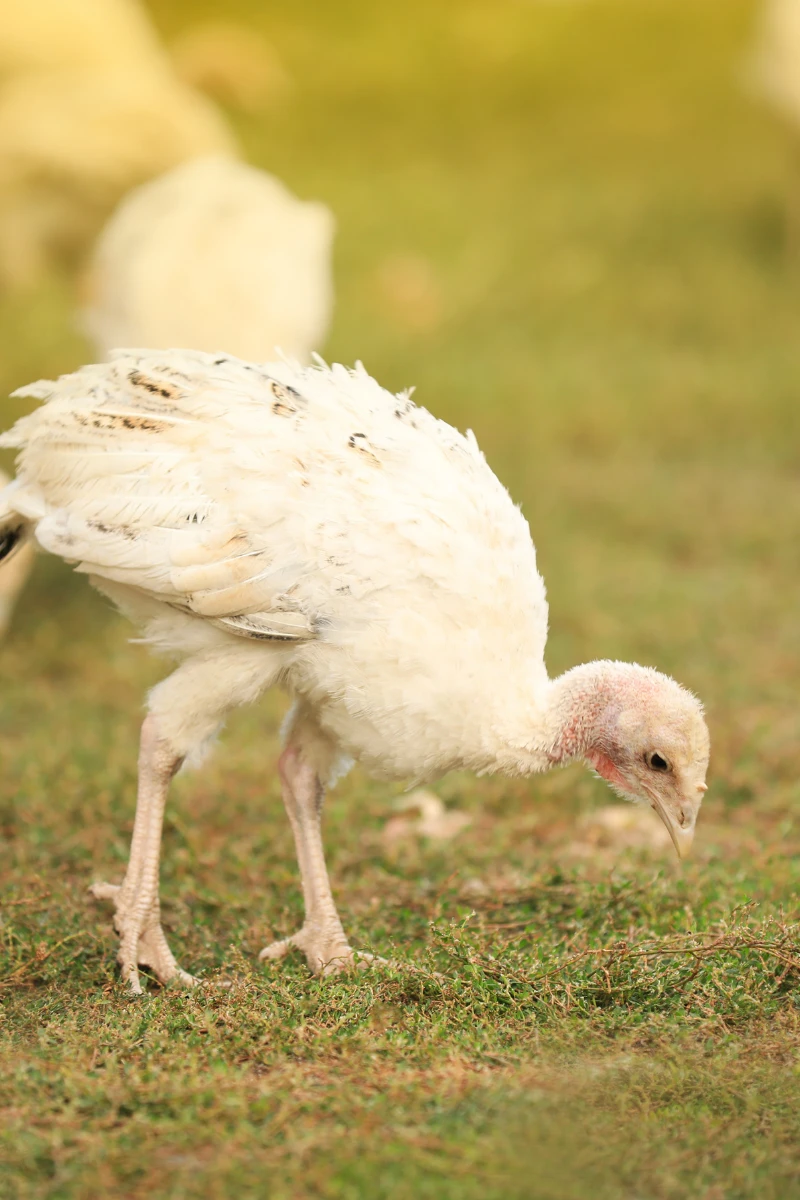

There comes a point in every turkey season when the birds start looking less like awkward poults and more like Thanksgiving dinner on legs. They are heavier, slower, louder, and harder to ignore. That is when the question starts: is it time?
Learning how to butcher a turkey starts before processing day. The actual work matters, but timing matters just as much. A turkey processed too early may be narrow, under-fleshed, and disappointing after months of feed. A turkey kept too long may cost more than it gains, develop leg strain, or end up better suited for slow cooking than roasting. The goal is not to hit a magic date. The goal is to read the bird, understand the breed, and plan the day so the work is calm, clean, and humane.
What You’ll Learn
Start With the Breed
Breed changes everything. A broad-breasted turkey and a heritage turkey are not on the same timeline.
Broad-breasted white and broad-breasted bronze turkeys are bred for fast growth and heavy breast meat. They reach usable butcher weight quickly, and most homesteaders process them around 16 to 20 weeks. Waiting much longer can mean more feed with less gain, and in some birds it can also mean leg trouble because the body outgrows the frame.
Heritage turkeys grow more slowly. Bourbon Red, Narragansett, Royal Palm, Standard Bronze, and similar heritage birds often need 24 to 30 weeks or longer, depending on the size and flavor you want. They will not look like grocery-store broad-breasted birds. They are usually leaner, more active, and narrower through the breast, but the meat can have excellent flavor.
If you are still deciding what type of turkey to raise, our guide to heritage vs. broad-breasted turkeys is worth reading before you buy poults. The processing timeline starts with that breed choice.

Turkey Butchering Age by Type
Use age as a starting point, not a commandment. Weather, feed, pasture, genetics, flock health, and management all affect growth. Still, these ranges help you plan.
| Turkey Type | Average Butcher Age | Ideal Tom Weight | Ideal Hen Weight |
|---|---|---|---|
| Broad-Breasted White | 16 to 20 weeks | 30 to 40 pounds | 15 to 20 pounds |
| Broad-Breasted Bronze | 18 to 22 weeks | 25 to 35 pounds | 14 to 18 pounds |
| Heritage Breeds | 24 to 30+ weeks | 16 to 25 pounds | 10 to 16 pounds |
These are live-weight targets, not guarantees. A bird can be technically old enough and still look unfinished. Another bird may hit a useful weight earlier than expected. Weighing helps, but your hands and eyes matter too.
Check the Breast and Keel
The best simple readiness check is the breast muscle. Pick up the bird carefully or feel along the breast while it is calm. You are looking for good flesh on both sides of the keel bone. If the keel feels sharp and the bird still looks lanky, give it more time. If the breast feels broad, rounded, and well developed, the bird is probably close.
This matters because weight alone can fool you. A tall, bony bird can weigh more than expected without carrying the meat you want. A smaller hen can be perfectly ready even if she will never match a tom’s weight. Processing turkeys is part numbers and part observation.
If you are raising your first batch and still working through the basics, our beginner’s guide to raising turkeys gives the bigger picture: housing, feed, space, health, and daily care before you reach this point.
Watch Feed Efficiency and Behavior
The calendar tells you when to start paying attention. The birds tell you when the season is ending.
As turkeys near maturity, you may notice they eat a lot but gain very little. That is diminishing return. Feed goes in, but weight does not increase enough to justify waiting. With broad-breasted birds, this is often the signal to stop stretching the season.
Behavior can shift too. Mature turkeys may move more slowly, squabble more, pace, or look like they have simply reached the end of the grow-out period. Toms may become harder to manage. Hens may be quieter but still ready by body condition. Do not rely on attitude alone, but combine it with age, weight, and breast development.
Plan Around the Meal Date
If you are raising a turkey for Thanksgiving, Christmas, or another specific meal, work backward.
For a fresh bird you plan to keep in the refrigerator, processing 3 to 4 days before the meal gives the turkey time to rest and tenderize after rigor mortis while still staying in a practical cooking window. If you plan to freeze the bird, process at least a week ahead so you have time to chill, package, freeze, and later thaw safely.
The USDA Food Safety and Inspection Service says fresh whole turkey keeps in the refrigerator for 1 to 2 days and that frozen whole turkey is best quality within 12 months, while also noting that turkey should be cooked to a safe internal temperature of 165 degrees Fahrenheit. Their Turkey from Farm to Table resource is a good food-safety reference for storage, thawing, and cooking after processing.
For home-raised birds, I like to think in stages: process, chill, rest, package or cook, then clean the workspace thoroughly. Do not plan a first turkey processing day the morning guests arrive. Give yourself margin.
What You Need Before Processing Day
Butchering turkeys is physically different from butchering chickens. Turkeys are larger, stronger, heavier to lift, and harder to fit into standard poultry equipment. A setup that works fine for broilers may feel undersized with a mature tom.
At minimum, prepare:
- A clean, sturdy table
- Sharp knives
- A killing cone or secure restraint setup sized for turkeys
- A large scalding pot or scalder
- A propane burner or heat source for scald water
- A poultry plucker that can handle turkeys, or enough time and help for hand-plucking
- Food-safe buckets or tubs
- Plenty of ice
- Large coolers
- Clean water
- Towels, gloves, aprons, and sanitizing supplies
- Bags or freezer packaging sized for large birds
Do not assume your chicken equipment will be big enough. Test the pot, cone, plucker, and cooler before the birds are standing there waiting.
The Day Before Butchering Turkeys
The day before processing should be boring. That is the goal.
Pull feed the night before or about 12 hours ahead, but do not remove water. Withholding feed reduces mess during evisceration, but birds still need water. Set up tables, knives, tubs, bags, coolers, and ice before you catch the first turkey. Make sure the area is shaded, clean, and organized.
Check the weather. Processing large birds in heat is stressful and can make chilling harder. If you must work in warm weather, start early and have more ice than you think you need.
If this is your first turkey processing day, ask for help. One person can butcher chickens alone once they know the rhythm. Turkeys are different. Extra hands make catching, lifting, scalding, plucking, chilling, and cleanup safer and calmer.

Processing Day Priorities
This article is not meant to replace hands-on instruction from an experienced processor, but the priorities are straightforward: handle birds calmly, work cleanly, chill quickly, and keep the meat protected from contamination.
Move slowly when catching turkeys. Avoid chasing them around the pen until everyone is stressed. Calm handling is better for the bird and for you.
Keep knives sharp. A dull knife is not more beginner-friendly. It is harder to control and more likely to cause sloppy work. Keep a clean place for tools and separate dirty tasks from clean tasks.
Scalding and plucking take more space with turkeys. The bird has to fit fully enough for feathers to loosen properly. If you are hand-plucking, build in time. If you use a plucker, confirm it can handle birds of that size.
Chilling is not optional. Once the bird is dressed, it needs to cool quickly. Use clean ice water or another safe chilling method, then refrigerate or package for freezing. Keep raw poultry separate from ready-to-eat food and clean every surface thoroughly afterward.
Resting the Bird Before Cooking
Freshly processed poultry benefits from resting under refrigeration before cooking. The original article recommended at least 48 hours in the refrigerator so the bird can pass through rigor mortis. That still belongs in the guide. Cooking too soon can leave meat tougher than expected.
If the bird is for a holiday meal, this is why processing a few days ahead matters. You need time to chill, rest, and cook without rushing. If the turkey is going into the freezer, rest and chill it first, then package tightly and freeze.
If You Wait Too Long
You can butcher older turkeys. The bird is not wasted just because it passed the ideal roasting window. The tradeoff is texture. Older birds may be tougher and better suited for slow roasting, braising, stews, ground turkey, broth, or pressure cooking.
This is especially true with heritage birds. They reward patience, but they also have more active muscle than broad-breasted commercial types. Treat them like real farm meat: cook according to the bird you raised, not according to a grocery-store label.
If You Butcher Too Early
Processing too early usually means less meat and more disappointment. A turkey that still feels narrow along the keel will not become a full roaster in the cooler. If the bird is healthy and you are not fighting a deadline, give it another couple of weeks.
The exception is welfare. If a broad-breasted bird is struggling with mobility, showing leg strain, or failing to thrive, the decision may shift from ideal table weight to responsible management. Watch the bird in front of you.
Final Thoughts
There is no perfect chart for how to butcher a turkey at exactly the right moment. The chart helps. Breed helps. Weight helps. But the best decision comes from putting all of it together: age, breast development, feed efficiency, behavior, season, and your processing plan.
Broad-breasted turkeys are usually a 16 to 20 week project. Heritage turkeys take longer, often 24 to 30 weeks or more. Toms and hens finish differently. Thanksgiving birds need calendar planning. And processing day needs more equipment and more patience than chicken day.
Do the work with care. Prepare before the bird is in your hands. Keep everything clean, cold, and organized. That is how butchering turkeys becomes less of a scramble and more of a respectful close to a season of feeding, watching, and raising them well.
Frequently Asked Questions About How to Butcher a Turkey: When to Process and How to Prepare
When should you butcher broad-breasted turkeys?
Most broad-breasted white turkeys are ready around 16 to 20 weeks. Broad-breasted bronze turkeys often fall around 18 to 22 weeks. Use age as a guide, then check weight and breast development.
When should you butcher heritage turkeys?
Heritage turkeys usually need 24 to 30 weeks or longer. They grow more slowly than broad-breasted birds and often have leaner, more flavorful meat.
How do I know if a turkey is ready to butcher?
Feel along the keel bone. If the breast is broad and well developed, the bird is likely close. If the keel feels sharp and the bird looks lanky, give it more time if health and schedule allow.
Can you butcher a turkey too late?
Yes, but the meat is still usable. Older turkeys may be tougher and better suited to slow cooking, grinding, stew, broth, or pressure cooking rather than a quick roast.
Should a turkey rest before cooking after butchering?
Yes. Let a freshly processed turkey rest under refrigeration for at least 48 hours before cooking when possible. This helps the meat pass through rigor mortis and improves tenderness.
How far before Thanksgiving should I process a turkey?
If keeping the bird fresh in the refrigerator, plan roughly 3 to 4 days before the meal. If freezing, process at least a week ahead so you have time to chill, rest, package, freeze, and thaw safely later.