
You bring home six ducklings in a cardboard box, and by August you have a pond full of splashing, quacking chaos that never stops entertaining your kids. Backyard ducks for beginners are easier to keep than most people expect, and they reward you with eggs, bug control, and a lot of personality. We started with a small flock years ago and never looked back. If you are weighing whether ducks belong on your homestead, here is what actually matters before the ducklings arrive.
Key Takeaways
Why Raise Backyard Ducks
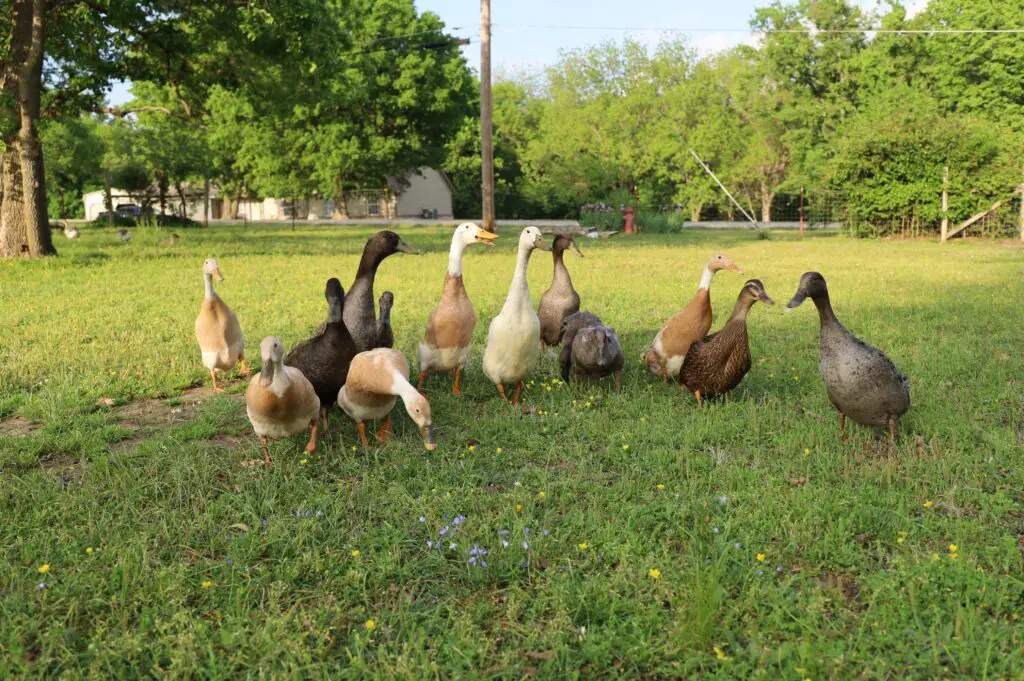
Ducks lay eggs that many cooks prefer over chicken eggs. The yolks run larger and richer, and bakers reach for duck eggs when they want extra lift in a cake or a glossier finish on bread. A good layer gives you eggs for months at a stretch, so you rarely run short in your kitchen. Our ducks are runners, and with fourteen birds in the flock we collect eight to twelve eggs a day during the warmer months. They start laying in April and keep going steadily through October here in zone 7.
Ducks also earn their keep by hunting slugs and snails around your garden beds. A duck will patrol a row of lettuce and clear out pests that chickens tend to ignore, and it does the work without pecking your plants down to the dirt the way a chicken sometimes will. Beyond the eggs and pest control, ducks make the yard more fun. They waddle in a line, splash with total commitment, and give your kids something to watch for an hour straight.
Choosing The Right Duck Breed
Picking the right duck breed shapes how your first year goes, so do not grab the first ducklings you see at the feed store. Pekins stay calm around people, lay reliably, and grow into big white birds with bright orange bills. They handle confinement well if your space is tight. Khaki Campbells lay even more, often topping 300 eggs a year, which makes them a favorite for anyone building an egg business or feeding a large family.
Indian Runners stand upright like little bowling pins and move around the yard constantly. They forage hard, snap up slugs and bugs all day, and rarely sit still. If you want a breed built for pest patrol, runners are worth a look. Whichever direction you lean, take time to research the right duck breed for your climate, your space, and what you actually want from your flock, whether that is eggs, garden help, or just good company.
Housing And Space Requirements
Give each duck at least 10 square feet of space so nobody feels crowded. A simple shed or coop with a solid door works fine as housing. You do not need anything fancy, but you do need something a raccoon or fox cannot pry open at two in the morning. Line the floor with straw or wood shavings, and plan to clean it often, because ducks make a mess faster than chickens do with their constant splashing and dabbling.
Water access matters as much as the shelter itself. Ducks preen with water, and that water keeps their feathers waterproof and their bodies cool in summer. Our ducks have a small pool inside their pen, which is a fenced area with plenty of room to roam and sunbathe. We also have a pond nearby, but it is a drainage pond, so it runs dry some summers. When it fills, we let the flock swim and lounge along the bank for hours. If you want to build a proper pond instead of relying on kiddie pools, the team at YourPondPros.com can help you plan an installation sized right for your flock.
Before you finalize your setup, walk through how to secure and comfortable place to live for poultry in general. Most of the predator-proofing principles that apply to chickens apply to ducks too, since both birds face the same nighttime threats.
Feeding Backyard Ducks For Beginners
Ducks do best on commercial duck feed, but chicken crumbles work in a pinch if you supplement them correctly. Chicken feed often lacks the necessary niacin ducks require, and a shortage can leave your birds with weak legs and trouble walking, so add peas, feeder fish, or canned tuna, salmon, or sardines packed in water rather than oil. We learned this lesson early after noticing wobbly legs in one duckling and adjusting her diet right away.
Let your ducks forage when you can. They will hunt bugs, slugs, and greens around the yard, and foraging keeps them active and cuts your feed bill. Just check your yard for toxic plants first, since ducks are not always picky about what they nibble. Ducks should eat a variety of foods, and treats like corn, peas, and mealworms make a fine bonus as long as they stay under 10 percent of the total diet.
Health Care And Common Problems
Check your ducks often for lethargy, a drop in appetite, or changes in their droppings, since these signs usually show up before anything looks seriously wrong. Find a vet in your area who has treated ducks before, because not every poultry vet knows waterfowl well. According to the Poultry Extension network run through land-grant universities, mites and lice can spread quickly through a flock, so inspect your birds regularly and treat early if you spot trouble.
Clean your housing on a consistent schedule. Damp duck pens breed bugs and bacteria faster than dry chicken coops do, thanks to all that splashed water and mud. Fresh bedding and good drainage go a long way toward keeping your flock healthy through wet seasons.
Ducklings Versus Adult Ducks
Ducklings need a heat lamp, duckling starter feed, and close monitoring for their first several weeks. In exchange for that extra work, they bond with you much more than adult ducks tend to. If you raise ducklings from day one, they will follow you around the yard and treat you as part of their world. Adult ducks, on the other hand, are hardier and more independent, but they take longer to warm up to a new keeper, so patience matters if you bring home grown birds.
Our ducks live as a group, so even though we raised most of them from babies, they are not pets in the way a single duck kept alone might become. They do not come sit beside us on the porch, but they treat us like friends the moment we show up with the feed bucket. That is a realistic expectation to set before you start, since a flock behaves differently than one lone duckling raised indoors.
Handling Your Ducks Safely
Build trust slowly by sitting near your ducks without grabbing at them. Let them get used to your presence and your voice before you try to pick anyone up. Treats help speed up the process, since a duck who associates you with food will approach faster than one who only sees you as a threat. When you do need to handle a duck, support its whole body with both hands. Ducks lack a diaphragm, so squeezing the chest can genuinely hurt them, and a gentle, full-body hold keeps everyone calm.
We generally do not handle our ducks unless one is injured or we are checking for mites. The one exception is Dizzy, our blind duck. He follows the flock by sound instead of sight, and he sometimes falls behind on the walk to the pond, so we carry him over to catch up with everyone else. He tolerates it well and never fusses much. Just remember that ducks have sharp claws, so hold them carefully and keep your grip steady.
Breeding And Raising Ducklings At Home
Breeding ducks takes real commitment. You need a safe nesting space where a hen can sit undisturbed, and you need a plan for the ducklings once they hatch, including heat, feed, and a way to keep them separate from adult birds until they are big enough to join the flock. If that sounds like more than you want to take on right now, buy ducklings from an experienced breeder instead and save breeding for later once you have a season or two of duck keeping under your belt.
Raising Ducks Alongside Other Animals
Plenty of homesteaders want ducks and chickens sharing one yard, and it can work with a bit of planning. Chicken feed often lacks the necessary niacin ducks require, so keep that in mind if the two species end up sharing a feeder, and separate the feed stations if possible. Ducks and geese can also share space, and ducks raised from ducklings alongside goslings often integrate more smoothly than adult birds introduced later. Do your homework on any species pairing before you commit, since personalities and space needs vary by flock.
Frequently Asked Questions About Backyard Ducks For Beginners
How many ducks should a beginner start with?
Start with three to five ducks. Ducks are social birds and do poorly alone, but a small starter group is easier to manage than a large flock while you learn their habits and build proper housing.
Do backyard ducks need a pond to be happy?
Ducks do not need a full pond, but they need enough water to submerge their heads and preen properly. A kiddie pool or shallow tub works well and keeps their feathers waterproof and their eyes and nostrils clean.
How much space do backyard ducks need?
Plan on at least 10 square feet per duck in their outdoor run, plus enough room inside their shelter for everyone to sleep without crowding. More space keeps the pen cleaner and the birds calmer.
Can beginners raise ducks and chickens together?
Yes, many homesteaders keep ducks and chickens in the same yard. Just watch their diet closely, since chicken feed often lacks the necessary niacin ducks require, and give ducks their own water access since they are messier than chickens.
How long do backyard ducks lay eggs?
Most breeds lay heavily from spring through fall. Our flock starts in April and lays consistently through October in zone 7, with production slowing as daylight shortens in winter.
Start small, watch your flock closely for the first few weeks, and adjust your setup as you learn what your particular ducks need. Once you have the basics down, check out our beginner’s guide to backyard duck keeping for more detail on daily care, and browse the best animals for a small homestead if you are still deciding what else belongs in your yard alongside your new flock.