Waddle and Cluck
NEWSLETTER
No Result
View All Result
  • Animals
    • Bees
    • Cats
    • Chickens
    • Cows
    • Dogs
    • Ducks
    • Geese
    • Goats
    • Guineas
    • Pigs
    • Quail
    • Rabbits
    • Sheep
    • Turkeys
  • Gardening
    • Flower Gardens
    • Food Gardening
    • Fruit Trees & Berries
    • Garden Pests & Disease
    • Herb Gardening
    • Indoor Gardening
    • Soil & Compost
  • Homestead Life
    • Eco-Friendly Home
    • Home Cleaning
    • Home Decor
    • Home Improvement
    • Home Organization
    • Homestead Kitchen
    • Homestead Technology
    • Homestead Traditions
    • Natural Living
    • Simple Living
  • Homesteading
    • Camping and Outdoors
    • Food Preservation
    • Homestead Building & DIY
    • Homestead Business
    • Homestead Finance
    • Homestead Tools
    • Off-Grid Homesteading
    • Seasonal Homesteading
    • Starting a Homestead
  • Nature Notes
  • Recipes
    • Appetizers
    • Breads and Rolls
    • Breakfast and Brunch
    • Canning and Preserving
    • Cooking Techniques
    • Desserts
    • Drinks
    • Fermentation
    • Low Carb & Diabetic
    • Main Courses
    • Pantry Staples
    • Side Dishes
    • Soup and Salad
  • Animals
    • Bees
    • Cats
    • Chickens
    • Cows
    • Dogs
    • Ducks
    • Geese
    • Goats
    • Guineas
    • Pigs
    • Quail
    • Rabbits
    • Sheep
    • Turkeys
  • Gardening
    • Flower Gardens
    • Food Gardening
    • Fruit Trees & Berries
    • Garden Pests & Disease
    • Herb Gardening
    • Indoor Gardening
    • Soil & Compost
  • Homestead Life
    • Eco-Friendly Home
    • Home Cleaning
    • Home Decor
    • Home Improvement
    • Home Organization
    • Homestead Kitchen
    • Homestead Technology
    • Homestead Traditions
    • Natural Living
    • Simple Living
  • Homesteading
    • Camping and Outdoors
    • Food Preservation
    • Homestead Building & DIY
    • Homestead Business
    • Homestead Finance
    • Homestead Tools
    • Off-Grid Homesteading
    • Seasonal Homesteading
    • Starting a Homestead
  • Nature Notes
  • Recipes
    • Appetizers
    • Breads and Rolls
    • Breakfast and Brunch
    • Canning and Preserving
    • Cooking Techniques
    • Desserts
    • Drinks
    • Fermentation
    • Low Carb & Diabetic
    • Main Courses
    • Pantry Staples
    • Side Dishes
    • Soup and Salad
No Result
View All Result
Waddle and Cluck
No Result
View All Result
Home Nature Notes

Bark Scorpions of Oklahoma

by David John
February 13, 2025
in Nature Notes

The scorpions we see in the Skiatook area are called bark scorpions.  They are small (maximum length 2½ inches) brown arachnids (a word derived from the Greek meaning “spider”).  They have a faint stripe or two down the back.  Arachnids, such as scorpions, spiders, ticks and mites, are arthropods with 8 legs. The term arthropod comes from the Greek words meaning “jointed legs.”  Crabs and crawdads (crustacea) are arthropods with 10 legs.  Insects are arthropods with 6 legs, centipedes and millipedes are arthropods with many legs (40-400).

Scorpion

The scorpion’s stinger is at the tip of its tail.  When it stings, it brings the tail forward and stings in front of its head.  The venom is a neurotoxin that affects the nervous system.  The venom of local scorpions is mildly toxic.  A sting is only slightly more painful than that of a bee or wasp.  There will be pain and swelling at the site, but it rarely causes problems.

As the weather turns cold in the fall, it is not unusual to find a scorpion in the house.  Some come in because it’s warm, others are brought in with wood intended for the fireplace.  They are hidden beneath the bark.  Our dog found the one pictured (left photo) in the living room .  Scorpions are excellent climbers.  We once found one behind the picture that hangs on the wall above the head of our bed.

Scorpions in the southwestern U.S. are far more dangerous.  A sting by one could be life-threatening.  In Mexico before the 1960s there were over 1500 deaths per year from scorpion stings, in the 1970s around 500 deaths per year, today fewer than 50 deaths per year.  The significant decrease in scorpion deaths today is primarily attributed to improved medical care, including wider access to antivenom and other therapeutic treatments.

The large scorpion pictured here was one we found in Tucson, Arizona.

Scorpion

One of my earliest childhood memories, as a 5-year-old growing up in Africa, was being stung by a scorpion.  I don’t so much remember the sting.  What I remember is my Dad cutting my foot with a razor blade to get the venom out.

Read more Nature Notes.

Previous Post

Country Fried Steak: A Classic Comfort Food Recipe

Next Post

When Do Guineas Start Laying Eggs? A Practical Guide

David John

David John grew up in West Africa and moved to the United States as a teenager. His life long love of nature earned him a weekly column in the Skiatook Journal before he became a writer for The Waddle and Cluck.

Related Posts

A close-up of vibrant yellow wildflowers in a natural outdoor setting, full of life and color.
Nature Notes

Nature Note: Late Spring Wildflowers

June 13, 2026
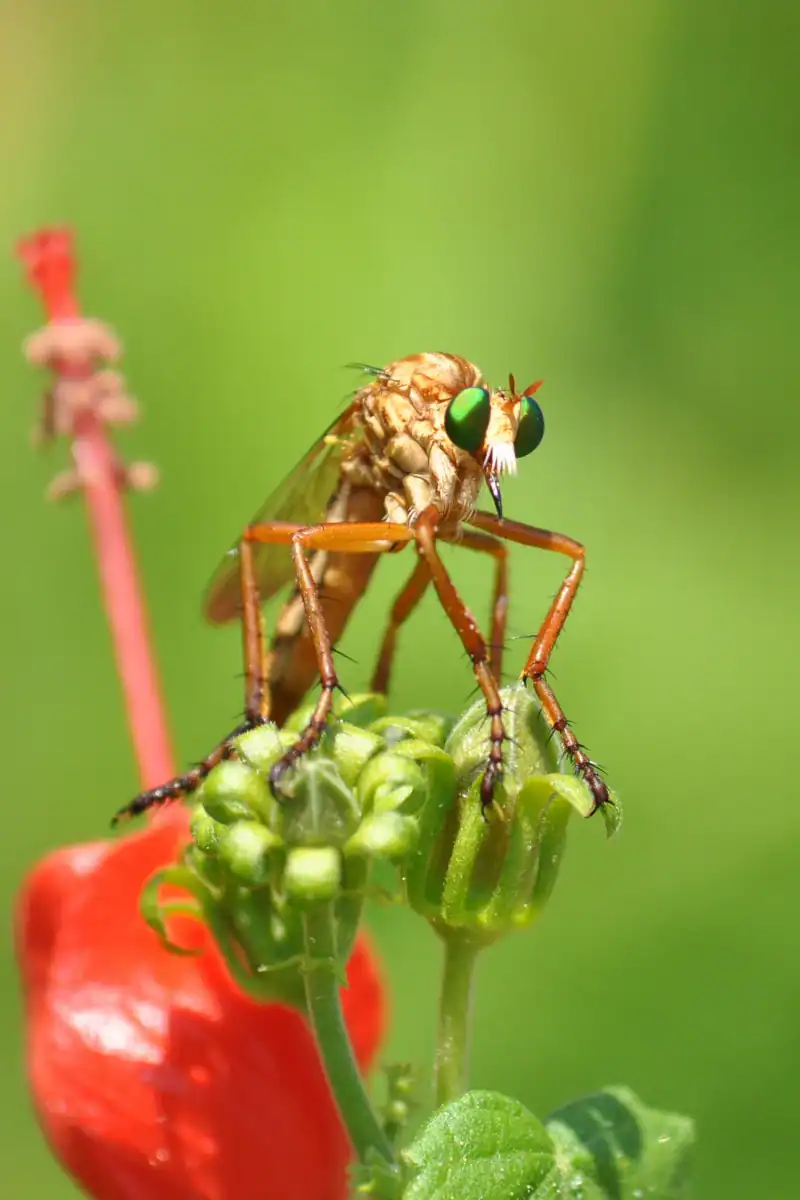
Close-up of a robber fly perched on a vibrant red berry with green foliage in the background, showcasing the insect's detailed anatomy and natural habitat.
Nature Notes

Robber Flies and How They Hunt

December 13, 2025
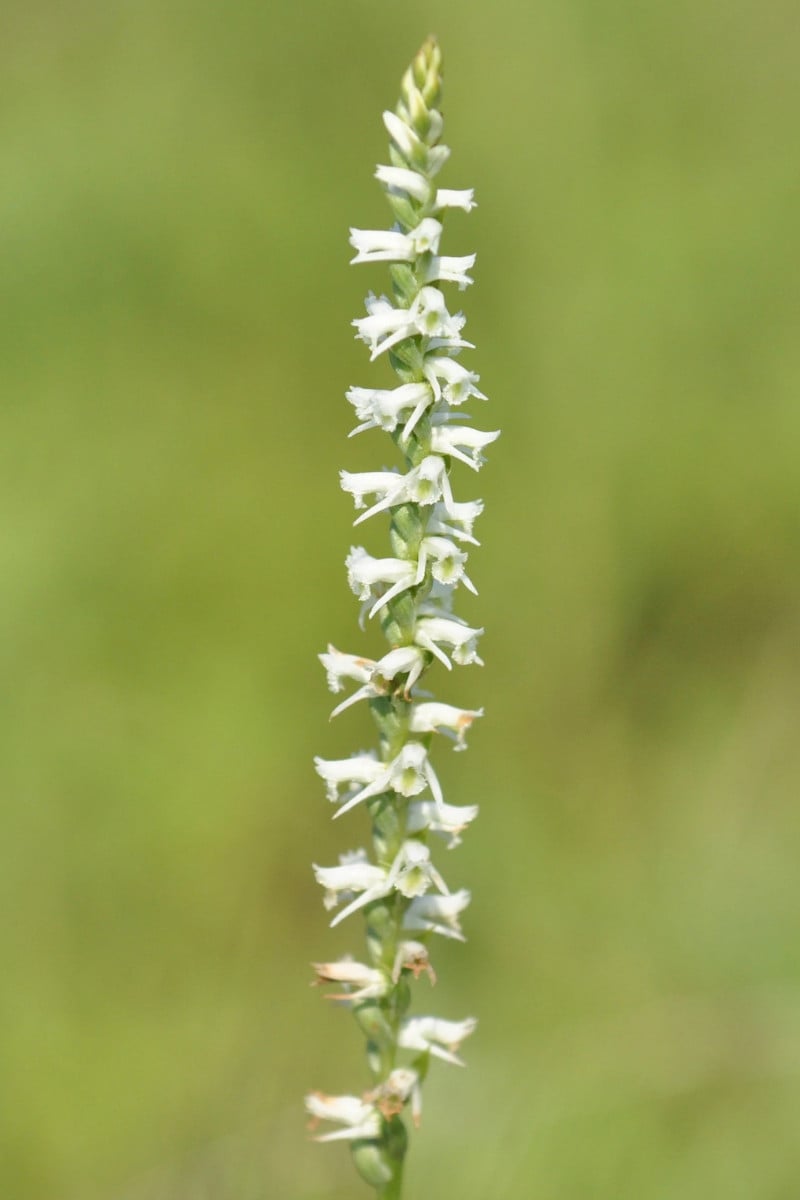
Prairie orchids
Nature Notes

Prairie Orchids That Bloom Around Skiatook

February 21, 2026
Yellow billed cuckoo
Nature Notes

Yellow Billed Cuckoo: A Shy Summer Visitor With a Strange Name

February 21, 2026
Red headed woodpecker
Nature Notes

Seven Woodpeckers You’re Likely to See in Your Area

November 15, 2025
Bee on goldenrod honey
Nature Notes

Goldenrod Honey: Why the Hive Smells Like Socks Every Fall

February 21, 2026
Next Post
When do guineas start laying eggs

When Do Guineas Start Laying Eggs? A Practical Guide

Newsletter

Join the Homestead

Get practical poultry, gardening, and fermentation guides delivered to your inbox.

Popular

  • Two adorable lambs standing in a green field under bright sunlight, surrounded by nature.

    Raising Sheep: A Beginner’s Guide to Starting a Homestead Flock

    739 shares
    Share 296 Tweet 185
  • What Do Sheep Eat? A Practical Feeding Guide for Homestead Flocks

    740 shares
    Share 296 Tweet 185
  • Hair Sheep Breeds: The Low-Maintenance Choice for Homestead Meat Production

    740 shares
    Share 296 Tweet 185
  • DIY Shade Structure for Backyard Animals

    740 shares
    Share 296 Tweet 185
  • Nature Note: Late Spring Wildflowers

    740 shares
    Share 296 Tweet 185
  • June Homestead Tasks: What to Do on the Homestead This Month

    740 shares
    Share 296 Tweet 185

Homemade. Homegrown.
Get the dirt in your inbox.

Subscribe

Home
Animals
Gardening
Homestead Life
Homesteading
Nature Note
Recipes

About
Contact Us
Editorial Guidelines
Write for Us

Privacy Policy
Cookie Policy
Disclaimer

National Wildlife Federation

Welcome Back!

Login to your account below

Forgotten Password?

Retrieve your password

Please enter your username or email address to reset your password.

Log In
No Result
View All Result
  • Animals
    • Bees
    • Cats
    • Chickens
    • Cows
    • Dogs
    • Ducks
    • Geese
    • Goats
    • Guineas
    • Pigs
    • Quail
    • Rabbits
    • Sheep
    • Turkeys
  • Gardening
    • Flower Gardens
    • Food Gardening
    • Fruit Trees & Berries
    • Garden Pests & Disease
    • Herb Gardening
    • Indoor Gardening
    • Soil & Compost
  • Homestead Life
    • Eco-Friendly Home
    • Home Cleaning
    • Home Decor
    • Home Improvement
    • Home Organization
    • Homestead Kitchen
    • Homestead Technology
    • Homestead Traditions
    • Natural Living
    • Simple Living
  • Homesteading
    • Camping and Outdoors
    • Food Preservation
    • Homestead Building & DIY
    • Homestead Business
    • Homestead Finance
    • Homestead Tools
    • Off-Grid Homesteading
    • Seasonal Homesteading
    • Starting a Homestead
  • Nature Notes
  • Recipes
    • Appetizers
    • Breads and Rolls
    • Breakfast and Brunch
    • Canning and Preserving
    • Cooking Techniques
    • Desserts
    • Drinks
    • Fermentation
    • Low Carb & Diabetic
    • Main Courses
    • Pantry Staples
    • Side Dishes
    • Soup and Salad

© 2026 Designed with JNews by Writing Detective