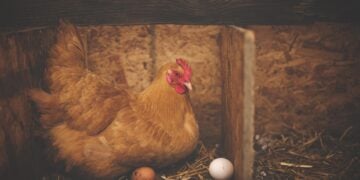

A chicken dust bath is how chickens keep themselves clean and parasite free, by working fine, dry material through their feathers and down to the skin, which smothers mites and lice and absorbs excess oil. It is not optional grooming, it is a real health behavior, and giving your flock a good dust bath area is one of the cheapest, most effective things you can do for them. Building one takes about ten minutes.
Key Takeaways
Why Do Chickens Take Dust Baths?
Chickens take dust baths to stay clean and to control external parasites, and it is instinctive behavior you will see even in chicks. A hen settles into loose, dry material, fluffs it up, and works it down through her feathers to the skin, then shakes it all out. That fine dust absorbs excess oil and moisture on the skin and, crucially, coats and smothers mites and lice, which is the flock’s own frontline defense against the parasites that cause anemia and misery.
So a dust bath is not a luxury, it is preventive health care. Flocks with a good dust bathing spot have far fewer parasite problems than those without. In fact, University of Kentucky entomologists note that regular dust bathing is one of the ways chickens naturally limit mite and lice populations. If parasites do take hold anyway, our guide to common chicken diseases and their symptoms helps you catch it, but a dust bath is how you head it off in the first place.
What to Put in a Chicken Dust Bath
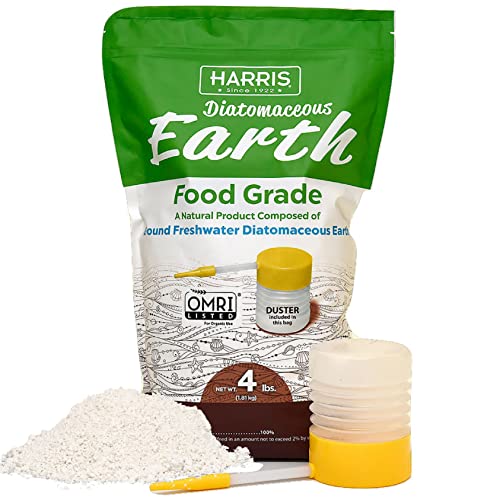
The base of a good dust bath is fine, dry, loose material. Plain dry soil or dirt works on its own, and many keepers mix in sand to keep it loose and free-draining and a scoop of wood ash from an untreated wood fire, which adds fine particles birds love. Some add a little food-grade diatomaceous earth for extra parasite control, though it should be used sparingly and mixed in, not piled on, since the fine dust is an irritant to breathe for both birds and people.
Avoid anything damp, and skip clay soil that clumps rather than powders. You can also add a small amount of dried herbs if you like, but the basic dirt, sand, and ash mix is all a flock really needs. Keep the material dry, because a wet dust bath is just a mud puddle, which does the opposite of what you want. A dust bath is a natural partner to good coop hygiene, and our guide to keeping your chicken coop clean and healthy covers the rest of the routine.

How to Build a Chicken Dust Bath
Building a dust bath is quick. Pick a container that holds the material and lets a hen or two settle in: an old tire, a plastic tub or storage bin, a kiddie pool, a wooden box, or simply a shallow pit dug in a dry corner of the run. Size it so at least one bird can crouch and roll comfortably, larger flocks appreciate room for two. Fill it several inches deep with your dry mix.
Placement matters. Put the dust bath in a dry, sheltered spot, under the coop, beneath a covered part of the run, or anywhere rain will not turn it to mud. If your run lacks a naturally dry area, a covered container solves it. Then top it up as birds fling material out (and they will), and refresh it when it gets fouled with droppings. That is the whole project. A shaded, dry dust bath doubles as a cool retreat in summer, which helps with heat stress in chickens during the hottest months. A dust bath is a small piece of the bigger picture in our 12 essential steps to raising backyard chickens.
Frequently Asked Questions About Chicken Dust Baths
Why do chickens need a dust bath?
Chickens dust bathe to clean their feathers and control external parasites. Working fine dry material down to the skin smothers mites and lice and absorbs excess oil, so a dust bath is real preventive health care, not just grooming. Flocks with a good dust bath have far fewer parasite problems.
What do you put in a chicken dust bath?
Use a base of fine dry soil, often mixed with sand to keep it loose and a scoop of wood ash from untreated wood. Some keepers add a little food grade diatomaceous earth, used sparingly and mixed in, since the dust is an irritant to breathe. Keep the whole mix dry.
How do I make a chicken dust bath?
Fill a container (an old tire, tub, kiddie pool, or a shallow dug pit) with several inches of dry soil, sand, and a little wood ash, and place it in a dry, sheltered spot so it does not turn to mud. Top it up as birds fling material out and refresh it when it gets dirty.
Is diatomaceous earth safe in a dust bath?
Food grade diatomaceous earth can be added in small amounts for extra parasite control, but use it sparingly and mix it in rather than piling it on, because the fine dust can irritate the lungs of both birds and people. Plain dry soil, sand, and wood ash work well on their own.
Where should I put a chicken dust bath?
Place it in a dry, sheltered location, under the coop, beneath a covered part of the run, or anywhere rain will not reach it, since a wet dust bath becomes useless mud. A covered container works if your run has no naturally dry spot.