
Eco-friendly pest control protects your garden from insects and disease without reaching for toxic chemicals that also harm pollinators, birds, and soil life. The approach works as a layered system: keep plants healthy so they resist attack, invite the beneficial insects that eat pests for you, block pests with physical barriers, and use organic sprays only when nothing else has kept damage in check. Built this way, your beds stay productive while the wider backyard ecosystem stays in balance. This is the same logic behind integrated pest management from UC Statewide IPM, adapted for a home garden.
Key Takeaways
How Eco-Friendly Pest Control Works in the Garden
Eco-friendly pest control is less about killing pests and more about tipping the balance so pests never get the upper hand. A garden with living soil, a mix of plants, and a resident population of predators regulates itself far better than one kept sterile with sprays. The goal is to prevent and tolerate first, intervene selectively second, and treat with the gentlest effective option only as a last step. That order keeps the beneficial half of the garden alive to do its work.

Encourage Beneficial Insects
Beneficial predator insects like ladybugs, lacewings, and syrphid flies naturally control pest populations in your garden. Avoid broad-spectrum insecticides so you do not inadvertently kill them along with the pests. Plant flowers and herbs that supply the nectar and pollen these allies need for food and reproduction, such as dill, cilantro, fennel, cosmos, alyssum, and flowering buckwheat.
Give beneficial species a place to live by keeping a diversity of plant types and allowing some leaf litter to accumulate in garden beds. Install nesting blocks for predatory wasps and other helpers. Drilled wood blocks, for example, attract mason and mud dauber wasps that capture soft-bodied caterpillars to feed their larvae.

Use Physical Barriers
Don’t give pests an easy entry point into garden beds. Spread a layer of organic mulch 2-6 inches thick to block weeds and prevent some insects from laying eggs in the soil. Sticky barrier bands around tree trunks stop crawling bugs like ants and caterpillars. Row covers over vegetable plants create a temporary insect barrier while allowing air, light, and irrigation through. Just be sure to remove row covers when plants start flowering so pollinators can access them.
Put up netting over fruit trees and berry bushes to keep winged pests away. Hardware cloth (a metal screen) wrapped around the base of raised garden beds blocks burrowing animals. Collars placed around seedlings protect them from cutworm damage.
Apply Organic Pesticides Only as a Last Resort
When preventative controls fail to keep pests below an acceptable threshold, use organic-approved insecticides derived from plants as a last resort. Products like neem oil, pyrethrins, insecticidal soaps, and spinosad break down quickly in sun and rain, so they must be applied more frequently than synthetic chemicals. But used sparingly, these materials pose very little risk to kids, pets, beneficial species, or overall environmental quality.
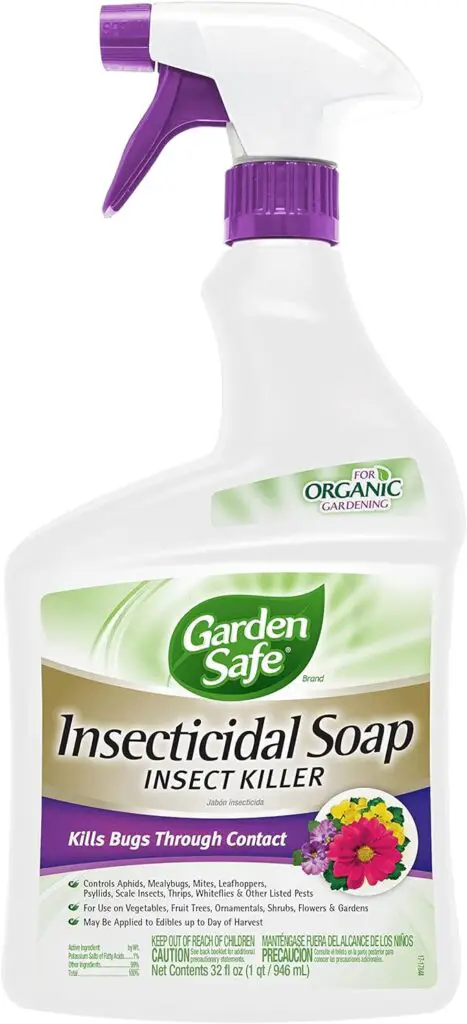
Botanical oils smother soft-bodied insects on contact and deter egg-laying, while soap sprays disrupt cell membranes and cause insect dehydration. Products containing Bacillus thuringiensis (Bt) or spinosad produce toxins that specifically target the larvae of moths, flies, and beetles during digestion, with minimal impact on other species. Spot-spray infested areas or isolate treatments to problem plants rather than blanketing everything as a general precaution.
Companion Planting for Eco-Friendly Pest Control
Certain plants have natural pest-repelling properties that make them strong companions in beds and containers. Some pairings confuse insects with their blend of colors, textures, and scents, while others give mutual benefits that help plants deter or withstand pest attacks. These are some of the most reliable allies:
- Chives & carrots – deter carrot fly
- Garlic & roses – repel aphids
- Marigolds & tomatoes – reduce nematodes and beetles
- Basil & peppers – mask scent, block beetle feeding
- Petunias & eggplants – protect from beetles
- Radishes & cucumbers – limit cucumber beetles
- Onions & lettuces – confuse onion flies
- Zinnias attract ladybugs to control aphids
Check a companion planting guide for helpful neighbors that suit the crops you want to grow. Monitor pest levels closely and rotate companions each season to keep breaking up pest cycles.
More Organic Pest Control Practices That Pay Off
Layer these habits on top of beneficials, barriers, and companions for a garden that mostly polices itself:
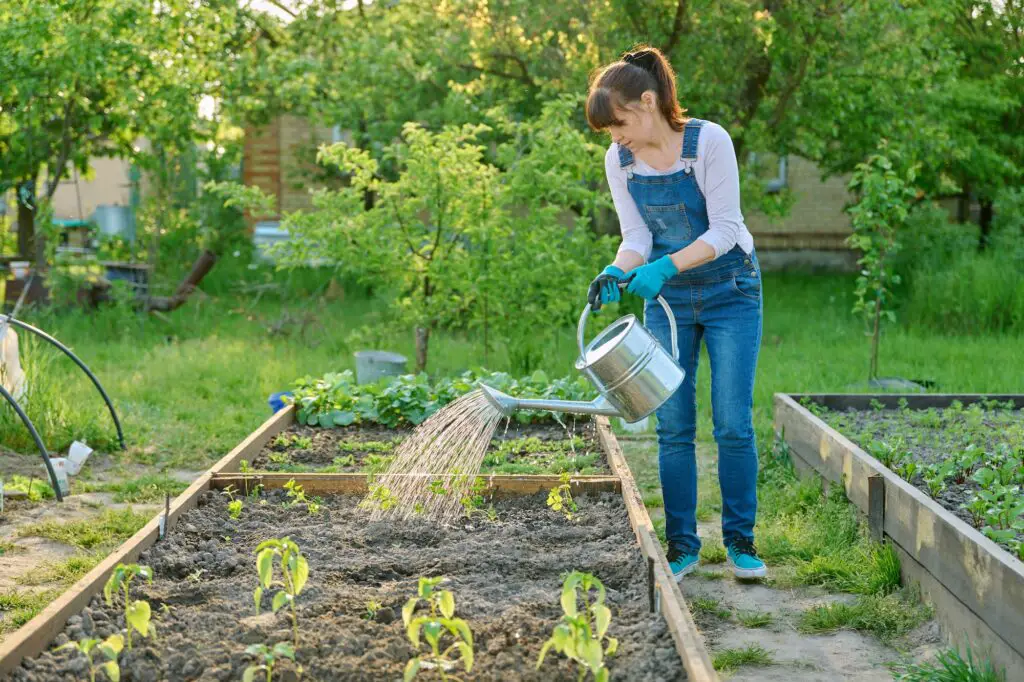
- Maintain healthy garden soil by adding aged manure, compost, wood chips, etc. This supports vigorous plant growth and beneficial microbes that protect against some root diseases and nematodes.
- Handpick large pests like tomato hornworms, cabbage loopers, slugs and snails. Drop them into soapy water or feed to backyard chickens!
- Use pheromone traps and indicator plants that lure certain pests away from food crops.
- Practice crop rotation between seasons to disrupt pest life cycles.
- Time plantings appropriately. Avoid putting out seedlings too early when cold temperatures make them vulnerable.
- Rinse aphids and mites away with a strong stream of water.
- Remove diseased plants or prune infected parts before issues spread.
- Tolerate minor cosmetic damage that doesn’t threaten plant health or productivity.
- Check plants frequently to catch issues early and identify whether controls are actually needed.
- Monitor weed growth as these can harbor certain garden pests.
- Clean up crop debris after harvest so it doesn’t shelter overwintering stages.
- Learn to identify beneficial predator species, especially immature stages, so they are not mistaken for pests.
A holistic, eco-friendly approach builds a balanced garden where natural predators keep pests in check more safely than repeated chemical applications ever could. Lean on prevention, add physical barriers and companion planting, and hold organic sprays in reserve so you keep multiple lines of defense against garden invaders. Watch plant health closely and catch problems early, and give nature’s helpers time to work before reaching for a spray. For the toughest pest to shift, see how to get rid of spider mites, and get to know one of your best free allies, the wheel bug.
Frequently Asked Questions About Eco-Friendly Pest Control
What Is the Most Effective Eco-Friendly Pest Control for a Garden?
The most effective approach layers several methods rather than relying on one. Prevention comes first: healthy soil, beneficial insects, and physical barriers like row covers stop most problems before they start. Companion planting adds a second layer, and organic sprays such as neem oil or insecticidal soap handle the few pests that break through.
Does Eco-Friendly Pest Control Actually Work?
Yes, when it is done as a system instead of a single fix. Inviting predators like ladybugs and lacewings, rotating crops, and using barriers controls most garden pests as well as synthetic chemicals do, without harming pollinators, birds, or soil life. It takes closer monitoring and a little patience while natural predators build up.
What Can I Spray for Pests Without Hurting Bees?
Choose targeted organic products and time them carefully. Insecticidal soap and horticultural oils only affect insects they directly contact, and Bt targets caterpillars specifically. Spray in the early morning or evening when bees are not foraging, and treat only the affected plant rather than blanketing the whole garden.
How Do I Get Rid of Aphids Naturally?
Knock aphids off with a strong stream of water, then let beneficial insects finish the job by planting alyssum, dill, and zinnias nearby to draw in ladybugs. For heavy infestations, spot-treat with insecticidal soap or neem oil. Garlic planted near roses also helps repel them before they arrive.