
When it comes to purchasing eggs, the labels on the cartons can be confusing. Terms like “cage-free,” “free range,” “pasture raised,” and “organic” are often used, but they don’t all mean the same thing. In this comprehensive guide, we’ll explore the difference between free-range and pasture-raised chickens and help you understand the various labels so you can make informed choices for yourself and your family. Let’s dive into free-range vs. pasture-raised chickens.
Key Takeaways
Cage-Free vs. Free Range: Breaking Down the Labels
The terms “cage-free” and “free range” are commonly used, but they have different implications for animal welfare. While both labels indicate that the hens are not confined to cages, there are important distinctions to consider.
Cage-free eggs come from hens that are not kept in cages. However, this doesn’t necessarily mean that they have access to the outdoors. These hens may still be housed in large barns with limited space to move around freely. While cage-free standards represent an improvement from caged eggs, they may not provide the ideal conditions for the hens to express their natural behaviors.
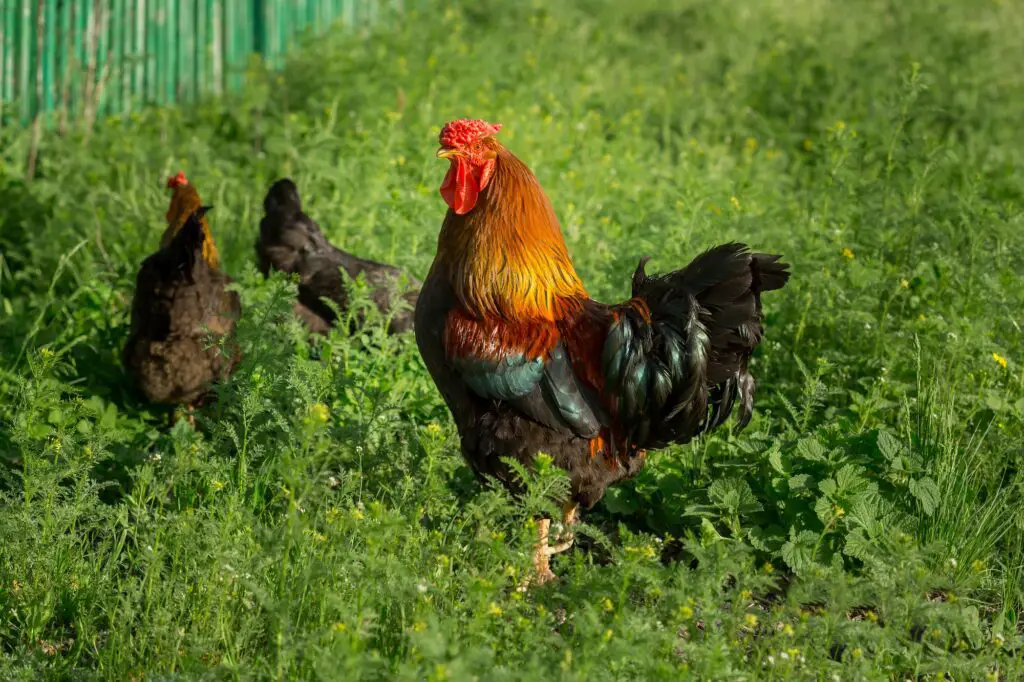
On the other hand, free range eggs come from hens that have access to the outdoors. The USDA regulates the use of the term “free range,” requiring that these hens have the opportunity to roam outside. However, the specific amount of outdoor space and the duration of time spent outdoors can vary among producers. Certified Humane Free Range standards, for example, require a minimum of 2 square feet of outdoor space per hen. It’s important to note that while the hens have the option to go outside, they may choose to stay indoors, especially during extreme weather conditions.
The Rise of Pasture Raised Chickens
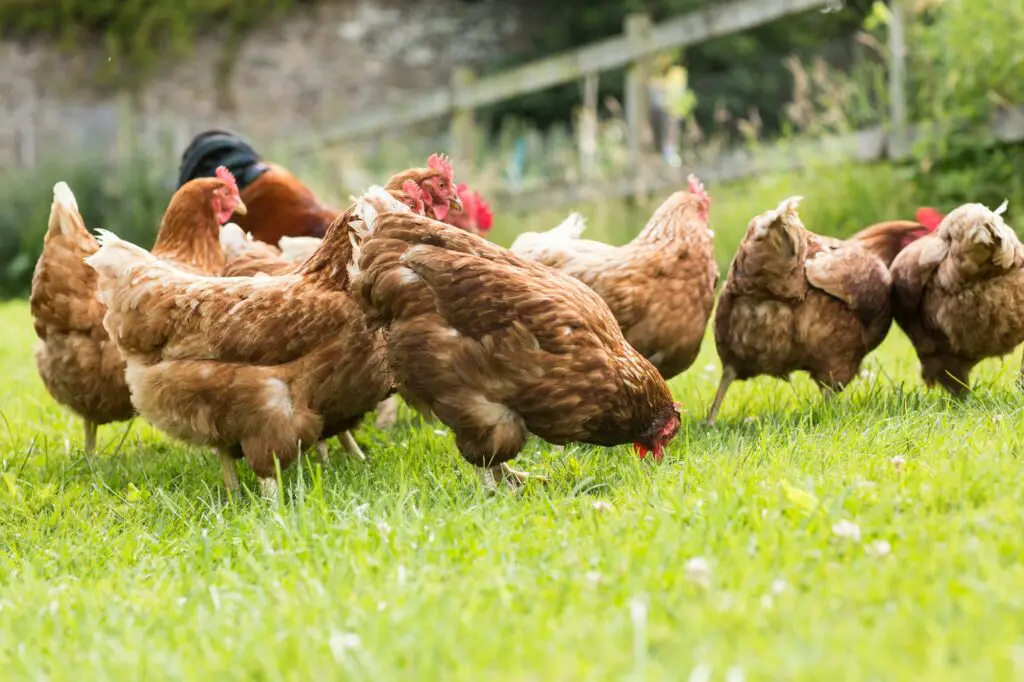
In recent years, the term “pasture raised” has gained popularity in the egg industry. While not regulated by the USDA, pasture raised eggs offer an alternative to conventional cage-free and free range options. Pasture raised hens are raised in a manner that closely mimics their natural habitat, allowing them to roam freely in pastures and forage on grass, insects, and other plants.
Unlike free range chickens, pasture raised birds have more extensive access to outdoor space. Producers of pasture raised eggs claim to provide anywhere from 35 to 108 square feet per hen. This larger space allows the hens to exhibit more natural behaviors and have a better quality of life.
The Importance of Outdoor Access
Both free range and pasture raised chickens offer hens the opportunity to access the outdoors. This is significant for several reasons. First, outdoor access allows the hens to engage in natural behaviors such as scratching, pecking, and foraging for insects and plants. These activities contribute to the hens’ overall well-being and help fulfill their instinctual needs.
Second, exposure to natural sunlight allows hens to synthesize vitamin D, which is essential for their health. Vitamin D plays a crucial role in calcium absorption, promoting strong bones and eggshell quality. Hens that have regular access to the outdoors are more likely to have higher levels of vitamin D in their eggs.
Nutritional Differences: Free Range vs. Pasture Raised Eggs
The conditions in which hens are raised can also impact the nutritional composition of their eggs. While both free range and pasture raised eggs are generally considered to be of higher quality compared to conventional eggs, there are some differences to note.
Pasture raised eggs tend to have a more diverse and nutrient-rich diet. The hens have the opportunity to forage on grass, insects, and other natural food sources, which can enhance the nutritional profile of their eggs. Pasture raised eggs are typically higher in omega-3 fatty acids, vitamin D, and other beneficial nutrients.
Free range eggs, while still offering some nutritional benefits, may not have the same level of nutrient density as pasture raised eggs. The varying diets of free range hens, which can include commercial feed along with outdoor foraging, may result in a less concentrated nutritional content.
It’s important to remember that the nutritional composition of eggs can also be influenced by factors such as the breed of hen and the specific diet provided by the farmer.
Certified Humane: Ensuring Animal Welfare
When choosing eggs, it’s helpful to look for certifications that indicate higher animal welfare standards. One such certification is the Certified Humane label, which sets specific requirements for the treatment of farm animals, including chickens.
Under the Certified Humane Free Range standard, hens must have at least 2 square feet of outdoor access on grass per hen. This certification ensures that the hens are given the opportunity to engage in natural behaviors and have access to a more natural environment.
While pasture raised eggs are not regulated by the USDA, some pasture raised producers choose to obtain Certified Humane certification to provide additional assurance of their farming practices. This certification can offer consumers peace of mind knowing that the hens are raised in accordance with stringent animal welfare standards.
Choosing the Best Option: Free Range or Pasture Raised?
When it comes to deciding between free range and pasture raised eggs, there are a few factors to consider. First and foremost, it’s essential to prioritize animal welfare. Both free range and pasture raised systems offer improvements over conventional caged systems, but pasture raised systems generally provide a higher level of welfare due to the larger outdoor space and the ability to exhibit natural behaviors.
Additionally, consider your own values and preferences. If supporting local, small-scale farms that prioritize regenerative agriculture and offer pasture raised eggs aligns with your values, then pasture raised eggs may be the best choice for you. However, it’s important to note that pasture raised eggs may be more expensive due to the higher costs associated with providing larger outdoor spaces for the hens.
Lastly, consider the availability of these options in your area. While free range eggs are more widely available in grocery stores, pasture raised eggs may be found primarily through local farmers’ markets, CSAs, and specialty stores.
The Future of Egg Farming: Striving for Improvement
As consumer awareness and demand for higher welfare eggs continue to grow, the egg industry is evolving. The transition from caged systems to cage-free and free range systems is already underway, and pasture raised systems are gaining traction.
To ensure that the welfare of hens is prioritized, it’s crucial for consumers to support producers who adhere to high animal welfare standards, such as Certified Humane. By making informed choices and supporting responsible farming practices, we can contribute to a more sustainable and ethical egg industry.
While free-range and pasture-raised eggs both offer improvements over conventional caged systems, pasture-raised eggs generally provide hens with a higher level of welfare due to larger outdoor spaces and the ability to engage in natural behaviors. Certified Humane certifications can provide additional assurance of animal welfare standards. Ultimately, the choice between free-range and pasture-raised eggs depends on individual values, preferences, and availability. By supporting responsible farming practices, we can contribute to a better future for egg farming and the well-being of hens.

The difference shows up in the feed — see what pasture-raised chickens eat. Whichever system you run, breed matters — see the best breeds for egg production. Free birds will find your beds — see how to protect your garden from animals.
Egg Carton Labels Explained
The labels on an egg carton are not interchangeable, and the differences come down to how much outdoor space and access each hen actually gets. Here is what each term legally means and what it looks like in practice.
| Label | Space and outdoor access | What it really means |
|---|---|---|
| Cage free | Indoors, no cages, but not required to go outside | Better than caged, but birds may never see grass |
| Free range | Some outdoor access required, no set space | Access can be a small door and a tiny yard |
| Pasture raised | About 108 sq ft outdoors per bird, rotated pasture | The most room to forage, the highest welfare tier |
| Certified organic | Outdoor access plus organic feed, no antibiotics | Focuses on feed and inputs, not always space |
| Natural or no claim | No standard at all | A marketing word with no guaranteed meaning |
Is Pasture Raised Actually Better?
For the hens, clearly yes. More space to forage, dust bathe, and behave like a chicken is better welfare by any honest measure. For the eggs, the evidence leans the same way. Hens that eat bugs, grass, and seeds alongside their feed tend to lay eggs with more omega 3 fatty acids and vitamin D and a richer yolk, though the exact numbers vary with season and forage. Pasture raised is not a magic health food, but it is a genuine step up from a hen that never leaves a barn.
What This Means for Your Backyard Flock
Here is the part that surprises people: if you keep a small backyard flock that roams your yard, your hens are already living at or above the pasture raised standard, and their eggs show it. You control their forage, their feed, and their space in a way no carton label can guarantee. To get the most from that, give them room to range, as covered in our 12 essential steps to raising backyard chickens, understand what they naturally eat on pasture in our guide to what pasture raised chickens eat, and round out their diet with the right extras from our list of safe and unsafe foods for chickens.
Frequently Asked Questions
What is the difference between free-range and pasture-raised chickens?
Free-range means hens have some outdoor access, but no minimum space is guaranteed, so it can be a small door and yard. Pasture-raised means each hen gets roughly 108 square feet of rotated outdoor pasture, which is far more room to forage and the higher welfare standard.
Is pasture-raised better than free-range?
For animal welfare, yes, because pasture-raised guarantees much more outdoor space. Pasture-raised eggs also tend to have richer yolks and more omega 3 and vitamin D, since the hens forage on grass and insects. Free-range is still better than cage-free or caged, but the label sets a lower bar.
Are backyard chicken eggs pasture-raised?
In practice, usually yes or better. Backyard hens that roam a yard get more space and forage than most commercial pasture-raised operations require, so their eggs typically match or beat the pasture-raised standard, even though no carton label applies to them.
Does free-range mean the chickens are outside all day?
No. The free-range label only requires that birds have some access to the outdoors, not that they spend the day there. In large operations this can mean a small opening that few birds use, which is why free-range and pasture-raised are not the same thing.