
Swallowtail butterflies in Oklahoma are easy to love because they look almost too fancy for an ordinary flowerbed. David had photos of five eastern Oklahoma swallowtails until Becky found a zebra swallowtail feeding on butterfly weed in her yard. That lucky morning gave him all six he wanted to show: black, giant, pipevine, spicebush, tiger, and zebra swallowtails.
This updated field guide keeps that original porch-step wonder, then adds a little more help for identifying each butterfly, understanding the caterpillar host plants, and making a garden more useful to them. You do not need a perfect pollinator garden to start noticing swallowtails. A patch of dill, a blooming buttonbush, a stand of milkweed, or one sunny edge can be enough to slow you down.
The old article also paused over the word butterfly itself. A bit of folklore says butterflies were once blamed for stealing milk and butter, and David liked the old story that people once called them flutterbys. That part is not true as word history, but flutterby still feels right when one drifts across the yard.
How to Identify Swallowtail Butterflies in Oklahoma
Most swallowtails are large butterflies with a strong, sailing flight and at least one tail-like extension on the hindwing. Those tails are not perfect rules, but they are often the first clue. For a useful butterfly garden, think in two layers: nectar flowers for adults and host plants for caterpillars. That is the part many new butterfly gardeners miss.
David’s original notes make that point without turning it into a checklist. The adult butterfly is what catches your eye, but the caterpillar is what tells you whether your yard is actually feeding the next generation.
What You’ll Learn
Black Swallowtail Butterflies
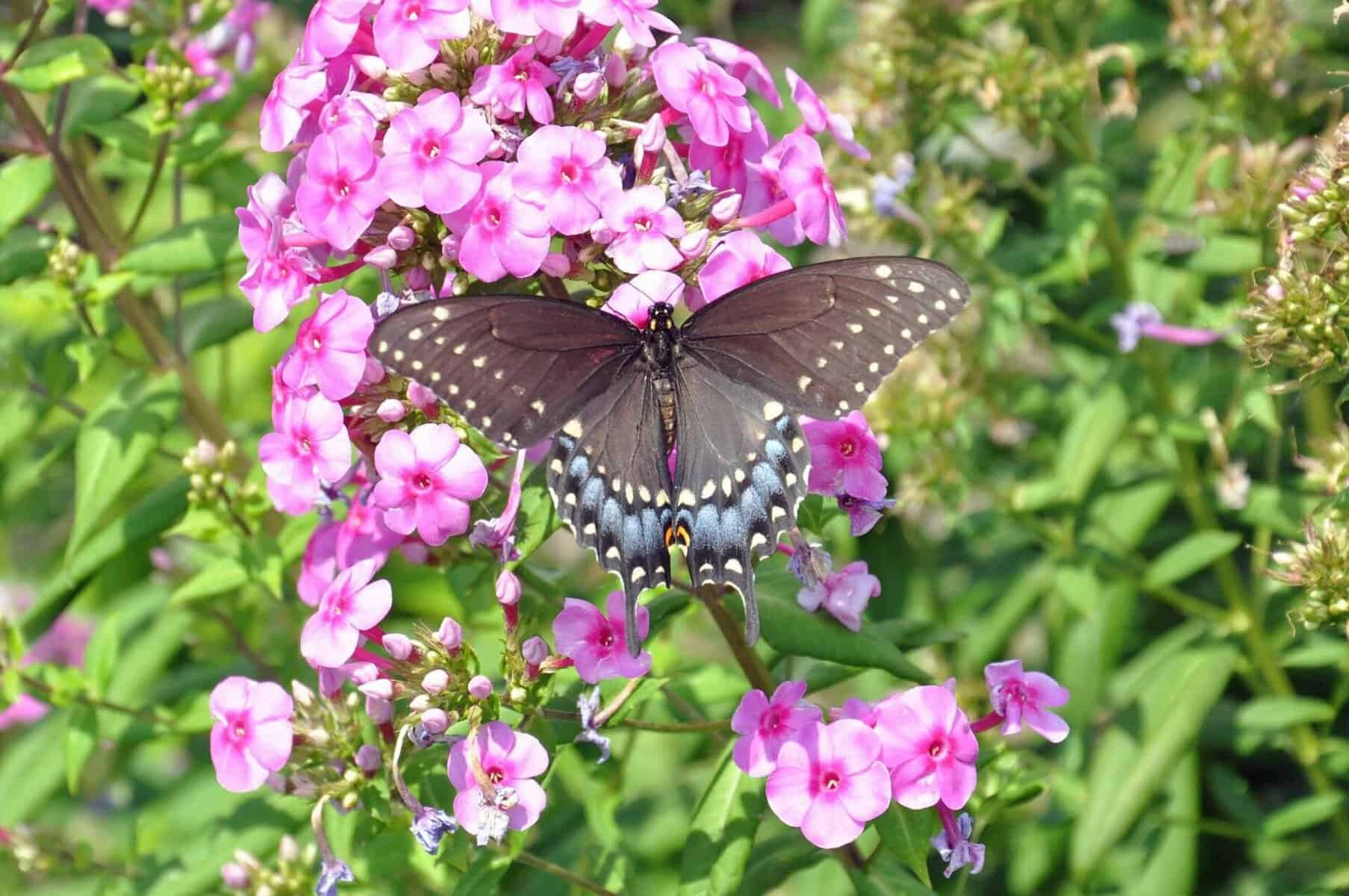
The black swallowtail is Oklahoma’s state butterfly, designated by the Legislature in 1996. Males are mostly black with two rows of large yellow spots on the forewings and hindwings. Females can show more blue on the hindwings, which makes them easy to confuse with other dark swallowtails until you learn the pattern.
The caterpillar is just as memorable. It has bands of green, black, and yellow, and when startled it can push out a pair of bright yellow horn-like structures called an osmeterium. The name comes from Greek words meaning odor organ, and the organ withdraws again after the threat passes. The osmeterium releases an unpleasant odor to discourage predators. David noted that he could not smell anything from the one he photographed, which may say more about distance and human noses than about the caterpillar’s defenses.

Black swallowtails are one of the easiest swallowtails to invite into a kitchen garden. Plant dill, fennel, parsley, or related carrot-family herbs, then decide ahead of time that some of those leaves belong to caterpillars. If you would rather keep every parsley sprig for supper, plant extra. It is easier to share when sharing was part of the plan.
Giant Swallowtail Butterflies
The giant swallowtail lives up to its name. It is the largest butterfly in Oklahoma, and David described its wingspan at about 3 3/4 to 5 1/2 inches. The species is seen east of the Rockies and may have two broods in a year, one in spring and another around mid-fall. With dark wings marked by yellow spots and a bold yellow band between the body and outer wing, it is hard to miss when it glides through a flowerbed.
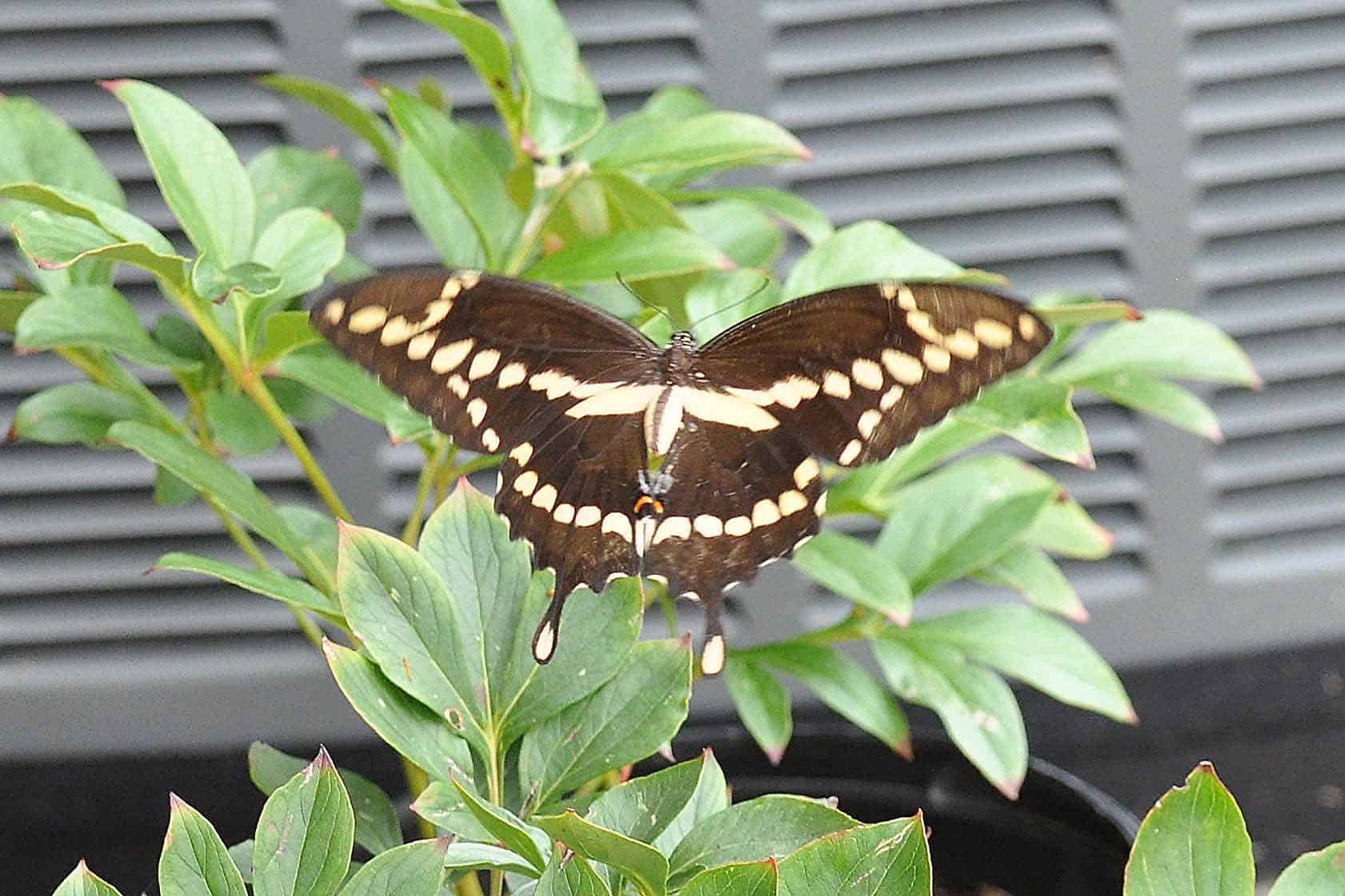
David’s original note described the caterpillar as one of the strangest parts of the species. Mature giant swallowtail caterpillars can reach about 2 to 2 1/2 inches long. They are brown with pale saddle markings and resemble bird droppings. That camouflage is not glamorous, but it works. The caterpillars feed on plants in the citrus family, including rue and native relatives such as hoptree in some regions.
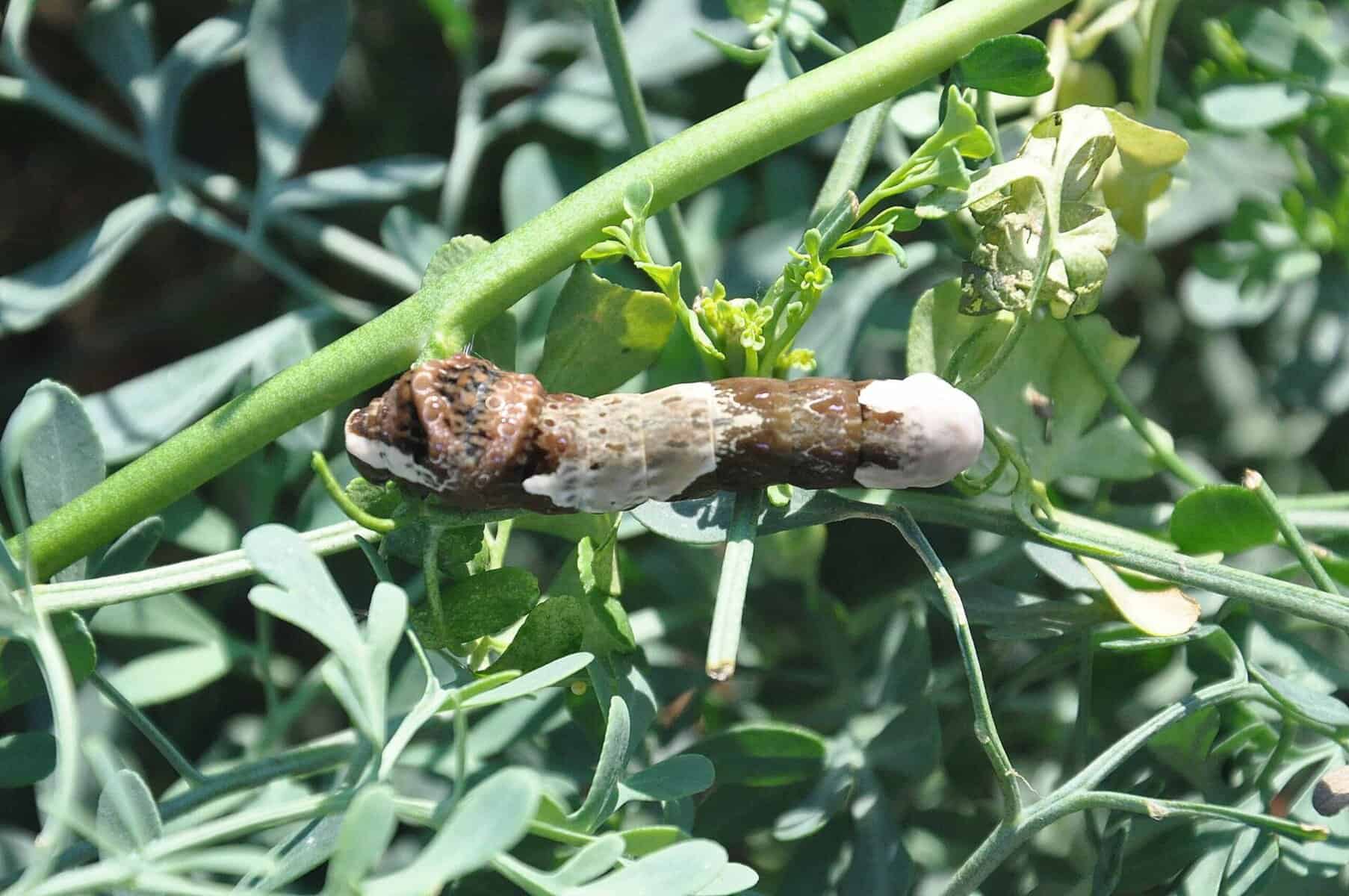
If you grow rue, watch it with generous eyes. A chewed leaf may mean your plant is doing its job. Giant swallowtails can have more than one brood in a season, so a plant that looks ragged for a while may still be part of a good garden story.
Pipevine Swallowtail Butterflies
The pipevine swallowtail is also called the blue swallowtail, and once you see that iridescent blue on the hindwings the name makes sense. The forewings are black, with pale spots near the edges. The hindwings carry the shine that makes people stop mid-sentence.
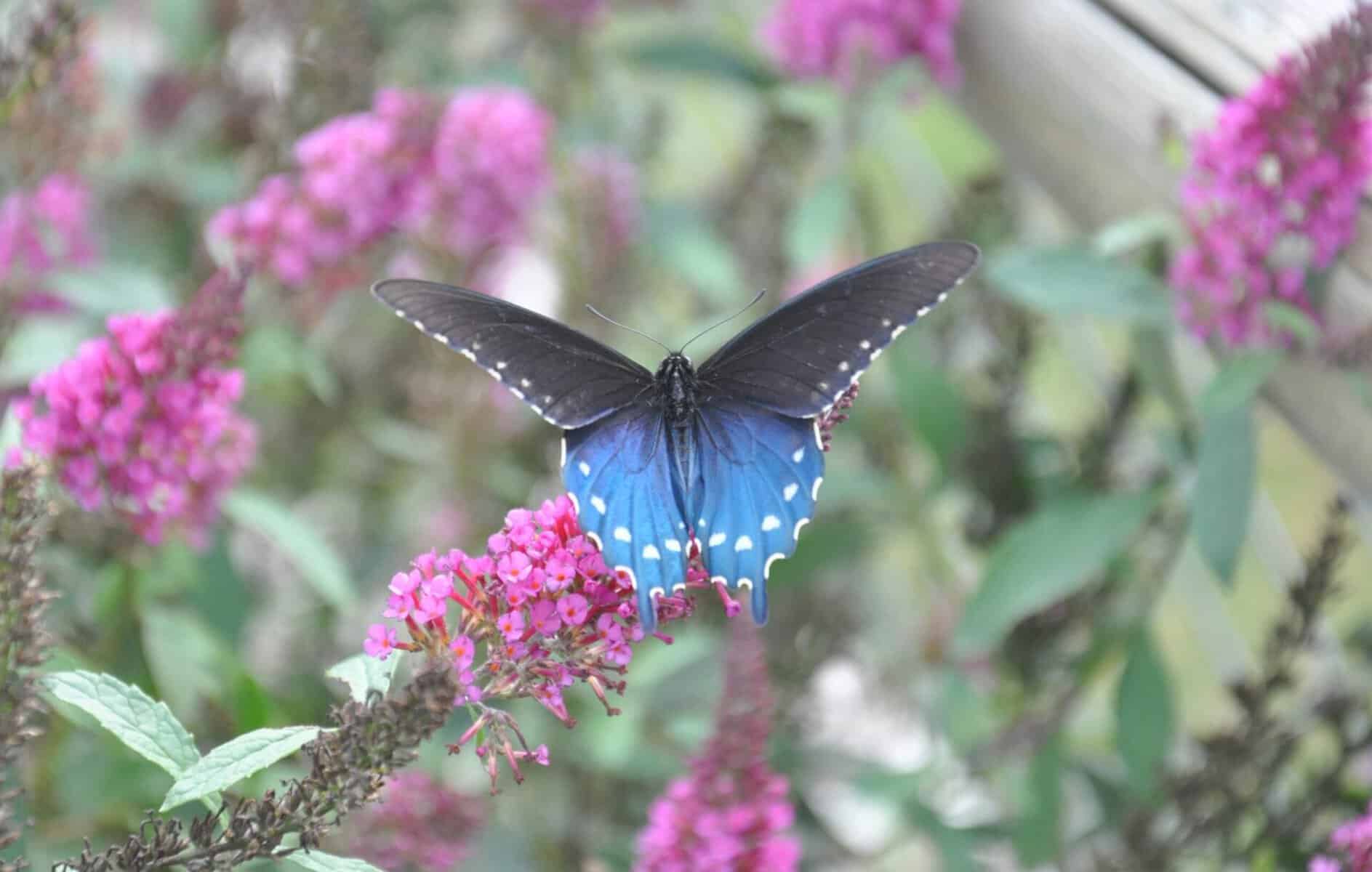
Pipevine swallowtails are tied to pipevine host plants. This is where gardeners need to be careful. Some nonnative ornamental pipevines are poor or dangerous choices for native swallowtails, so use regionally appropriate native plants and buy from a source that knows what it is selling. A butterfly garden should not become a trap.
Spicebush Swallowtail Butterflies
The spicebush swallowtail is another dark swallowtail with blue or blue-green hindwing color. Males tend to look darker, while females can show more blue and orange. The pale spots along the wing margins help separate them from similar species, but field identification is often a matter of slowing down long enough to compare the whole wing pattern.
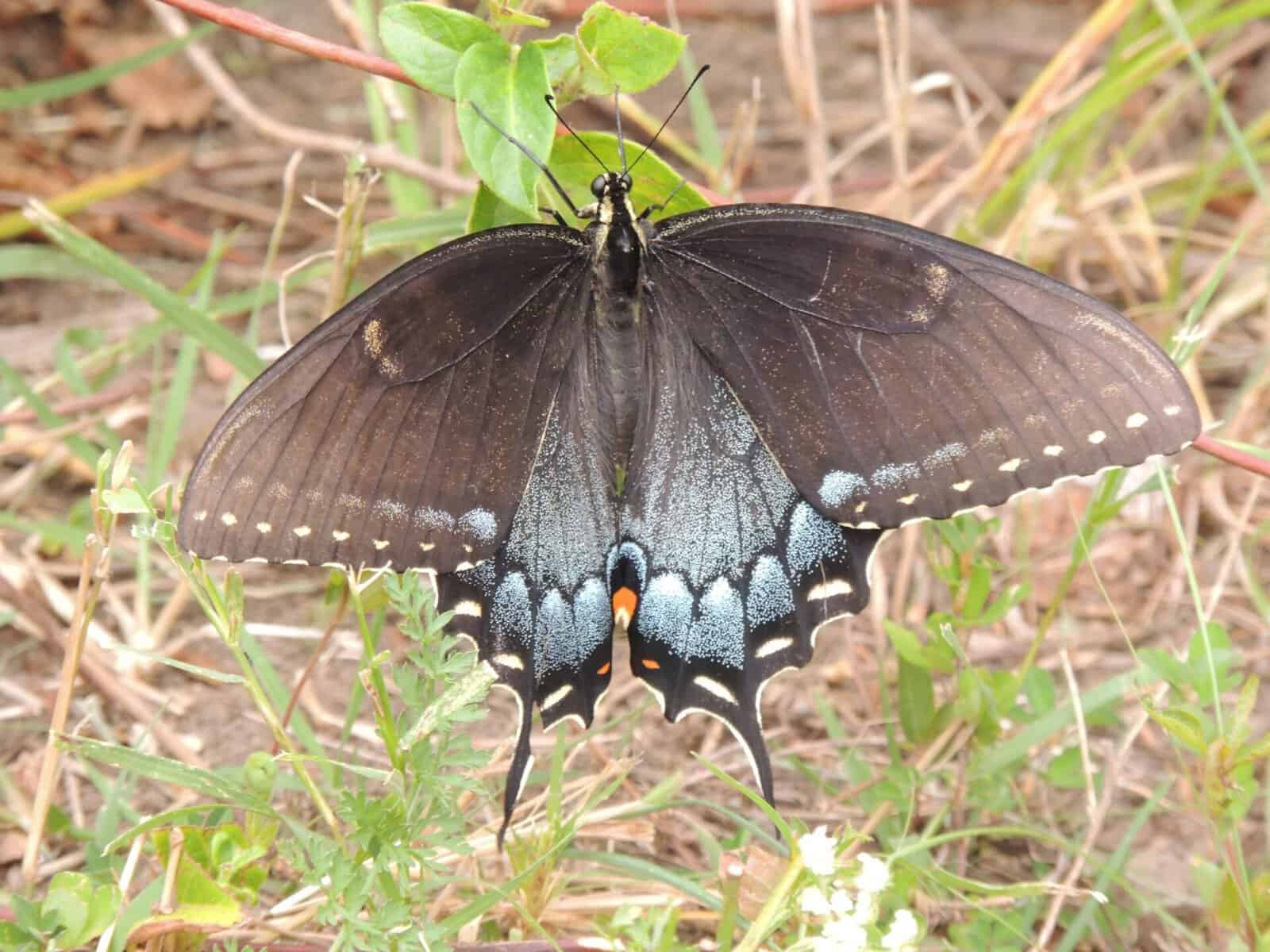
As the name suggests, spicebush is an important host plant where it grows. Sassafras can also support spicebush swallowtails in parts of their range. On a homestead or rural yard, that means the unmowed edge, woodland margin, or native shrub row may be more valuable than it looks.
Tiger Swallowtail Butterflies
The eastern tiger swallowtail may be the swallowtail many people recognize first. Males are bright yellow with black tiger-like stripes. Females can be yellow or dark, and dark females show blue on the hindwings. They are common around forests, yards, gardens, and flowering edges.
Oklahoma Department of Wildlife Conservation notes that at Red Slough Wildlife Management Area, buttonbush is one of the best summer butterfly plants and that swallowtails are strongly attracted to it. If you have a damp edge or pond margin, buttonbush for summer butterflies is worth considering.
David later photographed tiger swallowtails on buttonbush flowers, and that observation pairs naturally with this guide. You can follow that field note here: tiger swallowtails visiting buttonbush flowers.
Zebra Swallowtail Butterflies
The zebra swallowtail is the black and white one, with long dramatic tails and stripes that make the name feel obvious. David described it as uncommon in Oklahoma and most likely in a few counties in far eastern Oklahoma, often around moist woodlands. Becky finding one on butterfly weed was a small gift.

Zebra swallowtails use pawpaw as their larval host plant. That is a very different requirement from dill for black swallowtails or rue for giant swallowtails. It is also a good reminder that a single pollinator mix is not magic. Butterflies need specific plants, specific seasons, and enough habitat nearby to complete their lives.
How to Make a Yard Friendlier to Swallowtails
Start with what you already have. If there are blooming herbs, let some flower. If there is a sunny garden bed, add nectar plants that bloom at different heights and seasons. If there is a damp edge, consider plants such as buttonbush where appropriate. If you have room for native trees and shrubs, they can feed caterpillars in ways annual flowers cannot.
Then reduce harm. Avoid spraying pesticide on host plants or blooming plants where butterflies feed. Leave a little mess at the edges when you can. Watch before pruning every volunteer sapling or pulling every plant that looks imperfect. Slow observation is often the cheapest improvement a garden gets.
For more pollinator watching, read the monarch butterfly lifecycle, then compare mimicry in the red-spotted purple butterfly. If your flowers are busy with more than butterflies, meet six common bee species too. David’s summer wildflowers note is another good place to wander next.
Helpful Gear and Reference Opportunities
This article does not need a heavy product block. Natural affiliate fits would be a regional butterfly field guide, compact binoculars, a pocket notebook, native plant markers, or seed-starting supplies for host plants. Add real Lasso shortcodes only after products are chosen. Do not invent prices, ratings, IDs, or affiliate URLs.
Watching for the Next Flutterby
David joked that flutterby might be a better name than butterfly, and it is hard to argue when one passes the window. These insects are not just decorations on a flower. They are proof that the plants, weather, woods, and yard are connected.
Once you learn the swallowtails, a summer garden gets more interesting. The dark one with blue hindwings might be pipevine or spicebush. The big yellow one may be an eastern tiger. The striped white one could be the zebra swallowtail you only see once in a long while. Keep watching. That is how a plain morning turns into a field note.
Frequently Asked Questions About Swallowtail Butterflies in Oklahoma
How many swallowtail butterflies are in eastern Oklahoma?
David’s field note focused on six swallowtail butterflies in eastern Oklahoma: black, giant, pipevine, spicebush, eastern tiger, and zebra swallowtails.
What is Oklahoma’s state butterfly?
Oklahoma’s state butterfly is the black swallowtail. It was designated by the Oklahoma Legislature in 1996.
What plants attract black swallowtail caterpillars?
Black swallowtail caterpillars use carrot-family plants such as dill, fennel, and parsley. Plant extra if you want both kitchen herbs and caterpillar food.
Why do swallowtail caterpillars need host plants?
Adult butterflies drink nectar from many flowers, but caterpillars need specific host plants. Without the right host leaves, the next generation cannot feed.
Are zebra swallowtails common in Oklahoma?
Zebra swallowtails are uncommon in Oklahoma and are most associated with far eastern counties and moist woodland habitat where pawpaw can grow.