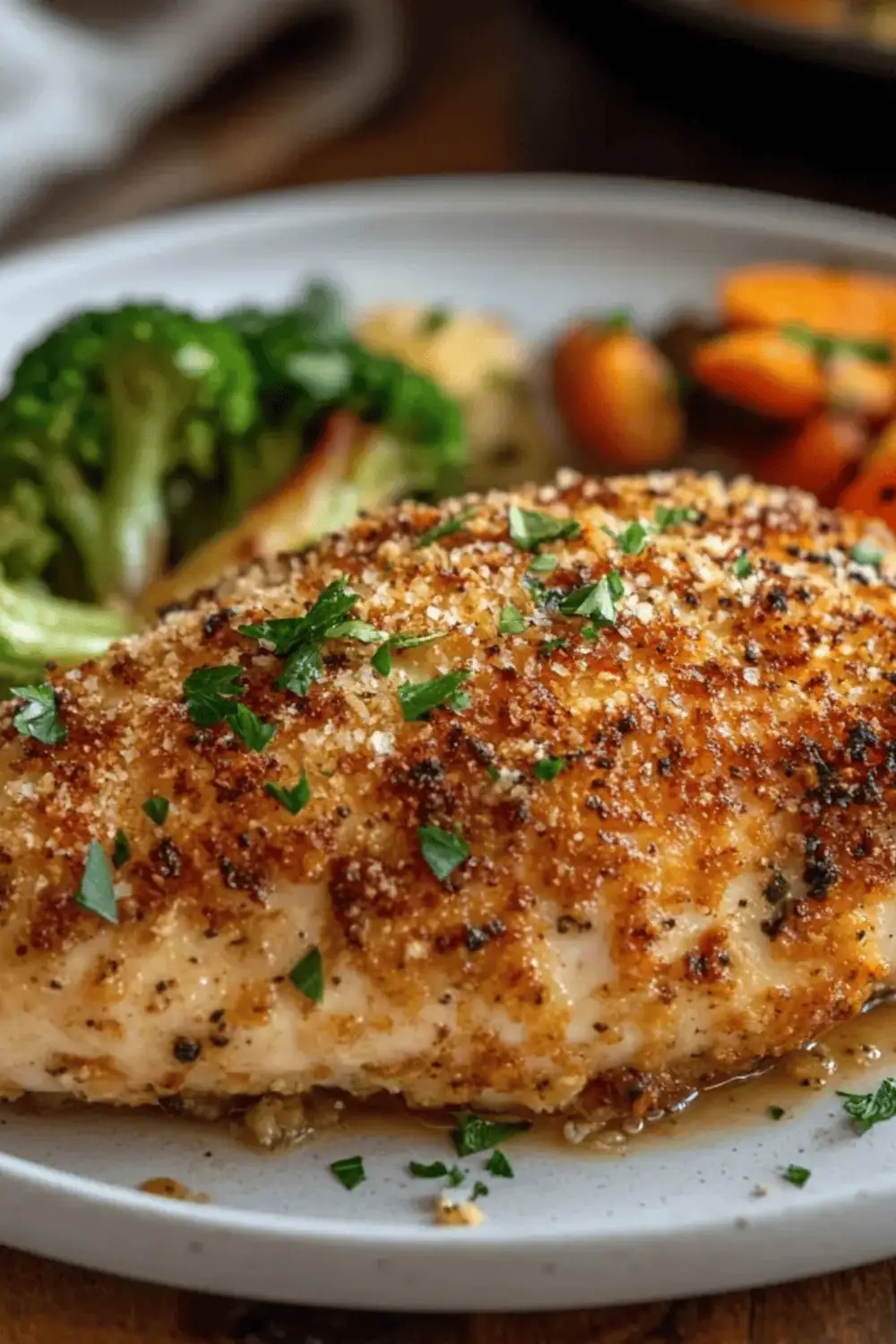
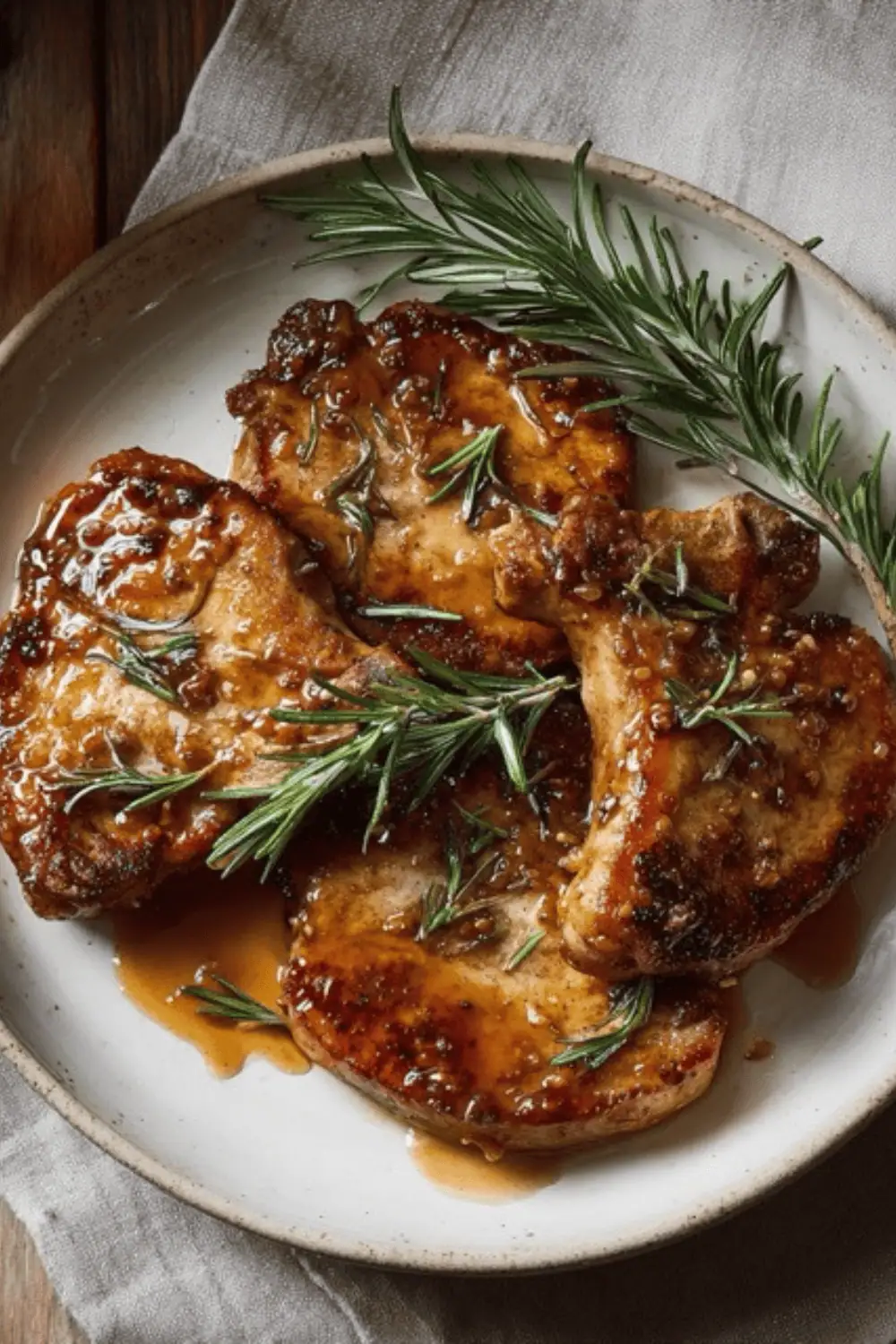
For those of us dedicated to the rhythms of the earth, to the labor of our hands, and to the nourishing power of scratch cooking, the pot roast is more than just a meal. It is a philosophy, a tradition, and a testament to the fact that the most humble ingredients, given enough time and respect, can transform into something truly magnificent. It embodies the core tenets of homesteading: frugality, resourcefulness, and a profound appreciation for slow living.
This is the ultimate one-pot wonder, designed not for the microwave-paced world, but for the deliberate, deliberate pace of the farm. It requires only fifteen minutes of effort before it rewards you with three to four hours of hands-off time—time you can use for milking, mending fences, gathering eggs, or simply sitting down to enjoy the quiet hum of your well-loved home.
We’re sharing a classic, time-tested pot roast recipe today that is so simple and so perfect, you’ll never need another. But more than just the steps, we want to dive deep into the why behind the how, ensuring that your next pot roast isn’t just good, but legendary.
The Philosophy of the Pot Roast: Frugality Meets Flavor
On the homestead, every penny and every piece of the harvest counts. This is where the pot roast shines. It is, by its very nature, a frugal masterpiece.
The modern palate has been trained to prize tender, expensive cuts like the tenderloin or the ribeye. However, the most flavorful cuts of beef are often the toughest—the ones that are constantly working on the animal. The chuck roast, the star of our recipe, comes from the shoulder of the cow. This hardworking muscle is rich in flavor but also dense with collagen and connective tissue.
If you tried to grill a chuck roast, you’d end up with shoe leather. But if you respect its nature and apply the magic of low, slow, moist heat, that collagen—the very thing that makes the meat tough—begins a miraculous transformation. At temperatures between 160°F and 200°F, the collagen dissolves into gelatin, coating the muscle fibers, lubricating the meat, and yielding that signature, decadent, fall-apart texture. This process is called braising, and it is the homesteader’s secret weapon for turning an inexpensive cut into the richest meal imaginable.
By choosing the chuck roast, you are not only saving money but you are actively choosing the cut with the deepest, beefiest flavor, relying on patience instead of price tag. That’s the homestead way.
The Alchemy of Searing: Building the Flavor Foundation
The first and most critical step in this entire process—the one you absolutely cannot skip—is searing the roast. This is where you lay the foundation for all the flavor that follows.
The Maillard Reaction: Browning is Flavor
When you pat the roast dry and season it heavily with salt and pepper, you are preparing it for the Maillard Reaction. This complex chemical process, named after chemist Louis-Camille Maillard, occurs when proteins and sugars in the food are heated, creating thousands of new, deeply savory flavor compounds and a beautiful brown crust. This is the difference between meat that tastes boiled and meat that tastes beefy, complex, and profound.
Your mission during the sear: Don’t just lightly color the meat. You are looking for a deep, dark mahogany brown crust on all sides.
- Heat Control: Use a sturdy pot, like a Dutch oven (the essential homestead vessel), and get your oil (we prefer a high-heat fat like lard or avocado oil, but standard cooking oil works fine) smoking hot over medium-high heat.
- Space is Key: Do not crowd the pot. If the pot is too full, the temperature will drop, and the meat will steam instead of sear. Sear one side completely, do not peek or fiddle with it, and then turn it.
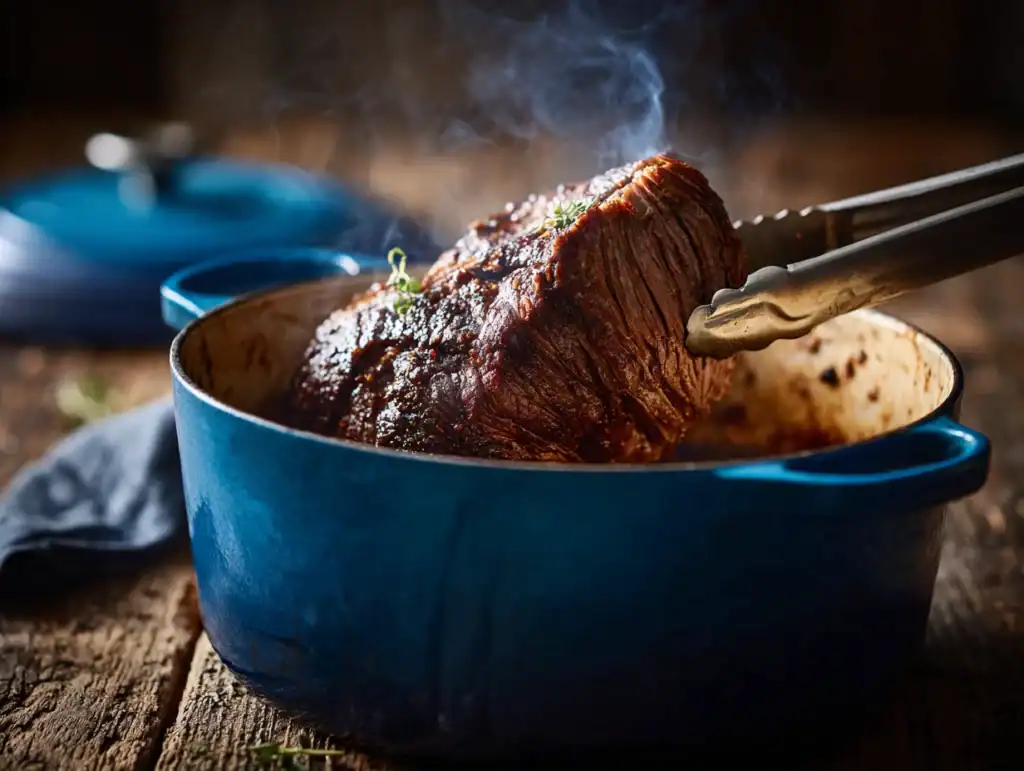
- Embrace the Crust: You will likely have some pieces of seared crust stick to the bottom of the pot—this is called the fond, and it is pure gold. Remove the roast to a plate—don’t clean the pot!—and prepare for the next step.
The Heart of the Gravy: Deglazing and the Aromatics
Once the chuck roast is resting, your Dutch oven looks a little rough. The bottom is covered in dark, stuck-on bits of fond. Do not fret; this is exactly what you want. These bits are the concentrated essence of beef flavor, and the next few steps are dedicated to harvesting them for your rich, savory gravy.
Sweat the Aromatics
Adding the sliced onion to the residual oil and fat in the pot accomplishes two things simultaneously:
- It begins to soften and sweeten the onion, releasing its foundational flavor.
- It creates steam that helps lift some of the fond from the bottom of the pan.
Once the onion is translucent and soft, you’ll add the minced garlic and the tomato paste. This is a quick step, and you must be careful not to burn the garlic. Cook the tomato paste for just a minute or two, stirring constantly. This brief cooking time is called blooming the paste; it caramelizes the sugars and intensifies its savory depth, removing the raw, metallic edge and adding a balancing acidity to the final dish.
The Act of Deglazing
Now comes the crucial liquid step. Pour in the beef broth and the Worcestershire sauce. The temperature of the liquid will rapidly drop, and it’s your cue to grab a wooden spoon or spatula. Vigorously scrape the bottom of the pot, releasing every single particle of that precious fond into the liquid. This process, called deglazing, is the secret to a dark, restaurant-quality gravy that tastes deeply of beef. Without this step, your broth will be lackluster.
This liquid is now the flavor vessel for the next few hours, carrying the concentrated essence of the seared beef, the savory background of the aromatics, and the tang of the tomato and Worcestershire.
The Root Cellar Bounty: Herbs and Hard Vegetables
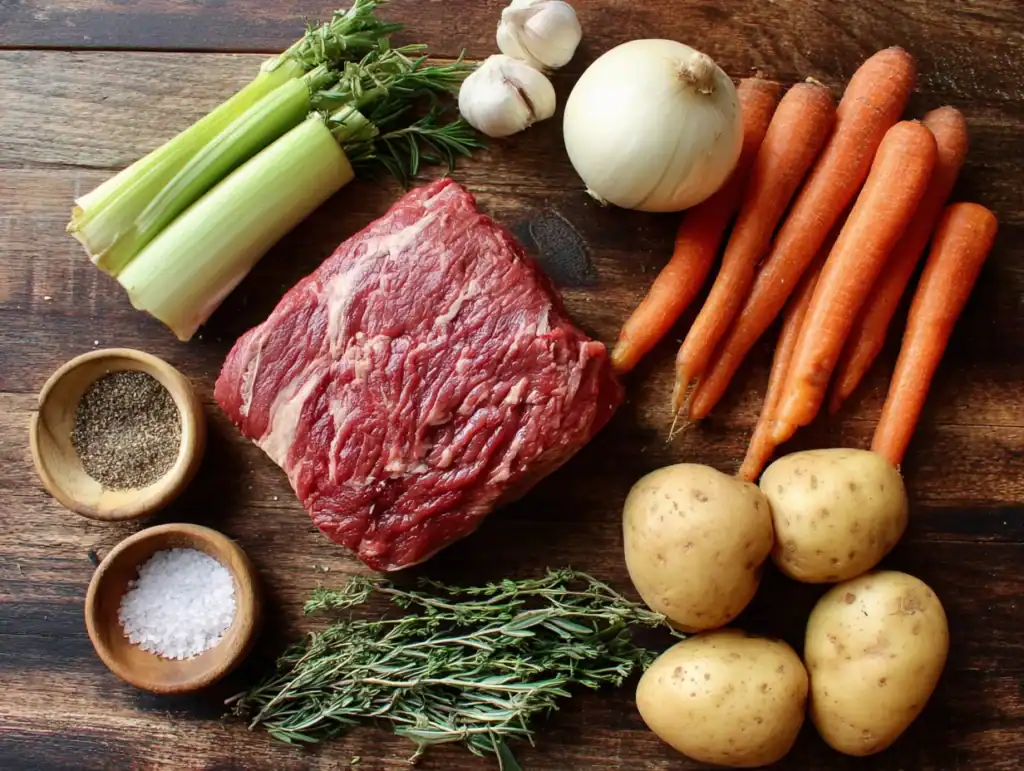
Returning the seared roast to the pot, you’ll add the rest of your dry seasonings: thyme, rosemary, and the bay leaf.
A quick note on herbs: We use dried herbs here because they hold up best over a long cook time. Unlike fresh herbs, which would turn bitter, the dried herbs release their aromatic oils slowly, scenting the meat and vegetables over the course of hours. For those who grow them, drying your own thyme and rosemary in the summer ensures you have the finest flavor ready for your winter braises.
Why Cut Them Big
Next, you scatter the carrots, celery, and potatoes around the roast. Notice the recipe specifies to cut them into large chunks. This is not just for aesthetic value; it is a practical necessity for a three-to-four-hour cook time.
f you dice your vegetables finely, they will completely disintegrate into mush hours before the beef is tender. By cutting them large, they retain their shape, absorb the broth, and remain firm enough to enjoy. The onion, which was sliced and added early, is meant to melt away into the gravy, but the root vegetables are meant to be a hearty accompaniment.
These vegetables are the perfect reflection of the homestead kitchen—often sourced from the root cellar, hardy, and able to withstand a long cook. If you have parsnips or rutabagas from your garden, these are excellent, traditional additions as well.
The Final Surrender: Low, Slow, and Fork-Tender
With the lid sealed, the pot now moves to the oven for the final, transformative stage. The instruction is simple: Cover and cook at 300 degrees for 3 to 4 hours.
The Science of Slow Cooking
While a higher temperature might cook the meat faster, it would never yield the tender results we crave. The 300°F oven temperature is essential because it allows the liquid inside the Dutch oven to maintain a temperature that is high enough to cook the meat thoroughly, but low enough to stay within that golden window where collagen dissolves into gelatin. Too high a temperature, and the muscle fibers will simply seize up and dry out before the collagen has a chance to fully melt.
Patience is Your Main Ingredient. Do not constantly lift the lid to check on the roast. Every time you open the pot, you release heat and steam, dropping the internal temperature and adding 15 to 20 minutes to your total cook time.
The Real Test of Doneness
The clock is a guide, but the roast is the final judge. A pot roast is not done when it reaches an internal temperature of 160°F or 180°F. It is done when it passes the “fork-tender” test.
After about three hours, gently lift the lid and insert a fork into the thickest part of the roast. If you have to pull or tug to shred the meat, put the lid back on and give it another half hour. The roast is truly finished when the fork can be twisted and the meat effortlessly flakes and pulls apart with minimal resistance. This is the moment when all that tough, sinewy connective tissue has finally surrendered and become unctuous, flavorful gelatin.
Serving the Pot Roast
Once the roast is fork-tender, remove the bay leaf (no one wants to eat that!) and taste the beautiful broth, adjusting the salt and pepper as needed. A splash of apple cider vinegar or a touch more Worcestershire can also brighten the flavors if they seem a little flat.
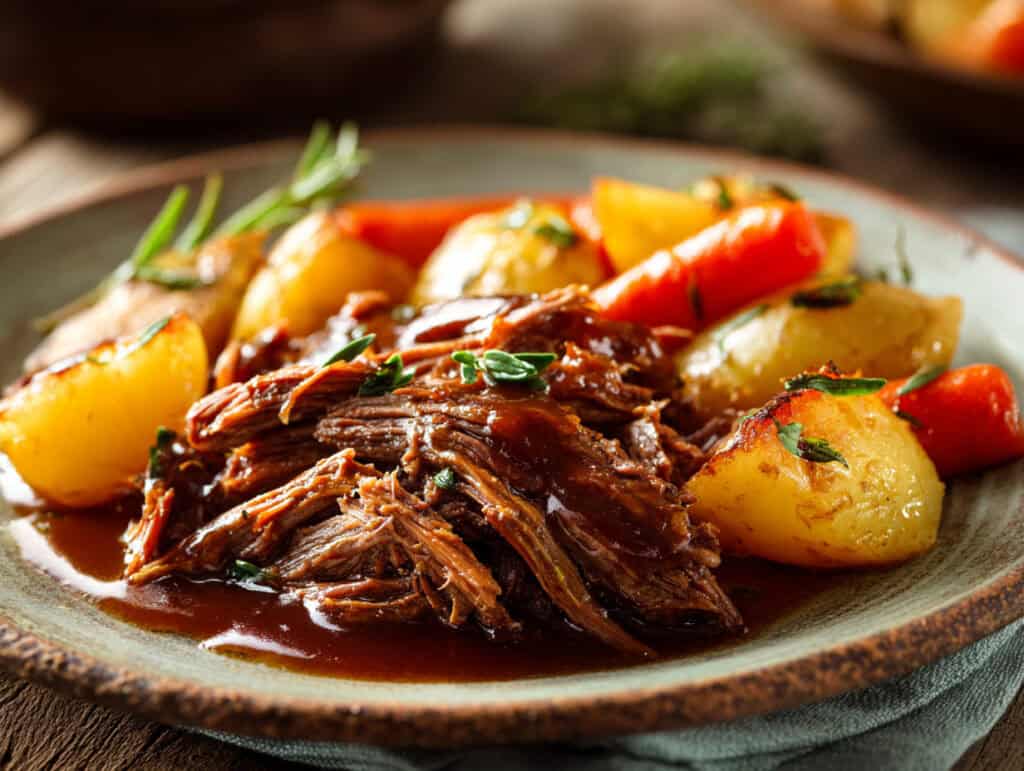
This dish asks for no fancy presentation. It is perfect when served rustically: ladled right out of the Dutch oven onto warm plates. The gravy, having been enriched by the gelatin from the roast and the starch from the vegetables, will be perfectly savory and should be generously spooned over the meat and potatoes.
The optional additions—a handful of freshly chopped parsley or thyme sprinkled over at the very end, or sautéed mushrooms stirred in during the last hour—offer a bright, fresh contrast to the deep, slow-cooked flavors.
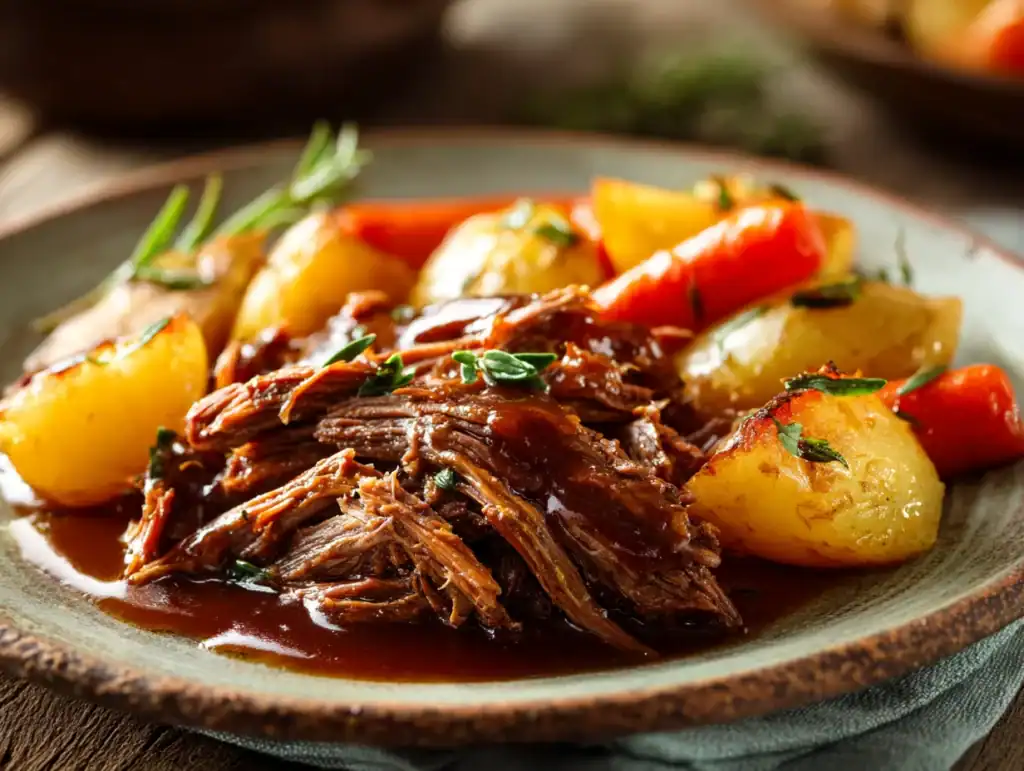
The beauty of this meal is its abundance. A generous chuck roast provides enough for 6 to 8 servings, meaning you’ve not only fed your family a spectacular meal, but you’ve guaranteed yourself leftovers for the next day, which are even more flavorful. Shred the remaining beef for pot roast sandwiches, or use the broth as a base for an incredible vegetable soup.
This pot roast is more than a recipe; it is an act of love, a lesson in patience, and a tradition that grounds the homestead kitchen in the wisdom of our ancestors. Light a fire, call the family to the table, and savor the profound comfort that only a slow-cooked, honest meal can provide.
Print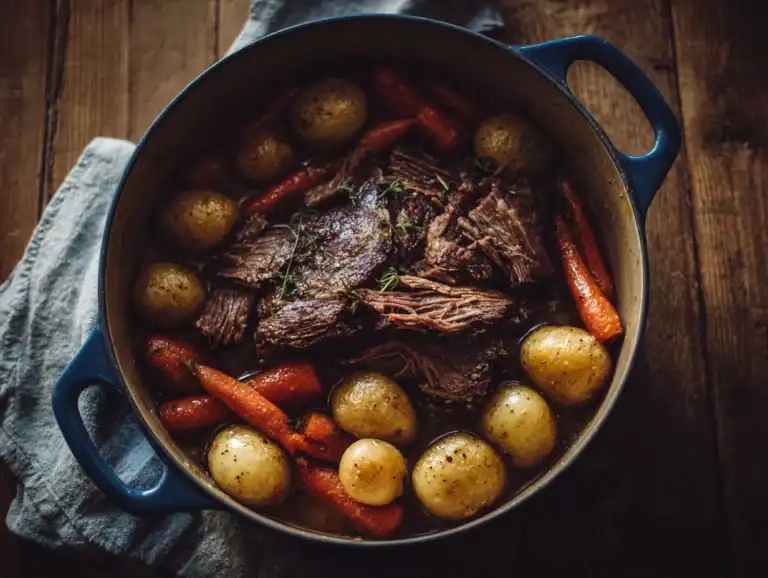
The Ultimate Pot Roast
This recipe details braising a seasoned chuck roast with root vegetables, beef broth, and savory aromatics in a Dutch oven until it is fork-tender, creating a classic, comforting one-pot meal.
- Total Time: 3-4 hours
- Yield: 6–8 servings 1x
Ingredients
3 to 4 pound chuck roast
2 teaspoons salt
1 teaspoon black pepper
2 tablespoons oil
1 large onion sliced
4 garlic cloves minced
4 carrots cut into chunks
4 celery stalks cut into chunks
1 pound potatoes cut into chunks
2 tablespoons tomato paste
2 cups beef broth
1 tablespoon Worcestershire sauce
1 teaspoon dried thyme
1 teaspoon dried rosemary
1 bay leaf
Instructions
- Bring the roast to room temperature. Pat it dry. Season all sides with salt and pepper.
- Heat oil in a large Dutch oven over medium heat. Sear the roast on every side until browned. Remove and set aside.
- Add onion. Cook until softened. Stir in garlic and tomato paste.
- Pour in broth and Worcestershire. Scrape the bottom of the pot.
- Return roast to the pot. Add herbs.
- Add carrots, celery, and potatoes around the meat.
- Cover with lid. Cook at 300 degrees for 3 to 4 hours or until tender.
- Remove bay leaf. Taste broth. Adjust seasoning.
- Serve warm with vegetables and broth.
- Prep Time: 15 minutes
- Cook Time: 3-4 hours