
What to plant in February is one of those questions that sneaks up on you. The holidays are over. The seed catalogs have been arriving for weeks. The ground still looks cold and uninviting. It feels too early to do anything, and yet the gardening part of your brain is awake again.
February is not spring. It is not even close in many places. But it is not empty either. There is more you can do this month than most people realize, especially if you pay attention to your climate and not just the calendar.
The key is knowing the difference between what can handle cold soil and what absolutely cannot.
What to Plant in February Depends on Where You Live
The first thing to say about what to plant in February is that your zip code matters. A gardener in zone 8 is living in a different world than someone in zone 5. Soil temperature, last frost dates, and daylight hours change everything. Make sure to check your USDA Hardiness Zone.
In warmer climates, February can feel like early spring. In colder regions, it is still deep winter with frozen ground. That does not mean you are out of options. It just means your focus shifts.
If your soil is workable and not frozen solid, you can direct sow certain cool-season crops. If your ground is still locked up, February becomes an indoor seed starting month and a planning month. Either way, there is movement.
Check your average last frost date. Not the hopeful one. The average. That date is the anchor for everything else.

Cool Season Crops That Can Handle Cold Soil
If you can work your soil, February is prime time for cool season vegetables. These are crops that prefer chilly weather and often taste better because of it.
Spinach is one of the most forgiving early crops. It tolerates frost and can germinate in cool soil. Lettuce is similar. It grows steadily in cold weather and bolts quickly once heat arrives, so an early start helps.
Peas are a classic February planting in many regions. They like cool soil and can handle light frosts once established. Radishes germinate quickly and do not mind cold conditions. Carrots can also go in early, though they take patience.
Kale and other hardy greens are dependable choices. They tolerate cold nights and often become sweeter after a frost. These crops are not dramatic. They grow steadily and reward early effort.
If your soil is wet and heavy from winter rain, resist the urge to work it too soon. Compacted soil causes more trouble than waiting another week.
Crops to Start Indoors in February
Even if your outdoor beds are not ready, February is an important month indoors. Seed trays, grow lights, and a sunny window become part of the routine.
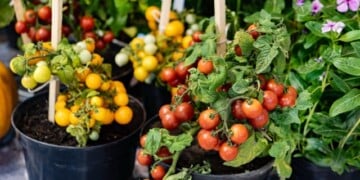
Tomatoes and peppers often get their start in February, depending on your last frost date. They need time to grow into sturdy transplants before going outside. Starting too early can lead to leggy plants. Starting too late shortens your harvest window.
Brassicas such as broccoli, cabbage, and cauliflower can also be started indoors now in many regions. They prefer cooler weather and can be transplanted before true heat sets in.
Onions, especially from seed, benefit from an early start. They take time to size up properly and do well with a long growing season.
Indoor seed starting in February requires light and patience. Weak light leads to thin stems and disappointment. If you are going to start seeds, commit to giving them enough light.

Herbs That Do Well With an Early Start
Herbs are often overlooked in early planning, but February is a good month to think about them.
Parsley can be slow to germinate, so starting it early indoors helps. Cilantro prefers cool weather and can be direct sown in milder climates. Chives are hardy and can handle cooler conditions once established.
If you grow perennial herbs, February is also a good time to assess them. Trim back dead growth if needed and clear debris from around the base of the plants. Give them room to breathe before new growth begins.
Herbs do not require dramatic effort. They respond well to steady attention and reasonable expectations. Learn all about indoor herb gardening.

Fruit and Perennials to Plant Before the Rush
February is a strong month for planting bare-root trees and shrubs in many regions. Nurseries often carry them before spring fully arrives.
Bare-root fruit trees establish well when planted during dormancy. The same goes for berries such as raspberries and blackberries. They benefit from being in the ground before active growth begins.
Strawberry crowns can often be planted in late winter in milder climates. Asparagus crowns are another early-season planting that rewards patience in the long run.
Perennials planted in February have time to settle in before summer heat. The key is workable soil and proper drainage. Do not rush this step if your ground is still saturated.
What Not to Plant in February
Just as important as what to plant in February is what to leave alone.
Warm-season crops such as squash, cucumbers, melons, and beans do not belong in cold soil. They resent cold roots and stall easily. Even if you are eager, wait.
Corn is another crop that prefers warmer soil. Planting it too early leads to uneven germination and weak growth.
It is tempting to push tomatoes and peppers outside on a warm February afternoon. Resist that temptation. False spring is real. One late frost can undo weeks of growth.
Patience in February saves frustration in April.
Soil Work You Can Do Now
If planting feels premature, soil preparation rarely is. February is a good time to add compost, clear old plant debris, and map out bed rotations.
Test your soil if you have not done so recently. Knowing your pH and nutrient levels gives direction to your spring plans.
Repair raised beds. Check irrigation lines. Sharpen tools. None of these tasks are glamorous, but they make the rest of the season smoother.
What to plant in February is only part of the story. Preparing the space matters just as much.
USA designed and assembled soil tester completely, quickly and accurately measures/analyzes soil pH acidity and garden nutrients.

Planning Without Overcomplicating
February is also planning season. This is when seed packets pile up on the kitchen table and ideas start multiplying.
Keep it simple. Choose a few crops you know you will eat. Avoid the urge to plant everything that looks interesting. A manageable garden is more enjoyable than an overextended one.
Sketch out bed layouts. Consider spacing. Think about succession planting for cool season crops that can be replanted later.
Planning in February should feel steady, not overwhelming.
A Word About False Spring
There is usually a warm stretch in February that tricks everyone. The sun feels different. The air smells lighter. It is easy to believe winter is over.
Then March reminds you that it is not.
Finding what to plant in February means respecting that pattern. Use the warm days to work soil, plant hardy crops, and start seeds indoors. Do not gamble with tender plants unless you are prepared to protect them.
Row covers and cold frames help extend the season safely. They are insurance against sudden temperature drops.
Watching the Soil, Not Just the Calendar
Soil temperature matters more than air temperature. A string of warm afternoons does not mean the ground has warmed enough for certain crops.
A simple soil thermometer takes the guesswork out of this. Many cool season crops germinate in soil around forty to fifty degrees. Warm season crops often need sixty or higher.
If the soil is too cold, seeds sit and sometimes rot. Waiting a week can make the difference between strong germination and patchy growth.
February Is a Beginning, Not a Finish Line
What to plant in February is really about starting the season with intention. It is not about racing ahead. It is about doing what makes sense now so that later months feel manageable.
Some years February feels productive. Other years it feels like waiting. Both are normal. Plant your peas. Start your tomatoes under lights. Clean up your beds. Then step back and let the season unfold at its own pace.
Gardening does not reward rushing. It rewards attention.
February is quiet work. It is preparation and small starts. The payoff comes later, but the foundation begins now.