
What to plant in June is one of the most searched garden questions of the year, and the answer is genuinely different depending on where you live. June is a month of transition in the garden. The last cool-season crops are finishing, the heat is building, and the window for certain plantings is either opening or closing fast. Get the timing right and you’ll be harvesting through September. Miss it and you’re looking at a long gap.
Key Takeaways
What to Plant in June by Zone
Knowing your USDA hardiness zone is the starting point, but your local conditions, elevation, and microclimate matter just as much. These zone groupings give a solid baseline — adjust based on what you’ve observed in your own garden over time.
Zones 3 to 5: A Short Window, Used Wisely
If you’re gardening in Zones 3 through 5, June is one of your most productive planting months. Frost risk is finally behind you, soil temperatures have warmed, and you have a real window to establish warm-season crops before the shorter growing season closes down again in early fall.
Direct sow beans, summer squash, zucchini, cucumbers, and corn as early in June as possible. These crops need the full growing season, and every week you delay in a short-season zone costs you at the back end. Transplant tomato, pepper, and eggplant seedlings that you started indoors in March or April. If you haven’t started them yet, look for transplants at a local nursery rather than starting from seed at this point.
Cool-season crops like lettuce, spinach, and kale that went in during May may still be producing. Leave them until they bolt or become unpalatable, then pull them and replant those beds with a fast-maturing warm-season crop or a cover crop if the season is running short. Succession sow radishes and salad greens every two weeks for fresh harvests into August.

Zones 6 to 7: Prime Planting Season
Zones 6 and 7 are in the heart of their warm-season planting window in June. Soil temperatures are consistently above 60°F, which is the threshold most warm-season crops need to germinate reliably. This is the time to get everything in the ground that you want to harvest before fall.
Direct sow a second round of beans, cucumbers, and summer squash if your first planting is already up and running. Basil goes in now and will thrive through July and August. Sweet corn can still be planted in early June for a late-summer harvest. If you want fall broccoli, start seeds indoors in mid-June for transplanting in late July.
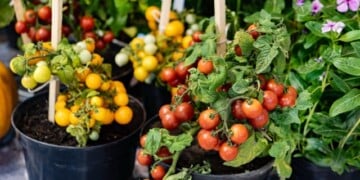
Peppers and tomatoes planted in early June in these zones will have enough time to set fruit before temperatures drop. If your tomato plants are already in the ground from May, June is the time to get them staked, pruned to a manageable structure, and mulched deeply to retain soil moisture through the heat that’s coming.
Zones 8 to 9: Working Around the Heat
June in Zones 8 and 9 means heat is already a real factor, and the approach to planting shifts accordingly. Cool-season crops are finished or nearly so. The focus now is on heat-tolerant warm-season crops and getting them established before July and August push temperatures to their peak.
Plant sweet potatoes, okra, Southern peas, and Armenian cucumber, which handles heat far better than standard slicing types. Herbs that thrive in heat, including basil, rosemary, and lemon verbena, can go in now. Avoid direct sowing beans or squash too late in June in the hottest parts of Zone 9 — they’ll struggle to germinate in soil that gets too hot.
This is also the time to start thinking about fall. In Zones 8 and 9, a fall garden is often more productive than a summer one. Start tomatoes, peppers, and squash seeds indoors in late June for transplanting in August when temperatures begin to ease. The fall garden in these regions can run all the way to December, and the planning starts now.

What NOT to Plant in June
Knowing what to skip is as important as knowing what goes in. Cool-season crops, including peas, spinach, and most lettuce varieties, will bolt almost immediately in June heat across most of the country. If you want to grow them, wait until August or September to start a fall round.
Brassicas like broccoli, cauliflower, and cabbage are tricky in June. Starting them from seed outdoors in most zones leads to poor germination and stressed plants. The exception is starting seeds indoors in a cool space for a fall crop, timed to transplant when summer heat breaks.
Garlic and most onion varieties are planted in fall for summer harvest, not in June. If your garlic is still in the ground, it’s likely close to harvest time, not planting time. Pull it when the lower leaves begin to brown and dry, and replant the bed with a warm-season crop.
Succession Planting in June
Succession planting is one of the highest-return habits a gardener can build, and June is the perfect month to make it a real practice. Instead of planting all your beans at once and facing a two-week feast followed by nothing, stagger plantings every two to three weeks.
Beans, radishes, salad greens, and cilantro are the best candidates for succession sowing in June. Each planting matures a few weeks after the last, spreading your harvest across the entire summer and into fall. Mark your calendar when you sow and set a reminder to sow the next round before the first one is even ready to pick.
Summer squash and cucumbers can also be succession planted, though they produce so prolifically from a single planting that most gardeners find one or two plants per variety is already more than enough. If you’ve ever been buried in zucchini, you know exactly what we mean.
Soil and Planting Tips for June
Soil temperature matters more than calendar date for most warm-season crops. A soil thermometer is one of the most useful tools in a summer garden, and they cost very little. Beans germinate best above 60°F, cucumbers above 65°F, and melons above 70°F. If your soil hasn’t reached those temperatures yet, wait a few days rather than planting into cold ground.
Mulch every bed you plant in June. A 2 to 3 inch layer of straw, wood chips, or shredded leaves keeps soil moisture in, soil temperature stable, and weeds down. In June heat, unmulched soil loses moisture rapidly, and shallow-rooted seedlings dry out fast. Mulching the day you plant sets your new crops up to establish without stress.
Water deeply and less frequently rather than shallowly every day. Frequent shallow watering encourages roots to stay near the surface, where they’re vulnerable to heat and drought. Deep watering once or twice a week drives roots down into more stable, moist soil and builds plants that handle summer heat with much greater resilience.
Herbs Worth Planting in June
June is one of the best months of the year for starting herbs, and it’s worth giving them their own moment. Basil, in particular, is a June crop above everything else — it loves warmth, produces abundantly through summer, and goes into everything from salads to pestos to tomato sauce.
Plant basil, dill, summer savory, and lemon balm directly from seed in June. All of them germinate quickly in warm soil and establish fast. Cilantro is the exception: it bolts quickly in heat, so sow it in a partially shaded spot and accept that it may run to seed by midsummer. Let it self-sow and you’ll often get a volunteer crop in early fall.
Perennial herbs including thyme, oregano, sage, and rosemary can be planted from transplants in June and will establish through the summer, coming back stronger the following year. Give them excellent drainage, minimal fertilizer, and full sun. Herbs grown in lean conditions have more concentrated flavor than those grown in rich, heavily amended soil.

Frequently Asked Questions About What to Plant in June
Can I still plant tomatoes in June?
Yes, in most zones. Zone 3 through 7 gardeners can transplant tomato seedlings in early June and still get a full harvest before frost. In Zones 8 and 9, June transplants may struggle through July heat — in those regions, a fall tomato crop started from seed in late June often outperforms a spring crop.
Is it too late to plant squash in June?
In most of the country, no. Summer squash planted in early to mid-June will mature in 50 to 60 days, putting harvest in August. In short-season zones (3 to 4), plant as early as possible in June and choose fast-maturing varieties. Winter squash planted late in June in short-season zones may not fully mature before frost.
What vegetables grow fastest in June?
Radishes mature in 25 to 30 days and are one of the fastest crops you can plant any time of year. Bush beans are ready in 50 to 55 days. Summer squash and zucchini begin producing in 45 to 55 days from transplant. All of these are excellent choices when you want results before summer peaks.
Can I plant garlic in June?
Garlic is a fall crop in most regions, planted in October or November for harvest the following summer. If you’re harvesting garlic now, cure it in a warm, airy spot for three to four weeks, then store the best bulbs for fall replanting. June is not the right time to start a new garlic bed.
What should I plant in June for a fall harvest?
In Zones 6 through 9, June is the time to start seeds for fall broccoli, cauliflower, kale, and cabbage — started indoors now and transplanted when summer heat breaks in late July or August. In Zones 8 and 9, tomatoes and peppers started from seed in late June will produce a full fall crop.
June rewards gardeners who pay attention to timing and don’t let the warm weather rush them into planting the wrong things too fast or hold them back from planting the right things at the right moment. Work with your zone, get warm-season crops established while the season is long, start succession sowings before your first planting is even ready, and begin thinking about fall. The best summer gardens are planned two months ahead, and June is exactly where that planning pays off.
For more seasonal gardening guidance, see our guide to what to do on the homestead each month.