
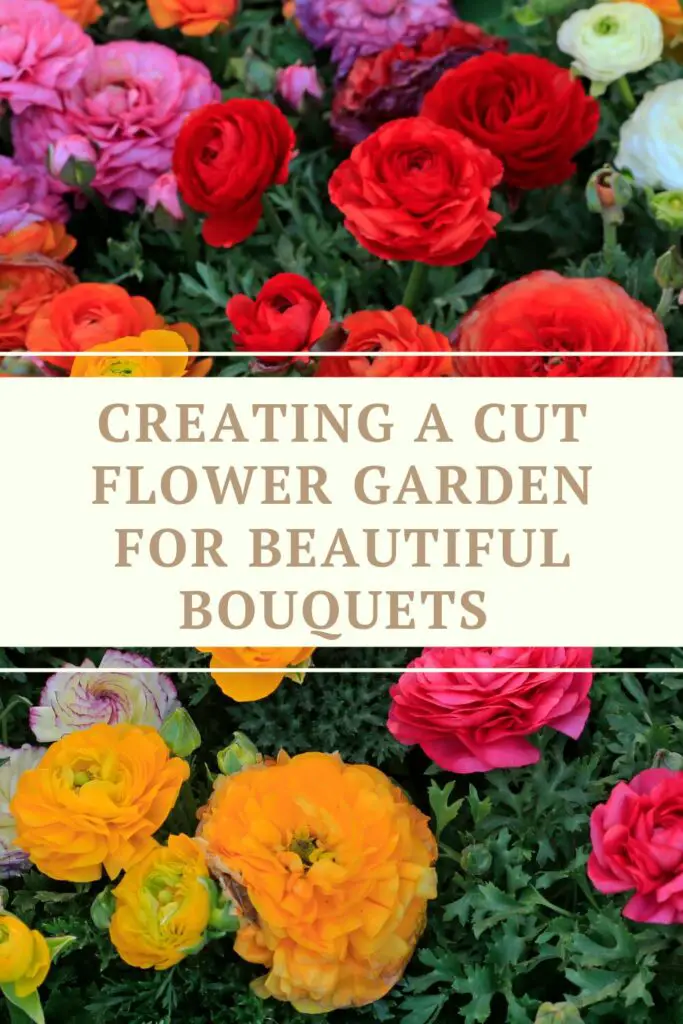
A cut flower garden is a bed you grow specifically to harvest, not to admire from the porch, and setting one up means you can fill your home with fresh bouquets from spring through the first hard frost. The idea is simple: choose a sunny, well-drained spot, plant a mix of flowers that bloom at different times, and cut them freely knowing that regular harvesting only encourages most plants to bloom harder. Unlike a decorative border, a cut flower garden is meant to be picked clean, so you can plant in tidy rows and grow the colors and shapes you actually want in a vase. With a little planning you will have armloads of stems to cut, share, and arrange all season long.
Key Takeaways
Choosing the Right Location for Your Cut Flower Garden
Every cut flower garden starts with sun. Most flowering plants need at least six hours of direct light a day, and eight is better for heavy bloomers like zinnias, dahlias, and sunflowers. Walk your yard through a full day before you commit, and pick the brightest spot you have. A site that bakes in afternoon sun will outproduce a shady corner every time.
Drainage and access matter almost as much as light. Choose ground that does not stay soggy after rain, since most cut flowers resent wet feet, and put the bed within easy reach of a hose or watering can so you never skip a soaking on a hot week. A little shelter from strong wind helps too, protecting tall stems like snapdragons and sunflowers from snapping just as they hit their peak.

Designing and Planning Your Cut Flower Garden
Good design in a cutting garden is about access and succession, not showpiece looks. Lay out beds no wider than 4 feet so you can reach the center from either side without compacting the soil, and leave paths wide enough to carry a harvest bucket down. Grouping flowers by height keeps tall sunflowers and larkspur from shading out shorter zinnias and marigolds.
The real trick is planting for a long season of blooms. Combine spring bulbs such as tulips and daffodils with summer annuals like cosmos and celosia, then add late performers such as dahlias and asters to carry you into fall. If you are just starting out, you may want to try a cut flower garden seed mix to decide what you like best. For a themed twist, our guide to 2026 wedding flower trends to grow at home pairs beautifully with a cutting patch.

Preparing the Beds and Soil
Cut flowers pull a lot from the soil over a long season, so build fertility before you plant. Loosen the ground about 12 inches deep, remove weeds and rocks, and work in 2 to 3 inches of compost or well-rotted manure to feed the plants and improve both drainage and moisture retention. Rich, crumbly soil is the single biggest factor in how many stems you cut. A cutting bed is also one of the better things you can do for pollinators, as long as you leave some stems standing. Our guide to attracting bees covers which of the usual cut flowers actually feed them.
Homemade compost is the thriftiest way to get there, and it keeps kitchen and yard waste out of the trash. Our walk-through on how to turn fallen leaves into compost turns an autumn chore into free soil food for next year’s blooms. Once beds are prepped, a 2-inch layer of mulch holds moisture and keeps weeds down through the heat of summer.

Gathering Your Blooms at the Right Time
How and when you cut decides how long your flowers last in the vase. Harvest in the cool of early morning when stems are full of water, using clean, sharp snips and carrying a bucket of water right into the garden so cut stems never sit dry. Cut most flowers when the buds are just beginning to open rather than fully blown, since they will continue opening indoors and last far longer.
Strip the lower leaves that would otherwise rot below the waterline, and get stems into clean water fast. Cutting often is not just allowed but encouraged: for zinnias, cosmos, sweet peas, and most annuals, every stem you remove signals the plant to push out more. For the full science of harvest timing and post-cut handling, the University of Illinois Extension guidance on growing a cut flower garden is a reliable reference.

Creating Beautiful Arrangements From Your Cut Flower Garden
Arranging your own blooms is where the whole effort pays off. Start with a clean vase and fresh water, add flower food or a simple homemade mix of a teaspoon of sugar and a splash of vinegar, and recut each stem at an angle just before it goes in. Build arrangements in layers: place larger focal flowers first, fill in with medium blooms, then tuck in airy fillers and foliage to soften the edges.
Play with color and texture the way you would in the garden itself, pairing bold dahlias with delicate cosmos or mixing warm sunflowers with cool blue larkspur. Keep finished arrangements out of direct sun and away from ripening fruit, which releases gases that shorten a bouquet’s life, and change the water every couple of days to keep stems fresh.


Extending the Harvest Across Every Season
The gardens that supply bouquets for months rather than weeks all rely on succession planting. Rather than sowing everything at once, stagger your plantings so a fresh wave comes on as the last one fades. Start with cool-season flowers and spring bulbs, follow with heat-loving annuals sown every two to three weeks through early summer, then finish with late bloomers and ornamental grasses that shine in autumn.
Pay attention to your first and last frost dates, since they set the outer edges of your season. Tender annuals like zinnias and dahlias go out only after the last spring frost, while hardy flowers such as larkspur and bachelor buttons can be sown earlier or even in fall in mild regions. Keeping a simple planting calendar from one year to the next turns guesswork into a dependable schedule you can lean on.
Start where your space and time allow rather than trying to grow everything at once. If you have a sunny spot and a single season to work with, plant a small bed of reliable annuals like zinnias, cosmos, and sunflowers and learn the rhythm of cutting and arranging. As you gain confidence, layer in spring bulbs, dahlias, and a wider palette so you always have something in bloom. A cut flower garden rewards steady attention with fresh bouquets you grew yourself, and few things brighten a homestead kitchen quite like a jar of stems you picked that morning.
Frequently Asked Questions About Cut Flower Gardens
How Big Should a Cut Flower Garden Be?
You can grow useful bouquets in a bed as small as 4 feet by 8 feet, though many gardeners settle on a few rows totaling around 100 square feet once they are hooked. Narrow beds no wider than 4 feet let you reach every plant without stepping on the soil. Start small your first season, learn which flowers you actually cut and enjoy, and expand from there rather than planting more than you can keep watered and picked.
What Are the Easiest Flowers to Grow for Cutting?
Zinnias, cosmos, sunflowers, and marigolds are the classic beginner cut flowers because they germinate quickly, tolerate heat, and bloom heavily from a single spring sowing. Snapdragons and celosia add height and texture, while dahlias reward a little more effort with months of large blooms. For spring, plant tulips, daffodils, and ranunculus bulbs the previous fall. A mixed seed packet is a low-cost way to test several at once.
How Often Should I Cut Flowers From the Garden?
Cut early and cut often. For most annuals like zinnias and cosmos, harvesting stems signals the plant to produce more, so the more you pick the more you get. Aim to cut in the cool of the morning every two to three days during peak season, removing spent blooms at the same time. Leaving flowers to fade on the plant tells it to set seed and slow down, which shortens your whole season.
How Do I Make Cut Flowers Last Longer in a Vase?
Cut into a bucket of clean water first thing in the morning, then recut each stem at an angle and strip any leaves that would sit below the waterline. Use a clean vase, add flower food or a homemade mix of sugar and a splash of vinegar, and keep the arrangement out of direct sun and away from ripening fruit. Refresh the water every couple of days and most stems will hold for a week or more.
Can I Have a Cut Flower Garden Year Round?
In most climates you can stretch the harvest across three seasons by succession planting: spring bulbs, then summer annuals sown in waves, then late bloomers and grasses for fall. In mild, frost-free regions a true year-round garden is possible with cool-season flowers grown through winter. Everywhere else, you can bridge the cold months with dried flowers, branches, and greenery cut from the garden and preserved.