
Modern weddings are experiencing a profound design evolution. For years, wedding florals were defined by rigid, tightly packed, uniform spheres of imported white roses and eucalyptus. Today, couples are completely rejecting that formulaic look in favor of arrangements that feel deeply personal, full of texture, and intimately connected to the natural world. According to data from national floral network Poppy Flowers, brides are prioritizing movement, artistic asymmetry, and editorial silhouettes—a design movement widely known as modern maximalism.
For the home gardener, cutting garden enthusiast, or sustainable homesteader, this shift represents an incredible opportunity. The very design elements that high-end florists are clamoring for—wispy stems, unexpected textures, and the whimsical, hand-picked look—are exactly the traits that thrive in a meticulously tended home garden. By aligning your seed orders and spring planting schedules with emerging industry data, you can cultivate a high-value, trend-forward floral harvest right in your backyard.
Whether you are growing for a family member’s upcoming backyard nuptials, supplying local brides, or simply wanting to enjoy the absolute cutting edge of floral design on your kitchen table, here is a complete look at the best 2026 wedding flower trends to grow at home.
Key Takeaways
Cultivating the “It-Girl” Stem: The Rise of Amaranthus
Every season, a single flower captures the collective imagination of the wedding industry and becomes the definitive focal point of high-end design. According to Poppy’s 2026 Floral Trend Report, which analyzes thousands of client consultations, the undisputed “It-Girl” stem of the year is amaranthus. The plant has seen an astonishing 285 percent year-over-year increase in bridal requests.

Amaranthus is celebrated for its highly sculptural, dramatic form. Depending on the variety, it produces long, velvety tassels that either drape elegantly toward the floor or stand completely upright like architectural spires. This dramatic form makes it the absolute anchor for the cascading, sculptural bouquets that are returning to style in a major way, with industry requests for trailing silhouettes climbing by 383 percent.
Fortunately for home growers, amaranthus is one of the easiest, most rewarding annuals to cultivate from seed. It is a warm-weather crop that absolutely thrives in full sun and average garden soil, making it a reliable staple for late summer and autumn events. When growing amaranthus for floral design, varieties like Amaranthus caudatus—commonly known as Love-Lies-Bleeding—provide that highly coveted, trailing velvet look in both pale dusty green and rich magenta.
Sow Right Seeds - Amaranth Seed Collection for Planting - Non-GMO Heirloom Varieties to Grow an Outdoor Home Garden - Red & Green Garnet, Bronze, Love Lies Bleeding - Striking Cut Flowers

To achieve the long, clean stems required for bouquets, plant your amaranthus seeds relatively close together, roughly 10 to 12 inches apart. This close spacing forces the plants to compete for sunlight, stretching their stems upward to create long, elegant, workable lines rather than growing into short, bushy shrubs.
Embracing Burgundy and Warm Tonal Palettes
The sterile, all-white wedding palette is officially taking a backseat to rich, deliberate color stories. Industry insights reveal that burgundy has emerged as the breakout color of the year, experiencing an 18 percent increase across bridal palettes and appearing in roughly one out of every six wedding consultations.
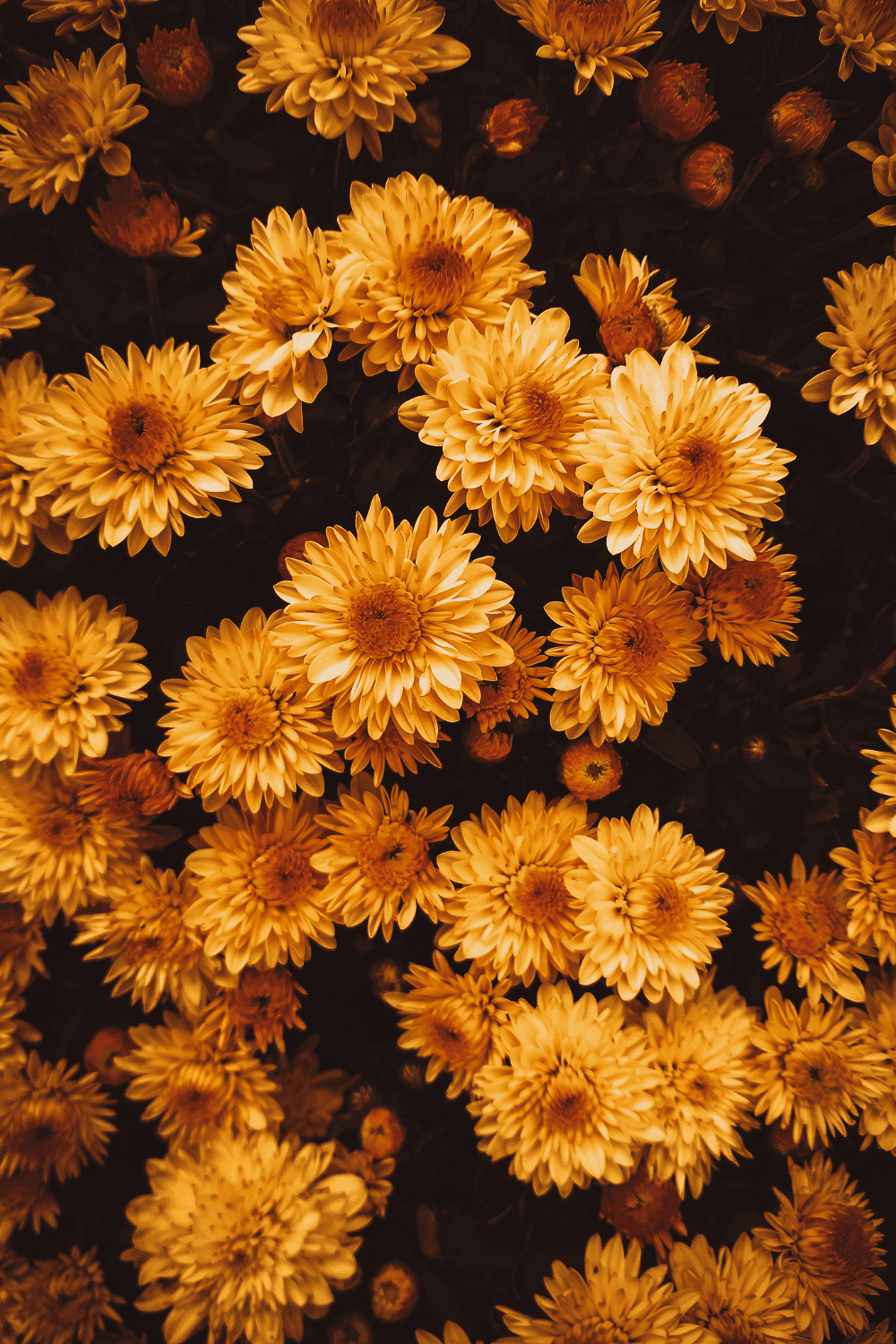
Rather than pairing this deep wine hue with stark white, modern designers are leaning into sophisticated, tonal palettes. They are layering burgundy alongside buttery yellows, warm apricots, soft corals, and dusty lavenders. The goal is to create a multi-dimensional, sunset-inspired gradient that feels rich, warm, and highly intentional.
To achieve this sophisticated color trend in the home garden, focus on crops that offer immense depth of color. For that breakout burgundy tone, look no further than Scabiosa atropurpurea in varieties like Black Knight. These pincushion flowers produce dark, velvety, almost-black wine tones on long, wiry stems that dance beautifully in an arrangement.

Pair these deep tones with the joyful, elevated look of buttery yellows and warm apricots by planting specialized annuals like Cosmos sulphureus or soft, muted sunflower varieties such as Italian White or Cherry Rose.
Another phenomenal option for home growers aiming for this palette is the classic French marigold in moonlight, which completely elevates a traditional garden plant into a high-end editorial asset.

Growing for the Airy, “Sunken Meadow” Aesthetic
The way flowers are displayed at receptions is changing dramatically. Traditional towering centerpieces that sit precariously on top of tall pedestals are being replaced by what top regional florists call “sunken meadow” or grounded ceremony arrangements. This design style gives the illusion that the flowers are growing directly out of the floor, spilling naturally across the aisleway, or creeping organically through the tablescapes.
To pull off this look, arrangements require an immense amount of negative space, varying heights, and natural movement. Each individual bloom must be given room to breathe and shine rather than being mashed into a dense floral wall.
To grow flowers that fit this airy, meadow-inspired aesthetic, you need to focus on varieties that naturally possess delicate, wispy stems and whimsical movement. Standard garden cosmos are an absolute necessity for this design style. Stems of varieties like Double Click or Versailles float above arrangements like tiny kites, catching the breeze and adding instant life to a tablescape.
Icelandic poppies and annual field poppies are also premier choices for the airy garden style. Their crooked, hairy stems twist and turn in unexpected, artistic directions, allowing the designer to create those asymmetrical, editorial silhouettes that modern couples are demanding.

When harvesting these delicate meadow flowers at home, sear the bottom half-inch of the freshly cut stems in boiling water for ten seconds immediately after cutting; this simple trick locks in their moisture and drastically extends their vase life for the big day.
Mastering Texture: Sweet Peas and Pincushions
Texture is doing the heavy lifting in modern floral design. When a color palette is kept relatively soft, it is the layering of different petal shapes, wispy grasses, and branching elements that keeps the design from looking flat in wedding photography.
Couples are heavily favoring premium blooms that offer unique physical dimensions, leading to a surge in demand for flowers like scabiosa, ranunculus, and highly fragrant sweet peas.
Sweet peas are an absolute luxury in the wedding world, prized not only for their ruffled, delicate petals but for their intense, nostalgic perfume. They are a cool-season crop that must be started indoors during the late winter or tucked into the ground the moment the soil can be worked in early spring.

Providing them with a sturdy vertical trellis and harvesting the blooms consistently every few days will force the vines to continuously pump out long-stemmed, heavily ruffled clusters throughout the early summer wedding window.
Combine these with home-grown ranunculus corms planted in low tunnels or cold frames, and you will have a world-class selection of high-texture, premium focal flowers that rival any commercial greenhouse import.
Harvesting and Preparing Home-Grown Stems
The real secret to matching the quality of high-end floral networks like Poppy is in the post-harvest handling. Because home-grown flowers are not treated with harsh synthetic holding chemicals or subjected to weeks of dry shipping in cargo planes, they naturally possess a brighter vibrancy and a more delicate, authentic beauty. However, they do require proper conditioning to ensure they stand up to the heat of a summer ceremony.
Always harvest your wedding blooms during the coolest parts of the day—either in the crisp early morning before the sun hits the petals or late in the evening after the ambient temperature drops. Bring a bucket of clean, lukewarm water directly into the garden with you so that every stem is submerged immediately after being cut from the mother plant.
Once inside, strip all foliage from the bottom two-thirds of the stem. Leaving leaves submerged in water encourages bacterial growth, which clogs the stem and causes flowers to prematurely droop.
Give your conditioned stems a minimum of twelve to twenty-four hours in a cool, dark room or a dedicated floral cooler to drink deeply before attempt to arrange them into bouquets or grounded installations.
By choosing the right varieties, focusing on the dramatic lines of amaranthus, and embracing the rich palette of burgundy and butter tones, your backyard plot can easily produce the most coveted, trend-forward floral designs of the season.