
Heirloom vegetables are open-pollinated varieties handed down through generations, grown for flavor, color, and history rather than the uniformity and shelf life bred into modern hybrids. Interest in them has surged as gardeners rediscover that a Brandywine tomato or a Moon and Stars watermelon tastes and looks like nothing on a supermarket shelf. Growing heirloom vegetables also lets you save true-to-type seed from your own plants, preserving biodiversity and turning one packet into a self-renewing supply. This guide covers what heirlooms are, why they are worth the garden space, how to start them, and the challenges to plan around.
Key Takeaways

What Are Heirloom Vegetables?
Heirloom vegetables are varieties that have been passed down through generations, often over a hundred years or more. Unlike modern hybrids bred for uniformity, disease resistance, and shelf life, heirlooms are valued for their distinct flavors, colors, and stories. The seeds are typically open-pollinated, meaning they rely on natural pollination from insects, birds, or wind, which lets them hold onto their genetic diversity from one generation to the next.
That distinction matters most when you save seed. Because an open-pollinated heirloom comes true from its own seed, you can replant it season after season and get the same vegetable, something a controlled hybrid cross will not reliably do. For a fuller breakdown of how the two differ, the University of Illinois Extension on heirloom versus hybrid seed is a clear reference.
Heirloom, Hybrid, and Open-Pollinated: Knowing the Difference
These three terms get used loosely, and sorting them out helps you shop and save seed with confidence. Open-pollinated simply means a variety pollinated naturally that comes true from seed. All heirlooms are open-pollinated, but not every open-pollinated variety is old enough to be called an heirloom, since heirloom generally implies a history of 50 years or more.
Hybrids, usually labeled F1, are the deliberate cross of two parent lines, bred for traits like uniform size, disease resistance, and long shelf life. They can be excellent performers, but their seed does not come true, so saving it gives you unpredictable results the next season. If seed saving and flavor are your priorities, heirlooms win. If you want maximum, even yields and built-in disease resistance, a hybrid may serve you better, and many gardeners grow both.
Why Growing Heirloom Vegetables Is Worth It
Flavor is the reason most gardeners start. Many modern varieties were bred for looks and durability rather than taste, which is why a picture-perfect supermarket tomato can taste like nothing. Heirlooms such as Brandywine or Cherokee Purple carry richer, more complex flavor that is hard to find any other way.
Biodiversity is the reason many gardeners keep going. The genetic diversity in heirlooms can offer natural resistance to certain pests and diseases and reduce the need for chemical fixes. Growing a range of them widens the gene pool, which matters as climate and growing conditions shift. There is a cultural thread too: each variety has a story tied to a region, culture, or family, like the speckled Moon and Stars watermelon that traces back to early 1900s American farms.
Sustainability rounds it out. Heirlooms are often grown with organic, low-input methods that prioritize soil health and natural pest control over synthetic fertilizers and pesticides, which is better for the land and tends to yield more nutritious produce.

How to Start Growing Heirloom Vegetables
Begin by choosing varieties suited to your climate, soil, and taste. A few reliable starters to consider:
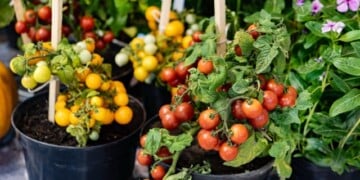
- Tomatoes: Brandywine, Cherokee Purple, Green Zebra
- Beans: Kentucky Wonder, Scarlet Runner, Dragon’s Tongue
- Squash: Yellow Crookneck, Delicata, Hubbard
- Peppers: Jimmy Nardello, Anaheim, Hungarian Wax
- Carrots: Dragon, Paris Market, Danvers Half Long
For seeds, Heirloom seeds turn up through seed catalogs, online retailers, and local seed swaps. Reputable sources that specialize in heirlooms include Seed Savers Exchange, Baker Creek Heirloom Seeds, and Southern Exposure Seed Exchange. Look for companies that emphasize organic and non-GMO practices, and check your local library, since many now run seed banks that include heirloom varieties.
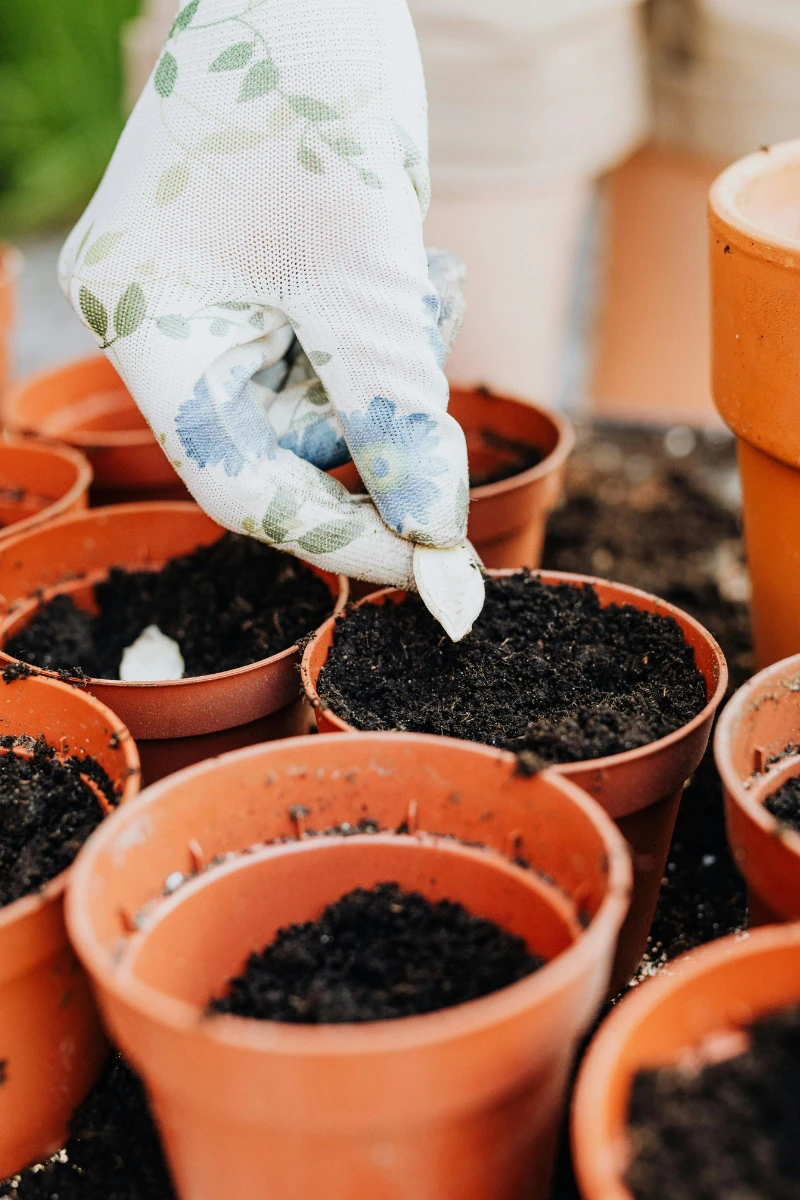
Many heirlooms benefit from an early start indoors, especially where the growing season is short. Sow into trays or pots of seed-starting mix, give them steady light and warmth, keep the mix moist but not waterlogged, and transplant after your last frost date. Our guide to starting seeds indoors walks through the timing and setup in detail.
Once in the ground, heirlooms need the same basics as any vegetable: well-drained soil, steady water, and proper spacing to cut disease risk. Organic mulches like straw or compost hold moisture and suppress weeds. Inspect plants regularly for pests, and reach for organic controls like neem oil or insecticidal soap only if you need them.

Common Challenges With Heirloom Vegetables
Disease susceptibility is the first hurdle. Some heirlooms are more vulnerable than modern hybrids bred for resistance, so rotate crops, avoid planting the same vegetable family in the same spot year after year, and favor heirloom varieties with a track record of holding up in your area.
Yield and uniformity are the second. Heirlooms may produce less prolifically and less evenly than hybrids, and part of their charm is accepting some variation in size and shape. To make the most of the harvest, give plants optimal care and consider interplanting to use garden space efficiently.
Seed saving is the payoff. Let some of your healthiest plants fully mature, harvest their seeds, and store them somewhere cool and dry, clearly labeled with variety and date. Saving seed maintains the genetic diversity of heirlooms and keeps your favorite varieties going for free, year after year. Our guide to how to store seeds covers doing it so the seed stays viable.
The Future of Heirloom Vegetables
As sustainable and organic gardening grows, so does the pull of heirloom vegetables. These time-tested varieties are more than a novelty in the garden; they represent a commitment to preserving agricultural heritage and biodiversity. Choosing heirloom seed gives you exceptional flavor, a more resilient home food supply, and a genuine link to the past.
Heirlooms are also moving beyond home gardens into farmers markets, community-supported agriculture programs, and even grocery stores, with chefs championing them for their taste and culinary range. That visibility supports small-scale growers and draws more people toward the varieties that big commercial agriculture left behind.

Deciding how far to go with heirlooms comes down to what you want from the garden. If flavor and seed saving matter most, lean into heirlooms and accept a little variability and disease risk as the cost of admission. If you need dependable, heavy yields from a small space, mix a few proven heirlooms in among hardier hybrids and expand as you gain confidence. Either way, start with varieties suited to your region, keep the soil healthy, and save seed from your best plants so next year’s garden costs you nothing but the effort.
Frequently Asked Questions About Heirloom Vegetables
What Makes a Vegetable an Heirloom?
An heirloom is an open-pollinated variety that has been passed down for generations, usually 50 years or more, and comes true from saved seed. Open pollinated means the plant is fertilized naturally by insects, wind, or birds rather than through controlled hybrid crosses. That stability is what lets you save seed from an heirloom tomato and grow the same tomato next year, which you cannot reliably do with an F1 hybrid.
Are Heirloom Vegetables Harder to Grow Than Hybrids?
They take the same basic care as any garden plant, but some heirlooms are more prone to disease and less uniform than hybrids bred for resistance and shelf life. You can offset that with crop rotation, good spacing and airflow, healthy soil, and by picking heirloom varieties known to do well in your region. In exchange you get better flavor and the ability to save your own seed.
Can You Save Seeds From Heirloom Vegetables?
Yes, and it is one of the main reasons to grow them. Let a few of your healthiest plants fully mature, harvest the seeds, dry them, and store them in a cool, dry place labeled with the variety and date. Because heirlooms are open pollinated, the saved seed grows true to the parent, so a single packet can turn into a self-renewing supply for your garden year after year.
Do Heirloom Vegetables Really Taste Better?
Often, yes. Many modern hybrids were bred for appearance, uniformity, and durability in shipping rather than flavor, which is why a supermarket tomato can taste flat. Heirloom varieties like Brandywine and Cherokee Purple were selected over generations for taste, giving them the richer, more complex flavor gardeners prize. Flavor still depends on your soil, sun, and ripeness at harvest, but heirlooms give you a higher ceiling.