
When people search for guinea fowl breeds, they are usually looking for the visible choices: pearl, lavender, white, and other color varieties sold by hatcheries. For most homesteaders, that is the practical decision. You are not choosing between dozens of highly specialized production breeds the way you might with chickens. You are usually choosing color, availability, temperament expectations, visibility, and how the birds will fit your land.
The best guinea fowl variety for a first homestead flock is usually pearl, not because the others are bad, but because pearl guineas are common, recognizable, hardy, and easier to source. Lavender and white guineas can be beautiful, but color should not outrank health, predator visibility, hatchery quality, and your actual reason for keeping the birds.
What You’ll Learn
Guinea Fowl Variety Comparison
| Variety | Appearance | Best fit | Watch-outs |
| Pearl | Dark gray with white spots | First flocks, classic homestead look, easy sourcing | Can blend into brush when you are counting birds |
| Lavender | Pale gray-lavender with spotting | Keepers who want a softer color variety | May be less available than pearl in some seasons |
| White | Mostly white feathers | Easy visual tracking in open areas | Stands out more on pasture and in wooded edges |
| Pied | Mixed white and darker patterning | Flocks where individual ID is helpful | Pattern varies from bird to bird |
| Assorted | Hatchery-selected color mix | Homesteaders who want variety | Harder to plan exact colors ahead of time |
Are Guinea Fowl Breeds Really Breeds?
In everyday poultry language, people say guinea fowl breeds because that is the search term and the buying language many hatcheries use. On a practical homestead level, though, most buyers are choosing varieties rather than true breed divisions. The domestic guinea fowl commonly kept in the United States is usually helmeted guinea fowl, with different color varieties.
That distinction matters because color does not guarantee personality, noise level, ranging behavior, or predator sense. Pearl guineas are not automatically smarter than lavender guineas. White guineas are not automatically friendlier. Good management, careful sourcing, and proper training usually matter more than color.
The University of Kentucky/Extension guide to raising guinea fowl in small and backyard flocks notes that pearl, white, and lavender are the three main varieties raised in the United States, with pearl being the most popular and recognizable. That is a useful baseline when you are comparing hatchery listings.
Pearl Guinea Fowl

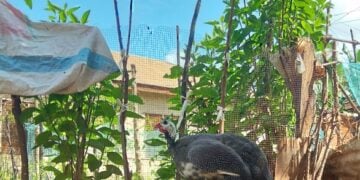
Pearl guinea fowl are the classic birds most people picture: dark gray bodies covered in neat white spots, pale faces, and that unmistakable guinea shape. If you have seen guineas along a country road or crossing a barnyard, there is a good chance they were pearls.
For beginners, pearl is often the most practical choice. They are usually easier to find, and because they are common, you may have more options from hatcheries, local breeders, or neighbors with established flocks. If you need replacement birds later, finding more pearls is usually simpler than matching a rarer color.
Pearl coloring also works well in many homestead settings. The birds are visible enough when moving across open grass but can blend into brush, leaf litter, and tree lines. That can be good for natural camouflage, but it can make head counts harder if your flock ranges in rough areas.
Choose pearl guineas if you want the traditional look, easy sourcing, and a beginner-friendly starting point. Do not choose them because you expect them to be quiet, tame, or contained without training. They are still guineas.
Lavender Guinea Fowl
Lavender guinea fowl have a softer gray-lavender look that many keepers love. They still carry spotting, but the overall color is lighter and cooler than pearl. In a mixed flock, lavender birds can be easier to distinguish at a glance, which is helpful if you are tracking age groups or breeding choices.
The main caution with lavender guineas is availability. Some hatcheries offer them seasonally or in limited quantities. If you are ordering a large flock, you may need to plan earlier or accept substitutions depending on the seller’s policy. If exact color matters to you, read ordering terms carefully before checkout.
From a management standpoint, lavender guineas need the same housing, feed, training, and predator protection as any other variety. Do not pay extra for color and then cut corners on the brooder, coop, or fencing. A pretty bird still needs a safe system.
Choose lavender guineas if you want a distinctive color and are willing to plan for availability. They are a good option for keepers who enjoy visual variety but still want birds that function like the rest of the flock.
White Guinea Fowl
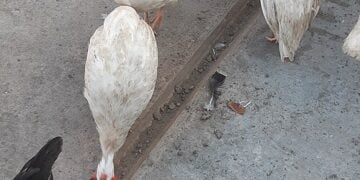
White guinea fowl are striking. In open pasture or a barnyard, they are easy for people to spot. That can be useful when you are counting birds from the porch, watching a new flock, or trying to see whether everyone came back before dark.
The same visibility may be a drawback in some areas. A white bird can stand out against grass, brush, soil, and timber edges. That does not mean white guineas cannot be kept safely, but it does mean you should think hard about predator pressure and range style. If hawks are a major issue, overhead cover and shelter access matter.
White guineas are also useful if you want a flock where individuals are easier to identify. If the rest of your birds are pearl, one or two white birds can help you track group movement. They also show dirt and feather condition differently, which can be helpful or simply annoying depending on your setup.
Choose white guineas if easy visibility matters to you and your range area has enough cover and shelter. Avoid choosing them only because they look clean and bright in photos. They will live in real weather, real dust, and real pasture.
Other Guinea Fowl Colors and Assortments
Beyond pearl, lavender, and white, hatcheries may offer pied, royal purple, coral blue, buff, powder blue, slate, chocolate, and assorted packages. Availability changes by hatchery and season, and not every color is offered every year.
Assorted keet packages can be a good choice if your main goal is a colorful flock and you are not trying to plan exact breeding outcomes. They can also help you learn which colors are easiest to see on your property. The tradeoff is that you may not know exactly what you are getting until the birds feather out.
If you want to breed for specific colors, start keeping records immediately. Use leg bands, hatch dates, and notes on parent birds if known. Without records, it becomes difficult to make intentional choices later, especially once birds are ranging and pairing.
How to Choose the Best Guinea Fowl Variety
Start with purpose. If your main goal is insect patrol, color is secondary to sourcing healthy birds and training them to return home. If your main goal is visual variety, assorted or mixed-color flocks are fun. If your main goal is breeding and selling keets, color availability and recordkeeping matter more.
Next, think about visibility. On open grass, white and lavender birds may be easier to count. In timber edges and tall vegetation, pearl birds may blend more. If predators are heavy in your area, visibility and cover become part of the safety conversation.
Then look at sourcing. A reputable hatchery or local breeder should give clear information about availability, minimum orders, shipping windows, and care instructions. Healthy keets matter more than rare color. Avoid buying from a source that cannot answer basic questions about age, feed, pickup timing, or health.
Finally, be honest about your setup. If your coop is not ready, your brooder is improvised, or your run has no top, color choice can wait. Build the system first.
Starting With Keets vs. Adult Guineas
Keets are often easier to source in specific colors, but they require careful brooder management. They need warmth, dry bedding, clean water, and starter feed appropriate for young poultry or game birds. They also need protection from drafts, dampness, and drowning hazards.
Adult guineas can be tougher physically, but they can be harder to train to a new home. If you buy adult birds, expect a confinement period before release. Give them a covered pen where they can see the property while learning that your coop is the place where feed, water, and safety happen.
If you are new to poultry altogether, read Backyard Chicken Basics: What I Wish I Knew Before Getting Hens for general beginner poultry thinking, then remember that guineas need extra attention to flight, noise, and training.
Housing Considerations for Any Variety
Every guinea fowl variety needs shelter. A dry, predator-resistant coop with roosts is more important than color. Guineas like to perch, and many prefer higher roosts than chickens. Give them sturdy roost space and enough room to enter without crowding.
If you already have a coop, check whether it can handle guineas before adding them. Use How Big of a Chicken Coop Do I Need? to think through space, ventilation, and daily management. Then add guinea-specific adjustments like covered training space and a release routine.
Mixed flocks require extra observation. Male guineas can bother roosters, and guineas may crowd feeders or disrupt calmer birds. If you plan to house guineas with chickens, Can Guinea Fowl Live With Chickens? What Works and What Doesn’t is the better planning read before you combine birds.
What Not to Base Your Choice On
Do not choose guinea fowl breeds based only on photos. Hatchery photos are clean, still, and flattering. Real guineas move constantly, dust bathe, molt, range through mud, and shout at things you cannot see.
Do not assume a rare color is more valuable for your goals. If you only want a hardy homestead flock, a common color from a reliable source may serve you better than a hard-to-find variety from a source you do not trust.
Do not assume color changes noise. Guinea fowl are loud. Pearl, lavender, white, and pied birds all come with sound. If noise is a problem, color will not fix it.
Do not assume color changes containment. Every variety can fly, wander, and resist bedtime if poorly trained. Training and shelter design are what keep birds where they belong.
Best Choice for First-Time Homesteaders
For most first-time keepers, pearl guinea fowl are the safest starting choice. They are common, classic, and easy to replace if you need to add birds later. If you want variety, add lavender or white birds once you already have the setup and routine working.
A mixed-color flock can be a good compromise. You get the visual interest of multiple varieties without making the whole project dependent on finding one specific color. It also helps with identification because individual birds stand out more.
Whatever you choose, buy for health and fit first. Strong keets, reliable sourcing, good brooder conditions, safe housing, and patient training will affect your success far more than whether the birds are pearl, lavender, or white.
Frequently Asked Questions About Guinea Fowl Breeds
What are the most common guinea fowl breeds?
For most backyard keepers, the most common choices are pearl, lavender, and white guinea fowl. These are usually color varieties of domestic guinea fowl rather than separate production breeds.
Which guinea fowl variety is best for beginners?
Pearl guinea fowl are usually best for beginners because they are common, recognizable, and often easier to source than less common colors.
Are lavender guinea fowl rare?
Lavender guineas are popular but may be less available than pearl guineas depending on the hatchery and season. Order early if you want a specific color.
Are white guinea fowl easier to see?
Yes, white guineas are often easier for people to spot in open areas. They may also stand out more to predators, so cover and shelter still matter.
Do different guinea fowl colors act differently?
Color alone does not reliably predict temperament, noise, ranging, or trainability. Management and individual bird behavior matter more.
Should I order assorted guinea keets?
Assorted keets are a good option if you want a colorful flock and do not need exact color control. They are less ideal if you are breeding for a specific variety.