
The best guinea fowl gear is practical, tough, and chosen around one simple truth: guineas are not chickens in spotted feathers. They fly better, roam farther, alarm louder, and can be stubborn about bedtime if they were never trained to come back to a shelter. A good setup starts with a secure night shelter, a covered or electrified daytime area, sturdy feeders and waterers, and leg bands or records that help you track birds in a fast-moving flock.
If you are just getting started, do not buy every poultry gadget you see. Spend your money on the pieces that solve the real guinea problems: keeping birds alive at night, helping them learn home base, reducing feed waste, making water easy to clean, and identifying individual birds when you are sorting age groups, breeding groups, or health concerns.
Key Takeaways
Guinea Fowl Gear Checklist
| Gear | Best use | What to look for | What to avoid |
| Coop or night shelter | Locking guineas up after dark | Dry, ventilated, predator-resistant, high roosts | Lightweight hutches with weak latches |
| Covered run | Training keets or containing adults short term | Roof or netted top, tight lower mesh, secure door | Open-top pens for flighty adult guineas |
| Electric poultry netting | Rotational daytime ranging | 42-48 inch poultry net, strong energizer, tester | Unelectrified netting in predator-heavy areas |
| Feeder | Daily ration | Lid, waste guard, hanging option, easy cleaning | Open pans that invite rain and rodents |
| Waterer | Clean drinking water | Stable base, easy scrub access, shade placement | Tall buckets young keets can fall into |
| Leg bands | Identification | Correct size, visible color, regular fit checks | Tight bands left unchecked as birds grow |
Start With the Way Guineas Actually Behave
Guineas can be excellent homestead birds, especially if you want loud alarms, active insect patrol, and a flock that ranges with purpose. But they also create gear problems that chicken keepers may not expect. A chicken may accept a cozy coop and predictable run. A guinea often wants a high roost, a wide view, and room to move.
The University of Kentucky’s small-flock guinea fowl guide notes that guineas should still have shelter from wind, rain, cold, sun, and predators, and that covered pens are needed when you want to keep them in a specific area because guineas can become strong fliers. That advice lines up with what most small homesteads learn quickly: the gear has to fit the bird, not the other way around. You can read the extension guidance here: raising guinea fowl in small and backyard flocks.
Before buying anything, decide how your birds will live most days. A free-ranging flock needs a stronger night routine and a shelter they recognize as home. A confined flock needs more room, better boredom prevention, and careful sanitation. A rotational setup needs portable netting, a fence charger, shade, and water that can move without turning chores into a wrestling match.
Coop and Night Shelter: The First Piece of Guinea Fowl Gear
A guinea fowl coop does not need to be fancy, but it does need to be secure. At night, guineas are vulnerable if they roost in trees, on fence rails, or on the roof of the barn. Some flocks get away with it for a while, but that does not make it a good system. The best setup gives them a dry, familiar place to return to before dusk.
For adult guineas, prioritize height and ventilation. Guineas like to roost high, so give them sturdy roost bars that are higher than chicken-height roosts when your structure allows it. Keep roosts wide enough for their feet to grip comfortably, and avoid slippery round poles that spin or flex. Ventilation should move damp air out without blowing directly across the birds in winter.
Predator resistance matters more than looks. Use hardware cloth over openings, not flimsy poultry wire on critical areas. Check door gaps, roof edges, vents, corners, and any spot where the wall meets the ground. A latch should not be something a clever predator can lift with a paw. If the coop sits inside a larger run, still treat the coop as the final locked layer.
If you are adapting an existing chicken coop, use the space planning principles from How Big of a Chicken Coop Do I Need? but adjust for guineas’ higher activity level. More room is always easier to manage than a crowded, stressed flock.
Covered Runs: Best for Training, Brooding, and Containment
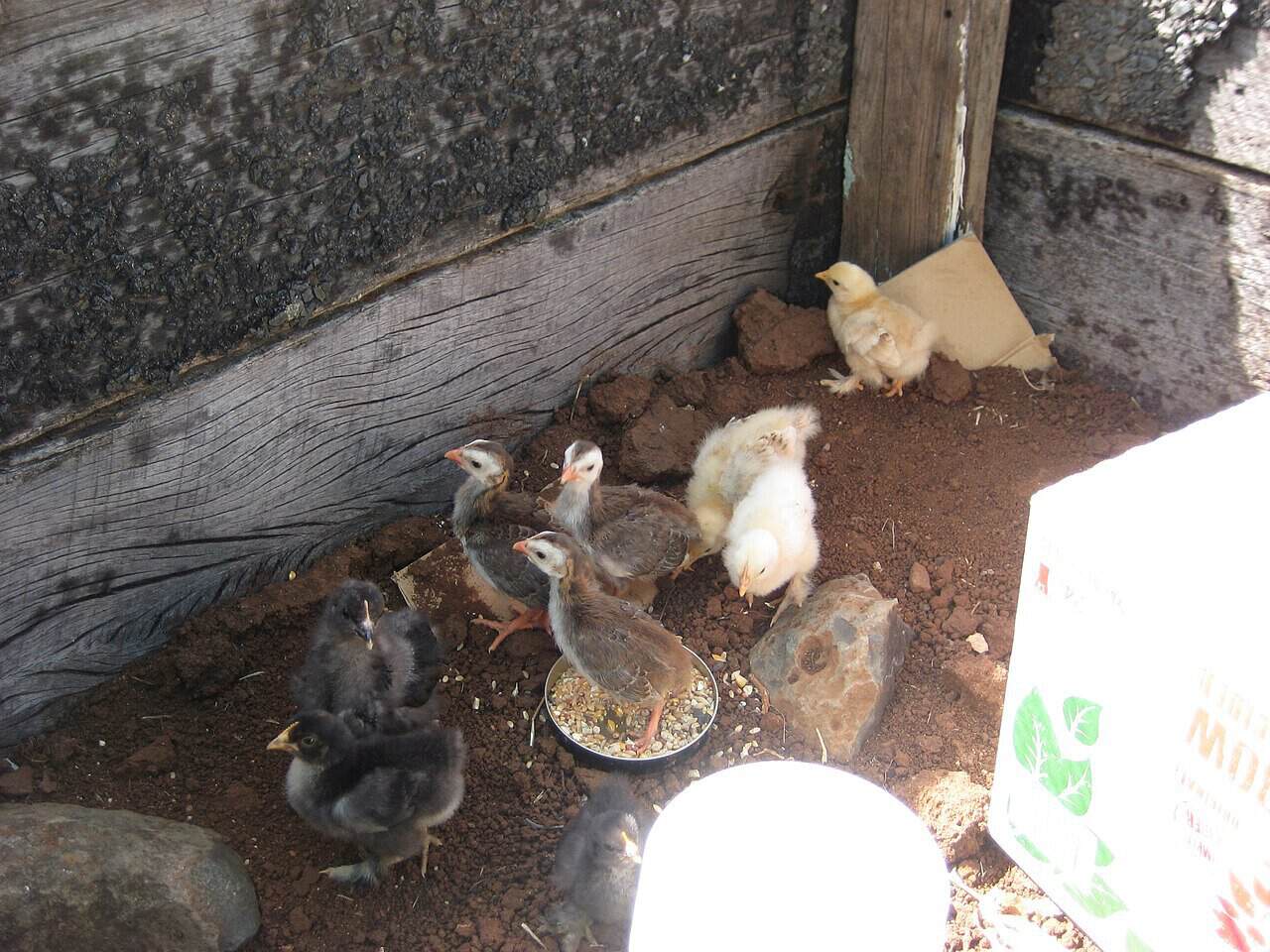
A covered run is one of the most useful pieces of guinea fowl gear for the first few weeks after birds arrive. Guineas need time to learn where home is. If you turn new adults loose immediately, they may keep walking until they decide another place is more interesting. Keeping them penned where they can see the yard, hear the farm routine, and associate the shelter with feed helps build a return habit.
For keets, covered containment is even more important. Young birds are small, quick, and vulnerable. A run for keets needs tight enough mesh that they cannot slip out or get stuck. It also needs protection from rain, mud, drafts, and predators. If you brood keets separately, only move them outside when they are feathered enough for your weather and your setup can keep them dry.
For adult guineas, a walk-in run is easier to manage than a knee-high pen. You can enter with a feeder, catch a bird if needed, inspect corners, and adjust shade cloth or weather covers. Look for strong panels, a door that closes cleanly, a skirt or buried edge against digging predators, and a top. An open run may slow guineas down, but it will not reliably hold a motivated bird.
Electric Netting: Useful, But Not Magic
Portable electric poultry netting is one of the most flexible tools for guinea keepers who want controlled range time. It can help rotate birds through orchard edges, garden paths after harvest, and bug-heavy areas without giving them the whole property at once. It also helps create a visual boundary while adding a shock deterrent for ground predators when the system is installed and powered correctly.
For guineas, choose netting tall enough to discourage casual hopping and flying. Many poultry nets are in the 42- to 48-inch range. That height may work for trained birds that want to stay with the flock, but it will not stop every guinea. If your birds are nervous, hungry, crowded, or newly released, they may still go over. Wing clipping may be considered in some setups, but it should be done correctly, only when needed, and with the understanding that reducing flight can also reduce escape ability from predators.
The netting is only as good as the energizer and ground system. A sagging, weak, weed-loaded fence is just expensive string. Use a fence tester, keep vegetation from shorting the lower strands, and train birds to respect the fence before relying on it. When in doubt, use netting as daytime management and lock the flock in a secure coop at night.
Feeders: Control Waste and Keep Feed Dry
Guineas scatter feed if given the chance, and spilled feed attracts rodents and wild birds. A good feeder should reduce waste, keep feed dry, and be easy to clean. Hanging poultry feeders work well in many shelters because you can raise the lip to the birds’ back height and reduce scratching. Covered range feeders can work outside if they shed rain and sit in a protected spot.
Avoid deep open pans for everyday feeding. They are easy to fill, but they also collect droppings, bedding, and rain. If you use an open dish for a short training period, clean it often and switch to a better feeder once the birds understand where feed is offered.
If your broader poultry setup already uses timers, treadle feeders, or gravity systems, compare those ideas with Automated Feeding Systems: Simplify Your Animal Care. Guineas may need a simpler or more open design than chickens at first, especially if they are suspicious of moving parts.
Waterers: Easy to Clean Beats Clever
Water is where many poultry setups get sloppy. Guineas need clean water every day, and the best waterer is the one you will actually scrub. Bell waterers, nipple systems, and heavy pans can all work, depending on age and setup. For keets, avoid containers deep enough for them to fall into or chill themselves. For adults, choose stable waterers that do not tip when birds jostle around them.
Place water in shade during summer and where it will not turn bedding into a wet mat. In winter, use a heated base or heated poultry waterer if freezing is part of your climate, and check cords and outlets like you would any barn electrical setup. Do not assume a waterer is working just because it worked yesterday.
Leg Bands: Small Gear That Saves Confusion
Guinea fowl leg bands are not mandatory, but they are extremely useful when birds look alike. Pearl guineas can be hard to tell apart at a glance. Lavender and white birds may be easier, but once you have multiple ages or family groups, memory is not enough.
Use leg bands to track hatch year, breeding group, sex once confirmed, treatment history, or birds you are watching for behavior problems. Numbered bands are helpful if you keep written records. Color bands are helpful for quick visual sorting. Adjustable plastic bands are convenient, but they must be checked regularly. A band that fit a growing bird last month may be too tight later.
Do not band tiny keets and forget about them. If you band growing birds, put a recurring reminder on your chore list to check fit. The band should move freely without catching on toes, swelling the leg, or sliding over the foot.
Handling Gear: Catch Nets, Crates, and Calm Systems
Guineas are fast. If you wait until one is injured to think about catching gear, the job will be harder than it needs to be. Keep a lightweight poultry net, a small crate, and a towel where you can get them quickly. A dark crate can calm a bird during short transport or isolation.
The best handling system is still routine. Feed in the same place, close the coop at the same time, and avoid chasing birds unless there is no other choice. Chasing teaches guineas that people are trouble. Training them to come to a feed call is far more useful than owning an impressive net.
If you plan to keep guineas with chickens, ducks, or other poultry, read Can Guinea Fowl Live With Chickens? What Works and What Doesn’t before combining birds full-time. Gear choices change when you are managing mixed flock behavior, shared feeders, roost space, and rooster or male guinea conflicts.
What Not to Waste Money On
Do not buy delicate decor-style coops for guineas unless you are using them only as a short-term visual shelter inside a stronger run. Guineas are active birds, and predators are hard on weak materials. Thin latches, lightweight mesh, and small roosting areas usually become regrets.
Do not buy tiny feeders if you have a growing flock. A feeder that has to be refilled constantly creates chore fatigue and increases the chance birds run out. Do not buy oversized feeders that let feed sit damp for too long either. Match capacity to your flock and weather.
Do not rely on a single layer of protection. A good guinea setup uses layers: trained birds, reliable feed routine, secure shelter, predator-resistant hardware, daytime fencing where needed, and regular inspection. One impressive product cannot replace good daily management.
Best Guinea Fowl Gear Setup by Flock Type
For a small backyard flock, start with a secure coop, a covered walk-in run, one hanging feeder, one easy-clean waterer, and numbered leg bands. Add electric netting later if you want supervised ranging.
For a homestead flock that free ranges most days, invest in the night shelter first. Add high roosts, strong latches, a consistent feed station, a fence tester if you use netting, and a catch crate for health checks.
For rotational ranging, prioritize electric poultry netting, an energizer matched to the fence length, a ground rod, a fence tester, a portable shade option, a covered feed setup, and a water system you can move without spilling half of it.
For breeding or color projects, use leg bands and records from the beginning. Track hatch dates, color variety, parentage if known, health notes, and any birds you should not keep in the breeding group.
Frequently Asked Questions About Guinea Fowl Gear
What gear do you need for guinea fowl first?
Start with a secure night shelter, roost bars, a covered run or training pen, a feeder, a waterer, and basic identification supplies. Electric netting, extra crates, and upgraded range feeders can come later once you know how your flock moves.
Can guinea fowl use a chicken coop?
Yes, guinea fowl can use a chicken coop if it is large enough, well ventilated, predator resistant, and arranged with roost space they will use. Guineas often prefer higher roosts than chickens, so adjust the interior if possible.
Do guinea fowl need a covered run?
A covered run is strongly recommended for training, temporary containment, and predator protection. Guineas can fly well, so an open-top pen is not dependable if you need them to stay inside.
Is electric netting enough for guinea fowl?
Electric netting is useful for daytime rotation and predator deterrence when powered correctly, but it should not be the only protection for most homestead flocks. Lock guineas into a secure shelter at night.
What size leg bands do guinea fowl need?
Size depends on the bird’s age, sex, and build, so measure before buying and check the manufacturer’s sizing guidance. Recheck bands on growing birds so they do not become tight.
Are guinea fowl feeders different from chicken feeders?
Many chicken feeders work for guineas, but the feeder should be sturdy, easy to clean, and set at a height that limits scratching and waste. Guineas may be suspicious of complicated feeders at first, so simple designs often work best.