
If you are planning your first hog, the practical question is simple: how long will this take, and when do I need to book the butcher? The short answer is that it takes about 5 to 6 months to raise a pig for slaughter when you start with a weaned feeder pig, and closer to 6 months from birth for a fast-growing pig. But the honest answer has a few moving parts, because breed, feed, and the time of year all shift the timeline.
Here is what the growth curve actually looks like, what market weight you are aiming for, and how to plan backward from the date you want pork in the freezer.
What You’ll Learn
How Long Does It Take to Raise a Pig for Slaughter?
Most people who raise a pig for slaughter buy a feeder pig, not a newborn. A feeder pig is a weaned youngster, usually around 8 weeks old and 40 to 60 pounds, ready to be fed out to finishing weight. From that starting point, expect about 5 to 6 months of feeding to reach a market weight of 250 to 300 pounds.
Counting all the way from birth changes the number. According to Michigan State University Extension, a pig on good feed reaches market weight at roughly 6 months of age. The two months before you get the feeder pig, the nursing and weaning stage, are already part of that clock. So a feeder pig you buy in spring has usually already been alive about eight weeks.
Where the timeline really stretches is breed, which gets its own section below. A commercial-type pig and a heritage pig can finish two to six months apart even on identical feed. When someone tells you their pig took eight months, they are almost always raising a heritage breed, feeding a lower energy ration, or both.
The Growth Curve Is Not a Straight Line
A pig does not gain weight evenly across its life, and understanding that helps you plan. Growth happens in three rough stages, and the middle and end do most of the work.
- Nursery and early growth (up to about 60 pounds): slow, steady gains while the young pig’s digestive system develops. This is mostly done by the time you bring a feeder pig home.
- Grower stage (60 to 150 pounds): the pig starts eating seriously and gaining well, often over a pound a day and climbing.
- Finisher stage (150 pounds to market): peak growth, commonly 1.5 to 2 pounds of gain per day. The last two months add an enormous amount of weight, which is why a pig that looks small in July can startle you by September.
This matters for feed budgeting too. A finishing pig eats a lot, and the bulk of the total feed a pig consumes goes in during those last months of fast growth. If you are weighing a pig against another meat project, our breakdown of raising meat rabbits lays out a very different cost and timeline curve for a smaller animal.
What Weight Should a Pig Be at Slaughter?
The target most people aim for is 250 to 300 pounds live weight. That is the sweet spot where the pig has laid down good muscle, the fat cover is right for flavor and for curing, and the yield makes sense against what you have spent on feed.
At 250 to 300 pounds live, a pig dresses out to roughly 180 to 220 pounds hanging weight, and after cutting and trimming you take home somewhat less than that as packaged pork. The exact yield depends on the pig and how you have it cut, but planning around that range keeps expectations realistic.
There is little reason to push a pig much past 300 pounds. Beyond that point the additional weight is mostly fat rather than lean meat, and you are paying for expensive feed to produce it. If anything, a lot of homesteaders butcher right around 250 to 280 pounds and are perfectly happy with the result.

Heritage Breeds Take Longer (and That Is Often the Point)
Breed is the single biggest variable in how long it takes to raise a pig for slaughter. Modern commercial crosses have been bred for decades to grow fast and lean, and they reach market weight in about 6 months from birth. That efficiency is the whole reason they dominate commercial production.
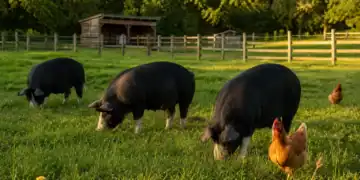
Heritage breeds are a different animal, literally. Berkshire, Tamworth, Gloucestershire Old Spots, Mangalitsa, and others grow more slowly and lay down more fat as they go. They often need 8 to 12 months to reach a comparable weight, and they eat more feed to get there. People raise them anyway, because the meat is richly marbled and full flavored in a way commercial pork usually is not, and because many of these breeds forage and do well on pasture.
So the breed decision is really a decision about your goals. If you want the most pork for the least time and feed, a commercial-type feeder pig is the efficient path. If you are after flavor, heritage genetics, or a pig that thrives outdoors, you accept a longer timeline as part of the deal. Either way, plan your space before the pig arrives, since a finishing hog needs far more room than the piglet you picked up, as we cover in how much space pigs need to be raised for meat.
Planning Backward From Your Butcher Date
The smartest way to use this timeline is in reverse. Decide when you want pork in the freezer, then count backward to figure out when to buy your feeder pig and, just as important, when to book the butcher.
The classic homestead pattern is spring to fall. Buy feeder pigs in April or May, feed them through the mild months, and butcher in September or October. This raises the pig through comfortable weather and gets it processed before winter, so you are never feeding a pig through the cold, when it burns extra energy to stay warm and gains more slowly. It also lines up with cooler fall temperatures that make on-farm butchering or transport easier.
One piece of timing people forget: good butchers book up months ahead, especially in the fall rush. Reserve your processing date around the time you buy your feeder pigs, not when the pig is nearly finished, or you may find the earliest slot is weeks after your pig hit weight. And if you end up with more pork than your family can use, that is a good problem, and one you can turn into income by selling farm products online.
Frequently Asked Questions About Raising a Pig for Slaughter
How long does it take to raise a pig for slaughter?
For most homesteaders, about 5 to 6 months. You typically start with a weaned feeder pig around 8 weeks old and 40 to 60 pounds, and finish at a market weight of 250 to 300 pounds. Counting from birth, a commercial-type pig reaches slaughter weight in roughly 6 months total, and heritage breeds take longer.
What weight should a pig be at slaughter?
The standard market weight is 250 to 300 pounds live. At that size a pig dresses out to roughly 180 to 220 pounds hanging weight, and the meat-to-fat ratio is at its best. Pushing much past 300 pounds mostly adds fat and costs you more in feed for diminishing returns.
How much faster do commercial pigs grow than heritage breeds?
Considerably. Modern commercial crosses are bred for rapid, lean growth and hit market weight in about 6 months from birth. Heritage breeds like Berkshire, Tamworth, or Gloucestershire Old Spots grow slower and lay down more fat, often needing 8 to 12 months to reach the same weight, but many people raise them for better flavor.
What time of year should I get feeder pigs?
Spring is the classic choice. Feeder pigs bought in April or May finish in early fall, which means you raise them through mild weather and butcher before the cold sets in. It also avoids feeding a pig through winter, when they burn extra energy just staying warm and gain more slowly.
Can you raise a pig for slaughter in less time?
Not really, and trying to rush it works against you. Growth rate is set mostly by genetics, feed quality, and the pig’s own biology. Good feed and clean water keep a pig on schedule, but there is no shortcut that safely gets a pig to a proper market weight faster than its breed allows.