
What You’ll Learn
Quick Answer: Can Red Wattle Pigs Do Well in Hot Summer Climates?
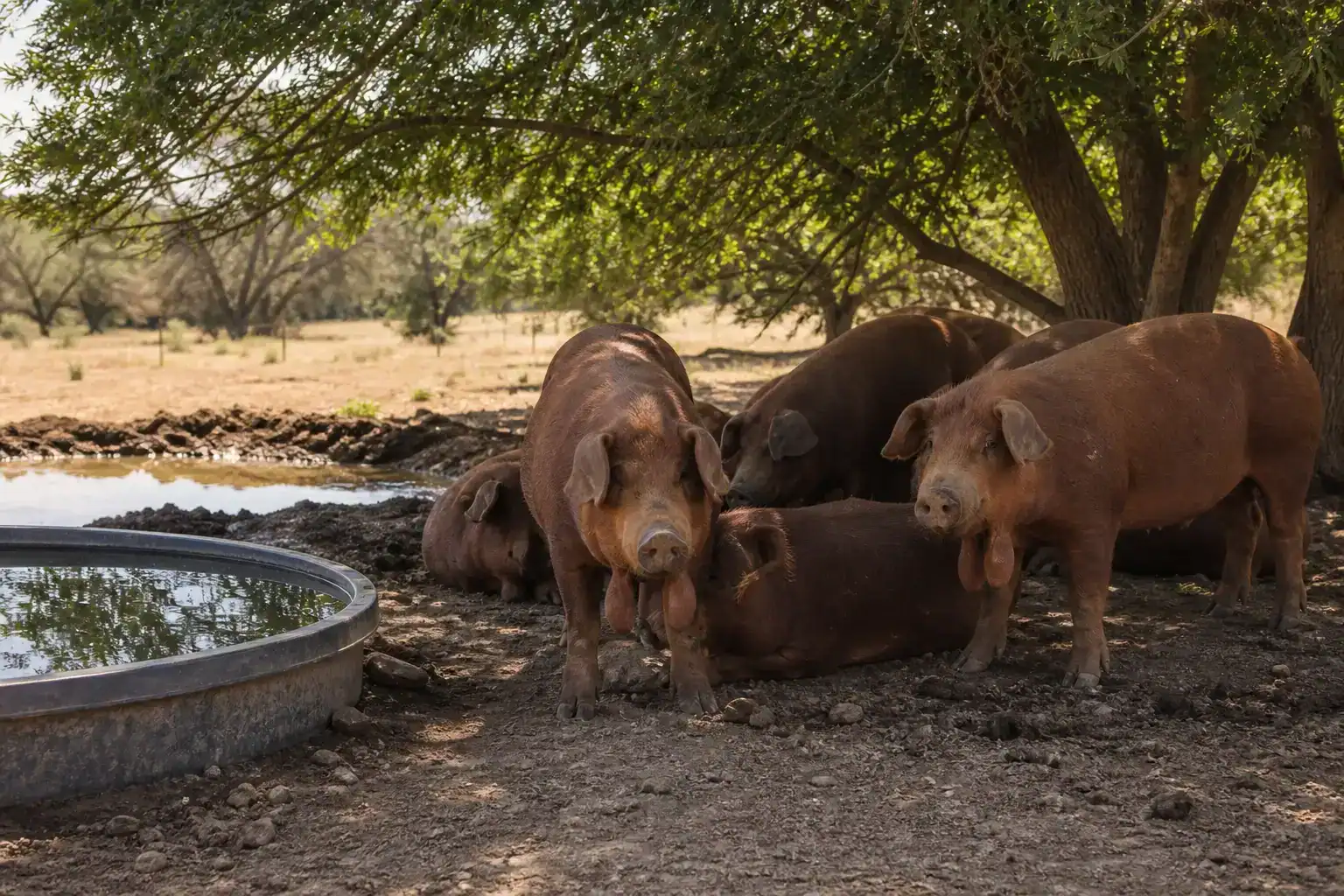
Yes, raising Red Wattle pigs successfully in hot summer climates is realistic when they have constant clean water, deep shade, a reliable wallow or sprinkler cooling area, sturdy fencing, and enough space to forage without turning the whole pen into mud. Red Wattles are hardy heritage pigs with a reputation for good temperament and pasture suitability, but they are still pigs. They need help cooling down when temperatures and humidity climb.
Why Red Wattle Pigs Appeal to Hot-Climate Homesteaders
Red Wattle pigs are a heritage breed known for their red color, neck wattles, large frame, docile temperament, and usefulness in outdoor pork production. They are not as common as commercial white hogs, but they have a loyal following among small farmers who want a hardy, pasture-capable pig with good meat qualities.
The Livestock Conservancy lists Red Wattle hogs as a threatened heritage breed and notes their docile temperament, beginner experience level, active foraging, wide climate adaptability, and value for small-scale independent producers. You can read the outside breed reference here: The Livestock Conservancy Red Wattle Hog profile.
That does not mean Red Wattles are effortless. They get big. They root. They need strong fencing. They drink a lot in hot weather. They need shade that actually covers them as the sun moves. If you treat them like small backyard pets, they will overwhelm the setup.
For the broader feeder-pig-to-freezer framework, pair this breed guide with Raising Pigs for Meat: A Beginner’s Guide from Feeder Pig to Freezer.
Hot Weather Is a Pig Management Problem
Pigs are vulnerable to heat because they do not sweat efficiently. A hot pig has limited options: get into shade, lie on cool ground, drink, wallow, pant, and reduce activity. If your setup does not provide those choices, the pig cannot simply tough it out.
Large heritage pigs may handle outdoor systems well when given the right resources, but body size still matters. A growing pig over 100 pounds has more heat load than a small piglet. A mature sow or boar needs serious shade and water capacity.
Hot climate care should be built before summer, not after pigs are already panting in a dry lot.
Shade: The First Summer Requirement
Shade needs to be deep, reachable, and large enough for every pig at the same time. A tiny shelter that shades one corner at noon is not enough for a group of Red Wattles. Watch where the shade falls in the morning, afternoon, and evening.
Good shade options include a three-sided shelter with airflow, shade cloth stretched securely over a pen, a roofed pasture hut, tree shade with fencing that protects roots and prevents soil destruction, and portable shade moved with rotational grazing.
Avoid metal shelters that turn into ovens. Airflow matters. If a shelter traps heat, pigs may refuse it and dig their own wallow somewhere inconvenient.
Water: Do Not Rely on One Weak Source
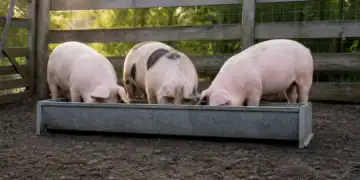
Clean water is the non-negotiable part of summer pig care. Red Wattle pigs need enough waterers that the whole group can drink without one dominant pig blocking access. The water setup should be checked at least twice daily in hot weather.
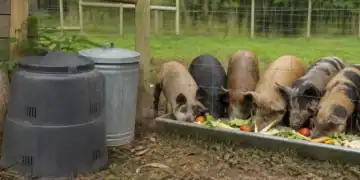
Use more capacity than you think you need. Pigs can flip pans, clog nipples, bury hoses, and turn low troughs into mud soup. Automatic waterers are useful, but they still need daily checks. A backup trough can prevent a disaster if a nipple plugs or a hose kinks.
Place water where pigs can reach it easily but not where the area becomes a permanent bog. Sometimes that means moving the water point, adding gravel or mats, or separating drinking water from the wallow.
For feed and water planning, see What Do Pigs Eat? A Practical Feeding Guide for Homestead Pigs.
Wallow Management for Red Wattles
A wallow is not a luxury in hot climates. It is a cooling tool. Pigs use mud to lower body temperature and protect skin from sun. The trick is giving them a wallow without letting the whole pen collapse into a stinking mud lot.
A good wallow is in shade or partial shade, away from feed and drinking water, easy to refill or spray, located where runoff will not contaminate shelter or feeders, big enough for pigs to use without fighting, and managed so it does not become the only wet spot in the pen.
Some homesteaders use a shallow rigid tub, kiddie pool, rubber stock pan, or dug-out wallow with a hose. Big pigs are hard on plastic, so choose sturdy containers and expect wear. If using a tub, make sure pigs can enter and exit safely without sharp edges or slippery sides.
Pasture Rotation in Summer
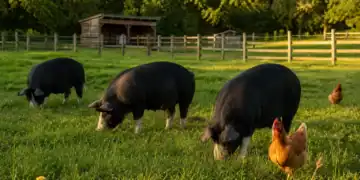
Red Wattles are active foragers, which is one reason they appeal to homesteaders. That same activity means they can damage pasture fast if left too long in one area, especially around shade and water.
Rotational grazing helps, but pigs are not sheep. They root, test fences, and create concentrated pressure around comfort zones. In summer, the challenge is balancing forage use with cooling access. A paddock with great grass but no shade is not a safe hot-weather paddock.
Move pigs before the ground is destroyed. Rest paddocks long enough to recover. Seed or repair damaged areas. Keep pigs out of areas where erosion will become a long-term problem.
Fencing for Large Heritage Pigs
Red Wattle pigs get large enough that fencing is not optional or decorative. Good fencing keeps pigs where shade, water, and wallows are available. Weak fencing lets them find the garden, orchard, neighbor’s yard, or road.
Many homesteads use a combination of strong perimeter fencing and interior electric lines. Train pigs to electric fence before turning them onto a large pasture. Make the first fence lesson clear, contained, and supervised.
Hot weather can make pigs more motivated to push boundaries if the cooler spot is outside the fence. If the best shade is on the wrong side, they will notice. Build comfort inside the pen so the fence is not the only thing keeping them there.
For containment details, read Pig Fencing: How to Keep Pigs In and Predators Out.
Feeding Red Wattle Pigs in Hot Weather
Pigs often eat less during hot afternoons. That does not mean nutrition stops mattering. In summer, feed early in the morning and later in the evening when temperatures are lower. Avoid dumping large amounts of feed that spoil, sour, or attract flies.
Pasture and forage help, but growing pigs still need balanced nutrition. Red Wattles may forage actively, yet they are not finished on weeds alone. Feed quality, protein, minerals, and growth stage matter.
Watch body condition. A pig that is not eating because of heat may slow growth. A sow under heat stress may struggle reproductively or with milk production. Feed timing, shade, cooling, and water all work together.
Heat Stress Warning Signs
Know what trouble looks like. Watch for heavy panting or open-mouth breathing, weakness or reluctance to rise, stumbling or acting disoriented, refusing feed during cooler parts of the day, crowding or fighting around water, red, hot skin, lying flat and not responding normally, and vomiting, severe distress, or collapse.
If a pig looks overheated, act fast. Move it calmly toward shade, provide cool water, use gentle cooling methods, and contact a veterinarian for serious signs. Do not force an overheated pig to run. Do not haul pigs in the hottest part of the day.
Breeding Red Wattles in Hot Climates
Summer heat is hard on breeding animals. Boars, bred sows, and lactating sows need more conservative management than feeder pigs. Heat stress can affect appetite, fertility, pregnancy, and nursing.
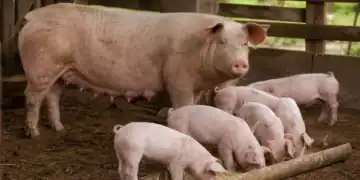
If you plan to breed Red Wattles in a hot climate, consider seasonal timing. You may want farrowing to avoid the worst summer heat, depending on your facilities. Sows with piglets need shade, airflow, dry resting space, and water they cannot run out of.
A breed can be hardy and still need careful breeding-season management. Do not let the word “heritage” make you casual about summer welfare.
Common Mistakes With Red Wattle Pigs in Summer
The first mistake is underestimating size. Red Wattles are not small pigs. Equipment, fencing, shelters, and gates must match mature animals.
The second mistake is building shade that only works at one time of day. Watch the pen over a full hot afternoon.
The third mistake is putting the wallow beside the feeder. That creates mud, waste, flies, and frustration.
The fourth mistake is trusting one water source. Backup water is cheap compared with a heat emergency.
The fifth mistake is leaving pigs too long on one pasture. Red Wattles are active enough to turn high-use areas into bare ground quickly.
A Practical Summer Setup
A workable hot-climate Red Wattle setup might include a strong perimeter fence, trained interior electric wire, a portable shade hut, a separate wallow zone, a high-capacity waterer plus backup trough, feeders on firm ground, and rotation paddocks planned around shade and water access.
Walk the pen at pig height if you can. Where would you lie down at 3 p.m.? Where is the water? Is the wallow in sun or shade? Is the shelter breezy or stale? Are pigs forced to choose between comfort and feed?
Raising Red Wattle pigs successfully in hot summer climates comes down to designing for the animal in front of you. Give them cooling choices, respect their size, and manage the ground before the heat exposes every weak point.
Frequently Asked Questions About Red Wattle Pigs in Hot Climates
Are Red Wattle pigs good for hot climates?
Red Wattle pigs can work well in warm regions when managed with shade, water, wallows, airflow, and good pasture rotation. They still need active heat-stress prevention.
Do Red Wattle pigs need a wallow?
In hot climates, a wallow or other safe cooling method is highly useful. Pigs use mud and water to cool their skin because they do not sweat effectively.
Are Red Wattle pigs good for beginners?
They can be beginner-friendly because of their reputation for docility, but they are large animals. Beginners need strong fencing, enough space, and a realistic plan for feed, water, and processing.
How big do Red Wattle pigs get?
Red Wattles are large heritage pigs. Mature animals can be much bigger than feeder pigs, so plan gates, shelters, and fencing for adult size if you keep breeding stock.
What do Red Wattle pigs eat in summer?
They eat a balanced pig ration along with pasture or forage when available. In hot weather, feed during cooler parts of the day and make sure water is always available.
What are signs of heat stress in pigs?
Watch for heavy panting, weakness, dullness, refusing feed, crowding water, red skin, stumbling, or collapse. Serious signs need immediate cooling support and veterinary guidance.