
Key Takeaways
Direct Answer
Raising Berkshire pigs for high quality marbled homestead meat is worth considering if you want flavorful pork, have a secure pig setup, and are willing to manage feed and finishing carefully. Berkshires are prized for pork quality and marbling, but they are still pigs: they root, eat heavily, need strong fencing, and require a clear processing plan.
For most homesteaders, the best approach is to start with two healthy feeder pigs from a reputable Berkshire breeder, feed a balanced swine ration, provide shade and wallow access in hot weather, keep water available at all times, and schedule processing before the pigs arrive. If you want registered or purebred Berkshire pork, confirm paperwork and genetics before buying.
Why Berkshires Appeal to Homesteaders
Berkshire pigs have a strong reputation for pork that is richly flavored, juicy, and well marbled. That is the main reason homesteaders seek them out. If you are putting months of feed, fencing, bedding, and chores into raising pork, it makes sense to care about the quality of the final meat.
Research on Berkshire pigs has connected the breed with meat quality traits, including intramuscular fat deposition and palatability characteristics such as tenderness and juiciness. One open-access genetics paper on Berkshire meat quality traits discusses the breed’s reputation for superior meat quality and marbling-related traits.
That does not mean every Berkshire pig will be perfect pork. Breed matters, but so do genetics within the breed, feed, age at processing, stress, health, carcass handling, and cooking. A Berkshire raised poorly will not magically outshine a well-raised crossbred pig. The breed gives you potential. Management determines how much of that potential reaches the freezer.
Berkshire Breed Traits
Berkshires are typically black pigs with white markings on the face, feet, and tail tip. They are an old heritage breed with a long history in pork production. Many lines are manageable, sturdy, and suitable for small farms, though temperament still varies by individual and breeder.
Common Berkshire traits homesteaders care about include a strong pork-quality reputation, good marbling potential, dark skin and hair that may help reduce sunburn compared with pale pigs, heritage appeal for direct-market pork, a moderate frame compared with some commercial terminal crosses, active rooting and foraging behavior, and a good market story when genetics are clear.
Berkshires are not miniature pigs. They can become large, powerful animals. Do not buy them because they look charming in a breeder photo and then house them like pets. Build the setup for full-size hog strength.
If you are comparing breeds, it may help to read the Waddle and Cluck guide to the Tamworth Pig as a second heritage-meat option. Tamworths and Berkshires can both fit homesteads, but they bring different strengths and market stories.
Are Berkshires Good Beginner Pigs?
Berkshires can be good for beginners if the pigs come from calm stock and the setup is ready before they arrive. The beginner challenge is not the breed alone. It is fencing, feed, water, mud, summer heat, winter cold, transportation, and butcher scheduling.
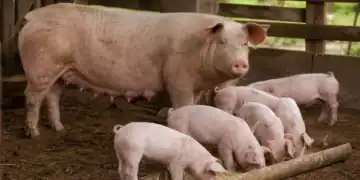
A first-time pig owner should start with feeder pigs, not breeding stock. Feeder pigs let you learn daily care, growth, feed costs, fencing pressure, and harvest logistics without adding farrowing, boar management, sow nutrition, or piglet care.
A good beginner Berkshire feeder pig should be healthy and alert, weaned properly, eating a solid ration, similar in size to its pen mate, castrated if male and intended for meat, from a farm willing to answer questions, and matched to your processing timeline. If a breeder cannot tell you age, feed, vaccination or deworming history, parent stock, or expected growth, keep looking.
Purebred, Registered, or Berkshire Cross?
Not every black pig with white points is a registered Berkshire. Not every pork product marketed as Berkshire comes from fully documented purebred stock. That may or may not matter to you.
If you are raising pork only for your freezer, a healthy Berkshire cross can still produce excellent meat. If you plan to market pork as Berkshire, registered, purebred, or premium heritage pork, documentation matters. Ask for registration information, parent details, and what claims you can honestly make.
Use clear language with customers. “Berkshire cross” is not the same as “registered purebred Berkshire.” The meat may be wonderful either way, but trust matters more than a fancy label.
For homestead freezer pork, a healthy, well-started Berkshire cross from a transparent local breeder is often a better choice than a poorly managed pig with paperwork and problems. For premium sales, aim for both healthy pigs and traceable genetics.
Housing and Fencing for Berkshire Pigs

Berkshires need the same practical pig infrastructure as other feeder pigs. They need dry shelter, shade, a wallow or cooling area in hot weather, clean water, secure fencing, and enough room to move and manure away from bedding.
Do not rely on weak livestock panels, decorative fencing, or a single loose gate latch. Pigs test fences with their noses, shoulders, and patience. A Berkshire that learns a fence is weak can become a very expensive problem.
For most homestead setups, pig fencing should include hog panels or strong woven wire, secure posts and braced corners, electric offset wire at pig height, strong gate latches, no loose bottom gaps, and a training area if using electric netting. Before bringing pigs home, review Pig Fencing and fix the weak spots. Pigs are easier to keep in than to catch after they leave.
Feeding for Marbled Pork
If you want high-quality Berkshire pork, feed management matters. Start with a complete swine ration appropriate for the pigs’ size and stage. Do not try to raise marbled pork on grass alone. Pigs are omnivores and need energy, protein, amino acids, minerals, and clean water.
Pasture, garden extras, pumpkins, acorns where safe and appropriate, and seasonal produce can add variety, but they should not replace balanced feed. A pig that grows poorly because it is underfed will not reward you with better pork.
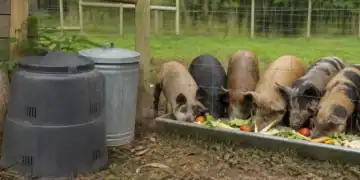
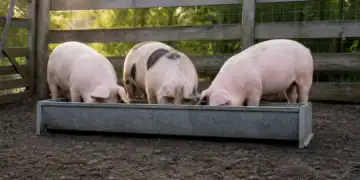
Good feeding habits include using a complete grower or finisher ration, keeping feed dry and fresh, not feeding moldy grain or spoiled scraps, providing enough feeder space for every pig, keeping water available at all times, avoiding sudden diet changes, and tracking growth and body condition. If you need a practical feed refresher, What Do Pigs Eat? is the internal guide to keep handy.
Marbling is influenced by genetics and finishing. Do not rush the final weeks if your goal is eating quality, but also do not feed indefinitely without a plan. Overfat pigs can create trimming waste and higher feed costs.
Pasture, Woods, and Rooting
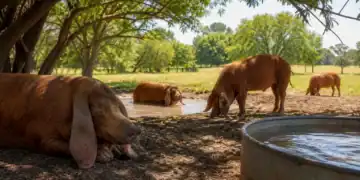
Berkshires can do well in outdoor systems, but pasture-raised does not mean maintenance-free. Pigs root. They turn soil, disturb grass, and create wallows. In woods, they may clean up mast and brush, but they can also damage tree roots, wet areas, and fragile ground if left too long.
Use rotation where possible. Move pigs before the ground is destroyed beyond recovery. Give them a sacrifice area if needed. Protect gardens, young trees, septic areas, and wet spots.
A good outdoor Berkshire setup balances shade, dry shelter, wallow access, strong fencing, rotational pressure, feed and water placement, mud management, and predator and wildlife separation. Pasture can improve the life of the pigs and the usefulness of the land, but the feed bill does not disappear. Plan for both pasture and purchased feed.
Processing and Freezer Planning
Before buying Berkshire pigs, book your butcher. This is not optional. Local processing slots can fill months ahead, and heritage pigs do not stop eating while you wait for an opening.
Ask the processor what live weight or hanging weight range they prefer, whether they process heritage breeds regularly, how far ahead to book, what cut sheet options they offer, whether they cure bacon and hams, packaging options, smoking costs, and drop-off requirements.
A whole pig can produce a wide variety of cuts: chops, roasts, ribs, shoulder, ham, bacon, sausage, ground pork, lard, bones, organs, and trim. If you are used to grocery-store pork, the amount and variety may surprise you.
If you are deciding how long pigs will be on feed, plan the slaughter timeline alongside this breed guide. Breed, starting weight, feed, season, and target finish all affect timing.
Marketing Berkshire Pork
If you plan to sell pork, Berkshire can be a strong story. Customers may recognize the name or respond to the promise of richer, more marbled pork. But marketing has to be honest.
Strong market language includes Berkshire pork, Berkshire-cross pork, heritage-breed pork, pasture-raised Berkshire pork if true, registered Berkshire pork only with documentation, and locally raised pork. Avoid claims you cannot support. Do not promise restaurant-grade pork, guaranteed marbling, organic pork, no antibiotics, pasture-raised, registered, or purebred unless your records prove it.
Premium pork also needs premium communication. Explain how the pigs were raised, what they ate, how processing works, what cuts customers receive, and why Berkshire meat may look darker or richer than supermarket pork.
Berkshire Pros and Cons
| Pros | Cons |
|---|---|
| Strong reputation for marbled pork | Feeder pigs may cost more than common crosses |
| Good heritage-breed market appeal | Growth may not be as fast as commercial terminal crosses |
| Useful direct-market story | Purebred or registered stock requires careful sourcing |
| Dark coloring may help with sun exposure | Still needs shade, wallow, and heat management |
| Can fit small farm pork goals | Needs strong fencing and a real feed budget |
Is a Berkshire Right for Your Homestead?
Choose Berkshire pigs if you value meat quality, want a heritage-pork story, have secure pig infrastructure, and can find healthy stock from a reputable breeder. They make the most sense when you are willing to manage feed and finishing for flavor, not just raise the cheapest pork possible.
Choose a different pig if your main goal is the fastest possible growth, the lowest feeder-pig price, or a no-fuss first experiment with minimal infrastructure. A common crossbred feeder pig from a good local farm may be better for a first season than chasing a breed name.
The best Berkshire pork starts before the pig arrives: honest sourcing, proper feed, strong fencing, good water, weather management, low stress, and a butcher slot already on the calendar.
Frequently Asked Questions About Raising Berkshire Pigs
Are Berkshire pigs good for meat?
Yes. Berkshires are widely valued for pork quality, flavor, and marbling potential. The final quality still depends on genetics, feed, health, handling, processing, and cooking.
Are Berkshire pigs good for beginners?
They can be, especially as feeder pigs from a calm, healthy source. Beginners should start with secure fencing, water, feed, shelter, and a butcher appointment before buying.
Do Berkshire pigs grow slower than commercial pigs?
Many heritage-type pigs are not selected solely for maximum commercial growth rate. Individual growth depends on genetics, feed, health, season, and management.
How many Berkshire pigs should I raise?
Two feeder pigs are often better than one because pigs are social and chores are more efficient, but only raise two if you have the feed budget, space, processing plan, and freezer or buyer.
Is Berkshire pork always better?
Not automatically. Berkshire genetics can support excellent pork quality, but poor feeding, stress, illness, or bad processing can still hurt the final product.