How to prune raspberry bushes is one of those things that sounds more complicated than it is, until you mix up your cane types and accidentally cut off everything that would have fruited this summer. Before you pick up the loppers, you need to know one thing: whether your raspberries are summer-bearing or fall-bearing. Those two types have completely different biology, and they get pruned at different times, in different ways, for different reasons. Everything else follows from that.
Key Takeaways
Why Raspberry Canes Work the Way They Do
Here is the thing about raspberries that changes how you think about pruning: the plant itself lives for years, but each individual cane only lives for two. Every year, new shoots push up from the roots. In year one, those canes grow tall and put on bulk but produce no fruit at all. In year two, they develop side branches, flower, fruit, and then die. They are done. Leaving a dead cane standing does nothing except crowd the new ones coming up underneath it.
Once that two-year cycle clicks into place, the whole pruning logic makes sense. You are not cutting back a living plant. You are removing wood that has already done its job so the next generation has room to grow.
How to Prune Summer-Bearing Raspberry Bushes
Summer-bearing raspberries fruit once a year, in late June through early August, on second-year wood. The pruning happens in two rounds, and neither one is difficult once you know what you are looking for.
The first round happens right after the last berry comes off, usually in late July or August. Walk the row and cut out every cane that just finished fruiting, all the way down to the soil surface. These spent canes are easy to spot. They have dried fruit clusters at the tips, lots of lateral branches, and they look noticeably older and woodier than the fresh green canes growing up next to them. Cut them flush to the ground. Do not leave stubs, because stubs sprout weak side branches instead of strong new canes from the root.
The second round happens in late winter or early spring, somewhere between February and early April depending on where you are. This is your thinning pass. The new canes that survived the winter are about to become this year’s fruiting wood, so you want only the best ones standing. Pull or cut anything that is broken, diseased, or noticeably thinner than the others. Space what remains to roughly six to eight inches apart, aiming for four to five canes per foot of row. Leave the tips completely alone. That is where the most productive flower buds sit.

How to Prune Fall-Bearing Raspberry Bushes
Fall-bearing raspberries are the easier ones to manage, which is part of why they show up in so many newer home plantings. They fruit on first-year canes in late summer and fall, and the most common pruning approach takes about ten minutes.
The one-crop method works like this. After the first hard frost of fall, or anytime through early spring while the plants are dormant, cut every single cane to the ground. Loppers, pruning shears, even a lawn mower over a larger patch will all do the job. Come spring, fresh canes push up and fruit at their tips from August through October. Total yield is typically better than trying to manage two crops, and the harvest tends to ripen a couple of weeks earlier, which matters if you live somewhere with a short fall window.
There is also a two-crop option, where you manage fall-bearing raspberries the same way as summer-bearing types. You remove spent canes and leave the lower portions to produce a small summer crop the following year. Most home gardeners find it more work than the payoff justifies. The summer crop is modest, and the management gets fiddly. The one-crop mow-down wins for most backyard and homestead situations.
How to Tell Your Type If You Are Not Sure
If you inherited an established patch or lost the plant tag, figuring out what you have is not hard. Just watch when the fruit appears and where it forms.
Summer-bearing raspberries ripen in early to midsummer on older, brown, woody canes. Fall-bearing raspberries ripen from August through October on the current season’s green canes, starting at the very tips and working downward over several weeks. If you see fruit forming at the top of a fresh green cane in late August, you have fall-bearing types. If the fruit is on older brown wood in July while brand-new green canes stand bare beside it, you have summer-bearing types.
One thing worth knowing: do not plant the two types in the same row. They need different management at different times of year, and a mixed row becomes almost impossible to prune correctly without removing something you did not intend to.
Spring Thinning Makes a Bigger Difference Than Most People Expect
Every raspberry planting, regardless of type, benefits from an annual thinning pass in early spring. Raspberry roots are enthusiastic. They throw up far more new canes than the row can support productively, and a crowded patch will give you a lot of small, mediocre berries and a tangle that stays damp and invites disease.
In late winter or very early spring, before significant new growth begins, walk the row and assess what is standing. Remove anything damaged, diseased, or noticeably weaker than its neighbors. Thin the rest to four or five canes per foot, spaced roughly six to eight inches apart, with the row kept to about 18 inches wide. Anything coming up outside that width should be pulled. Raspberries spread by root suckers and will wander into your aisles if you give them a season of uninterrupted growth.
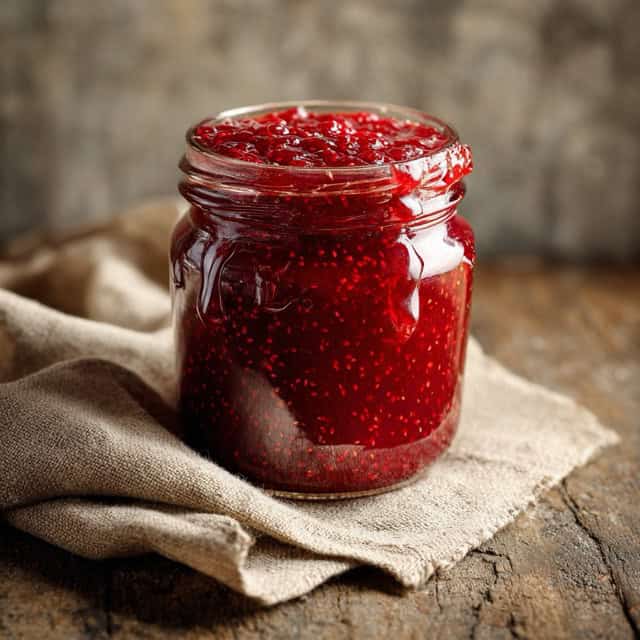
Once your patch is producing well, you will have more fruit than you know what to do with come harvest. Our easy homemade raspberry jam recipe is the best possible use of an overflowing bowl.
When to Prune Raspberry Bushes: A Simple Seasonal Breakdown
The two pruning windows that matter most are post-harvest and late dormancy.
Post-harvest removal of spent floricanes should happen as soon as the last berry is picked for summer-bearing types. Do not let dead canes stand through the growing season. They restrict airflow and harbor the fungal diseases that will migrate into healthy wood given time. For fall-bearing types running the one-crop system, the mow-down happens after first frost in fall or anytime during dormancy through early spring.
Late dormancy thinning, the pass where you assess, remove weak canes, and space what remains, happens for all types in late February through early April in most climates. If you are in the upper Midwest or northern zones, lean toward March or early April to reduce the risk of cold injury to freshly cut canes in a late freeze.
The University of Minnesota Extension guide to pruning and training raspberries is worth bookmarking if you want to go deeper on trellis systems and high-tunnel management for a more intensive planting.
Sharp Tools Are Worth the Extra Minute
Dull pruners crush cane tissue instead of cutting it cleanly, and crushed tissue is an open invitation to fungal disease. Bypass pruners handle canes up to about three-quarters of an inch in diameter without much effort. Loppers are worth having for thick old floricanes, especially on a bigger patch where you are cutting for an hour at a stretch.
If you notice any cane blight, cankers, or unusual spotting while you work, wipe your blade with isopropyl alcohol between plants. Raspberry diseases spread through contaminated tools more readily than most people realize, and a thirty-second wipe can prevent a problem from crossing the whole row. Cut canes should leave the planting area entirely. Healthy-looking canes can go to the compost pile once they dry out. Anything that looks diseased gets bagged and thrown away.
5/8-Inch Cut Capacity Garden Clippers, Gardening Scissors with Sharp, Rust Resistant Steel Blade

Starting a New Raspberry Planting
Newly planted bare-root canes get treated differently in year one. After planting, cut them back to five or six inches above the ground. It feels wrong, but it sends the plant’s energy into root development rather than trying to sustain a full cane. Summer-bearing types will not fruit at all in year one, and that is exactly right. Remove any flower buds that form on a new planting regardless of type. The root system needs the season to establish before it supports a crop.
By year two, the planting runs on its normal schedule. If you are working out a broader orchard and berry area at the same time, our guide to planning your homestead orchard and fruit trees covers how to think about spacing, site selection, and fitting a berry patch into the larger layout.

Frequently Asked Questions About How to Prune Raspberry Bushes
Can I prune raspberry bushes in the fall instead of spring?
For summer-bearing types, removing spent floricanes right after harvest is ideal and often falls in late summer or early fall. Dormant-season thinning is best held until late winter or early spring, since freshly pruned canes are more vulnerable to cold injury. For fall-bearing types on the one-crop system, mowing down after first frost works just as well as waiting for spring.
What happens if I skip pruning for a year?
The planting will survive, but production drops and disease pressure builds fast. Unpruned rows accumulate dead wood, lose airflow, and start producing smaller fruit as canes compete for light. An overgrown patch can be rescued with a hard renovation, cutting everything to the ground and starting fresh, but it takes two seasons to return to full production.
How short should I cut raspberry canes?
Spent floricanes should come out flush with the soil surface. Stubs produce weak, unproductive branching instead of clean new growth from the roots. For healthy primocanes you are keeping through winter, leave them at full height. The tip is where the most productive flower buds are, and cutting it back costs you fruit.
Why are my raspberry canes dying after they fruit?
That is normal. Raspberry canes are biennial by nature. They grow one year, fruit the next, and die. A cane that goes brown and dry after harvest has done everything it is supposed to do. Pull it out, give the new green canes beside it room to grow, and you will have fruit again next year.
Can I prune raspberries in summer?
Removing spent floricanes after harvest is a summer task for summer-bearing types, so yes, that removal happens in summer by design. If your row has gotten crowded mid-season, thinning out excess primocanes is also acceptable. What should not happen mid-season is cutting back the tips of healthy, actively growing canes. That removes the most productive portion of next year’s fruit buds.
The raspberry patch that gets pruned correctly every year compounds on itself. Each season’s new canes are healthier, better spaced, and more productive than an unpruned tangle would ever manage to be. The two rules that carry the most weight are removing spent canes completely and giving what remains room to breathe. Everything else is refinement around those two decisions.