
Choosing the right fruit tree varieties for your garden starts with your growing conditions, not with the fruit you daydream about eating. The trees that thrive for you are the ones matched to your USDA hardiness zone, your soil, your sun exposure, and the space you can give them. Get that foundation right and you set yourself up for years of homegrown apples, peaches, plums, or citrus. Rush past it and even a healthy-looking tree can refuse to fruit or fall to disease. This guide walks through how to read your garden’s environment first, then pick the varieties best suited to it.
Key Takeaways
Understanding Your Garden’s Environment
Before you compare fruit tree varieties, take an honest inventory of the conditions you can offer. Four factors matter most: climate, soil, sun exposure, and space. Each one narrows the field of trees that will actually succeed, and together they turn a wishlist into a shortlist of realistic choices.
Climate is the first filter. Different fruit trees are built for USDA Plant Hardiness Zone Map ranges, so a citrus tree that loves a warm, frost-free winter will struggle where a hardy apple shrugs off the cold. Soil comes next: most fruit trees want deep, well-drained ground and resent soggy roots. Then account for sun, since nearly all fruit trees need at least six to eight hours of direct light to ripen a good crop, and finally space, both the width the canopy will fill and the room the roots need to spread.
Determining Your Climate Zone
Your climate zone is the single most useful number in this whole process. The USDA hardiness zone system divides the country by average annual minimum temperature, and every fruit variety is rated for the zones it can survive. Look up your zone first, then only consider trees that include it in their range so you are not fighting your winters every year.
Cold hardiness is only half the story. Chill hours, the cumulative hours below 45 degrees F a tree needs each winter to break dormancy and fruit, matter just as much. A low-chill peach bred for the South will not fruit well in a cold northern zone, and a high-chill apple planted in a mild coastal climate may never get the winter it needs. In hot regions, heat tolerance becomes the limiting factor instead. Matching both cold hardiness and chill requirements to your area is what separates a productive tree from a frustrating one.
Choosing the Right Fruit Tree Varieties
With your zone in hand, you can weigh the practical trade-offs between fruit tree varieties. Three questions do most of the work: how big will it get, what fruit do you actually want, and how much maintenance are you willing to take on. Answering them honestly keeps you from planting a tree that outgrows its spot or asks for more care than you can give.
Size and space come first. Dwarf trees top out around 8 to 10 feet and suit small yards or containers, semi-dwarf trees reach 12 to 15 feet as a productive middle ground, and standard trees can hit 20 feet or more. Then let your fruit preferences guide you toward what your household will eat, and be realistic about maintenance, since some varieties need heavier pruning, spraying, and pest management than others. Disease-resistant varieties save you the most work over a tree’s life.
Assessing Your Soil Quality
Soil quietly decides how well a fruit tree grows, so test it before you plant. A simple pH kit tells you whether your soil is acidic or alkaline, and most fruit trees prefer slightly acidic ground in the 6.0 to 7.0 range. If your reading falls outside that band, you can amend it, adding lime to raise pH or sulfur and organic matter to lower it, though matching trees to your existing soil is easier than fighting it.
Drainage matters even more than pH. Fruit trees hate wet feet, and roots left sitting in waterlogged soil rot and die. Check drainage by digging a hole, filling it with water, and watching how fast it empties. If it drains slowly, improve the soil with compost, plant on a raised mound, or choose a better-drained spot. Working in organic matter before planting improves both fertility and structure.
Considering Pollination Requirements
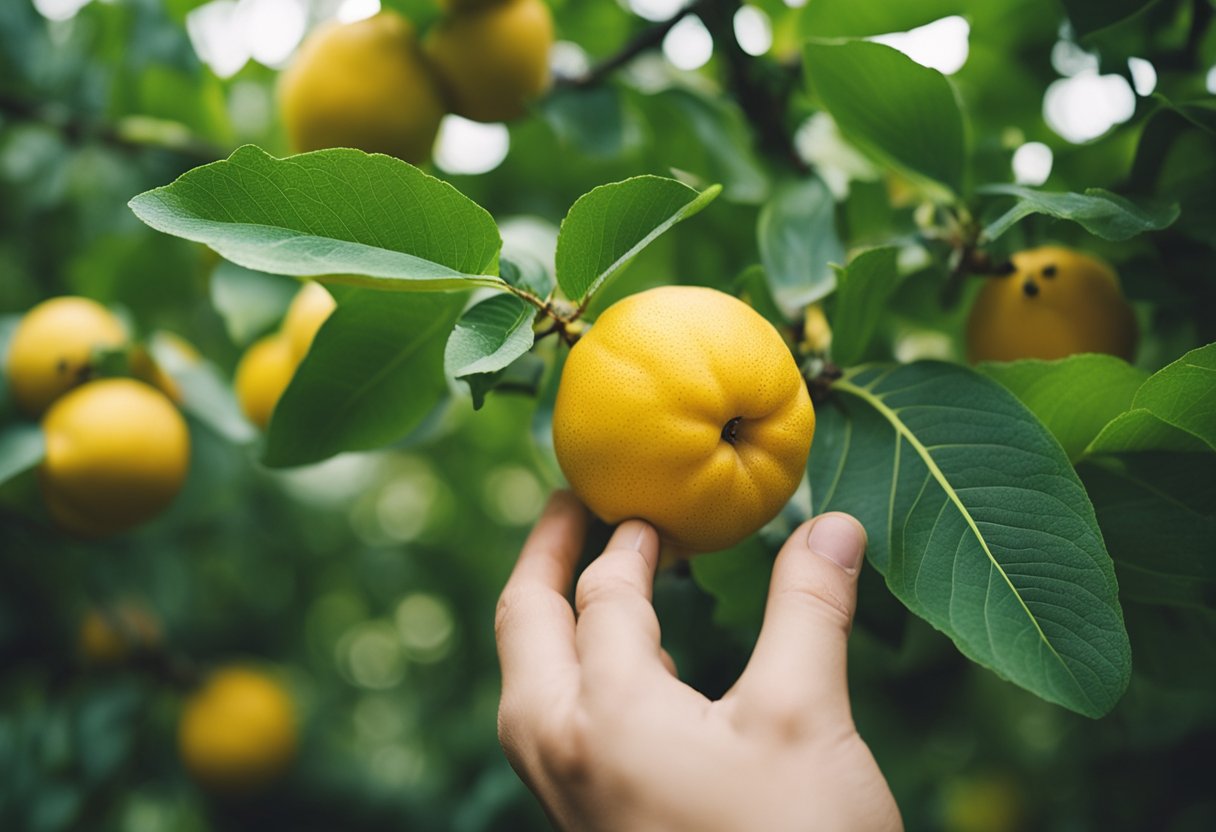
Pollination trips up more new fruit growers than almost anything else. Many popular fruit tree varieties, including a lot of apples, pears, sweet cherries, and plums, are not self-fertile. They need a second, different variety of the same fruit blooming at the same time nearby so bees can carry pollen between them and set a crop. Plant a single self-sterile apple with no partner and you may get gorgeous blossoms and no fruit.
Others make it easy. Peaches, nectarines, sour cherries, apricots, and most citrus are self-fertile and will fruit from a single tree. When you buy, read the tag or ask whether a variety needs a pollinator, and if it does, plant a compatible companion within about 50 feet. In tight spaces, self-pollinating varieties solve the problem.
Planning for Pest and Disease Management
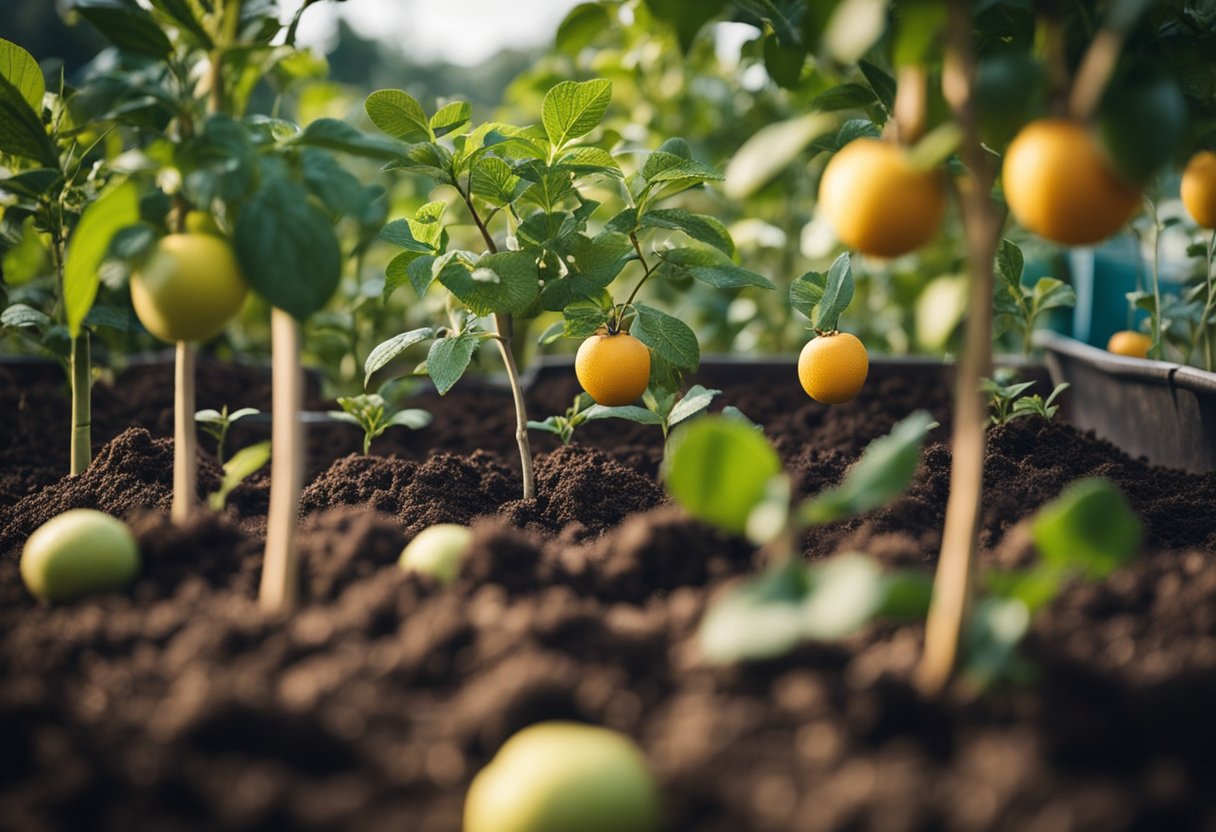
Every fruit tree faces pests and diseases, but smart choices up front cut the workload dramatically. The best defense is to choose resistant varieties bred to shrug off the problems common in your region, from apple scab to fire blight. A resistant tree needs far less spraying and stays healthier with less intervention over the years.
Back that up with good cultural practices: proper spacing for airflow, clean pruning, and raking up fallen leaves and fruit that harbor disease over winter. Monitor your trees regularly so you catch trouble like cedar apple rust early. Reserve chemical treatments for when they are truly needed, and lean on prevention first, since healthy, well-sited trees resist most problems on their own.
Exploring Popular Fruit Tree Varieties
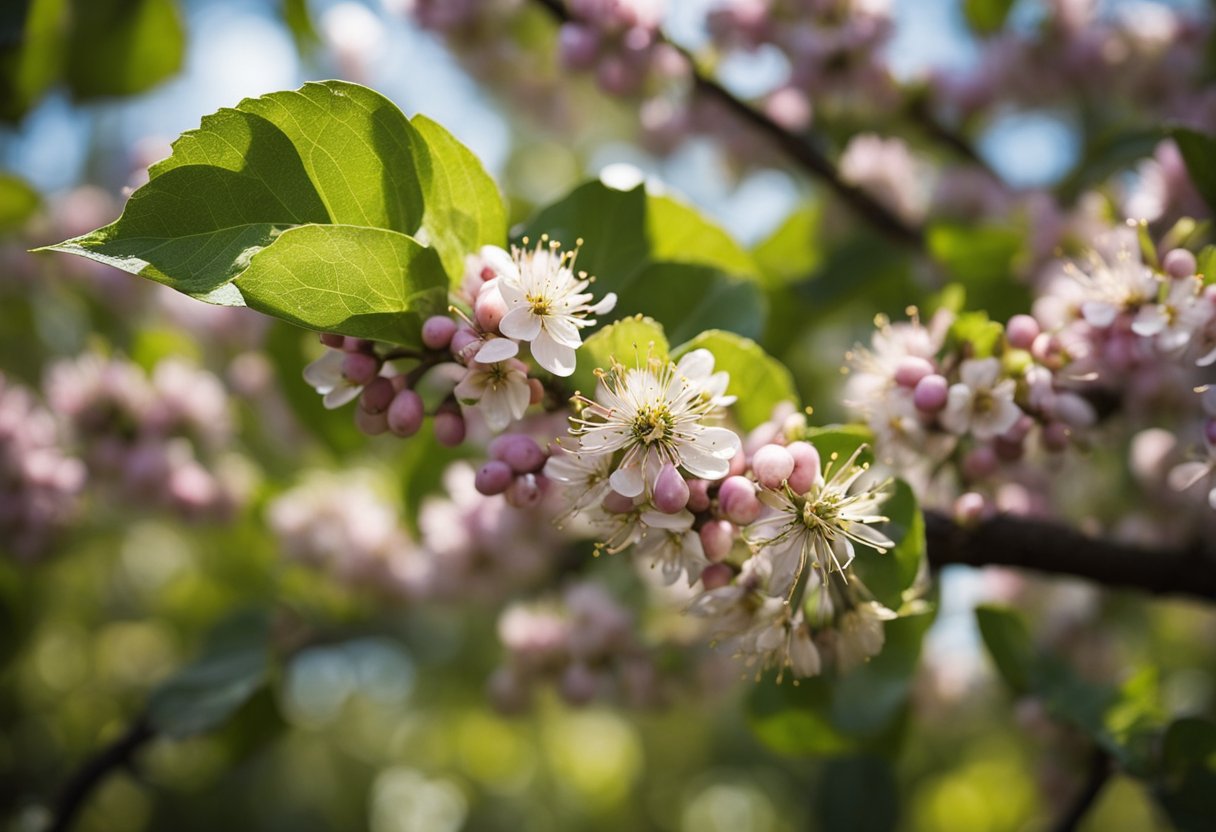
Once you know your conditions, it helps to see how the common categories stack up. Apple trees are the backbone of many home orchards, with a huge range of varieties from crisp Honeycrisp to disease-resistant Liberty and Enterprise, and dwarf rootstocks make them manageable in small yards. Most apples need a compatible pollination partner, so plan for two.
Citrus trees, including oranges, lemons, limes, and mandarins, reward warm, frost-free climates and grow well in containers you can shelter over winter in cooler areas. Stone fruit trees such as peaches, plums, cherries, and apricots bring rich summer flavor, with many peaches and plums self-fertile and quick to fruit. Whatever category appeals to you, circle back to your zone and chill hours to pick the specific variety that fits.
Planting and Caring for Your Fruit Tree
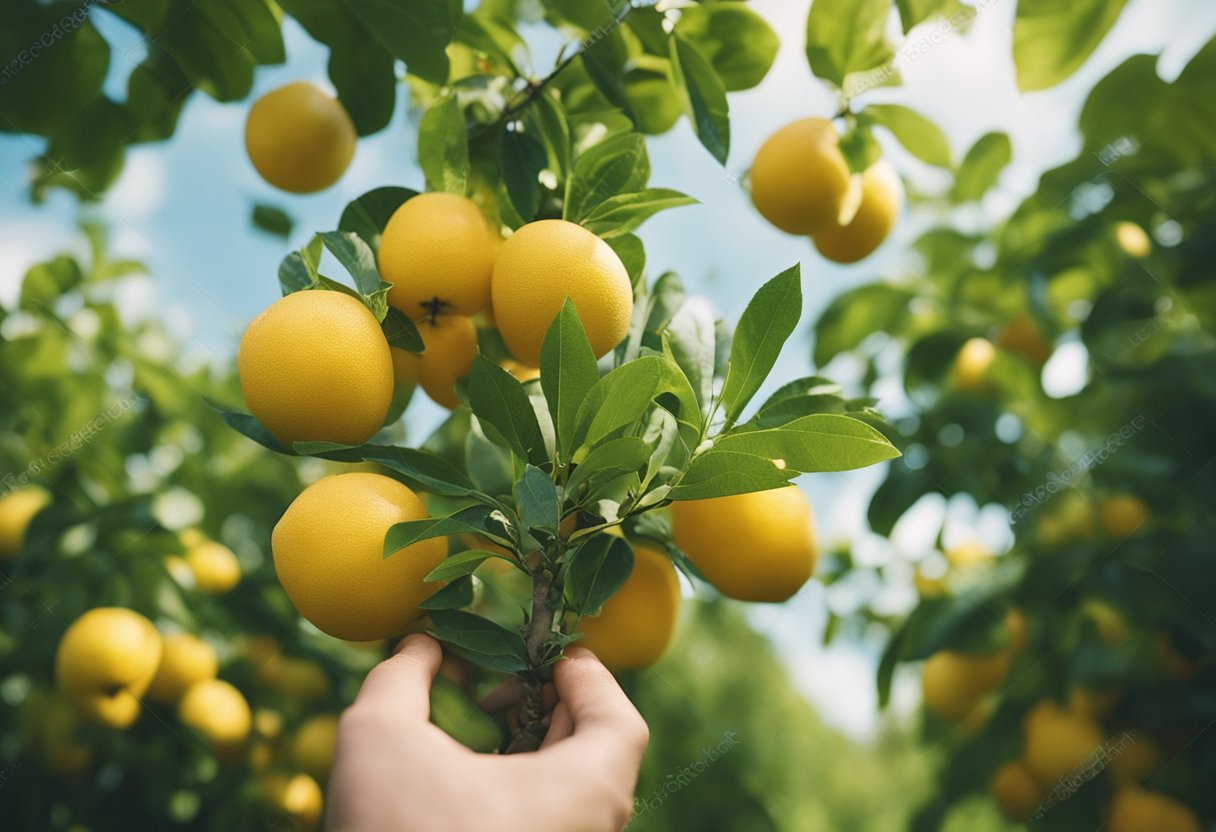
Give a young tree the right start and it will pay you back for decades. Plant during dormancy in late winter or early spring, dig a hole twice as wide as the root ball but no deeper, and set the tree so the graft union sits a few inches above the soil line. Backfill with native soil, water deeply, and mulch a few inches thick while keeping it clear of the trunk.
Prune during dormancy to build a strong framework and open the canopy to light and air, which improves both fruit and disease resistance. Water young trees deeply through their first couple of seasons, then feed with a balanced fertilizer in early spring. Flowering plants nearby draw pollinators too, and our notes on flowering plants to grow at home pair well with an orchard corner.
Harvesting and Storing Your Fruit
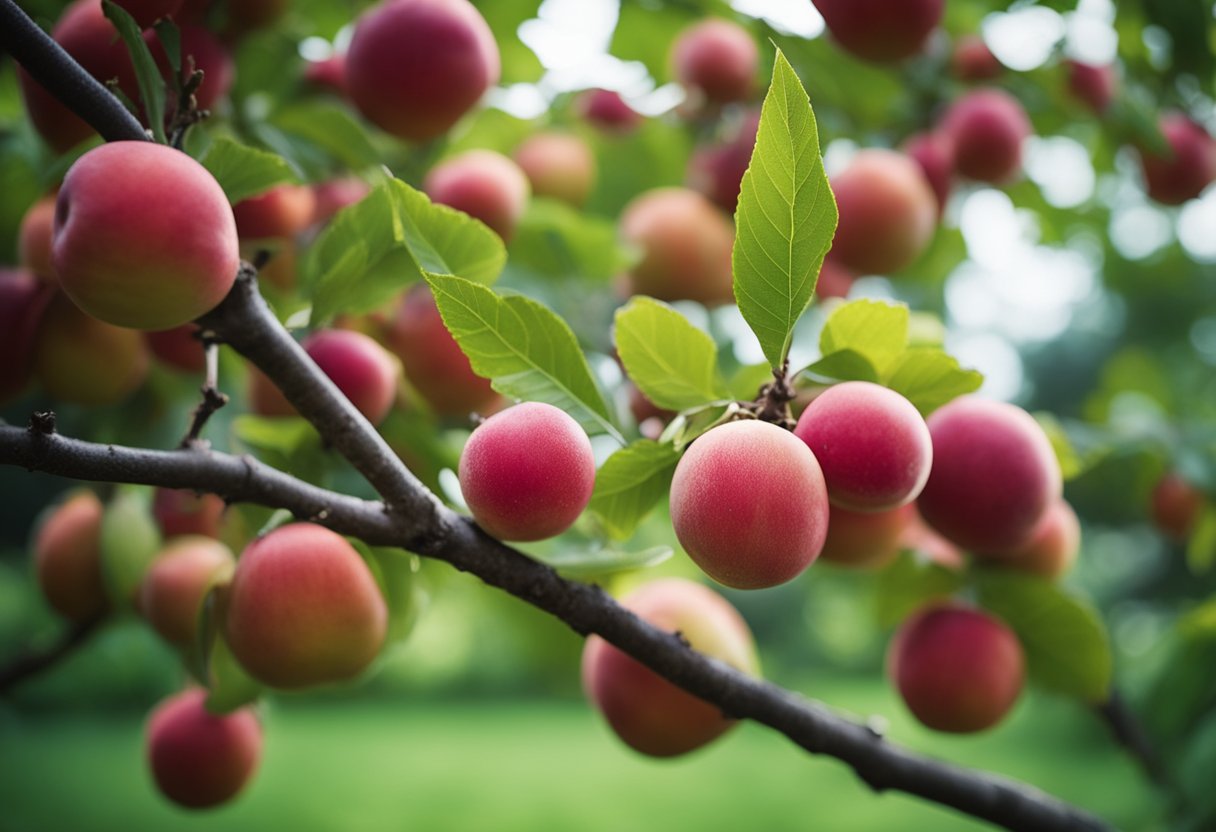
Harvest timing rewards attention. Pick most fruit when it reaches full color and parts easily from the branch with a gentle twist, tasting a few to judge ripeness rather than relying on the calendar. Handle ripe fruit gently to avoid bruising, since damaged fruit spoils fast and can take its neighbors with it.
Store what you cannot eat right away in a cool, dark, well-ventilated spot. Apples and pears hold for weeks to months in cool storage, while soft stone fruit is best eaten fresh, canned, or frozen within days.

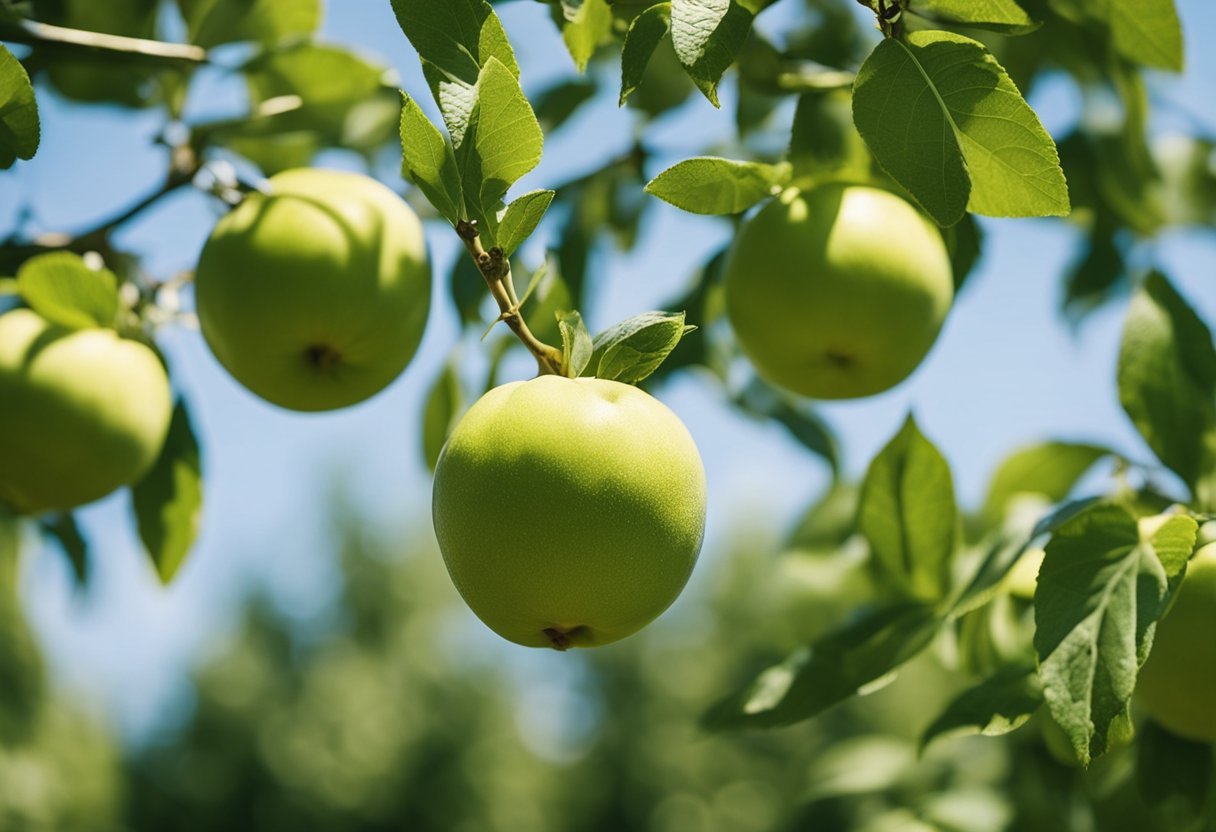
If you take one thing from all of this, let it be the order of operations: your growing conditions come first, the specific fruit second. Look up your hardiness zone and chill hours, test your soil and sun, measure your space, then shortlist disease-resistant varieties on the right rootstock that fit all of it and match your pollination plan. Beginners do best starting with one or two forgiving, self-fertile or well-partnered trees and expanding once they have a season or two under their belt. Choose the right fruit tree varieties for your garden this way and you are not just planting a tree, you are planting years of harvests.
Frequently Asked Questions About Fruit Tree Varieties
How Do I Know Which Fruit Tree Varieties Will Grow in My Area?
Start with your USDA hardiness zone, which tells you the coldest temperatures a tree must survive, then match it to each variety’s rated range. Just as important are chill hours, the hours below 45 degrees F a tree needs each winter to fruit properly, since a low-chill peach planted in a cold zone or a high-chill apple in a mild one will disappoint. Your local extension office and nearby nurseries are the best sources for varieties proven in your exact conditions.
Do I Need Two Fruit Trees to Get Fruit?
It depends on the variety. Many apples, pears, sweet cherries, and plums are not self-fertile and need a second, compatible variety blooming at the same time nearby to cross-pollinate and set fruit. Peaches, nectarines, sour cherries, apricots, and most citrus are self-fertile and will produce with a single tree. When in doubt, check the tag or ask the nursery, and if space is tight look for self-pollinating varieties or plant two compatible types close together.
What Are the Easiest Fruit Trees for Beginners?
Disease-resistant apple varieties like Liberty and Enterprise, along with self-fertile peaches and plums, are among the most forgiving choices for a first orchard. In warm zones, dwarf citrus such as Meyer lemon and Satsuma mandarin fruit reliably with little fuss. Choosing a variety bred for resistance to the diseases common in your region removes most of the difficulty before the tree is even in the ground.
How Long Until a New Fruit Tree Produces Fruit?
Most fruit trees bear their first real crop within two to four years of planting, though it varies by type and rootstock. Dwarf and semi-dwarf trees fruit noticeably sooner than full-size standards, often within two or three years. Peaches and citrus tend to fruit early, while pears and some apples take longer to hit their stride.
Should I Plant Dwarf or Standard Fruit Trees?
For most home gardens, dwarf or semi-dwarf trees are the smarter choice. They stay small enough to prune, spray, and harvest from the ground, fit into tight spaces, and begin fruiting years earlier than standard trees. Standard, full-size trees produce more fruit and live longer, but they demand ladders and room to spread.