
When the garden outside goes quiet, indoor gardening in winter fills the gap. It lets me keep something alive and growing through the cold months when the soil is frozen and the days are short. The warmth from a windowsill full of herbs or a tray of seedlings gives the house a pulse. It smells like life when the air outside smells like frost.
I started small. A single pot of basil by the kitchen sink. Then came thyme, oregano, and parsley. Before long, I was clipping fresh herbs in January while the wind rattled the windows. It doesn’t take much—just a little understanding of how light, water, and soil change when you move your growing inside.

Light: The Biggest Winter Challenge
Light is the hardest part of indoor gardening in winter. Even plants that thrive outdoors in partial shade will stretch thin and pale inside if they don’t get enough. I learned that the hard way the first year I tried to start lettuce on a windowsill.
The winter sun sits low and moves fast. South-facing windows give the most light, but glass filters and short days still make it weaker than you think. I rotate my plants often so each side gets its turn toward the light. When the days feel too short, I add grow lights. Nothing fancy, just full-spectrum LED bulbs clamped above the shelf. They give a balanced light that mimics daylight without running up the electric bill.
If you use grow lights, aim for twelve to sixteen hours of light each day. I set a cheap outlet timer so the plants get consistent cycles. Most indoor gardeners forget that darkness matters too. Plants rest at night just like we do.
Positioning Your Plants for Success
Every home has its own light pattern. Watch it for a few days before you decide where to place your plants. My kitchen window gets soft morning sun, perfect for herbs that like cooler light. The living room stays brighter in the afternoon, so I keep succulents there. A little observation saves a lot of disappointment later.
Don’t crowd the pots. Air needs to move freely, especially when you water. If the leaves stay damp, mold and fungus can take hold fast in winter’s still air. I leave space between each pot and open a nearby vent to keep circulation steady.
Water: The Balancing Act
Most people overwater in winter. I used to think my plants needed extra care when the weather turned cold. Turns out, they needed less. The air inside is dry, but the soil dries more slowly because indoor temperatures stay steady.
Now I check before I water. I stick my finger about an inch into the soil. If it still feels damp, I wait another day or two. A cheap soil probe works too. When I water, I do it deeply until the excess runs out of the bottom of the pot. Then I let it drain completely before putting it back on the tray.
Humidity helps, especially if you use heat often. A small humidifier nearby keeps the leaves from crisping at the edges. You can also set the pots on a shallow tray filled with pebbles and water. As the water evaporates, it creates a gentle humidity zone right where the plants need it.

Watching for Signs of Stress
Indoor gardening in winter requires attention more than effort. The signs of stress are quiet but easy to spot if you look closely. Yellow leaves often mean too much water. Brittle or brown edges suggest dry air or too much direct heat. Pale, leggy stems point to weak light.
I keep a small notebook near the shelf to jot down what I notice. When something changes—like the heat running more often—I adjust my routine. A few notes help me remember what worked and what didn’t. Plants are forgiving, but they like consistency.
Soil: The Foundation of Indoor Growth
Soil holds everything together. Outdoor garden dirt doesn’t work well inside because it compacts too easily and may bring in pests. I use a lightweight potting mix that drains well but still holds moisture. If I’m starting seeds, I switch to a finer seed-starting mix. The texture makes it easier for young roots to spread.
After a few months, nutrients in potting soil start to fade. I refresh mine midwinter by adding a handful of compost or a light dose of organic fertilizer. Liquid kelp or fish emulsion works well if you don’t mind the smell. Most herbs and greens respond quickly once they get a little boost.
Containers That Work Indoors
I have tried everything from thrifted mugs to handmade clay pots. As long as there’s drainage, almost anything can work. Good drainage is nonnegotiable. Without it, roots sit in stagnant water and rot.
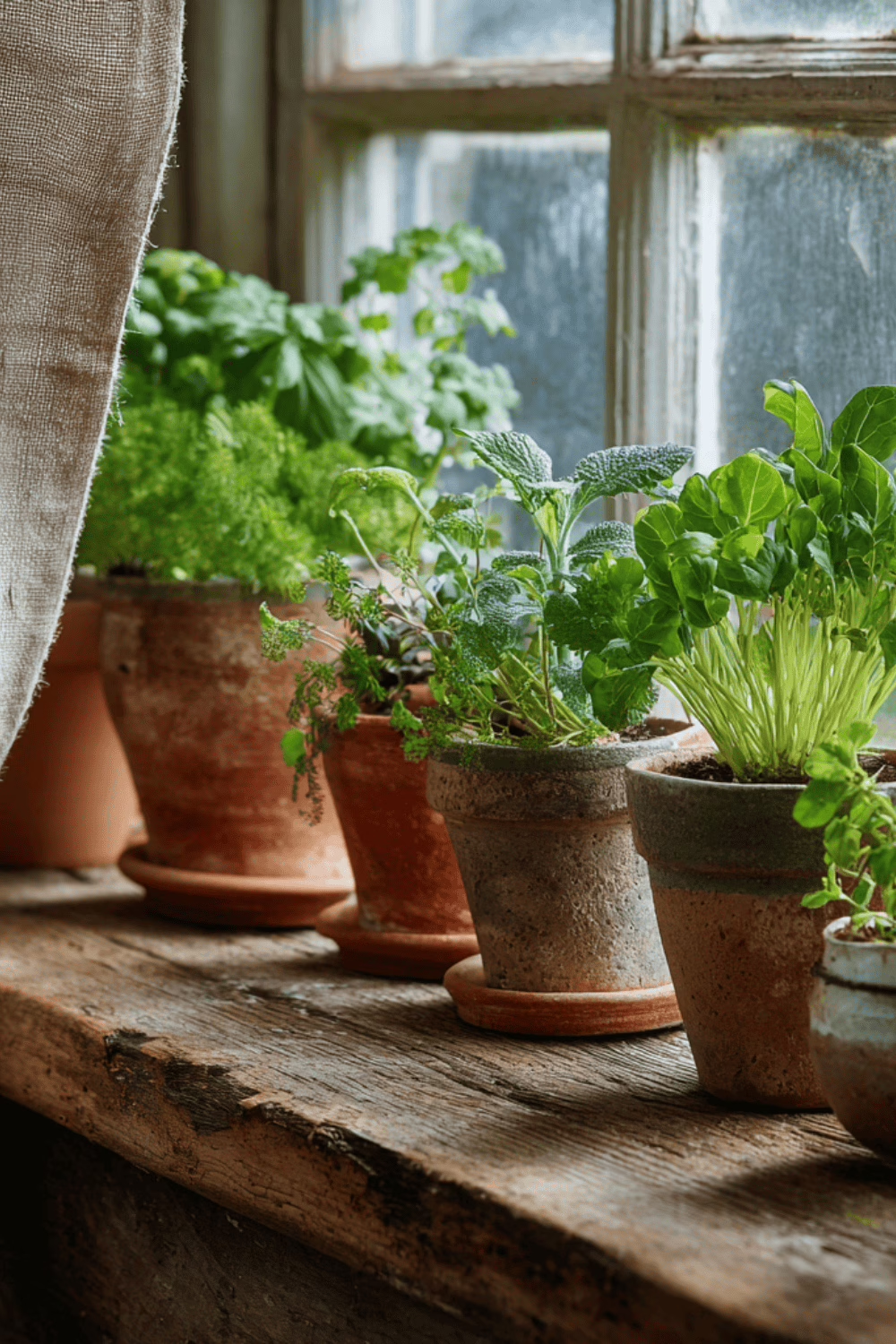
Terracotta is my favorite. It breathes and dries evenly, which makes overwatering less likely. Plastic pots hold moisture longer, so I use them for plants that like damp soil, such as basil or parsley. Herbs like rosemary prefer it a little dry, so they get clay pots.
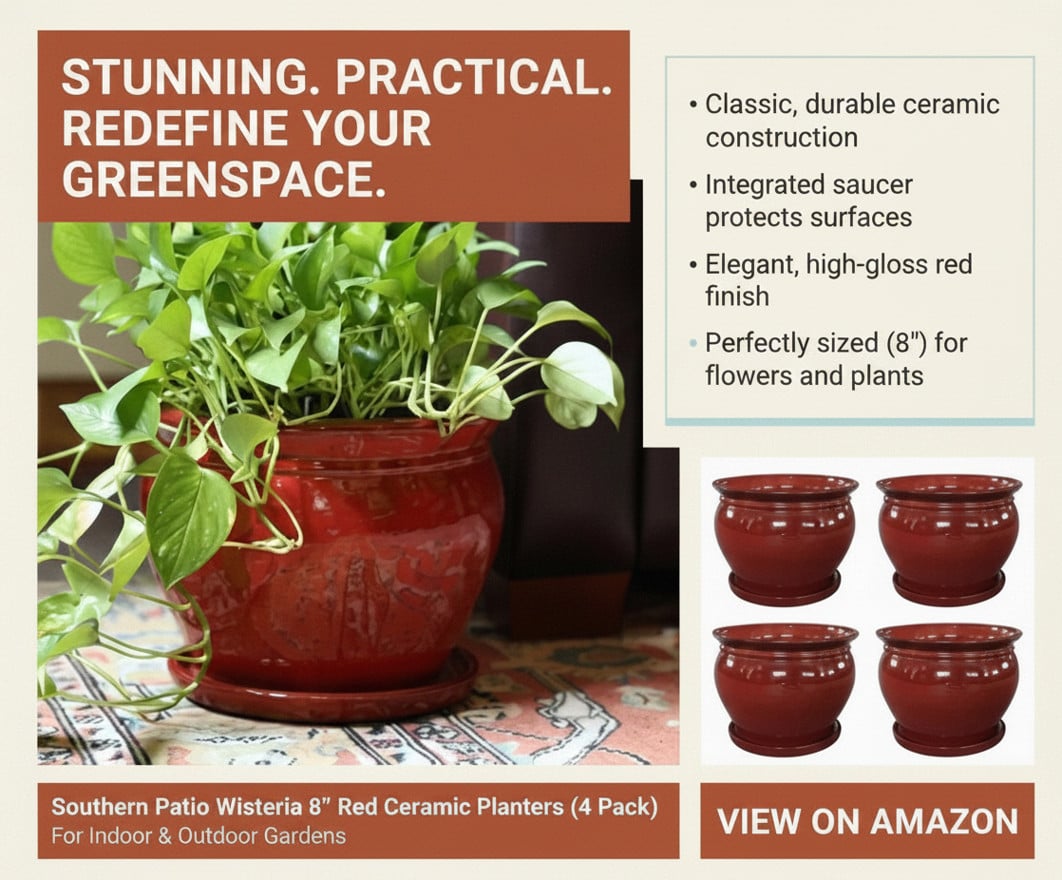
Add a saucer under each pot to protect your windowsill or table. I learned that lesson the hard way after water stains appeared on a wooden shelf I had just refinished.
for Plants with Saucer, Medium Terra Cotta Plant Pots with Drainage Hole, Flowerpot with Tray, Terracotta Pot for Indoor Outdoor Plant - Pack of 4 Planters

Choosing What to Grow Indoors in Winter
Start with what you actually use. There’s no reason to grow a dozen herbs if you only cook with three. Basil, chives, parsley, and thyme all handle indoor conditions fairly well. Mint grows fast but can take over if you give it too much space. Keep it in its own container.
Leafy greens such as lettuce, spinach, and arugula also do well under lights. They germinate quickly and don’t need deep soil. I grow mine in shallow trays and harvest by trimming the outer leaves so they keep producing. If you want something cheerful, try dwarf marigolds or miniature zinnias. Flowers in winter lift the spirit.
Temperature and Airflow
The temperature in your house affects everything. Most indoor plants prefer daytime temperatures around 65 to 75 degrees and a slight drop at night. Keep them away from cold windows or heat vents. Sudden drafts or blasts of hot air stress the leaves.
Air circulation keeps fungus at bay. I keep a small fan on low near the shelf where my seedlings live. It doesn’t blow directly on them, just moves the air enough to mimic a light breeze. That simple habit reduced mold problems almost overnight.
Feeding and Fertilizing Through Winter
Plants grow slower in winter, so they don’t need heavy feeding. I fertilize lightly once every four to six weeks with diluted organic liquid feed. Too much can build up in the soil and cause more harm than good.
If you’re unsure, skip a feeding and see how the plant responds. Healthy leaves have a natural sheen. If growth stalls and the color fades, it might be time for a small boost. Indoor gardening in winter teaches patience. Everything happens slower, but that’s part of the rhythm.

Dealing with Common Indoor Pests
Even the cleanest home can host a few pests. Fungus gnats are the most common. They look like tiny black flies hovering near the soil. I let the top inch of soil dry out between waterings to break their cycle. Sticky traps help catch adults before they lay new eggs.
If aphids or spider mites show up, I wipe the leaves with a soft cloth dipped in diluted soapy water. You can also use neem oil spray, but start light. Overusing it can clog the leaves’ pores. A gentle approach works better than panic.
Creating a Routine That Feels Sustainable
The best thing about indoor gardening in winter is how it grounds the day. Watering becomes a small ritual between coffee and chores. I check leaves, pinch back herbs, and breathe the green scent before heading outside into the cold. The habit adds rhythm to the season.
I’ve found that tending a few healthy plants feels better than juggling too many. Too much becomes another task instead of a joy. The goal isn’t perfection. It’s presence. Watching something grow while the world rests outside the window is its own kind of reward.
Making the Most of Limited Space
If space is tight, vertical shelves help. I built a simple two-tier stand from scrap wood and fitted grow lights beneath the top shelf. It doubled my growing area without crowding the room. Hanging planters also work well near bright windows, but make sure to rotate them occasionally so all sides get light.
Even a kitchen counter can host a small tray of microgreens. They grow fast and can be cut within two weeks. I scatter radish or mustard seeds thickly across shallow soil, mist them daily, and harvest when the leaves are two inches tall. The fresh flavor wakes up winter meals.
Keeping Soil Healthy Over Time
Soil in pots can grow compact and tired after a few months. I refresh mine each season. When I transplant or trim back plants, I add a thin layer of fresh compost or worm castings. The microbes bring the mix back to life and improve drainage.
Avoid reusing old potting soil without amending it. I tried that once to save money and ended up with mold and poor growth. Now I store used soil in a bin outside, mix it with compost in spring, and use it in the garden beds instead.
The Joy of New Growth
Some mornings I find new leaves unfurling under the grow light. That quiet proof of life always catches me off guard. Indoor gardening in winter reminds me that the seasons shift whether I’m ready or not, but growth never really stops. It just changes form.
By the time the ground thaws, my indoor herbs are sturdy enough to harden off and move outside again. The cycle feels complete. The plants taught me more about patience than any gardening book ever could. The easiest crop of all is herbs — see growing fresh herbs indoors.