

A snackle box turns a divided tackle-style organizer into a portable spread of small bites. The grown-up version can hold cheese, fruit, vegetables, crackers, nuts, dips, sweets, or a full picnic lunch without forcing everyone to eat the same thing. A good snackle box feels generous and fun, but it also needs to travel safely and make sense for the people eating it.
The idea works for road trips, lake days, garden work, concerts, sports tournaments, book club, or an afternoon on the porch. The trick is not filling every compartment with something photogenic. It is choosing a balanced mix, keeping wet and dry foods separate, and packing perishables cold.
Key Takeaways
Start With a Food-Safe Snackle Box
Not every tackle box is made for food. Choose a divided container specifically labeled food safe, or use a bento box with removable compartments. Avoid an old fishing box, a craft organizer with an unknown plastic formulation, or any container that has held hooks, bait, paint, glue, hardware, or chemicals.
Look for smooth compartments that can be washed completely. Removable cups are helpful for dips and juicy foods. A tight lid matters in the car, but a sealed box is not a substitute for refrigeration.
If the box will hold meat, cheese, cut produce, eggs, yogurt dip, or another perishable food, place it inside an insulated cooler. The USDA’s guidance for keeping packed lunches safe recommends keeping cold food at 40 F or below and packing at least two cold sources with perishable lunches. Freeze water bottles or use sealed ice packs so melted ice cannot leak into open compartments.

The Simple Formula for Filling a Snackle Box
Build the box around four or five useful groups. Start with protein or another filling food, then add produce, a crunchy item, something salty or briny, and a treat. You do not need one item in every category, but the formula keeps the box from becoming a pile of crackers and candy.
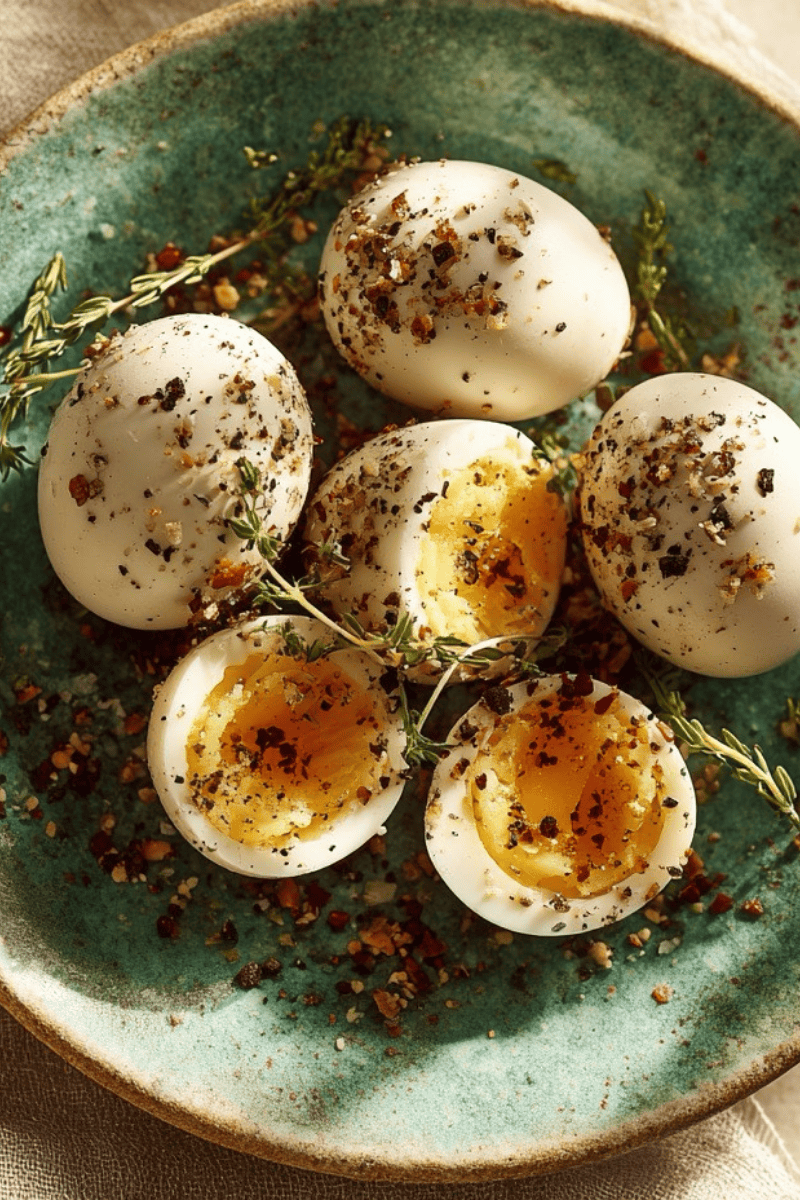
For protein, consider cubed cheese, sliced sausage, roasted chickpeas, nuts, hard-cooked eggs, cooked chicken bites, hummus, or a bean dip. Keep allergy needs in mind when a group will share the box. Nuts and nut-based dips may need their own clearly labeled container.
Fresh produce can be as simple as grapes, berries, apple slices, snap peas, cucumber rounds, cherry tomatoes, carrots, or dried fruit. Choose sturdy produce for a long drive. Raspberries and very ripe peaches are lovely at home but easily crushed in a crowded cooler.
Crunchy choices include crackers, pretzels, pita chips, popcorn, toasted bread rounds, or herb and sea salt sourdough discard crackers. Pack them in a dry section or a separate bag so condensation does not turn them soft.
Olives, pickles, pepperoncini, marinated vegetables, and cubes of firm cheese add the sharp, salty bite that makes the box feel like more than a lunch tray. Drain brined foods well and tuck them into leakproof cups.
Finish with one modest sweet item, such as dark chocolate squares, yogurt-covered raisins, dried cherries, cookies, or candied pecans. A treat is more satisfying when the rest of the box has enough substance to carry the afternoon.
Snackle Box Ideas for Different Occasions
Road Trip Snackle Box
Choose foods that can be eaten with one hand and will not drip down a shirt. Try cheese cubes, turkey roll-ups, grapes, pretzels, cucumber slices, roasted nuts, dried apricots, and chocolate candies. Keep the box in a cooler within reach of a passenger, not open on the driver’s lap.
For a drive longer than a couple of hours, keep perishable items cold and return the closed box to the cooler between snacks. Pack napkins, toothpicks, hand wipes, and a small trash bag.
Garden Work Snackle Box
A garden-day box needs more staying power than a party tray. Add hard-cooked eggs, cheese, hummus, carrots, snap peas, apple wedges, salted nuts, and sturdy crackers. A chilled box gives you a real break without dragging dirt through the kitchen.
If you are using homegrown vegetables, wash and chill them before packing. A garden basket full of produce is not ready-to-eat food until the soil is washed away and the cutting surface is clean.

Porch or Book Club Box
For an at-home gathering, lean toward foods that feel a little special: goat cheese, caramelized onion and goat cheese crostini, grapes, pear slices, spiced pecans, olives, cornichons, and chocolate. Keep the crostini separate until serving so the bread stays crisp.
A divided tray can also hold several small appetizers without carrying six separate bowls outside. Label anything spicy or made with common allergens.

Lake Day or Picnic Box
Use foods that tolerate movement: firm cheese, salami, whole berries, melon cubes, pickles, snap peas, crackers in a sealed bag, and sturdy cookies. Keep raw meat and anything that needs cooking out of the ready-to-eat box.
Place the snackle box in a shaded cooler and open it only long enough to serve. If you are building a full outdoor menu, grilled vegetable skewers are an easy companion once the grill is hot.

Budget Snackle Box
A portable snack tray does not need imported cheese and expensive cured meat. Use popcorn, store-brand crackers, cheddar cubes, seasonal apples, carrots, homemade dip, boiled eggs, raisins, and pickles. Buying one block of cheese and cutting it yourself is usually cheaper than a prepared snack pack.
Use what is already open in the pantry. A handful of three different foods looks abundant once each has its own compartment, even when the total quantity is modest.

How Much Food Should You Pack?
For a snack, plan a few bites from several categories rather than a full serving of everything. For a meal, give each adult a meaningful protein portion plus produce, starch, and a little fat.
The box size can be misleading. Twenty compartments do not require twenty different purchases. Repeat a favorite item in two sections, leave a compartment empty for toothpicks, or use a larger section for an ice pack if the design allows it.
Think about the group before you shop. A box for two adults on a short porch break will look different from a box shared by six people through a tournament day. Pack enough, but do not create a container of warmed leftovers that no one wants to take home.
Keep Wet Foods From Ruining the Rest
Dips, olives, pickles, cut melon, and juicy berries can leak across dividers. Use small lidded cups inside the larger box. Drain brined foods, pat washed produce dry, and wait to slice apples or pears until close to departure.
Pack crackers, chips, and bread separately when the box will spend time in a cooler. Cold air carries moisture, and a crisp cracker can soften even without touching a wet ingredient.
For sliced apples, a little lemon juice can slow browning, though it adds tartness. Another option is packing whole small apples and a clean knife for an adult to use at the destination.
Snackle Box Food Safety
The playful container does not change basic food safety. Meat, cheese, eggs, yogurt, hummus, cooked grains, and cut produce need temperature control. According to the USDA, bacteria grow rapidly between 40 and 140 F. Pack the box cold, use an insulated cooler with at least two cold sources, and do not leave it sitting in a hot car.
Wash hands before packing and use clean utensils. If several people are sharing, provide toothpicks or small tongs instead of encouraging everyone to reach into the same compartment.
Discard perishable leftovers that have spent too long warm. When you are unsure how long a box sat on a picnic table, protecting the next day is worth more than saving a few cheese cubes.
Clean the Box as Soon as You Get Home
Empty every compartment, remove silicone cups and dividers, and follow the manufacturer’s washing instructions. Pay attention to hinges, seals, and corners where oil or crumbs collect.
Let all parts dry completely before closing the lid. A box stored damp can hold odors and grow mold in seams. If the container becomes deeply scratched, cracked, stained, or impossible to clean, replace it.
A snackle box earns its place in the kitchen when it is easy to fill, easy to carry, and easy to wash. Treat it like a useful lunch container, not a one-time social trend, and it can make ordinary breaks feel like a small picnic.
Frequently Asked Questions
What is a snackle box?
A snackle box is a divided, food-safe container filled with assorted small snacks. The name combines snack and tackle box, though the container should be new and approved for food use.
What do you put in an adult snackle box?
Combine a protein, fresh produce, something crunchy, a salty or briny item, and a small treat. Cheese, fruit, vegetables, crackers, nuts, olives, hummus, and chocolate are easy starting points.
Does a snackle box need to stay cold?
Yes, when it contains perishable foods such as meat, cheese, eggs, hummus, yogurt dip, or cut produce. Keep it in an insulated cooler with at least two cold sources.
Can I use a real tackle box for food?
Use only a new container specifically labeled food safe. Never put food in a tackle box or organizer that previously held bait, hooks, paint, glue, hardware, or chemicals.
How do you keep crackers crisp in a snackle box?
Keep crackers in a separate sealed bag or a completely dry compartment. Add them shortly before serving and keep them away from condensation, dips, pickles, and cut fruit.