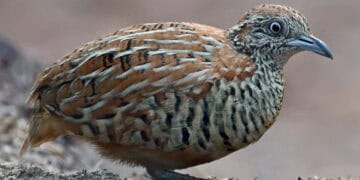

Quail egg incubation moves fast. Coturnix eggs can go from a warm shell in the incubator to a brooder full of chicks in about 17 days, which leaves very little room for guessing about temperature, humidity, turning, or lockdown. The machine does not need to be fancy, but it does need to be stable, clean, and checked before the eggs go in.
This guide focuses on Coturnix quail, the species most commonly raised on small homesteads. Bobwhite and other quail have longer incubation periods, so confirm the species before marking a hatch date on the calendar.
What You’ll Learn
Set Up the Incubator Before the Eggs Arrive
Run the incubator empty for at least 24 hours before setting eggs. A full day gives the temperature time to settle and exposes problems with a thermostat, fan, water channel, or room location before embryos depend on the machine.
Place the incubator away from sunny windows, exterior doors, heating vents, and rooms that swing widely between day and night temperatures. Set a separate calibrated thermometer and hygrometer at egg height. The display built into an inexpensive incubator can drift, and a one or two degree error matters more in a 17 day hatch than it does in a longer incubation.
For a forced-air incubator, aim for about 99.5 to 100 F. Mississippi State University Extension’s incubation guidance lists 100 F for Coturnix quail in a forced-air machine and notes that still-air incubators generally run 2 to 3 F warmer. Follow the manufacturer’s instructions for your model, but verify the actual temperature where the eggs sit.
Wash and dry removable trays before every hatch. Do not use strong fragrances around the machine, and do not set cracked, leaking, badly misshapen, or heavily soiled eggs. If you are still choosing equipment, our guide to the best incubators for quail eggs explains which features matter for small eggs.
Choosing and Storing Hatching Eggs
The best hatching eggs come from healthy, well-fed breeding birds and clean nests. Choose eggs with normal oval shapes and intact shells. Very small, very large, ridged, thin-shelled, or cracked eggs are less likely to hatch well.
If you collect your own eggs, store them point down in a cool room until you have enough to set. Gently tilt stored eggs once or twice daily when they will be held for more than a few days. Hatchability generally declines as storage stretches out, so fresher eggs are the safer bet.
Shipped eggs need time to settle after transport. Place them point down and let them rest before setting. Shipping can damage air cells even when shells look perfect, so expectations should be lower than for eggs collected at home.
Do not scrub or soak hatching eggs. The shell has a protective outer coating, and washing can move contamination through shell pores. A lightly dusty egg can be dry-cleaned with care, but a heavily dirty egg is better left out of the incubator.

Quail Egg Incubation Temperature and Humidity
Temperature should stay steady throughout the main incubation period. Short fluctuations are less dangerous than a machine that runs consistently hot. Mississippi State’s hatchery guidance warns that prolonged high temperature can cause early hatches, weak chicks, rough navels, deformities, and lower hatchability.
Humidity is less about chasing one universal number and more about allowing the egg to lose the right amount of moisture. Many small-flock keepers begin Coturnix eggs around 40 to 50 percent relative humidity, then adjust for their incubator, room climate, and air-cell growth. The extension tables often express humidity as wet-bulb temperature rather than the relative humidity shown on a home hygrometer, so do not treat the numbers as interchangeable.
Watch the air cell when candling. It should grow as water leaves the egg. If it stays too small, humidity may be too high. If it becomes unusually large too soon, humidity may be too low. Some keepers weigh a sample of eggs to track moisture loss, which is more useful than copying a setting from someone raising birds in a different climate.
Keep ventilation openings clear. Developing embryos use oxygen and release carbon dioxide. Closing vents to force humidity upward can solve one number while creating another problem.
with auto egg turner - Chickcozy

How Often Should You Turn Quail Eggs?
Turn Coturnix quail eggs at least three times a day if the incubator does not have an automatic turner. Five turns spaced through the day is even better. Always use an odd number of manual turns so the eggs rest on a different side overnight.
Mark one side of each shell with a small pencil X and the other with an O. Pencil is easier to see without adding ink or solvent to the shell. Wash and dry your hands before touching eggs, and move them gently. Early embryos have delicate blood vessels that can be damaged by rough handling.
An automatic turner saves time, but confirm that it actually moves small quail eggs. Chicken-sized rails sometimes let tiny eggs wobble without changing position. Check the mechanism during the empty test run and again after the eggs are set.
Stop turning at the end of day 14. Mississippi State’s incubation table lists day 15 as the point after which Coturnix eggs should no longer be turned. At that stage the chick is positioning for hatch and needs the egg to stay still.
Candling Quail Eggs Without Overhandling Them
Quail shells are mottled, so candling can be harder than it is with pale chicken eggs. Work in a dark room with a bright, cool LED candler. Limit the time each egg stays out of the incubator.
Around day 7, a developing egg may show a dark center with branching blood vessels. A clear egg may be infertile, though heavily patterned shells can hide early development. Candle again around day 10 or 12 before making a final decision.
Remove leaking eggs and eggs that smell bad immediately. An egg with a distinct blood ring or development that stopped can also be removed once you are confident. If the shell simply makes it hard to see, leave the egg in and let time answer the question.
Day 15 Lockdown for Coturnix Quail
On day 15, remove the automatic turner or switch it off, lay the eggs in the hatching tray, and raise humidity. Many home incubators hatch Coturnix successfully around 65 to 70 percent relative humidity during lockdown, but use air-cell development and the machine instructions as your guide.
Add water without pouring it over the eggs. Increase surface area with the machine’s extra channel or an approved sponge rather than closing ventilation. Then close the lid and leave it closed.
The first external pip may be followed by a long rest. A chick has to absorb blood from the membrane, finish drawing in the yolk, breathe through the air cell, and rotate inside the shell. It can look stalled while normal work is happening out of sight.
Opening the incubator during an active hatch dumps warm, moist air. That sudden change can dry the membrane around a pipped chick. Resist the urge to remove each chick as it appears. Most can stay safely in the incubator until they are dry and fluffy.
What Happens on Day 17?
Coturnix chicks often hatch on day 17, with some arriving late on day 16 or continuing into day 18. A hatch that is consistently early can point to excessive temperature. A hatch that is consistently late can point to low temperature, old eggs, or uneven heat.
Do not discard every unhatched egg the moment day 17 ends. Give the hatch reasonable time to finish, especially if you saw later development during candling. At the same time, remove chicks once they are dry and the hatch has paused long enough to open the incubator without harming active pips.
Move chicks into a brooder that is already warm, dry, and ready with shallow water and game-bird starter. Our quail chick brooder temperature guide covers the first weeks, while How to Start Raising Quail connects incubation with housing, feed, and flock planning.
Troubleshooting a Poor Quail Hatch
One bad hatch does not automatically mean the incubator is worthless. Record the set date, egg source, storage time, daily temperature, humidity, air-cell changes, lockdown date, first pip, and final hatch rate. Those notes make the next hatch better.
Clear eggs usually point to fertility, storage, or early embryo problems. Fully formed chicks that never pip may indicate incorrect humidity, ventilation trouble, weak breeders, or a temperature problem. Chicks stuck after pipping can be associated with moisture loss, but opening the lid repeatedly can make the problem worse.
Clean the incubator after the hatch, allow every part to dry, and check calibration before setting another clutch. If you plan to keep the chicks, review Coturnix quail care from hatch through adulthood before the next batch arrives.
Frequently Asked Questions
How long does quail egg incubation take?
Coturnix quail eggs usually hatch in about 17 days. Bobwhite and some other quail need roughly 23 to 24 days, so confirm the species before setting lockdown dates.
What temperature should a quail incubator be?
A forced-air incubator for Coturnix eggs should generally stay near 99.5 to 100 F. Still-air machines usually require a higher reading at egg height, according to the incubator instructions.
What humidity is best for Coturnix quail eggs?
Many keepers begin around 40 to 50 percent relative humidity and raise it to roughly 65 to 70 percent for lockdown. Air-cell development and egg weight loss are better guides than copying one fixed number.
When do you stop turning quail eggs?
Stop turning Coturnix quail eggs after day 14 and begin lockdown on day 15. Bobwhite and other longer-incubating species have later lockdown dates.
Should I help a quail chick hatch?
Usually, no. A chick may rest for hours after pipping while it absorbs blood and yolk. Helping too soon can cause bleeding or injury, so intervene only with experienced guidance and clear evidence of a true emergency.