
The best beekeeping gloves are the ones you barely notice, the pair that keeps you calm at the hive without turning your fingers into oven mitts. Every glove sits somewhere on a sliding scale between protection and dexterity, and the right spot depends on your temperament, your bees, and the job in front of you. Thick goatskin gauntlets shrug off stings but make it hard to feel a queen cell, while thin nitrile gloves let you work delicately with almost no padding.
Key Takeaways
What Makes a Good Beekeeping Glove?
A good beekeeping glove keeps stingers out of your skin while still letting you feel what your hands are doing. Those two goals pull against each other, so every design is a compromise. The more leather you stack between your fingers and the frame, the less you feel the propolis crack, the queen cell you almost rolled, or the drone you nearly pinched.
Protection comes from three things: material thickness, a snug cuff or gauntlet that seals against your sleeve, and elastic that keeps bees from crawling in at the wrist. Dexterity comes from thin, supple material and a fit that follows your knuckles. The best beekeeping gloves for a nervous first-year keeper are rarely the best pair for someone doing detailed queen work in year five. If you are still assembling your kit, our guide to essential beekeeping equipment sets the gloves in context with veils, suits, and tools.
Goatskin Leather Gloves: The Classic Choice
Goatskin is the default beekeeping glove for good reason. The leather is thin enough to preserve a decent amount of feel yet dense enough that most stingers cannot reach skin, and it stays soft after it gets wet and dries again. A typical goatskin glove runs supple at around 0.6 to 0.9 millimeters thick, which is why it has been the standard starter glove for decades.
The tradeoff is real, though. Goatskin still deadens fine sensation, so picking a single frame ear or feeling the give of a capped cell takes practice through the leather. Goatskin also soaks up alarm pheromone and old venom over a season, which can make bees testier the longer you wear an unwashed pair. Most keepers accept that for the confidence goatskin buys during hive inspections. If you want to keep your colony settled while you work, our notes on maintaining a healthy beehive explain how calm handling protects the whole box.

Cowhide Gloves: Maximum Protection
Cowhide gloves are the armor end of the spectrum. The leather is thicker and tougher than goatskin, so it resists stings, splinters, and the abrasion of moving heavy boxes better than almost anything else you can wear. For keepers working hot colonies, africanized-influenced bees in the far South, or anyone who simply hates getting stung, cowhide is reassuring.
That protection costs you feel. Cowhide is bulkier and stiffer, and the fingertips can feel clumsy until the leather breaks in over several weeks. You will crush the occasional bee just because you cannot sense the pressure, which slightly raises the alarm pheromone in the hive. Think of cowhide as the glove for heavy or defensive work rather than delicate manipulation. Beginners who are anxious about stings often start here, then move to something thinner as their nerves settle, which is a normal and healthy progression covered in our guide to how to start beekeeping.

Ventilated Leather Gloves: Staying Cool in Summer
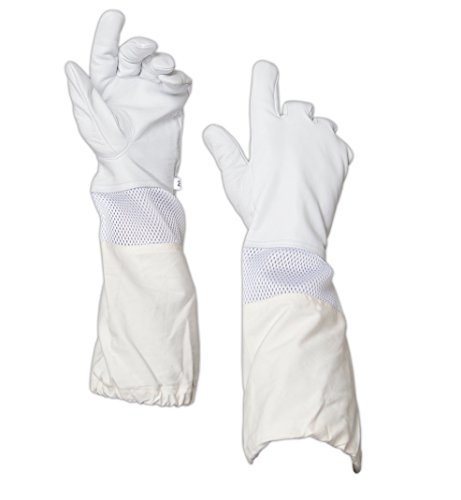
Ventilated gloves pair a leather palm and fingers with a mesh or fabric back and gauntlet, so your hands breathe while the working surfaces stay sting resistant. In a Southern July, when a full inspection can leave your hands soaked, that airflow is the difference between finishing the yard and quitting halfway through. The vented panels sit on the back of the hand and forearm where stings are less likely, so you give up little protection where it counts.
The catch is that mesh is not sting proof, and a determined bee on the back of your wrist can still get you. Ventilated leather also tends to cost more than plain goatskin. Still, for hot climate keepers this design earns its place, and it pairs naturally with a breathable jacket. Our roundup of the best beekeeping suit for hot weather covers the same cooling logic for the rest of your body.
Nitrile and Disposable Gloves: The Dexterity Favorite
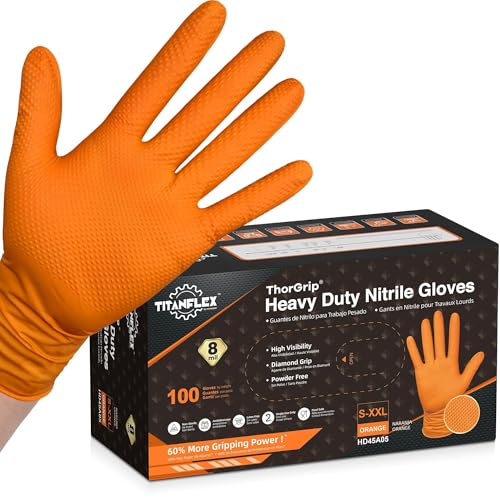
Nitrile gloves are the choice of a large share of experienced beekeepers, and for one main reason: dexterity. A snug 6 to 8 mil nitrile glove lets you feel almost everything your bare hand would, so you can lift frames, spot the queen, and scrape burr comb with real precision. They are cheap, you throw them away, and you never carry venom or disease from one hive to the next on old leather.
That hygiene point is not a small thing. Many extension apiculture programs recommend disposable gloves precisely because a fresh pair between colonies helps limit the spread of brood diseases like American foulbrood. For more on protective gear and hive health, the Penn State Extension honey bee program is a solid authority. The obvious downside is that nitrile offers almost no sting protection: a stinger goes right through. Most keepers who use nitrile decide that a few stings a season is a fair price for control, and a fresh pair costs pennies. Doubling up two gloves adds a little buffer without much loss of feel.
How Should Beekeeping Gloves Fit?
Beekeeping gloves should fit snug, not loose, with only a little extra room past your fingertips. A glove that is too big bunches at the tips, which kills your feel and makes you crush bees you cannot sense. A glove that is too small splits at the seams and leaves your wrist exposed where the gauntlet should seal.
Leather gloves stretch with use, so if you are between sizes in goatskin or cowhide, size down and let them break in over the first few weeks. Nitrile does the opposite and gives no stretch, so pick the size that hugs your palm without pinching. Check that the gauntlet reaches well up your forearm and that the elastic grips your sleeve, because most wrist stings happen in the gap where glove meets jacket. If you are ordering online, measure across your palm at the knuckles in inches and match it to the maker’s chart rather than trusting a generic small, medium, or large.
Why Some Keepers Go Bare-Handed
A lot of veteran beekeepers eventually stop wearing gloves for most work, and it is worth understanding why before you judge it. Bare hands give you total feel, so you move slower, roll fewer bees, and read the colony’s mood through your fingertips. Calmer handling means fewer defensive bees, which means fewer stings, which is the loop that makes bare-handed work sustainable once your technique is solid.
There is also a tolerance factor. Regular keepers build up a measured response to sting venom over time, so the occasional sting stings less and swells less than it did in year one. None of this means you should skip gloves as a beginner. Start protected, build confidence, and let your gloves get thinner as your hands get wiser. Going bare-handed is a destination, not a starting line, and plenty of excellent keepers never fully arrive there and feel no shame about it.
Start with the glove that matches your nerves today, not the one you think you should want. If you are new and anxious, a goatskin or cowhide gauntlet buys the confidence to keep your hands slow and your colony calm. As your technique sharpens, drop down to ventilated leather or nitrile and enjoy the feel you gain. The right glove is simply the one that lets you do the next job well, and most keepers own two pairs for exactly that reason.
Frequently Asked Questions About Best Beekeeping Gloves
What kind of gloves do beekeepers use?
Most beekeepers use goatskin or cowhide leather gauntlet gloves for protection, or thin nitrile disposables for dexterity. Goatskin is the common starter glove because it balances feel and sting resistance, while many experienced keepers switch to nitrile for precision and hygiene. The right choice depends on how defensive your bees are and how much sensation you need.
Are nitrile gloves good for beekeeping?
Yes, nitrile gloves are popular with experienced keepers because they give excellent dexterity and let you feel frames and find the queen easily. They also improve hygiene, since you use a fresh pair between hives and avoid carrying disease on old leather. The tradeoff is that stingers go straight through, so you accept the occasional sting for better control.
Do beekeeping gloves prevent stings?
Leather gloves prevent most stings to the hands, and a snug gauntlet sealed against your sleeve stops bees from crawling to your wrist. No glove is fully sting proof, though, and thin nitrile offers almost none. Fit is what makes the difference, because a loose glove leaves gaps and a bunched fingertip crushes bees that then sting.
What size beekeeping gloves should I get?
Measure across your palm at the knuckles in inches and match it to the maker’s size chart rather than guessing. Leather stretches, so size down if you are between sizes and let it break in, while nitrile gives no stretch and should hug your palm from the start. A snug fit preserves feel and keeps you from crushing bees.