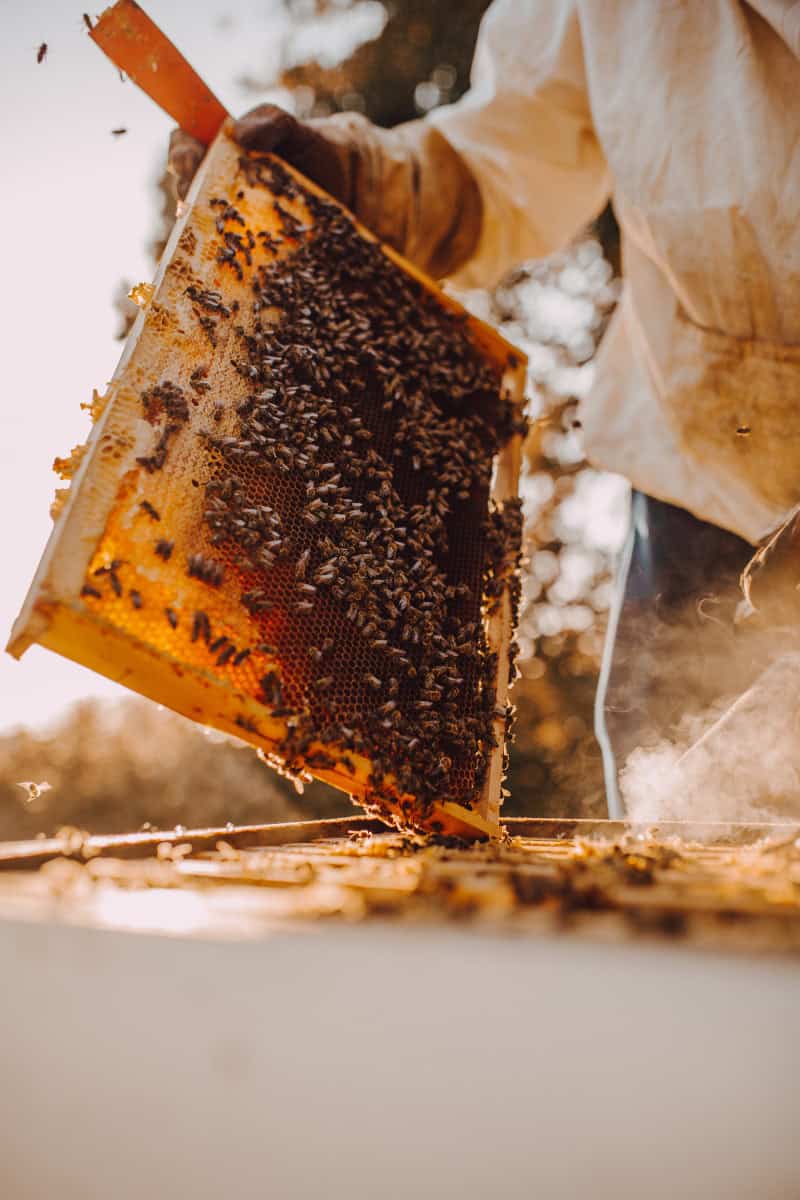

Is beekeeping hard? Honestly, the hands-on work is gentler than most people expect, but the craft carries a real learning curve that humbles nearly every beginner in the first season. Opening a hive and lifting a frame full of bees takes only a calm hand and a little practice, not strength or nerves of steel.
What takes time is reading what a colony is telling you, staying ahead of varroa mites, and getting a hive through winter alive. Go in expecting a season or two of steady practice rather than instant mastery, and the whole thing feels far more doable than the horror stories suggest.
What You’ll Learn
So, Is Beekeeping Hard for a Beginner?
Is beekeeping hard for someone who has never kept a hive? Not in the way people fear. The physical routine is light, the tools are simple, and bees mostly manage themselves. The difficulty is that beekeeping is a judgment skill, closer to gardening or raising animals than to following a recipe. You are training yourself to notice small signs, a shift in temperament, a gap in the brood, a change in what the bees are bringing home, and to act on them before a small problem grows.
That is why two beekeepers can follow the same steps and get different results. Weather, local forage, the genetics of your queen, and the pest pressure in your area all shift what the right move is on any given week. Beginners who struggle are usually not doing anything physically difficult; they are second-guessing decisions they do not yet have the experience to make confidently. That confidence arrives faster than you would think, usually within a season of regular inspections.
How Much Time Does Beekeeping Really Take?
During the active season, plan on inspecting each hive every seven to 10 days, with each inspection running about 30 minutes once you are comfortable. That cadence matters: bees can build swarm cells and act on them in roughly a week, so longer gaps let problems slip past you. Early on, inspections take longer because you are stopping to identify what you see, and that is time well spent.
Outside of inspections, the commitment is modest. You will spend an hour here and there building frames, mixing syrup, or treating for mites, plus a few busy weekends in spring and at harvest. Winter is nearly hands-off beyond the occasional check on food stores and ventilation. Across a full year, a backyard beekeeper with one or two hives might average two to three hours a week, front-loaded into the warm months. For a fuller picture of the ongoing rhythm, our guide to maintaining a healthy beehive walks through what each seasonal check looks like.

What Do Beginners Find Hardest?
The hard parts of beekeeping are rarely the ones new keepers worry about. Here are the four that trip people up most, and what actually helps:
Reading the Hive
The single hardest skill is reading a hive, which means opening it and understanding the story the frames tell. Is the queen laying well? Is that a solid brood pattern or a spotty one? Are those swarm cells or supersedure cells, and does the difference change your plan? None of this is intuitive at first, and photos in books only get you so far.
The fix is repetition and, ideally, a second set of experienced eyes. After 10 or 12 inspections, patterns that once looked like chaos start to organize themselves, and you begin to know at a glance whether a colony is thriving or drifting toward trouble.
Managing Varroa Mites
Varroa mites are the leading reason hives die, and staying ahead of them is the skill that most separates beekeepers who lose colonies from those who do not. According to Penn State Extension, untreated varroa is a primary driver of winter colony loss, so mite monitoring is not optional. You will test mite levels several times a season, usually with an alcohol wash or sugar roll, and treat when counts cross a threshold.
The reassuring part is that treatment itself is straightforward once you pick a method. Our overview of varroa mite treatment breaks down the common options and when to use each, so the decision comes down to following a plan rather than guessing.
Swarms and Winter Losses
Two moments test almost every beekeeper: watching a swarm leave, and losing a hive over winter. A swarm is natural colony reproduction, not a failure, but preventing unwanted swarms means giving the bees room and catching queen cells early. Winter loss stings more, because you often do not know a colony has failed until you open it in spring.
Both become far less frequent as your judgment sharpens. Beginner beekeepers commonly lose a meaningful share of their hives in the first winter, while experienced keepers lose fewer because they head off the causes (mites, weak queens, and light food stores) back in the fall.
The First Sting
Most beginners carry more anxiety about stings than the reality warrants. You will get stung, usually a handful of times a season, and for the vast majority of people it is a brief sharp pain and a small welt, nothing more. A well-fitted suit, a smoker used gently, and calm slow movements prevent most stings in the first place.
If you tend to work in heat, comfort matters more than you would expect, because a sweaty, frustrated beekeeper moves too fast and gets stung more. Our roundup of the best beekeeping suit for hot weather covers gear that keeps you cool enough to stay unhurried.
What Is Easier Than People Expect?
Plenty about beekeeping is easier than its reputation suggests. Bees do the demanding work themselves: they regulate the hive, forage, raise brood, and store food without any help from you. Your job is to give them a good home, keep pests in check, and stay out of the way. The daily care that other livestock demand simply is not there, because a healthy colony needs no feeding, watering, or letting out each morning.
The startup is also more forgiving than people assume. You do not need land, a barn, or special skills, just a sunny corner and permission to keep bees where you live. Assembling equipment is basic hand-tool work, and the core inspection routine is the same handful of steps repeated all season. If you are weighing whether to begin, our guide on how to start beekeeping lays out the first steps in order, and how much does beekeeping cost gives you honest numbers so the budget holds no surprises.
The Physical Side: Can You Lift the Boxes?
The one genuinely physical part of beekeeping is lifting boxes. A deep hive body packed with honey can weigh 80 to 90 pounds, and even a medium super full of honey runs 40 to 50 pounds. At harvest, you may be moving several of these, sometimes at an awkward height.
There are simple ways around the strain. Many beekeepers run all-medium equipment so no single box tops about 50 pounds, pull honey a few frames at a time instead of by the boxful, or keep hive stands at a comfortable working height. If lifting is a real concern, you can design the whole operation around lighter loads from the start, and most people find the harvest-day effort well worth it.
How a Mentor or Bee Club Flattens the Curve
Nothing shortens the beekeeping learning curve like a mentor or a local club. A book cannot tell you whether the frame in your hands looks right; a person standing next to you can, in five seconds. Local beekeepers also know your specific climate, forage, and pest pressure, which is exactly the knowledge that general guides cannot give you.
Most regions have a beekeeping association that runs beginner classes, mentorship pairings, and monthly meetings, often for a small annual fee. Joining one before you buy your first hive is the highest-value move a beginner can make, because it turns the uncertain early months into a series of quick answers instead of anxious guesses.
So, is beekeeping hard? It is not the grueling or dangerous hobby its reputation implies, but it does ask for patience, a season of practice, and a tolerance for making mistakes while you build judgment. If you can commit to inspections every seven to 10 days through the warm months, take mites seriously, and lean on people who have done it before, you are well within reach of keeping bees successfully. Start with one or two hives, connect with a local club, and give yourself a full year before you judge how you are doing.
Frequently Asked Questions About Is Beekeeping Hard? What Beginners Should Know
Is beekeeping hard for a complete beginner?
Not physically. The daily work is light and bees largely manage themselves. What challenges beginners is the judgment side: reading the hive, tracking mites, and responding to swarms. That skill builds steadily over a single season of regular inspections.
How much time does beekeeping take each week?
During the active season, plan on inspecting each hive every seven to 10 days for about 30 minutes, plus occasional tasks like building frames or treating for mites. Averaged over a year, a backyard keeper with one or two hives spends roughly two to three hours a week, concentrated in the warm months.
Is beekeeping physically demanding?
Mostly no, with one exception: lifting boxes. A deep box full of honey can weigh 80 to 90 pounds, though running all-medium equipment keeps any single box near 50 pounds. Day-to-day inspections require only a calm hand, not strength.
What is the hardest part of beekeeping?
Keeping colonies alive through varroa mites and winter. Mites are the leading cause of hive loss, so regular testing and timely treatment matter most. A local mentor or bee club makes both far more manageable for beginners.