
When you first start looking into beekeeping equipment, it’s easy to feel overwhelmed. There are entire catalogs filled with polished tools, shiny extractors, and complicated gadgets that promise to make the job easier. But bees don’t care about any of that. What they need is a safe home, a steady caretaker, and a little help getting through the hard seasons. Everything else can wait.
I started with one hive in the corner of our pasture, a borrowed veil, and a smoker that wouldn’t stay lit. I thought I needed every piece of equipment listed in the beginner’s kit. What I learned is that bees teach you what’s necessary and what’s just clutter. The right beekeeping equipment makes your work smoother and your bees healthier, but too much too soon only adds confusion.

The Beekeeping Equipment That Truly Matters
The first year is about learning the rhythm of your colony. You don’t need the deluxe setup or every extra tool someone recommends on a forum. What you do need is a small collection of sturdy, reliable gear that helps you open the hive safely and care for your bees without stress.
Start with these essentials:
- A hive setup (one deep and one medium box)
- Frames and foundation
- A bottom board and inner cover
- A lid or telescoping cover
- A smoker
- A hive tool
- Protective clothing and veil
- A bee brush or soft feather
- A feeder
Everything else can wait until you’ve made it through your first season and understand what works for you.
The Hive: The Center of It All
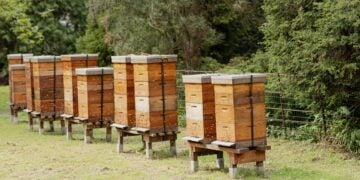
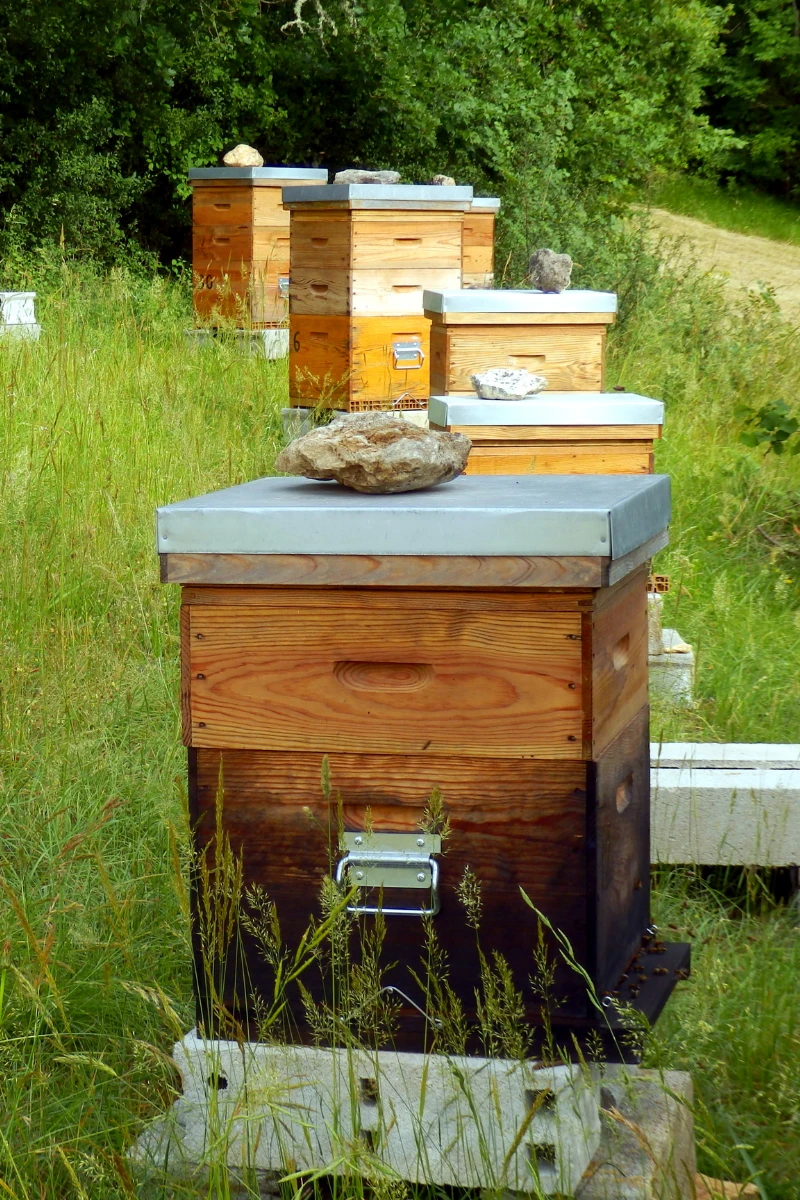
Your hive is the bees’ world, and it’s the most important part of your beekeeping equipment. Most beginners start with the Langstroth hive because it’s easy to find parts and advice for. Each box, called a super, holds removable frames that let you inspect your bees without destroying the comb. That’s what makes modern beekeeping possible.
Paint the outside to protect it from weather but leave the inside natural. Bees prefer raw wood. Start with one deep box for brood and one medium for honey. Later, you can add more boxes as the colony grows.
You’ll read that starting with two hives is better for comparison, and there’s truth to that. But one healthy hive teaches more than two struggling ones. Focus on understanding how that single colony behaves through changing weather, nectar flow, and seasonal transitions. You can always expand next year.
100% Beeswax Coated Bee Hive Includes Beehive Frames and Beeswax Coated Foundation Sheet (2 Layer)

Frames, Foundation, and Setup Tips
Frames come in two main styles: with foundation or foundationless. Beginners often choose wired wax or plastic foundation because it gives the bees a guide for straight comb. If you go foundationless, make sure your hive stays level so they draw comb evenly.
Ten-frame boxes are standard, but eight-frame setups are lighter. If you struggle lifting heavy boxes, eight-frame hives make inspections easier. That might not sound like a big decision, but once the honey flow hits and you’re moving 70-pound boxes, you’ll be grateful you thought ahead.
Deep Beehive Frames with Wax Foundation, 10Pcs Hive Frames, 9-1/8-Inch, Unassembled

What You’ll Learn
Protective Gear: Building Confidence Around Bees
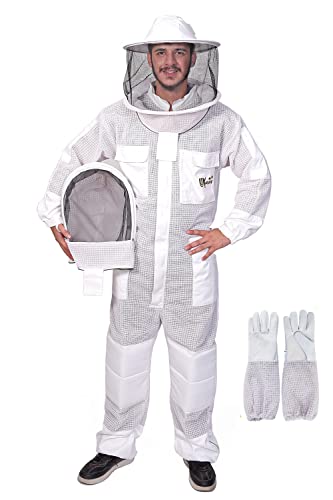
The second most important piece of beekeeping equipment is your protective gear. It doesn’t have to be fancy. A simple cotton suit or jacket with a veil is enough. The point isn’t to look like a professional—it’s to feel calm when you’re surrounded by thousands of bees. Confidence matters more than any brand name on your suit.
Many experienced beekeepers skip gloves, but I recommend wearing them until your movements are steady. Bees respond to hesitation and fast motion. The more relaxed you are, the calmer they’ll be.
In the heat of summer, you’ll be tempted to go without a veil, especially during quick checks. Don’t. Even calm hives have off days. One sting near your eye can turn an easy inspection into an emergency. A zippered veil and sturdy boots will make you feel secure enough to move slowly and gently—which your bees will appreciate.
When you choose protective gear, try it on before you buy. Make sure the zippers seal properly and that the fabric isn’t see-through in bright light. Look for elastic cuffs that fit snugly but not tight. Comfort goes a long way on hot days in the bee yard.
For Men & Women Premium Beekeeping Suit with Bee Gloves & Two Detachable Beekeeping Veils
The Smoker: Your Secret to Calm Bees
A smoker is the simplest and most valuable tool in your beekeeping equipment kit. A few puffs of cool smoke at the hive entrance and under the lid tell your bees that danger has passed. It masks alarm pheromones and buys you time to work.
The trick isn’t the smoker—it’s the fuel. Pine needles, untreated burlap, or dry grass work well. You want a cool, steady smoke, not billowing heat. If you can touch the metal without burning yourself, it’s right. Practice lighting it before you ever open your hive. There’s nothing worse than watching it go out just when you need it most.
Keep a lighter and extra fuel with your smoker. A small tin or bucket nearby saves you a walk back to the shed when things go wrong.
Stainless Steel Smoker with Heat Shield & 54 Natural Pellets, Beekeeping Tool Set for Beginner or Professional Beekeeper

The Hive Tool: Small but Essential
No piece of beekeeping equipment gets more use than the hive tool. It pries boxes apart, scrapes propolis, and helps lift frames that are glued down tight. You’ll use it every time you open the hive, and it will end up in your back pocket for most of the summer.
There are a few shapes available—J-hooks, flat bars, and hybrids—but a simple flat tool with a curved end works best for beginners. Keep it clean and don’t use it for anything else. Bees recognize familiar smells, and introducing strange scents can upset them.
J Hook Bee Frame Lifter and Scraper Beekeeping Equipment for Beekeepers, 10.5 Inch

Feeders and Water
Feeding isn’t always necessary, but it’s good to have a feeder on hand. Early spring and late fall are tough times for bees when nectar sources are limited. A simple entrance feeder or top feeder filled with sugar syrup gives your colony a boost when they need it most.
Keep the syrup ratio light in spring (one part sugar to one part water) and heavier in fall (two parts sugar to one part water). Always remove feeders once a good nectar flow starts, or you’ll end up with sugar syrup mixed into your honey.
As for water, make sure bees have access to a steady source nearby. A shallow dish filled with pebbles and water works well. Without one, they’ll find the neighbor’s pool.
Beehive Frame Feeder Deep Frame Water Feeder for Beekeeping Bee Feeding Tools

What Beekeeping Equipment Can Wait
You can fill an entire shed with beekeeping gear you don’t need in your first year. The catalogs are full of shiny tools that promise to make beekeeping easier, but most sit untouched. It’s better to learn with your hands and eyes before spending money on extras.
Extractors
Every new beekeeper dreams of spinning honey from golden frames, but extractors are expensive. Borrow one from your local bee club or share with another beginner. Until you’re harvesting more than a few frames, you can crush and strain honey through a mesh filter. It takes longer, but it’s simple and satisfying.
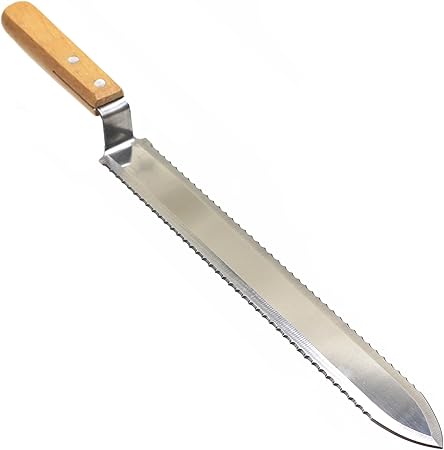
Include Frame Grip, Uncapping Knife and Double Sieve for Beekeeping Starter Harvest Honey

Uncapping Tools
A warm kitchen knife dipped in water will uncap honeycomb just fine. Electric knives, capping tanks, and rollers all serve the same purpose, but they’re unnecessary until you process several boxes at a time. In your first season, you’ll be lucky to fill one.
Beekeeping Equipment Bee Hive Hand Tool Beekeeper Tool
Extra Hives and Fancy Boxes
The idea of multiple hives sounds appealing, but each one adds responsibility. Focus on one until you’re confident managing disease, pests, and population swings. Once you’ve successfully overwintered a colony, then expand.
Avoid buying observation hives or decorative setups for now. They look nice but make inspections harder. Stick with standard equipment that works with your local mentors’ gear so they can help you troubleshoot.

Specialized Tools
Frame grips, queen cages, grafting tools, fume boards, and pollen traps all have their place, but not yet. You’ll recognize when it’s time for them because a problem will arise that those tools solve. Until then, let experience guide you.
Choosing Quality Beekeeping Equipment
Cheap gear costs more in the long run. Buy sturdy wooden boxes, tight-fitting lids, and stainless-steel tools. Plastic parts warp and crack in the sun. Nails rust and swell if you skip paint. Spend a little extra on pieces that last a decade instead of a season.
Local bee supply stores are worth supporting. They know what works in your climate and often carry hive components that fit regional conditions. For example, in Oklahoma, ventilation and heat control matter more than insulation. A vented inner cover can make all the difference in midsummer.
Preparing for Inspections
Your first hive inspection will feel clumsy. You’ll forget something, drop your hive tool, or spill smoke in your face. That’s normal. Good beekeeping equipment helps, but patience matters more.
Before opening the hive:
- Light the smoker and make sure it stays lit.
- Put on your veil and zip it fully.
- Have your hive tool in hand.
- Keep your camera or phone tucked away so you can focus.
Open the hive slowly. Smoke the entrance, wait a few seconds, then lift the lid gently. Bees react to vibration and sound more than movement. The smoother you are, the calmer they’ll stay.
Seasonal Beekeeping Equipment Shifts
Your needs change through the year. In spring, feeders and extra frames matter most. By summer, honey supers and extra boxes take priority. In fall, mouse guards, entrance reducers, and insulation wraps become useful. You don’t have to buy everything at once—spread purchases across the seasons as needs arise.
In winter, the most valuable piece of equipment might be a simple stethoscope or listening tube. It lets you hear the bees hum without opening the hive. You’ll know if they’re alive, clustered, and doing what bees do best: waiting out the cold.
Maintenance and Care of Your Beekeeping Equipment
Beekeeping equipment lasts longer with care. Scrape excess propolis and wax after each inspection. Store boxes in a dry place over winter to keep mice out. Replace broken frames right away instead of stacking them for later repair.
Propolis builds up fast and can glue boxes together so tightly you need a crowbar to separate them. Cleaning small amounts regularly saves frustration later. Some beekeepers melt propolis and wax for salves or candles, turning waste into something useful.
Experience Is the Real Tool
Beekeeping teaches patience and observation more than anything. The longer you keep bees, the less equipment you seem to use. You’ll reach for fewer tools and rely more on instinct. You’ll notice the sound of a healthy hive, the smell of fresh nectar, and the subtle shift when the queen starts laying again.
No catalog can sell that kind of knowledge. It comes from hours beside the hive, watching and listening. The bees show you what matters.

Starting Small
Starting small keeps the joy intact. When you only have one hive, you have time to notice details—how bees fan their wings at the entrance to regulate temperature or how they dance to tell others where to find clover. That kind of awareness disappears when you’re rushing through five hives before dark.
The best part of keeping bees isn’t the honey. It’s the quiet companionship, the hum that fills the air when the colony is content, and the feeling of doing something that connects you directly to the land.
A Word on Secondhand Equipment
Used beekeeping equipment can be a good deal, but be cautious. Disease spores, especially American foulbrood, can linger for decades in old wood. If you buy secondhand, make sure it’s been scorched or sterilized properly. Replace any frames or foundation. Sometimes, saving a little money costs more in lost bees.
Building a System That Grows With You
The beauty of beekeeping equipment is that it’s modular. Each piece adds to the next. You can expand slowly, box by box, year by year. When you choose durable materials and care for them, the same boxes you start with can still be in use ten years later.
Keep a notebook or spreadsheet to track what you have and what you wish you had. It’s easy to lose track when hive parts start stacking up in the shed. A simple list helps plan purchases and prevents duplicates.
Simple Beekeeping Equipment Works Best
The bees don’t need luxury. They need consistency. A hive that stays dry, frames that fit snugly, and a beekeeper who pays attention. Start with simple, solid beekeeping equipment, and build from there as you gain experience. Every inspection will teach you something new. Every mistake will shape how you work next time.
And one day, you’ll look at your setup and realize half the tools you once thought essential are gathering dust. The bees never needed all that—just your time, your patience, and your willingness to show up. Once it is assembled, the year starts here — see beekeeping in early spring. And it ends here — see when to harvest honey.
Frequently Asked Questions About Beekeeping Equipment
What beekeeping equipment does a beginner need first?
Start with a complete hive and frames, protective clothing with a secure veil, a smoker, a hive tool, a suitable feeder, and supplies for monitoring Varroa mites. Have the equipment assembled before the bees arrive.
Do I need a honey extractor in my first year?
Usually not. A new colony may not produce surplus honey in its first season, and many bee clubs rent or lend extractors. Wait until you have capped surplus honey and know how you want to harvest it.
Should a beginner buy used beekeeping equipment?
Used extraction equipment can be reasonable when it can be thoroughly cleaned. Used hive bodies, frames, and especially drawn comb carry disease and pesticide risks, so ask a knowledgeable local beekeeper or inspector before bringing them into your apiary.
Is a bee suit better than a jacket and veil?
Either can work if it fits securely and keeps the veil away from your face. A full suit offers more coverage, while a jacket is cooler and faster to put on. New beekeepers should prioritize a dependable veil and clothing that helps them work calmly.