
A healthy beehive is loud, busy, and heavy with stores. Keeping one healthy comes down to three habits: inspecting on a regular schedule, reading the signs the colony gives you during each visit, and treating small problems before they turn into a collapse. Most colony losses trace back to something that was visible two weeks earlier, at an inspection that got skipped. A strong colony largely takes care of itself, but only when its keeper is watching the right things at the right time of year.
What You’ll Learn
What a Healthy Beehive Looks Like
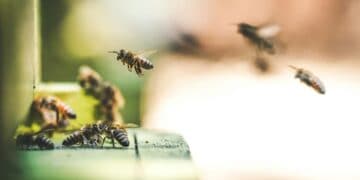
The fastest way to judge a healthy beehive is to watch the entrance for a few minutes on a warm afternoon. Steady traffic, bees returning with colored pollen on their legs, and a handful of guard bees at the doorway all point to a colony that is working and queenright. A quiet entrance in good weather, dead bees on the landing board, or a sour smell are early warnings worth opening the hive to investigate.
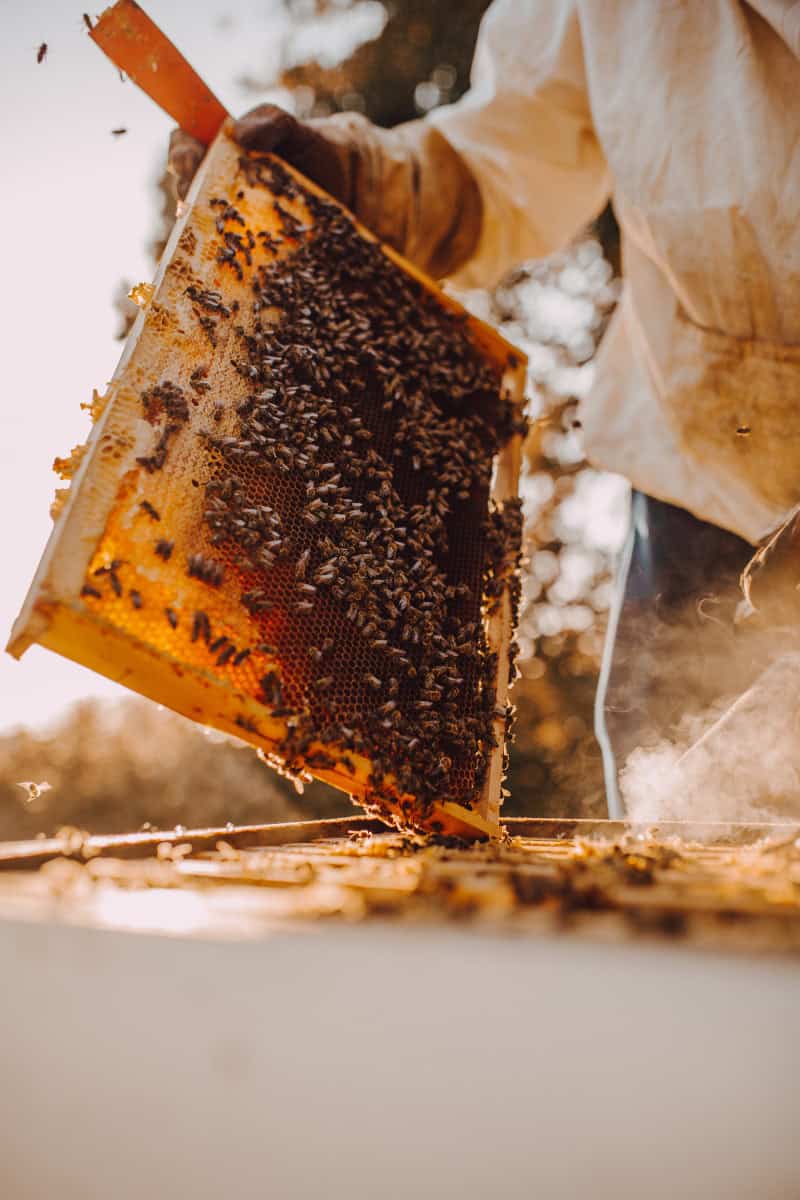
Inside, health shows up as a tight, solid brood pattern with very few empty cells, capped honey around the edges of the frames, and a calm temperament when you lift a frame. You want to see eggs standing upright in the bottom of the cells, which confirms a laying queen has been present within the last three days. A patchy brood pattern, scattered drone cells across the frame, or a jump in aggression usually means the queen is failing or already gone.

How to Inspect a Beehive Without Harming It
Inspect a healthy beehive every 7 to 10 days through spring and summer, and only when it is above 60 degrees F, calm, and not raining. Light your smoker first, put on a veil, and give two gentle puffs at the entrance and under the lid before you open anything. A well-managed inspection takes 10 to 15 minutes, because every extra minute the hive is open chills brood and stresses the colony.
Work from the outside frames toward the center where the brood sits. On each brood frame, look for four things in order: eggs and young larvae, a solid capped-brood pattern, adequate honey and pollen stores, and any sign of pests or disease. Wearing the right gear keeps the visit calm for both of you, and in hot weather a breathable suit matters more than most beginners expect, as covered in our guide to the best beekeeping suit for hot weather.

Seasonal Care for a Healthy Beehive
The work that keeps a healthy beehive alive changes completely across the year. Matching your tasks to the season is the difference between a colony that builds and one that quietly falls behind.
Spring
Spring is build-up season. Reverse the hive bodies if the cluster has moved to the top, make sure the queen has room to lay, and watch for swarm cells along the bottom of the frames. If the colony is booming, splitting it is the most reliable way to prevent a swarm and expand your apiary at the same time. Our guide to beekeeping in early spring covers the first inspections of the year in detail.
Summer
Add honey supers before the colony runs out of room, and keep ventilation high during heat waves so the bees are not spending the whole day fanning instead of foraging. Provide a nearby water source, because a strong colony needs a quart or more of water a day in summer. Late summer often brings a nectar dearth, when robbing between colonies spikes and entrances should be reduced to help guard bees defend the hive.
Fall
Fall is when winter survival is decided. Feed 2:1 sugar syrup until the colony reaches its winter weight, treat for mites while brood levels are dropping, and combine any colony too weak to survive on its own rather than losing both. This is also the season to pull your harvest, and our guide on when to harvest honey explains how to take a crop without leaving the bees short.
Winter
In winter the best thing you can do for a healthy beehive is leave it closed. Reduce the entrance to keep mice out, add a wind break, and tilt the hive slightly forward so condensation runs off rather than dripping on the cluster. A colony in a cold climate needs 60 to 90 pounds of stored honey to make it to spring, so the real winter work happens in fall when you make sure that weight is there.
Feeding a Colony for Year-Round Health
Bees feed themselves in a good year, but supplemental feeding rescues a healthy beehive during a dearth, after installing a new package, and heading into winter. Use a 1:1 sugar syrup in spring to stimulate brood rearing and comb building, and a thicker 2:1 syrup in fall when the goal is stored weight rather than growth. A pollen substitute helps a colony raise brood when natural pollen is scarce in very early spring.
The one rule that protects both your bees and your harvest: never feed sugar syrup while honey supers are on the hive, or that syrup ends up in your jars. Feed before you add supers or after you remove them, and take the feeder off once natural forage returns so the colony works the fields instead of the feeder.
Common Threats to a Healthy Beehive
Most colonies are lost to a short list of predictable problems. Knowing what each one looks like, and catching it during a routine inspection, is what separates beekeepers who lose hives every winter from those who do not.
Varroa Mites
Varroa mites are the number one killer of backyard colonies, both directly and through the viruses they spread. Test mite levels at least monthly with a sugar roll or alcohol wash, and treat when counts pass three mites per 100 bees, using oxalic acid, formic acid, or another proven miticide rotated to avoid resistance. The Honey Bee Health Coalition publishes a free decision tool that matches treatments to the season and temperature.

Small Hive Beetle
Small hive beetles slip into weak colonies, lay eggs in the comb, and their larvae ferment the honey into a slimy, unusable mess. A strong colony keeps them in check on its own, which is one more reason population and queen health matter so much. Our full guide to the small hive beetle covers traps, prevention, and how to recover an infested hive.
Wax Moths
Wax moths are opportunists that destroy stored comb and target hives that are already failing. A queenright, well-populated colony rarely has a wax moth problem. The real risk is in storage, so keep drawn comb in a cold or well-lit space over winter, never sealed in a warm shed where moths breed unchecked.
American Foulbrood
American foulbrood is the most serious disease a beekeeper can face. It shows up as sunken, greasy, perforated brood cappings and a distinct foul odor, and it spreads through spores that survive for decades. There is no safe cure for a homestead apiary: infected equipment must be reported to your state apiary inspector and burned to protect every colony in the area.
Robbing and Queen Failure
Robbing turns violent fast during a dearth, so reduce entrances and avoid spilling syrup when other colonies are hungry. A queenless colony is the quieter emergency: no eggs, no young larvae, a rising roar when you open the lid, and eventually multiple eggs laid crookedly in each cell by laying workers. Catch it early and you can requeen; catch it late and the colony is usually beyond saving.
Equipment and Setup That Support a Healthy Beehive
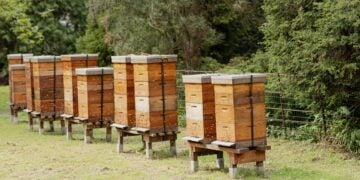
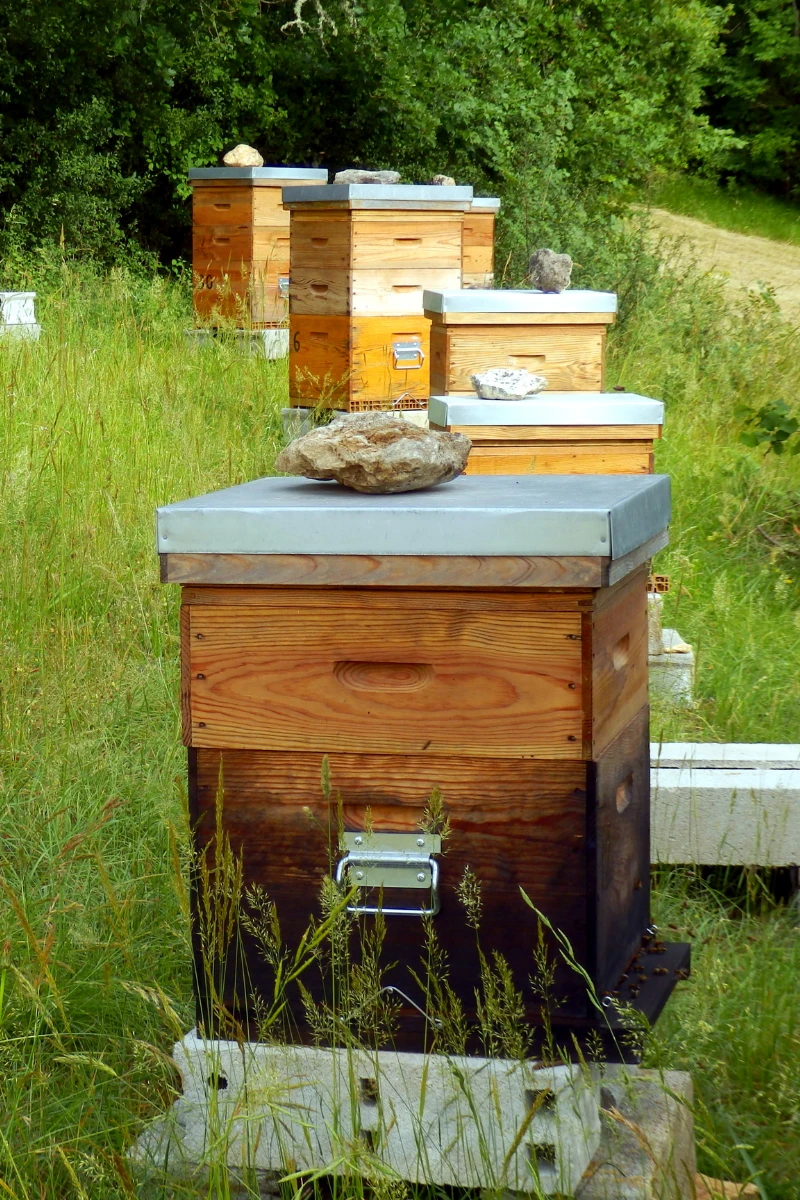
Good management still depends on a sound setup. Hives sitting in full afternoon shade, on damp ground, or crowded too close together stay stressed no matter how careful the keeper is. Give each hive morning sun, a dry stand a few inches off the ground, and a clear flight path at the entrance.
You do not need a catalog of gadgets to keep bees healthy, but you do need the right core tools and the right style of hive for your goals. Our guides to the beekeeping equipment that actually matters and choosing between a Langstroth, top-bar, or Warre hive walk through what to buy first and what can wait. If you are still setting up, our guide to beekeeping for beginners covers the decisions that come before any of this.

Think of a healthy beehive as a system you monitor rather than a machine you run. Inspect on schedule, keep mite counts low, feed when the season calls for it, and give the colony room and stores before it needs them. Do those four things consistently and the bees will handle the rest, season after season.
Frequently Asked Questions About a Healthy Beehive
How often should you inspect a beehive?
Inspect every 7 to 10 days during spring and summer, when the colony is growing and swarm risk is highest. Drop to monthly checks in fall and leave the hive closed through winter except on mild days. Every inspection stresses the colony and chills brood, so keep each one under 15 minutes.
What is the biggest threat to a healthy beehive?
Varroa mites are the single biggest threat to a healthy beehive, both from the damage they do and the viruses they carry. Test mite levels at least monthly and treat when counts exceed three mites per 100 bees. Untreated varroa is the most common cause of winter colony loss.
How much honey should you leave bees for winter?
A colony in a cold climate needs 60 to 90 pounds of stored honey to survive winter, and 40 to 50 pounds is usually enough in mild regions. Check the hive weight in fall by lifting the back, and feed 2:1 sugar syrup if the colony is light. Leaving enough honey is far safer than relying on winter feeding.
How can you tell if a hive is queenless?
A queenless hive has no eggs or young larvae, grows louder and more agitated when opened, and eventually shows multiple eggs laid crookedly in single cells by laying workers. If you see eggs standing upright in the cells, the queen has laid within the last three days and the colony is queenright. Catching queenlessness early is the only way to fix it by requeening.