
Key Takeaways
Direct Answer
The best turkey feeders and waterers are sturdy, height-appropriate, easy to clean, and large enough that every bird can eat and drink without crowding. For poults, use low, easy-to-find feeders and waterers in the brooder. For growing and adult turkeys, use heavy hanging feeders, trough feeders, large poultry waterers, nipple/cup systems, or range waterers that stay clean and resist tipping.
For processing gear, plan ahead with a properly sized killing cone or restraint setup, sharp knives, scalding pot or scalder, thermometer, plucker if desired, chill tubs, ice, packaging, and freezer space. Keep the article and gear planning separate from legal advice: rules for home processing and selling poultry vary by location.
Why Turkey Gear Is Different

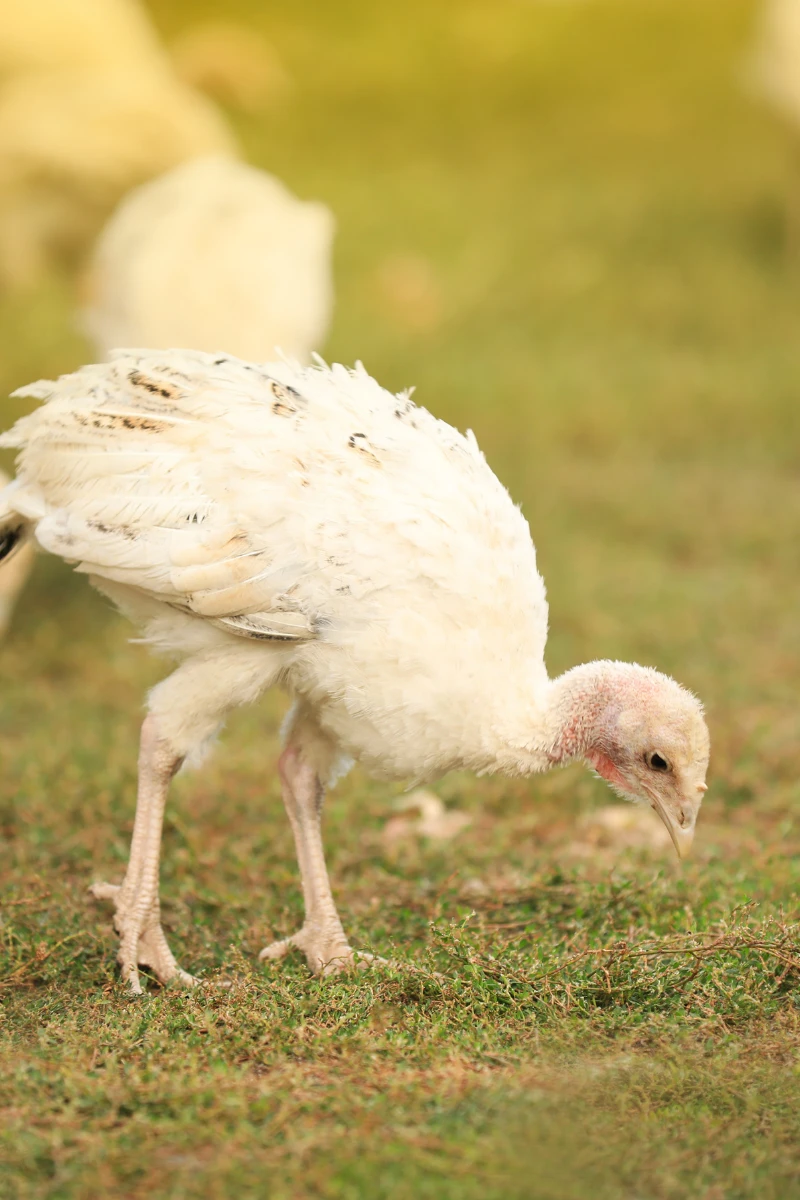
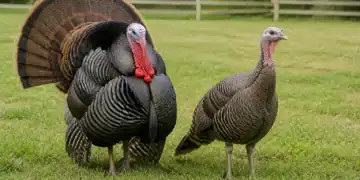
Turkeys are not just large chickens. Poults start fragile and can struggle to find feed and water. Growers become tall, strong, messy birds that can knock over lightweight feeders, step in water pans, waste feed, and turn bedding into mud. Broad-breasted birds grow especially fast and put more pressure on gear than heritage birds.
Penn State Extension’s small-flock turkey production guide says feed and water should always be available to growing turkeys and gives recommended feeder and drinker space by age. It also notes that producers need to obey local laws for rearing, processing, and selling poultry. You can read the full guide here: Small-Flock Turkey Production.
If you are still planning the whole flock, start with A Beginner’s Guide to Raising Turkeys on Your Homestead before buying a cart full of gear.
Poults: Brooder Feeders and Waterers
Turkey poults need feed and water they can find quickly. Starve-outs can happen when poults do not learn to eat and drink well in the first days. Keep the brooder simple, bright enough for them to see, and arranged so feed and water are easy to locate without chilling them away from heat.
Good poult waterers should:
- Be shallow enough to reduce drowning risk
- Stay clean
- Be easy to refill
- Have a stable base
- Be placed where poults can find them
- Not soak bedding
Good poult feeders should:
- Be low enough for small poults
- Offer enough edge space
- Reduce scratching and waste
- Be easy to clean
- Hold fresh starter feed, not stale leftovers
Some keepers use shiny marbles or small bright objects in waterers during the first days to attract poults, while still keeping the setup safe. Whatever you use, check bedding often. Wet brooder bedding chills poults and creates health problems.
For brooder planning, What You Need Before Bringing Home Turkey Poults is the right companion link.
Grower Feeders
As turkeys grow, feeder space becomes a production issue. If timid birds cannot reach feed, they lag behind. If feeders are too small, dominant birds crowd the line. If feeders are too light, turkeys tip them. If openings are too wide, feed ends up on the ground.
Look for:
- Heavy-duty construction
- Hanging or raised design
- Adjustable height
- Enough linear feeding space
- Rain protection if outdoors
- Easy cleaning
- A lid or cover where needed
- A design that limits billing feed out
Trough feeders work well for groups when they are long enough and stable. Hanging tube feeders can work if the pan is high enough to reduce scratching but low enough for the birds using it. Range feeders need to keep feed dry and should be moved or managed so mud does not build up underneath.
Adult Turkey Waterers
Water is where many turkey setups fail. Turkeys drink a lot, especially in heat. A small chicken waterer can become empty, muddy, tipped, or too low for large birds.
Good adult waterer options include:
- Large gravity poultry waterers
- Heavy rubber tubs for flexible use
- Automatic cup systems
- Nipple systems rated for turkeys
- Range water tanks with controlled drinker access
- Heated water bases or winter-rated systems where needed
The best system depends on your climate and whether birds are in a coop, tractor, run, or range setup. The water must stay clean and available. If turkeys have to walk through mud to drink, you will have foot, bedding, and sanitation problems.
Placement Matters
Feeders and waterers should not be shoved into the most convenient corner if that creates crowding or mud. Place them so birds can move around, weaker birds can access them, and you can check them without stepping through manure.
Use these placement rules:
- Keep water away from deep bedding that must stay dry.
- Raise feeders as birds grow.
- Keep feed under cover.
- Put water where spills can drain or be managed.
- Avoid tight corners that cause piling.
- Keep equipment easy to remove and scrub.
- Add more stations if the flock is uneven.
For space planning, pair gear choices with How Much Space Do Turkeys Need? as you scale your flock size.
Feed Storage
Good turkey feed is not cheap. Store it like it matters. Keep bags off damp floors, protect feed from rodents, close containers tightly, and rotate older feed first. Do not let feed sit where rain can blow in or where birds can tear open bags.
Use metal cans or heavy bins with tight lids. Label starter, grower, finisher, medicated feed, and nonmedicated feed clearly. If a feed has a withdrawal period, keep the tag and follow it.
Processing Gear: Plan Before Market Weight
Processing day is not the time to realize your gear is chicken-sized. Turkeys are heavy, strong, and awkward compared with broilers. Broad-breasted birds can outgrow beginner assumptions quickly.
Useful processing gear may include:
- Properly sized turkey restraint cone or safe restraint setup
- Very sharp knives
- Large scalding pot or turkey-capable scalder
- Accurate thermometer
- Work table
- Food-safe buckets or tubs
- Chill tanks or large coolers
- Plenty of ice
- Poultry shears or knives for breakdown
- Packaging supplies
- Labels
- Freezer space
- Cleaning and sanitation supplies
A plucker is optional but useful for larger batches. If you only process one or two birds, borrowing, renting, or processing with an experienced neighbor may make more sense than buying large equipment.
For timing, link your gear plan with When to Butcher Turkeys so birds, equipment, freezer space, and help are ready at the same time.
Legal and Food Safety Notes
If turkeys are only for your household, rules may be different than if you sell birds. Sales can trigger state or federal requirements, exemptions, labeling rules, facility rules, and transport concerns. Do not assume a small flock is automatically exempt from everything.
Check with your state agriculture department, Extension office, or local authority before selling processed poultry. Keep feed tags, processing dates, and customer records if you sell under a legal exemption.
Best Starter Setup by Stage
For poults:
- Low brooder feeder
- Shallow poult waterer
- Backup waterer
- Easy-clean brooder guard area
- Starter feed storage bin
For growers:
- Hanging feeder or long trough
- Larger waterer or cup system
- Grit access if birds range or eat whole grains
- Feed scoop and covered storage
- Mud control around water
For processing:
- Sized restraint setup
- Scalding thermometer
- Large cooler and ice
- Sharp knives
- Packaging and labels
- Freezer plan
Buy the stage you are entering next. Do not wait until the birds force the upgrade.
Common Mistakes
Avoid these turkey gear mistakes:
- Using chick waterers too long
- Letting poults struggle to find feed
- Buying feeders by chicken size, not turkey size
- Keeping water directly over bedding
- Allowing mud around drinkers
- Not raising feeders as birds grow
- Ignoring feed waste
- Waiting until processing week to source equipment
- Forgetting freezer space
- Selling without checking rules
Good gear keeps turkeys growing and keeps chores from becoming a daily wrestling match.
Frequently Asked Questions About Turkey Feeders, Waterers, and Processing Gear
What are the best turkey feeders and waterers for beginners?
Start with low poult feeders and shallow waterers for the brooder, then move to heavy hanging feeders, troughs, or large waterers as turkeys grow.
Can turkeys use chicken feeders?
Young poults can use small poultry feeders, but growing and adult turkeys usually need larger, sturdier gear with more feeder space.
How do you keep turkey waterers from making mud?
Use a stable raised base, move waterers when needed, fix leaks, keep them away from bedding, and choose systems that birds cannot tip easily.
What processing gear do I need for turkeys?
Plan for a turkey-sized restraint setup, sharp knives, scalding pot or scalder, thermometer, chill tubs, ice, packaging, labels, and freezer space.
Can I sell home-processed turkeys?
Rules vary by state and sales type. Check your state agriculture department or Extension office before selling processed poultry.