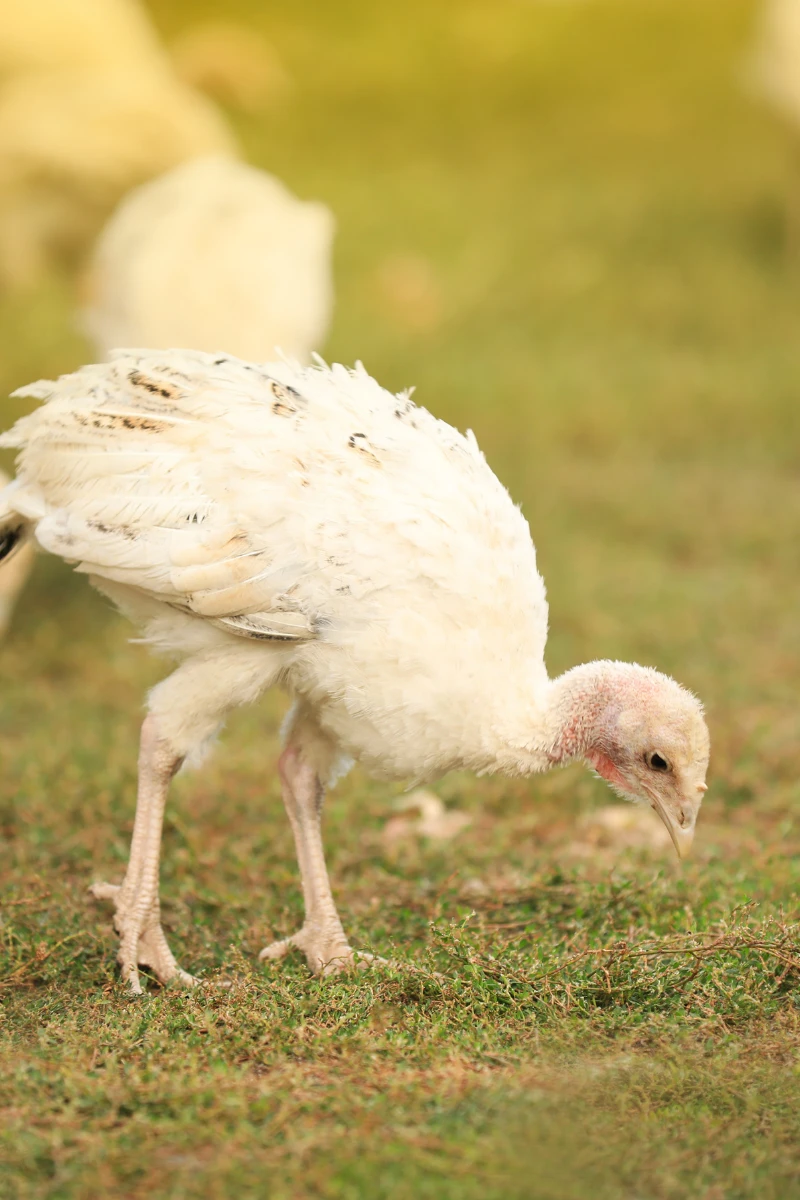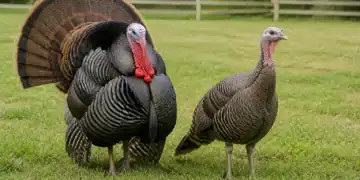

What temperature turkey poults need in the brooder depends on their age, brooder design, room temperature, and behavior. As a starting point, turkey poults need a warm zone around 95°F under the heat source during the first week, with the surrounding brooder room around 88°F if possible. After that, lower heat by about 5°F per week until poults are feathered and comfortable without supplemental heat.
That schedule is a guide, not a permission slip to ignore the birds. Cold poults pile, cry, and may get crushed. Hot poults pant, avoid the heat, droop, or spread hard along the brooder edge. Comfortable poults move between heat, feed, water, and rest without frantic noise or tight huddling.
Turkey poults are tougher than they look in some ways and surprisingly fragile in others. They need warmth, but they also need traction, dry bedding, clean water, fresh turkey starter, and enough room to get away from the heat.
What You’ll Learn
Turkey Poult Brooder Temperature Chart
Use this as a practical starting point:
| Poult Age | Warm Zone Target | What to Watch |
|---|---|---|
| Week 1 | About 95°F | Poults should rest near heat without tight piling |
| Week 2 | About 90°F | Birds should move freely to feed and water |
| Week 3 | About 85°F | Reduce heat if poults avoid the warm zone |
| Week 4 | About 80°F | Feathering improves, but drafts still matter |
| Week 5 | About 75°F | Heat may be needed only at night in cool rooms |
| Week 6 | About 70°F | Many healthy poults are ready to finish weaning from heat |
Penn State Extension’s small-flock turkey production guide recommends 95°F under the heat source during the first week, about 88°F room temperature, and reducing temperature by 5°F weekly to about 70°F. That is a strong baseline for homestead brooders.
If you are still buying supplies, What You Need Before Bringing Home Turkey Poults pairs well with this guide because heat is only one part of a safe brooder.
Warm Zone, Cool Zone, and Brooder Space

Do not heat the entire brooder like an oven. Poults need a warm zone and a cooler zone. That choice lets them regulate their own comfort. If every inch is hot, overheated poults cannot escape. If every inch is cool, weak poults pile and chill.
A good brooder layout has heat on one side or in one area, with feed and water nearby but not directly under the heat. Keep water far enough from the heat source that bedding does not stay damp, but close enough that poults can find it easily.
Measure temperature at poult height. A thermometer hanging high on the wall does not tell you what the birds feel at bedding level. Use at least one thermometer under the edge of the warm zone and, if possible, another in the cooler part of the brooder.
Reading Poult Behavior
The poults are the final thermometer.
Cold poults:
- Pile tightly under the heat
- Cry loudly and constantly
- Stand hunched with drooped wings
- Move slowly or stop eating
- Get trapped under stronger birds
- Cluster in corners
Hot poults:
- Move far from the heat source
- Pant or hold wings out
- Spread around the outer edges
- Act weak or sleepy
- Drink excessively but avoid feed
- Avoid the warm zone completely
Comfortable poults:
- Spread loosely around the warm area
- Eat and drink several times an hour
- Rest in small groups
- Walk normally
- Sound calm
- Move away from heat and return when needed
Check poults often the first 48 hours. Newly shipped poults may arrive stressed, chilled, dehydrated, or slow to start eating. A brooder that works for vigorous poults may need closer attention for weaker ones.
Heat Lamp vs. Brooder Plate for Turkey Poults
Heat lamps and brooder plates can both work, but each has tradeoffs.
Heat lamps produce strong radiant heat and are easy to adjust by raising or lowering the lamp. They also carry fire risk if installed poorly. Use a proper fixture with a guard, secure it with more than one attachment point, and keep it away from bedding, dust, cardboard, and plastic.
Brooder plates use less energy and may feel more natural because poults go underneath for warmth. The plate must be tall enough for turkey poults as they grow but low enough at first that they can warm properly. Some plates that work for chicks are too small for turkey poults after the first stage.
Whichever heat source you use, give poults enough room to escape the heat. Never rely on one clamp, one thermometer, or one quick morning check.
Bedding, Traction, and Leg Health
Turkey poults need good footing. Slick newspaper, bare plastic, smooth cardboard, wet shavings, and unstable surfaces can lead to slipping and leg strain. Poults grow quickly, especially broad-breasted types, and early leg issues can follow them into the grow-out stage.
Use dry, absorbent bedding with traction. Many homesteaders use paper towels over shavings for the first day or two so poults can see feed while still gripping the floor. Once they are eating well, clean pine shavings are common.
Avoid cedar shavings and dusty bedding. Keep waterers from soaking the floor. Wet bedding can chill poults from underneath even when air temperature seems right.
If you are deciding between turkey types, Heritage vs. Broad-Breasted Turkeys can help you understand why fast-growing birds need especially careful brooder footing and growth management.
Teaching Poults to Eat and Drink
Turkey poults are sometimes slow starters. Make feed and water obvious. Use a bright feeder, sprinkle a little starter on paper towel for the first few hours, and dip beaks gently if needed. Do not force water down a poult’s throat.
Use turkey starter, not layer feed. Turkey poults need feed formulated for their growth. Keep grit available when they eat anything beyond commercial starter.
Waterers should be shallow enough to prevent drowning but large enough that poults do not run out. Marbles or clean pebbles can make open troughs safer, but keep them clean.
When to Reduce Heat
Lower the heat gradually. If using a lamp, raise it slightly or switch to a lower-watt bulb. If using a brooder plate, raise it as poults grow and spend less time underneath.
Signs poults are ready for less heat:
- They sleep comfortably outside the hottest spot.
- They move well throughout the brooder.
- They are feathering evenly.
- They are eating and drinking normally.
- They do not pile when the room cools at night.
If poults pile again after you adjust heat, reverse the change and slow down. A calendar schedule is helpful, but the birds and weather should guide the final decision.
Brooder Safety Checklist
Before poults arrive, run through this list:
- Heat source is secure and tested.
- Thermometer is placed at poult height.
- Brooder has a warm zone and cool zone.
- Bedding is dry and nonslip.
- Waterer is shallow and stable.
- Turkey starter feed is ready.
- Feeder is easy to find and reach.
- Brooder sides prevent drafts and escapes.
- Lid or cover keeps poults safe from pets and pests.
- Backup heat plan is ready for power outages.
- Fire risk around heat lamps is reduced.
A brooder should be boring in the best way: warm where it should be warm, dry where it should be dry, and easy to check without tearing everything apart.
From Brooder to Grow-Out Pen
Do not move poults outside just because they are getting big. They need enough feathering, appropriate weather, safe shelter, and a draft-free place to sleep. The grow-out pen should be dry, predator-resistant, and easy for young birds to navigate.
If poults came from your own hatch, How Long Do Turkey Eggs Take to Hatch? can help connect incubation timing with brooder prep so the warm space is ready before hatch day.
Move birds during mild weather if possible. Watch them closely the first night. A group that seemed ready in the afternoon can chill if rain, wind, or a cold floor changes the real temperature.
Frequently Asked Questions About Turkey Poult Brooder Temperature
What temperature do turkey poults need the first week?
Use about 95°F under the heat source during the first week, with space for poults to move away if they get too warm. Watch behavior closely.
How fast should I lower turkey brooder temperature?
Lower heat by about 5°F per week as a starting point. Adjust based on feathering, room temperature, nighttime lows, and poult behavior.
How do I know if turkey poults are too cold?
Cold poults pile tightly, chirp loudly, stand hunched, move poorly, or stop eating and drinking normally. Add heat and check for drafts immediately.
Can turkey poults use a brooder plate?
Yes, if the plate is large enough, adjustable, and warm enough for poults. Make sure they can get under it easily and still have room as they grow.
When can turkey poults go outside?
They can move out when they are feathered enough, healthy, and the weather and shelter are appropriate. Avoid moving poults into cold, wet, drafty housing.