
Knowing how to protect farm animals from fireworks comes down to a few things you set up before the first shell goes up: secure fencing, a calm and familiar space, steady background noise to blunt the bangs, and a close watch on the animals most likely to panic. Fireworks pair sudden flashes of light with explosive booms, and a horse, cow, or hen reads both as a threat it cannot see or outrun. Unlike a dog you can bring indoors, most farm animals are stuck in pastures and coops with nowhere to hide when the sky lights up. That fear can drive a horse through a fence or pack a coop full of birds into a suffocating pile, so an hour of planning ahead of the Fourth of July prevents real injuries.
What You’ll Learn
Why Fireworks Frighten Farm Animals
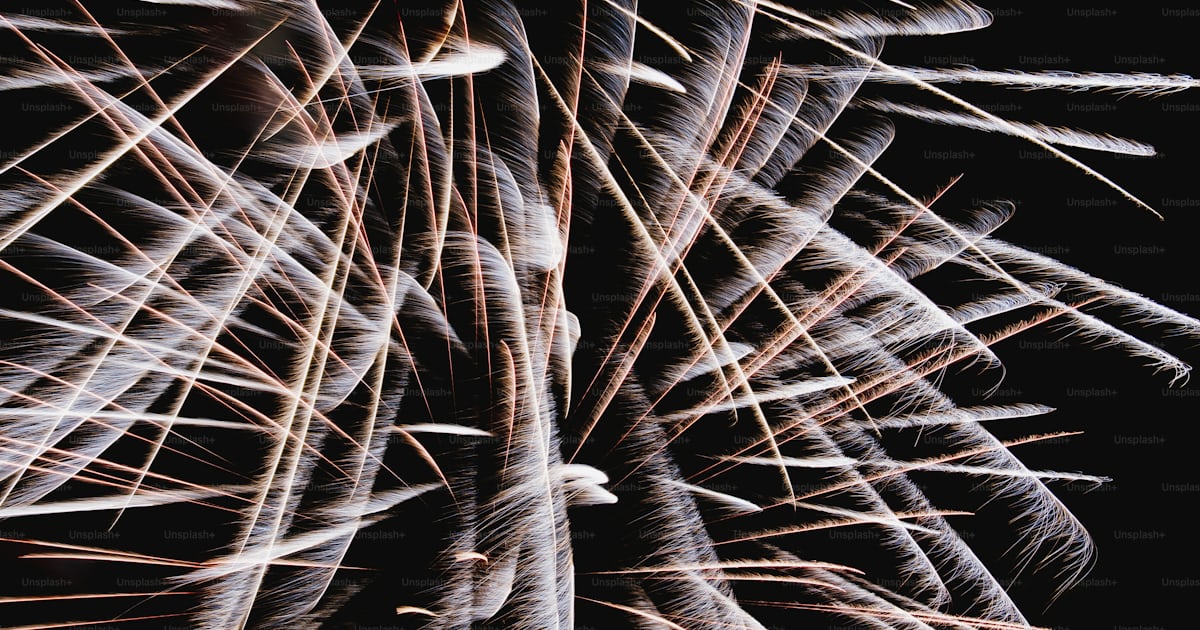
Farm animals live by routine and read their surroundings for danger, so the unpredictable crack and flash of fireworks lands as a predator or a threat with no clear direction to flee. That sets off a fight-or-flight response the animal cannot switch off, and the alarm often lingers long after the last shell fades. Birds and prey animals stay keyed up and jumpy, bracing for the next bang well into the night.
The physical toll follows the fear. Horses, cattle, and sheep may try to jump or smash through fences and gates, and the result is lacerations, strains, sprains, and broken limbs, or worse if an escaped animal reaches a road. Chickens penned in a coop have a different problem: a panicked flock surges into one corner and the birds on the bottom can suffocate under the weight of the pile. Even indoor animals hurt themselves on feeders, latches, and fittings as they scramble.
Stress does quieter damage too. Frightened animals go off their feed, and the disruption can drag down egg and milk production for days. The University of Illinois Extension notes that fireworks can spike cortisol and weaken the immune system in cattle, and elevated cortisol also disrupts reproduction and slows recovery in any animal already fighting a health problem. For a fuller picture of the severe physical and psychological consequences that noise and light inflict on animals, the research is sobering.
How to Protect Farm Animals From Fireworks
The plan starts with the ground itself. Walk your fence lines and gates a day or two ahead and fix anything loose, sagging, or splintered, because a fence that holds on a calm night can fail under a bolting thousand-pound animal. Move horses and cattle to the paddock farthest from the expected display, ideally one bordered by solid rails rather than a single strand of wire, and give them enough room that a startled run does not end at a fence.
Keep the evening as ordinary as you can. Feed at the usual time, leave the normal lights on, and turn on a radio or barn fan so a steady wash of sound softens the sudden booms. A nightlight in the coop keeps startled birds from waking into total darkness, and a familiar person moving calmly through the barn reassures animals more than any gadget. Close chickens into a secure coop before dusk so no bird is caught out in the open when the first shell breaks.

For animals with a history of dangerous panic, plan ahead with your veterinarian rather than improvising. Ask a week or more in advance about calming supplements or sedatives, correct dosing, and timing, and never dose an animal with leftover or over-the-counter medication on your own. Keep your vet’s number and an emergency contact posted where anyone helping can find it, so a down horse or an injured cow gets help fast.
The Risks Fireworks Pose to Wild Animals
The damage does not stop at the fence line. Predatory birds such as bald eagles are unusually sensitive to the noise and light and will abandon nests or entire territories when a display goes off nearby, disrupting breeding at the worst possible time. What looks like a brief spectacle to us can undo a full season of nesting for them.

Songbirds and waterfowl take flight in a mass panic and stay airborne far longer than normal, burning through energy reserves they cannot easily replace. Some birds have been driven so far out over water that they lacked the strength to return. Prolonged flight also carries them up through the smoke, where ozone, sulfur dioxide, and other combustion byproducts can damage their hearts and lungs. Keeping displays away from wetlands, rookeries, and known nesting sites spares wildlife the same shock your livestock feels.
Talking to Neighbors and Knowing Your Bylaws
Most of the fireworks near a homestead come from neighbors, not a municipal show, and many of those neighbors have no idea what a backyard display does to the animals down the road. A calm, friendly conversation a week ahead often does more than any fence repair: explain that your horses and hens react badly, and ask whether they can aim the finale away from your pasture or give you a heads-up on timing so you can be with your animals.
Know the rules where you live, too. Check your municipality’s fireworks bylaws and the dates they allow, and if someone is clearly violating them, setting off mortars for a week straight in a fire ban, for example, report it to the authority named in the ordinance. Some regions are moving toward quieter, low-noise fireworks and drone or laser shows, and mentioning those alternatives gives a well-meaning neighbor an easy way to still celebrate.
What to Do During and After the Display
Once the show starts, resist the urge to keep opening gates and rushing around, since a frantic owner reads as more danger to an already-scared animal. Move slowly and speak in a normal voice, keep loose dogs leashed or indoors, and watch for the animals working themselves toward the fence so you can gently redirect them before they hit it. Never tie a panicking horse, which can break its neck fighting the lead.
The next morning, walk every enclosure in daylight. Check fences and gates for damage, look each animal over for cuts, swelling, or lameness, and pick up spent fireworks debris and casings before curious mouths find them. Watch for a day or two of poor appetite or dropped production, and call your veterinarian if an animal is limping, will not eat, or seems off, especially one with a pre-existing condition.
If you keep livestock, treat the biggest, most reactive animals as your first priority and work down from there. Secure the horses and cattle behind fencing you trust, lock the flock in before dark with sound and a soft light, and save your energy for the animals that panic hardest rather than spreading yourself thin. Fireworks are a once- or twice-a-year problem, but the same steady, well-fenced, well-watched setup protects your animals through every kind of stress. Noise is not the only summer hazard, so pair this with our summer heat guide and, when the seasons turn, caring for livestock in winter; heat piles on during July as well, covered in keeping livestock cool, and the dogs on your place often take fireworks hardest, which is where homestead pet care comes in.
Frequently Asked Questions About Protecting Farm Animals From Fireworks
How Do Fireworks Affect Farm Animals?
Fireworks trigger a fight-or-flight response that can cause immediate panic, bolting, and injuries, along with longer-term stress. Animals may crash through fences, refuse to eat, or drop in egg and milk production for days afterward. Cattle and horses are prone to running blindly, while penned chickens can pile into a corner and smother.
How Can I Keep Horses Calm During Fireworks?
Keep horses in a familiar paddock or stall with secure fencing well away from the display, and stay with them or check often so a trusted person is nearby. Leave on a radio or barn fan to blunt the bangs, and hold to the normal feeding and turnout routine so the evening feels ordinary. Never leave a panicked horse tied, and ask your veterinarian in advance about calming aids for a horse with a history of severe reactions.
Do Fireworks Bother Chickens?
Yes. Sudden explosions can send a flock into a panic that packs birds into a corner of the coop, where the ones underneath can suffocate. Close the coop before dark, add a nightlight so birds are not startled awake in total darkness, and leave a radio playing low to soften the sound.
Should I Sedate My Animals for Fireworks?
Sedatives and calming supplements can help animals with a documented history of dangerous panic, but only under veterinary guidance. Do not reach for over-the-counter or leftover medications on your own, since the wrong dose or drug can be worse than the fear. Talk with your veterinarian at least a week ahead so any medication can be tested and timed correctly.