
The Short Answer
A practical October homestead checklist should cover six areas: garden cleanup, food storage, animal winter prep, fencing and water systems, tool maintenance, and household storm readiness. The goal is not to make the place perfect. The goal is to remove obvious failure points before the first hard freeze, the first long rain, or the first week when chores take twice as long because everything is wet, dark, and cold.
If you only have one weekend, prioritize water, shelter, feed storage, and anything that protects harvested food. Pretty fall projects can wait. Frozen hoses, damp bedding, spoiled squash, and a coop door that will not latch in the wind are the problems that cost you later.
Key Takeaways
Start With a Slow Walk Around the Homestead
Before you grab a rake or start dragging tarps out of the shed, take a slow walk with a notebook. October can fool you because the place often still looks productive. There may be peppers hanging on, late herbs near the kitchen door, hens still scratching in dry runs, and a few warm afternoons left. But the weak spots are usually already showing.
Look for low places that hold water, gates that sag, feed lids that do not seal, exposed cords, loose roofing screws, cracked hoses, and tools left where rain can get them. Check the garden beds, compost area, chicken run, goat pen, driveway, barn aisle, woodpile, and pantry shelves. Write down every small repair as you see it. Then sort the list by urgency, not by what feels satisfying.
A good October list has three tiers. First are safety and animal-care jobs: water, shelter, feed, fencing, and biosecurity. Second are preservation jobs: curing squash, storing onions, freezing broth, labeling jars, and using fragile produce. Third are comfort jobs: decorating, deep cleaning, rearranging shelves, and making the house feel settled for winter.
Garden Cleanup and Soil Protection
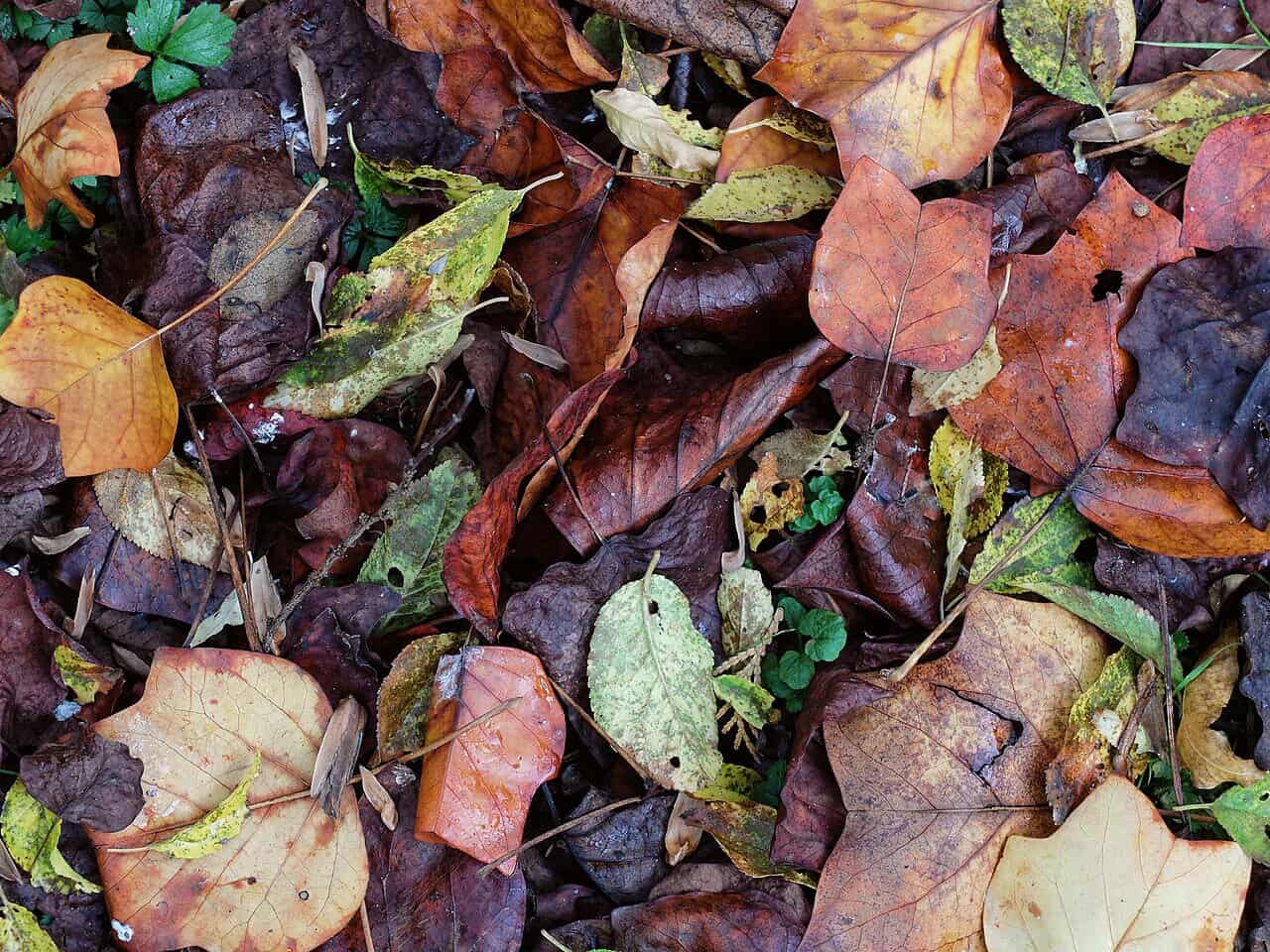
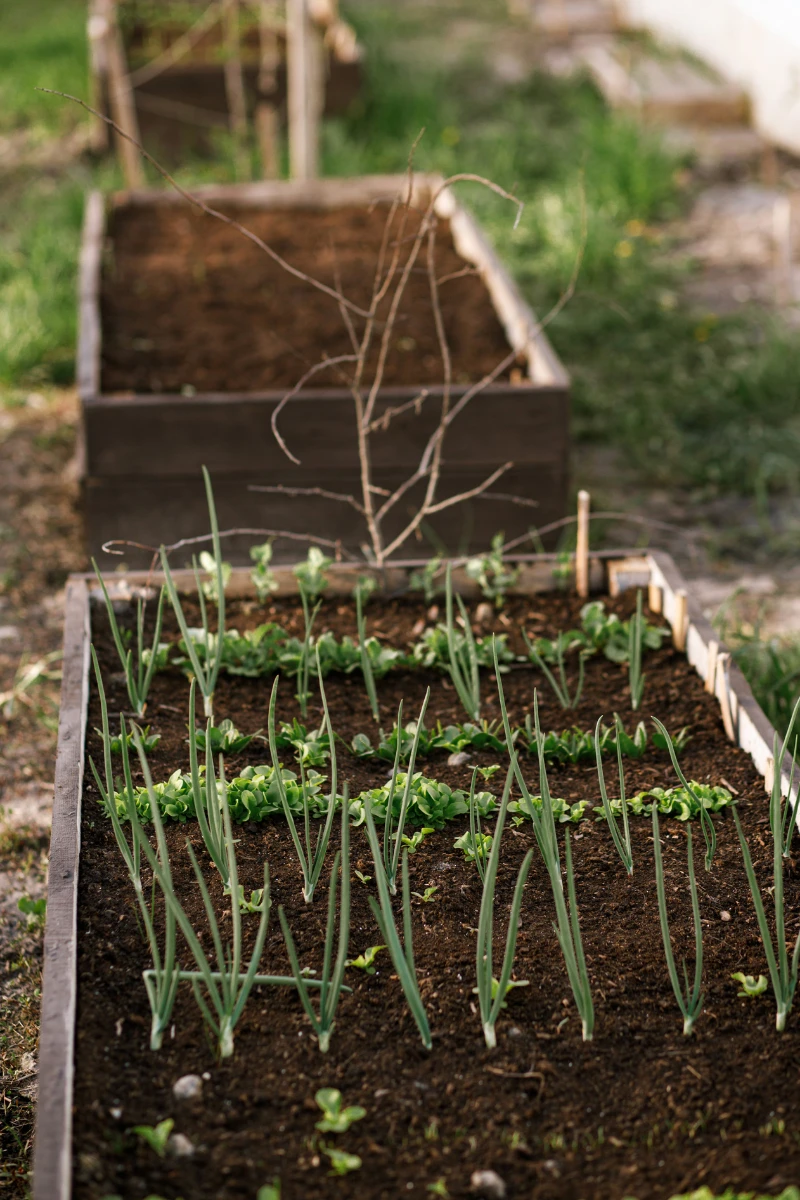
The garden is usually where October chores pile up fastest. Pull diseased plants first and keep them out of the compost if you cannot manage a hot pile. Tomato vines with heavy disease pressure, squash leaves with mildew, and pest-damaged brassicas should not be left as a blanket over next year’s growing space. Healthy plant material can be chopped and composted, but disease cleanup is one place to be a little fussy.
After the obvious cleanup, protect the soil. Bare beds lose structure through heavy rain, wind, and freeze-thaw cycles. If your climate still allows it, sow a fall cover crop. The University of Minnesota Extension notes that some overwintering cover crops can be planted into October, depending on crop and region, and that rye, winter wheat, and related options can help reduce erosion and hold nutrients in place.
If cover crop timing has passed, use mulch. Straw, shredded leaves, old hay that is not full of weed seed, compost, or a light layer of wood chips on paths can all help. Keep heavy mulch away from perennial crowns that dislike wet feet, and do not bury vole-prone areas so deeply that you create a winter apartment complex. The goal is covered soil, not a soggy mat.
This is also the right time to make notes for next season. Which beds flooded? Which crops stayed healthy? Which trellis was too flimsy? If you need a bigger seasonal plan, pair this checklist with Waddle and Cluck’s fall homestead preparations guide.
Harvest, Cure, and Store What Is Still Coming In
October harvests need triage. Some produce should be eaten now, some can cure for storage, and some needs to be processed quickly before quality slips. Winter squash and pumpkins are the obvious examples. Do not toss them straight into a cold pantry if they still need curing. Handle them gently, leave stems attached when possible, and keep damaged fruit separate so one bad squash does not ruin the whole shelf.
Use a three-bin system for late harvests. The first bin is eat-soon produce: bruised apples, split tomatoes, cracked squash, herbs, and tender greens. The second is storage produce: sound squash, pumpkins, onions, garlic, potatoes, and sweet potatoes, each handled according to its own curing and storage needs. The third is processing produce: tomatoes for sauce, celery leaves for broth, herbs for drying, and fruit for freezing or preserving.
If you already keep a pantry inventory, update it now. If you do not, start simple. Write down what is in the freezer, what is on the canning shelf, and what needs to be used before the holidays. This keeps you from buying soup ingredients when you already have broth, beans, tomatoes, and frozen vegetables waiting.
For tools and storage ideas that support harvest season, Waddle and Cluck’s autumn harvest tools guide is a useful companion.
Animal Housing, Feed, and Water Checks
Animals do not care that the calendar changed. They care whether they can stay dry, drink clean water, and get enough feed without fighting mud. Start with housing. Chicken coops, goat shelters, rabbit hutches, dog houses, and barn stalls all need dry bedding, good ventilation, and weather protection without being sealed so tightly that moisture builds up.
For chickens, clean out damp bedding before cold weather. Check roosts, nest boxes, latches, predator gaps, and run drainage. If your birds molt in fall, expect egg production to dip and protein needs to matter more. If you use supplemental light, decide that intentionally rather than plugging in a random bulb because the egg basket looks light.
For goats and other small livestock, check hay storage before you stack the first big winter load. Hay should be off the ground, protected from rain, and easy to access without climbing over junk in the dark. Mineral feeders should stay dry. Water buckets should be positioned where they will not become skating rinks. If you use heated buckets or tank deicers, inspect cords before plugging them in and keep animals from chewing them.
Walk fence lines before the leaves drop completely. Brush leaning into wire, weak posts, and gate gaps become more annoying once weather turns. If you keep poultry, remember that predator pressure often shifts in fall as wild food sources change. Waddle and Cluck’s backyard chicken basics guide is a good internal reference for tightening everyday flock systems before winter.
Tools, Equipment, and Fuel
October is the month to stop treating tools like they are indestructible. Clean pruners, oil wooden handles, sharpen blades, and bring in anything that should not freeze. Drain hoses before a hard freeze and store the ones you will not use again. Keep one winter-safe hose plan if you still need to haul water.
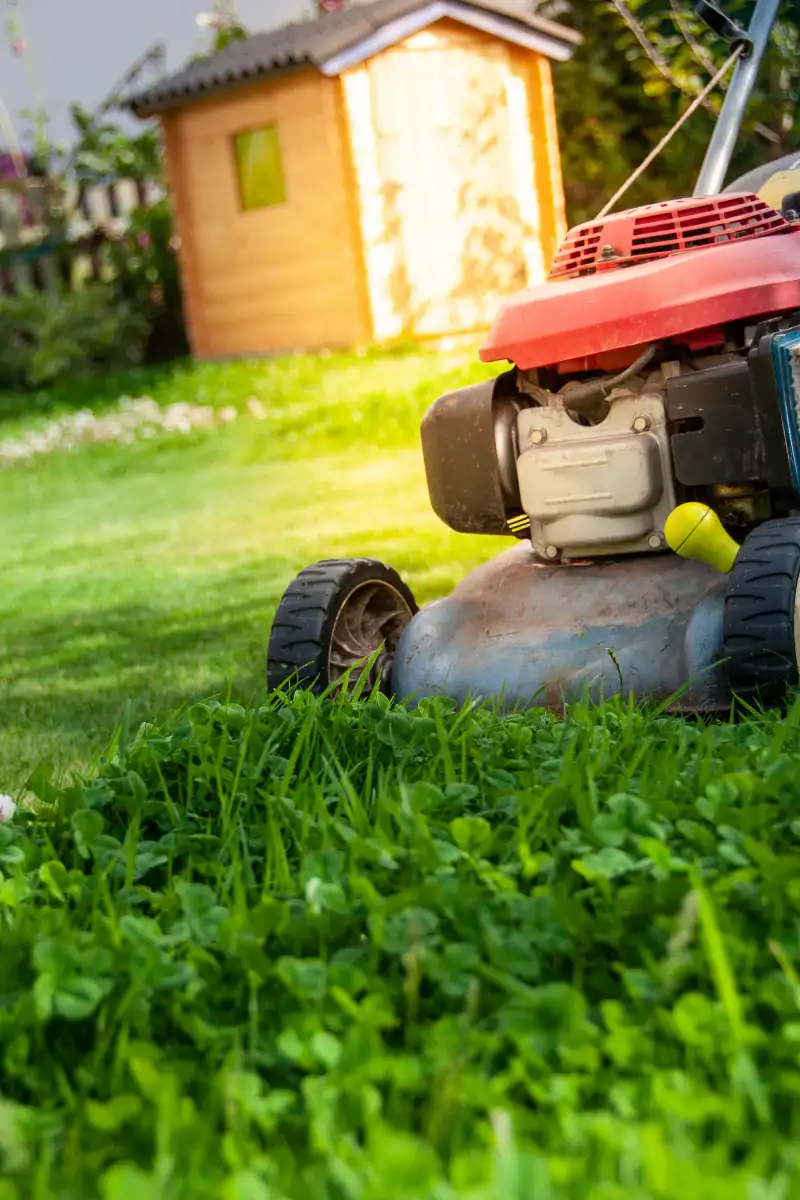
Service small engines before you need them. That includes the mower, chainsaw, generator, tiller, pressure washer, and any pump that matters to your place. Use fresh fuel where required, stabilize what will sit, and store fuel safely. If you rely on propane, firewood, pellets, or kerosene, check quantities now rather than during the first storm rush.
This is also a good time to build a winter chore station. Put gloves, headlamps, batteries, boot scraper, animal-safe ice melt, extra latches, zip ties, hose washers, and a basic tool kit in one predictable place. October evenings get dark fast, and a five-minute fix becomes a thirty-minute frustration when the flashlight is dead.
Storm and Power Outage Prep
Power outage preparedness belongs on every October homestead checklist. Even a short outage can affect water pumps, freezers, brooders, incubators, heat sources, and communication. Ready.gov recommends keeping flashlights, batteries, a radio, food, water, and safe backup plans ready for outages, and it warns that generators and fuel-burning equipment must be used outdoors and away from windows because of carbon monoxide risk.
Walk through your actual outage plan. Can you open the garage door manually? Can you water animals if the well pump is down? Do you know which freezers are full? Do you have appliance thermometers? Is the generator cord rated for the job? Does everyone in the house know where the flashlights are?
Do not make the plan complicated. A homestead outage plan should answer five questions: how people stay warm, how animals get water, how food stays safe, how phones get charged, and how you avoid carbon monoxide. Write those answers down and keep them where the household can find them.
What Can Wait Until November
Not every fall job belongs in October. Some pruning is better handled later or in late winter, depending on the plant. Some deep cleaning can wait until the garden is fully done. Some decorating can happen after the urgent outdoor work is finished. The skill is knowing the difference between a seasonal deadline and a nice idea.
If a job protects life, food, water, shelter, or expensive equipment, do it in October. If it only makes the place look better, schedule it after the essentials. Homesteading runs smoother when you stop treating every task as equally urgent.
A Practical October Homestead Checklist
Use this as a working list, not a guilt list.
- Pull diseased garden plants and compost only healthy material.
- Mulch bare beds or sow cover crops where timing allows.
- Cure and sort winter squash, pumpkins, onions, and garlic.
- Inventory pantry shelves, canning jars, freezer meals, broth, and staples.
- Clean coops, stalls, hutches, and shelters before wet weather settles in.
- Check bedding storage, hay storage, feed bins, and mineral feeders.
- Inspect heated waterers, extension cords, tank deicers, and GFCI outlets.
- Walk fences, gates, latches, predator gaps, and low drainage spots.
- Drain hoses and protect outdoor hydrants or spigots.
- Service small engines and test backup power safely.
- Stock batteries, headlamps, gloves, hand warmers, and basic repair supplies.
- Write a simple outage plan for people, animals, water, food, and heat.
Frequently Asked Questions About October Homestead Checklist: Tasks to Do This Month
What should homesteaders do first in October?
Start with water, shelter, feed, and food storage. Those are the systems most likely to create real problems during a freeze, storm, or long wet spell.
Should I clean up every garden bed in October?
Clean up diseased plants and spent annual crops, but do not leave soil bare if you can avoid it. Use mulch, compost, leaves, or cover crops where appropriate for your climate.
Is October too late to plant cover crops?
It depends on your region and the crop. Some overwintering cover crops can still be useful in October, but local extension guidance should drive the timing.
What animal chores matter most before winter?
Dry bedding, secure shelter, clean water, feed storage, safe electrical setups, and predator-resistant latches matter most. Comfort projects come after those basics.
How do I keep an October checklist from getting overwhelming?
Sort tasks into must-do, should-do, and nice-to-do. Finish the must-do list first, even if that means skipping cosmetic projects until later.