
Winter homestead projects fill the slow months when the garden sleeps and the cold settles in. I never expect these projects to feel productive in the same way summer chores do. Winter work has a different rhythm. The days move slower. The light shifts sooner than I want it to. Yet this season still carries its own kind of progress. The small indoor jobs that I ignore all summer suddenly step forward and demand attention. Winter keeps me honest that way.
I used to think winter meant waiting. Waiting for soil to warm. Waiting for chicks to hatch. Waiting for the first seed catalog to show up in the mailbox. Now I see it as the season that lets me reset the homestead without rushing. The work changes shape, but it does not stop. It simply moves indoors, into the barn, or into the planning corner of my kitchen.
Below are winter homestead projects that support the year ahead without asking you to stand outside and freeze. Some of them look simple on paper. Most work best when you give them steady attention instead of trying to do everything on a single afternoon.
Winter Homestead Projects for a Smoother Spring Season
Winter homestead projects come in handy when everything outside feels uncooperative. Snow piles up or melts into mud. Tools feel cold enough to glue themselves to your hands. I lean on indoor and semi indoor projects because they help me keep momentum without forcing me into the cold.
Organizing seed storage, repairing gear, and preparing animal spaces all count as winter work. These projects save me time once spring gets messy and unpredictable. If you have ever tried to dig for a misplaced bag of potting soil in March, you already know how valuable winter preparation can be.
Sorting and Inventorying Seeds While the Garden Sleeps
Seed boxes get wild by the end of the season. I throw half used packets into the wrong containers. I promise myself I will reorganize them, then never do. Winter gives me time to sort everything without the pressure of a long chore list waiting outside.
I spread the packets across the table and check dates. Some seeds hold their strength for years. Others fade faster. Peas grow best from fresh seed. Old lettuce might still germinate, but not at the rate I want. I make a simple list of what I have, what is expired, and what I want to add. This becomes the base of my garden plans long before the soil thaws. I also love flipping through my favorite seed catalogs.
If you keep a garden journal, winter is a good time to update it. I jot down which varieties impressed me, which pests showed up, and which beds underperformed. These notes seem minor at the time. They become useful once spring planning begins.
Metal Seed Saving Box with Lid and Safety Locks, Seed Bin Seed Storage Container with 20 Seed Envelopes and 20 Labels, 3 Compartments, Perfect for Flower Plants Garden

Repairing Tools Before You Need Them
Tools tell the story of the summer. Bent handles, dull blades, old dirt caked onto metal. I ignore most of it until the cold pushes me inside. Winter gives me space to scrub and sharpen every tool that carried the load during the warm months.
I start with small hand tools. Pruners, trowels, weeders. I clean off the rust and sharpen anything that needs it. Then I check the bigger items. Shovels, rakes, hoes. Handles crack without warning, especially if I leave them leaning by the barn door longer than I should. Replacing handles in winter keeps me from scrambling once planting season picks up speed.
If you use power tools for your homestead work, this is the time to check filters, replace fuel, and clean parts you never think about when everything is in full swing. A little attention in January keeps you from breaking down in June.
Preserving Food You Missed During Harvest Season
Some harvests finish late. Sometimes I freeze things in bags with no labels. I always pay the price later. Winter gives me a long stretch of time to clean the pantry, sort the freezers, and move older items to the front. A pantry that looks full can hide a surprising amount of waste. Winter helps me face that and fix it.
This is also a good time to make broth from frozen bones, pressure can a few batches of beans, or turn lingering fruit into jam. None of these projects require warm weather. They only require a day when you are willing to stay inside and let a pot simmer while you handle other chores.
Cleaning and Refreshing Animal Housing
Outdoor chores feel harsh in January, but many animal tasks still work well with short, bundled up visits. Coops, barns, and hutches all benefit from winter attention. Bedding breaks down faster than you think. Moisture builds up inside small enclosures. Ventilation always slips out of alignment somehow.
I walk through each animal area and look at simple things first. Hinges. Latches. Corners where bedding gathers. Feed bins that need to be washed and dried. Then I check for drafts that let in more cold than they should. A missing board or loose panel becomes obvious once the wind starts pushing through.
Deep cleaning in winter sets the stage for spring hatches, kidding seasons, or brooding. If you raise poultry, this is a good time to replace nest box bedding and scrape down perches. If you raise rabbits or quail, giving them fresh trays and clean feeders keeps them healthy through the colder months.

Planning the Next Season with Realistic Expectations
Winter homestead projects involve a lot of planning. Not the kind that tries to predict everything. Just the kind that asks you to be honest about what you can manage. Winter invites clearer thinking. Nothing is urgent. The weeds are gone. The heat does not rush you.
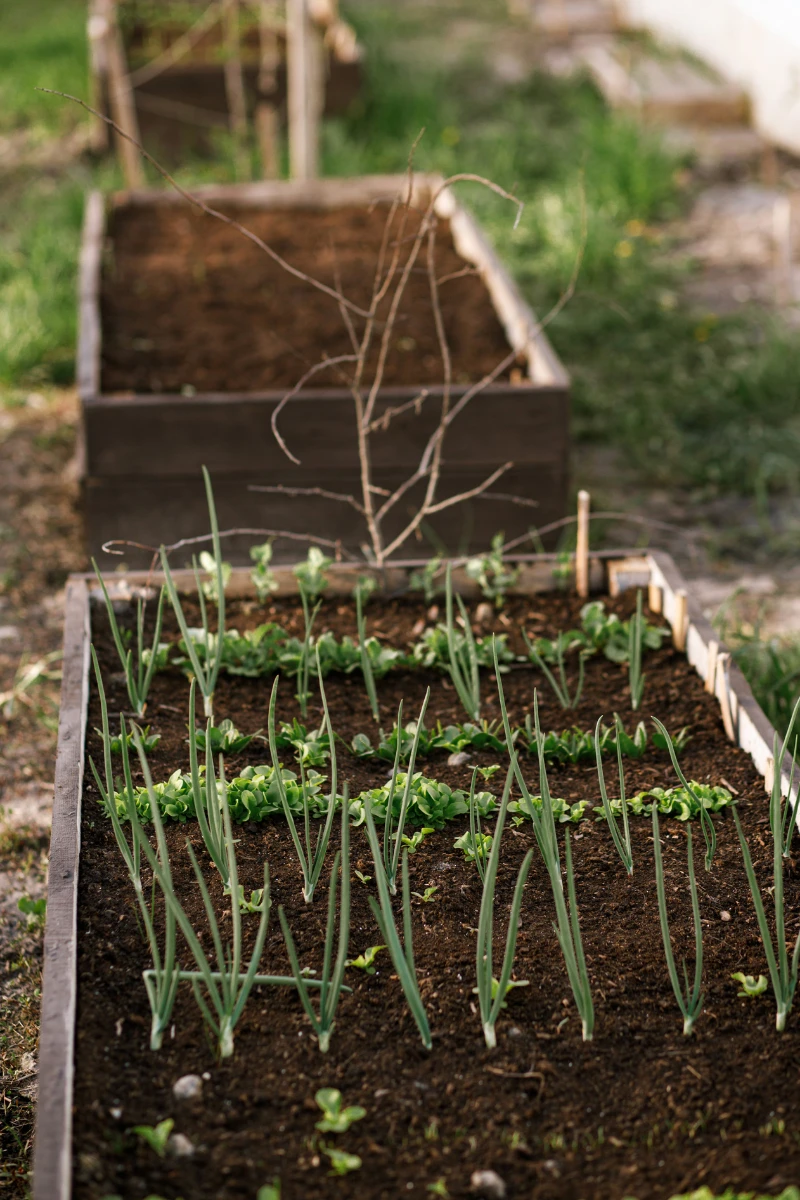
I create a rough map of the garden each winter. I rotate crops. I sketch out raised beds. I think about which plants need more sun and which areas should rest under mulch. This plan rarely stays perfect, but it gives me a framework once the growing season starts.
I also decide what expansions can wait. Every homesteader has a list of big ideas. Add a greenhouse. Build a new compost area. Expand the poultry flock. It is tempting to stack too much onto a single year. Winter helps me slow down and decide what fits my time, budget, and energy.
I have been LOVING using Seedtime to plan my garden.

Making Homemade Soil Mixes Indoors
I mix my seed starting soil indoors because my hands freeze if I try to do it outside. A basic blend of peat or coco coir, perlite, and finished compost works well for most seedlings. Mixing your own lets you control texture and moisture, and it saves money once you start filling trays.
You can prep bags of soil mix during the cold months and store them in sealed containers. That way you are not scrambling for potting soil the week you want to start tomatoes or peppers. Winter is generous with time. Take advantage of that before spring races in.
Sorting and Storing Homestead Paperwork
I do not know a single homesteader who enjoys paperwork. Feed receipts pile up. Garden notes hide in drawers. Animal health records disappear under cookbooks. Winter is the best time to put everything into a system that makes sense.
I sort receipts, tag animal medical notes, and put garden records into folders. This boring part of homesteading becomes valuable once you need to track expenses or check when a goat last received a vaccine. A little organization now saves hours later.
Creating or Updating a Pantry Inventory
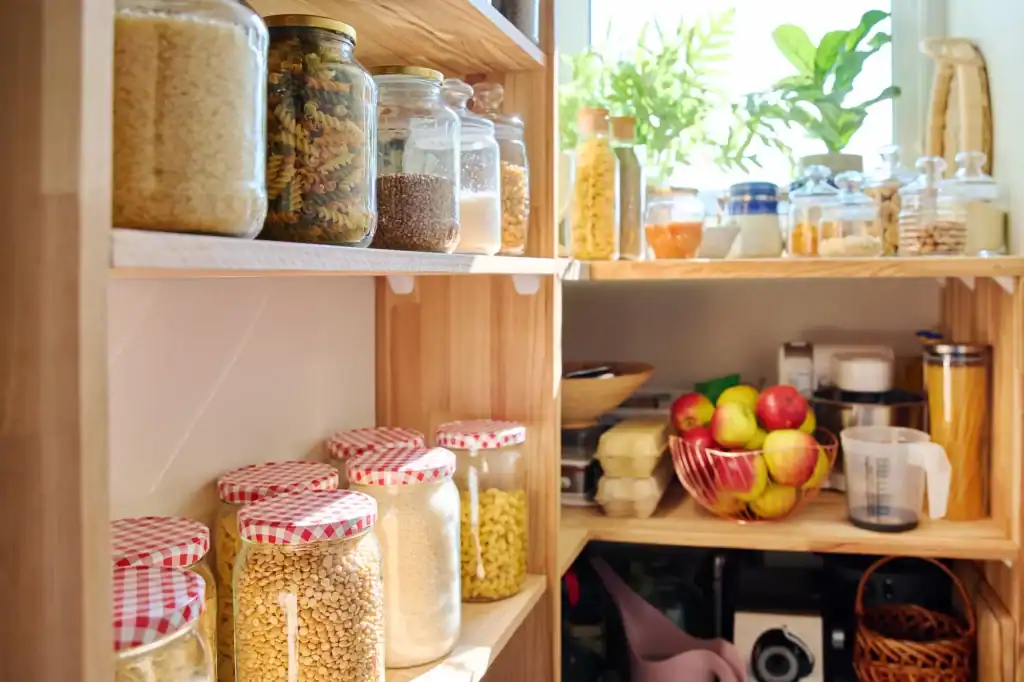
Most homesteaders keep more supplies on hand during the winter. Flour, oats, beans, rice, dried herbs. The pantry gets messy without even trying. Winter homestead projects often start here because you can see everything you have and everything you used faster than at any other time of year.
I take everything off the shelves and wipe them down. Then I restock items in a way that makes sense. Baking goods in one area. Canned goods in another. Dry beans and grains together. I place older items toward the front and newer ones behind them. This simple reset keeps food from getting lost and reduces waste.
Indoor Skills That Build Confidence for Spring
Winter invites you to practice the skills that make spring easier. If you want to improve at baking bread, this is the season. If you want to learn cheesemaking or soapmaking, winter gives you the patience and indoor time to explore it.
I focus on skills that support the homestead in practical ways. A reliable sandwich bread saves money. Homemade soap stretches supplies and gives me more control over ingredients. Simple herbal salves help with daily scrapes and minor cuts once outdoor work begins again.
These indoor projects help you feel connected to the homestead even when the ground is frozen.
Building or Repairing Indoor Infrastructure
Every homestead has small structures that need attention. Shelves that lean. A workbench that wobbles. Seed starting racks that need better lighting. Winter is a good time to fix or build these indoor structures before the growing season takes over.
I tighten loose screws, replace broken boards, and set up new storage bins near the back door. These practical tasks rarely feel impressive, but they shape the rest of the year. You can only work as efficiently as the systems you build. Winter lets you build those systems without distraction.
Evaluating Your Animals with Fresh Eyes
Animals behave differently in winter. They move less. They rely on stored feed more than forage. This makes it easier to spot animals that need extra support. Weight loss shows up faster. Coat condition becomes clearer. Foot issues become obvious.
I take a quiet moment with each animal and look at them closely. I check weight by feel. I look at eyes and coat. I make sure everyone is eating the right amount. This gives me a better understanding of herd or flock health before spring breeding or hatching cycles begin.

Managing Winter Compost Without Expecting Fast Results
Winter compost does not move with the speed you expect in summer. The pile settles into itself and waits for warm weather before breaking down again. Still, winter is a good time to turn the pile when temperatures allow. It keeps the materials mixed and ready to heat up in spring.
I also add kitchen scraps throughout the winter. Eggshells, coffee grounds, vegetable peels. Even if the pile stays cold, the material breaks down eventually. Winter composting keeps the habit alive and reduces kitchen waste.
Refreshing Household Supplies That Support the Homestead
Homesteading touches every corner of the home. Winter is the time when I notice supplies that ran low during the busy months. Cleaning rags, canning lids, seed tray labels, twine, gloves, and sharpening stones. None of these items seem urgent on their own. Together they make the homestead run smoother.
I create a small list of supplies to replace before spring. This prevents me from rushing to a store during the first warm week when I want to be outside planting instead.
Crafting and Repairs That Save Money Later
Winter homestead projects often include small handcrafts that get ignored during warmer months. Mending clothes. Stitching feed bags into storage totes. Knitting wool socks. These small projects stretch your resources and keep your hands busy when the days are short.
I go through the mending basket and fix the clothes that have waited longest. A tear in a sleeve. A hole in a glove. Buttons that go missing without explanation. Winter makes these repairs feel manageable.
Staying Connected to the Homestead Even When You Stay Inside
Winter teaches most homesteaders that productivity changes shape with the season. Some days you will do a lot. Other days you will handle one small task and call it good. Both count. Winter gives you the space to see the homestead in a more measured way.
These indoor and semi indoor winter homestead projects are not glamorous, but they build the foundation for everything you want to grow or raise next year. By the time the first warm day arrives, you will be ready instead of overwhelmed. For a warm-weather project that pays for itself, learn how to set up a clothesline without digging posts. Projects help, but the walls still close in. Here are 12 ways of battling cabin fever.